
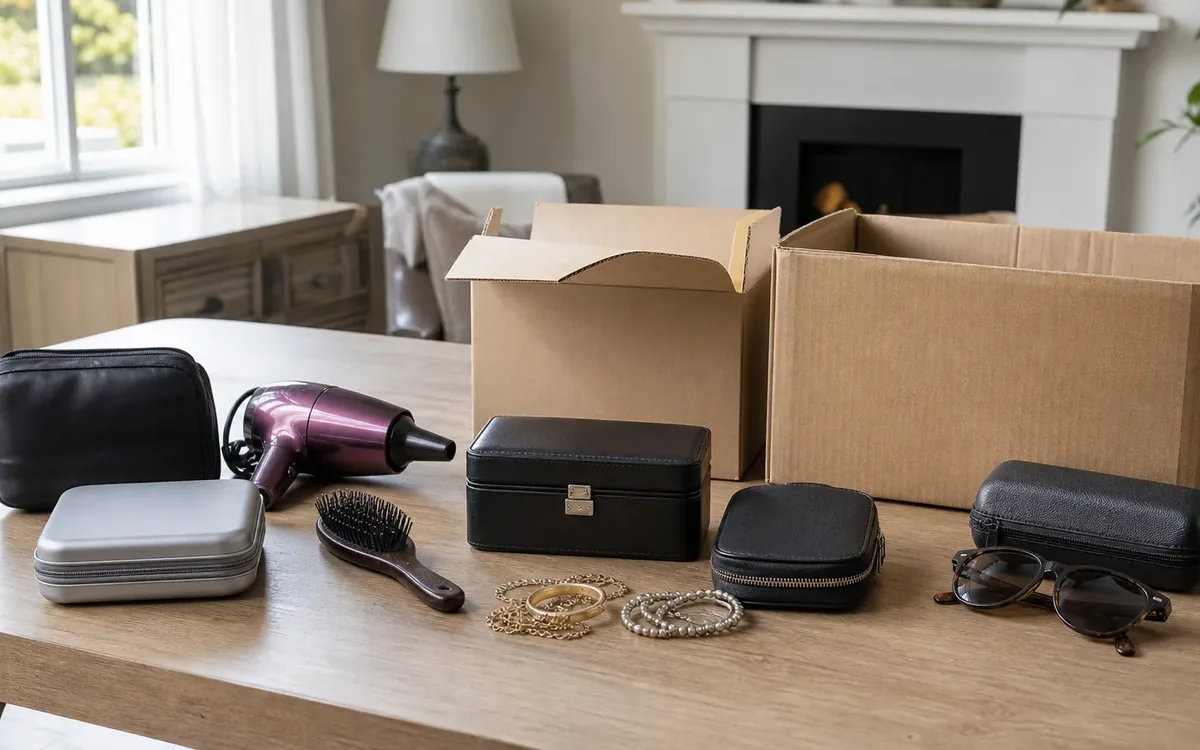
Keep household accessories with the exact items they fit. Record any match that you cannot confirm. Before packing, decide what happens to each item. It may move or transfer to someone else. It may also need to wait for review. Use a clear label and shared packing record. They help preserve those choices through the move.
The EPA’s home reuse and recycling tips explain ways to reduce home waste. Keep useful items in good shape as you sort. Before discarding them, check where they can be reused.
Which household accessories should stay with an item?
Home parts belong with items when they help owners. They may help the next owner use or carry them. They may also help protect or name those items. Use downsizing and organizing to decide what stays. Then use move management to plan each known pair’s travel. Plan for pairs to travel together without damage or confusion.
Think about the item as it will be used in the next home. A camera may need its fitted case. A printer may have a removable tray. A serving piece may have a specific lid. These links matter more than where pieces sit today. Sharing a drawer matters less than their actual link.
Keep a part because it has a clear role. Do not keep it just because it looks related. Two black cases may hold very different objects. Similar shapes can hide different sizes, fittings, or model needs. A nearby object can give you a clue. But it does not prove that pieces match.
Set a boundary between a part and a spare. A piece used with the item belongs in its moving record. General stock that has no assigned item belongs in a separate review. This guide helps keep useful links during a move. Each choice starts with a named home object.
How can you confirm that an accessory belongs?
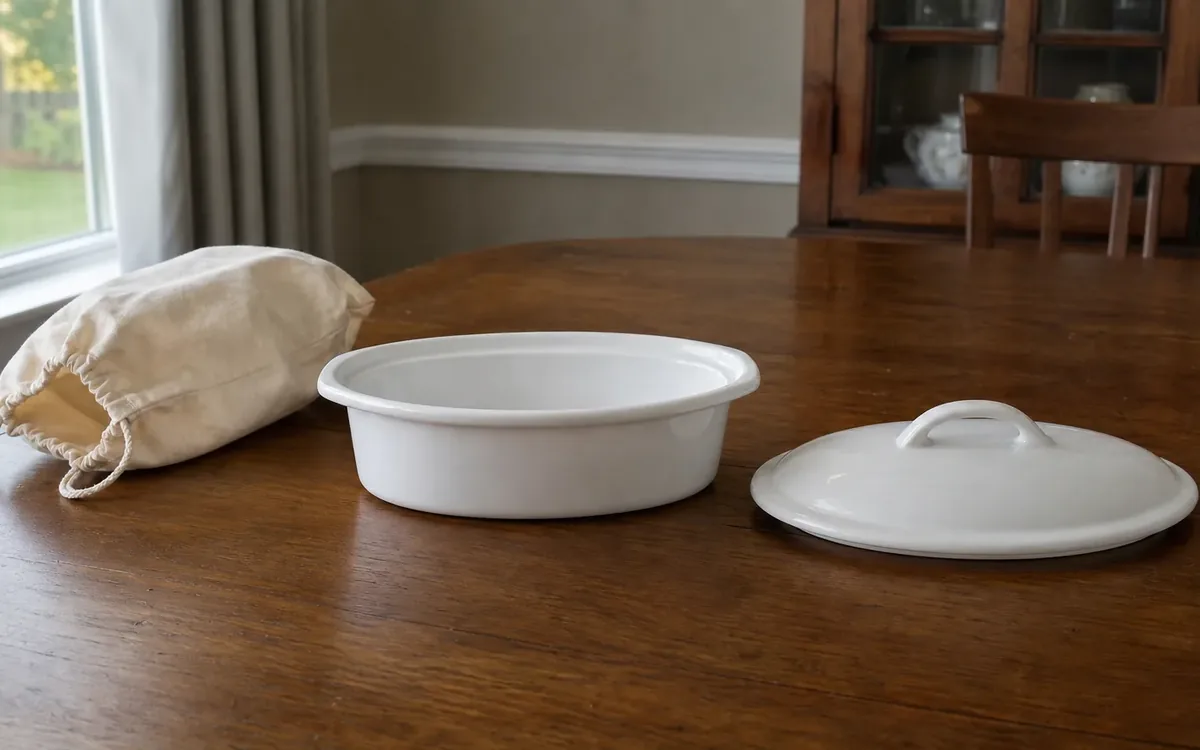
Check matches through the item’s manual or readable model details. A clear purchase record can also check a match. Reliable knowledge of its use can check matches too. Organizing household replacement parts can help with unassigned pieces. Planning the household move keeps known parts with traveling objects.
Start with evidence already on hand. A labeled pouch may explain how pieces relate. An old photo showing their use may also help. Write down what that evidence shows. “Case pictured with camera” gives a more useful description. “Probably camera stuff” helps less when several people sort.
A matching brand name alone may leave questions unanswered. Different models can use different parts. The manual or model details may not settle things. If they do not, leave the match open. Whether pieces work together may affect safe use. Ask the manufacturer or a suitable specialist for guidance.
Keep the doubt visible. Label the piece with the possible item and the reason for doubt. Do not describe it as compatible on a box label or transfer note. An honest unknown prevents a guess from becoming accepted fact.
Electrical checks and technical repairs belong with responsible specialists. Sorting for a move should not require risky checks. Do not rely on testing an unfamiliar connection. Do not rely on taking an object apart.
Should you keep, transfer, or hold an unknown match?
Keep known parts with items you will use. Transfer them with items that leave your home. Hold pieces with unclear matches for later review. Help with downsizing decisions supports choosing what to keep. Estate cleanout planning can help organize what leaves. It helps keep track of related pieces too.
Make the decision for the main item first. The item may leave without another planned case use. In that situation, keeping its case makes little sense. You might send an item away but keep its part. Keeping that item’s own part may reduce the transfer’s value.
| Choice | When it applies | Decision checkpoint |
|---|---|---|
| Keep together | The item is moving and the accessory has a confirmed role | Record the pair before packing |
| Transfer together | The item is leaving and the accessory belongs with it | Confirm the recipient and bundle before handoff |
| Hold for review | The match or destination is unclear | Resolve before packing or record a separate review box |
An unknown match is a decision still open. Name a person who will review the piece. This could be the home member who used it. Record the evidence needed to settle it.
The answer may remain unclear when packing begins. Keep the piece separate and describe what remains unclear. An approaching move does not check a part’s match. Do not treat an unclear match as known. Its eventual next stop can remain open without confusing the rest of the shipment.
How should you label accessories that cannot share a box?
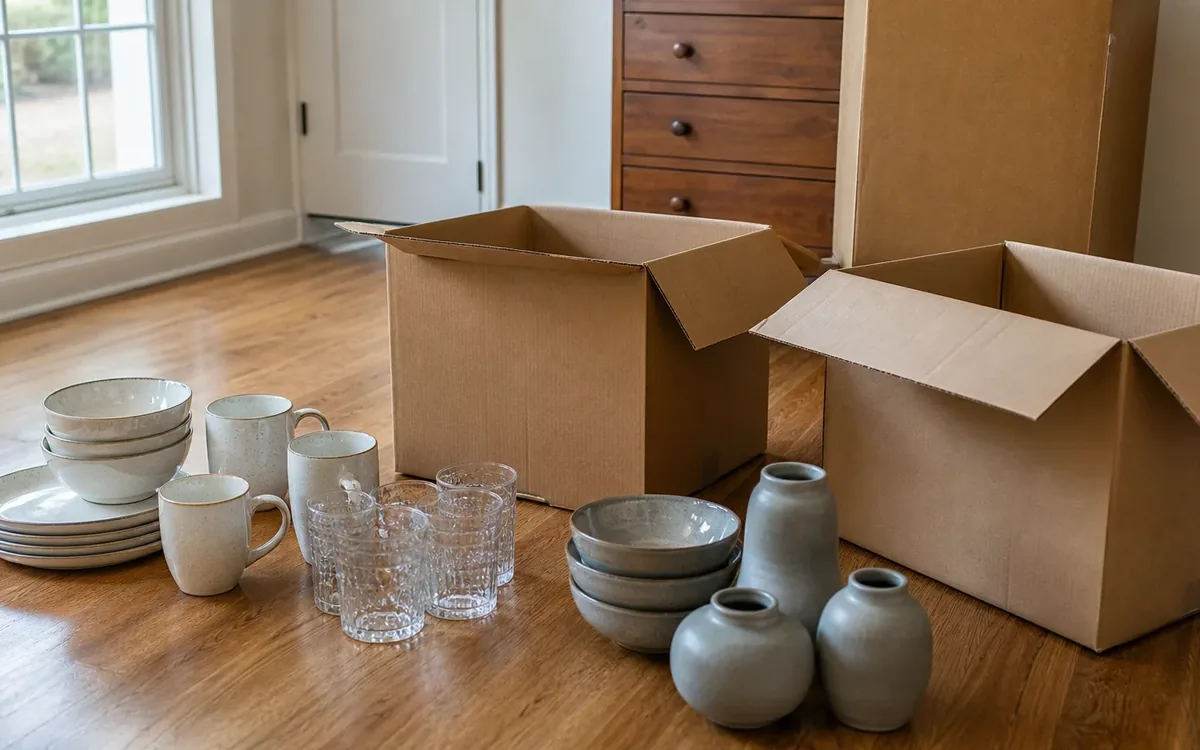
Parts may need separate packing but still stay linked. Labels and records can keep those links clear. Coordinating the move helps track those links across boxes. Organizing before downsizing helps reduce labels with unclear meanings. Those labels leave the receiving home guessing what belongs where.
Use a short, unique item name or number. “Dining serving dish 02” is clearer than “kitchen extras.” Put that same name on the main item’s record. Use it on the part package as well. Add the next stop room and the other package’s box number when known.
Labels should answer these three questions about each piece. What is it, and which item does it belong to? Where is the item that goes with it packed? A label can keep a useful link through unloading. Name the piece as “Serving dish 02 lid.” Add “dish in box 18” and “dining room.” A box marked only “lids” loses that connection.
Keep labels on packaging rather than on delicate surfaces. Packing choices should account for the object’s condition and handling needs. Sharing a box is not required when pieces could damage one another.
A photo can support the written record, especially for objects with similar names. Keep the photo tied to the same item ID. Let the people who will unpack access the record. Do not leave the sole copy on one person’s phone.
What order keeps the sorting and packing manageable?
Start with the main item, then check its parts. Check their next stop before you pack either one. Move management support can help coordinate that sequence. Downsizing and organizing support helps settle ownership and use choices. Settle these before boxes hide links you must keep.
A repeatable sequence reduces backtracking. Finish one item group before spreading several similar groups across a table. Record parts now for items still in use. Leave a clear packing note for later use.
- Name the main item and record whether it will move, transfer, or remain undecided.
- Gather its known parts and check each link using on hand records or reliable knowledge.
- Set uncertain pieces apart with a note that names the possible match and unanswered question.
- Assign package identifiers and record any parts that will travel in separate boxes.
- Check the record against the packed group before closing boxes or completing a handoff.
This sequence can suit home moves in Charleston, SC. It can follow the rooms as they are packed. The business is based in Mount Pleasant, SC. Its service area covers all of South Carolina. The same item records remain useful for nearby homes. They also help elsewhere within the same state.
Choose one person to maintain the master record. Other people can help sort and pack items. But notes that disagree can hide the current choice. Update the record whenever an item’s next stop changes.
What information should travel with an item being transferred?
Send known parts with items that leave the home. Include plain notes about anything missing or unclear. Sorting matched sets before an estate sale covers sale groupings. Estate cleanout support can help organize home transfer choices. This can help during a larger home change.
The transfer note should describe what is actually included. Name the main item and each part, using readable model details where on hand. State an open match plainly. Several related pieces do not prove a bundle’s completeness. Do not imply it is complete on that basis.
Keep the note with the package and in the home record. When pieces travel apart, name each package. The person receiving the item should find its companion. They should not need someone’s memory of its box.
Ownership questions belong with the people authorized to decide them. A sorting label does not establish ownership or settle an estate dispute. Legal and appraisal questions should go to the responsible professionals.
Once the handoff is complete, mark the item as transferred in the record. This prevents someone from searching for it while packing the remaining home. It also helps show why a piece stayed behind. A part may have been left behind by mistake. Another piece’s match may never have been known.
How do you check accessories when they reach the next home?
Check arriving parts against the record for each item. Do this before discarding packaging or mixing rooms’ boxes. Planning the move and arrival links packing choices with unpacking. Organizing the new household helps find useful homes for parts. First, locate the main items for those known parts.
Start with items needed for ordinary use in the new home. Find the main object, read its record, and locate the listed packages. Check that the part labels agree. This is a packing check, not a technical inspection. It does not prove an unfamiliar item is safe.
If something is missing, search by the item ID and package number. Check the transfer record before opening unrelated boxes. A piece may have traveled in a separate package. It may have stayed with another home member. It may have left with an item whose next stop changed.
Keep an open part apart until its link is clear. Avoid putting it in a general storage drawer. Its label and context may get lost there. Record where it is waiting and who will review it.
Once the pair is known, choose storage that supports its next use. A case may stay beside the main item. A fragile companion may need its own protected space. The useful outcome is a known location and a clear link.
Which item guides should you use for specific decisions?
An object’s parts, shape, or purpose may raise specific questions. Use the guide that matches that particular object. Household organizing support can help coordinate those choices. Move planning support can carry those records into packing. It also carries them into transport plans and unpacking. Those records support unpacking at the next home.
These resources address distinct object decisions. Keep each guide with the matching item’s record. The person sorting that object can consult it directly.
- Use How To Sort Camera Equipment Before Downsizing when reviewing camera equipment for the move.
- Consult How To Downsize Mixing Bowls Before A Move before choosing which bowls will move.
- Read How To Downsize Decorative Vases And Planters when deciding which decorative containers will stay.
- Use How To Sort Appliance Attachments Before A Move when reviewing attachments associated with home appliances.
- Consult How To Sort Estate Flatware And Serving Pieces when working through estate dining items.
- Read How To Sort Candleholders Before A Household Move when grouping candleholders and their known loose pieces.
- Use How To Downsize Umbrellas And Walking Sticks when deciding which of those objects to retain.
- Consult How To Sort Decorative Cushions Before Moving when matching cushion covers and inserts for the move.
- Read How To Plan Folding Table Storage Before A Move when deciding where folding tables will belong.
What other questions come up about moving accessories?
Most part questions come down to evidence and next stop. They also need a record others can understand. Support with household sorting can help settle those choices. Support with move coordination helps keep known links clear. Those links stay clear between old and new homes.
Should every accessory go in the same box as its item?
No. Keep the link clear even when separate packing is right. Pieces may need different protection or may not fit safely together. Give both packages the same item ID and record their box numbers. The person unpacking should easily find each piece. They should not need memory or open every box.
What if several similar items could use the same accessory?
Leave the match open until on hand evidence settles it. That evidence must name the correct matching item. Or it must check the pieces work together. Similar appearance is not enough. Check readable model details, existing manuals, or reliable records. If a specialist is needed, keep the piece labeled for review. Do not assign it to whichever box happens to have room.
Should an unused accessory still move with the item?
An unused part can stay with its matching item. Its role must be known before you keep it. There must also be a clear reason to keep it. Consider the item’s use in the next home. Check whether its part will remain easy to reach. If it will leave, write down that choice. This keeps its absence from seeming like a packing error.
What should you do with an accessory found after a transfer?
Compare the part with the item’s transfer record. Check the link before contacting the person receiving it. The part may belong to the transferred item. If so, arrange a suitable handoff with those involved. If the match remains uncertain, explain that doubt. Update the record after you make the choice. This keeps later sorting from reopening the same question.
Can a packing record show that an item is complete?
A packing record shows which pieces were identified and included. It does not establish technical completeness, condition, authenticity, or value. Describe observed contents and open questions accurately. Some questions go beyond the scope of home sorting. Let the right manufacturer, appraiser, or responsible specialist answer. Keep their conclusions separate from assumptions made while preparing the move.



