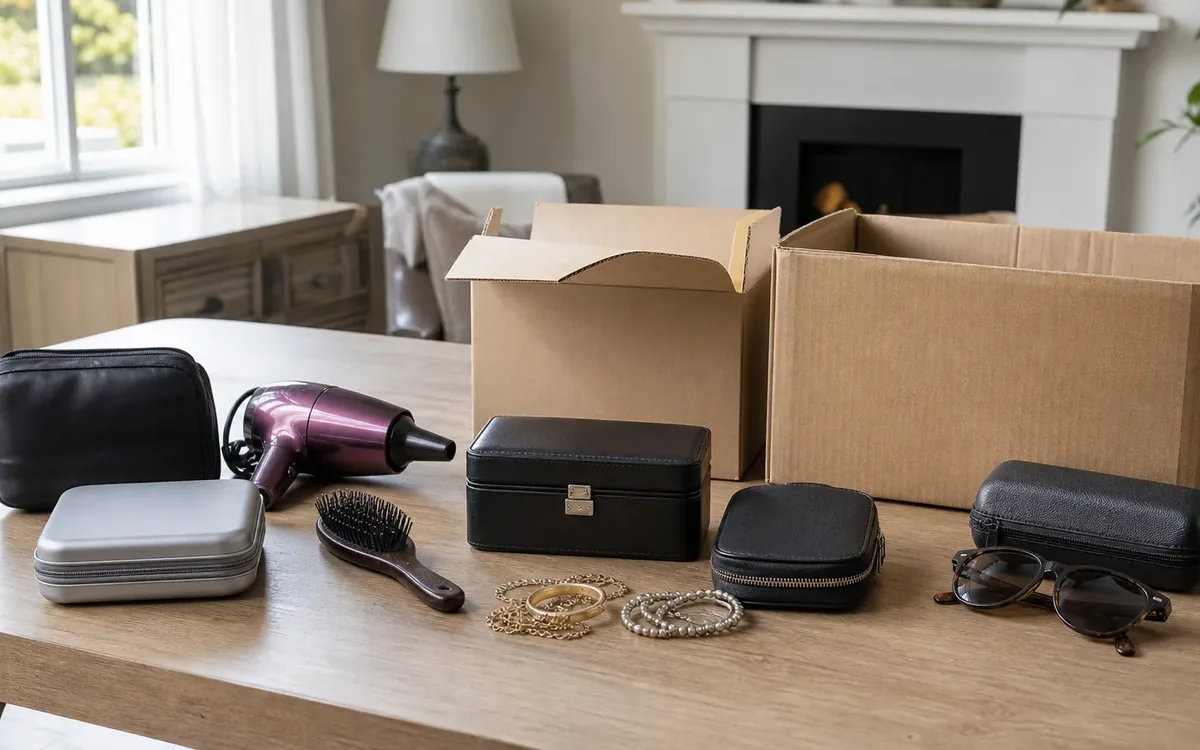
Flat-pack furniture needs an item record before your next move. Save model details and ask what services your provider offers. For a Goose Creek, SC household, start with room fit and cost to replace it. The model’s maker or chosen provider decides the method. The household does not choose the handling method.
Quick answer: Start with the piece’s model, planned room, and cost to replace it. Save visible photos without moving parts or testing the furniture. Ask the provider to document the service they’ll accept. Use that response, access details, and your budget to decide what belongs on the move inventory.
Can Flat-pack furniture safely make another move?
Use the move management service overview to frame your move plan. Browse the home-transition resource library for related household guidance.
A piece belongs on your shortlist when it meets a clear household need. Record its room now, model, and planned room without testing it. Compare its listed size with the new room’s free space. Even a valued piece may cost too much to move when access or service needs change.
Start with an item entry for each piece of furniture. Include its maker, model, and room now when known. Save photos from views already available without moving the item. Add the date bought or receipt if you still have it.
Record concerns you’ve already noticed without trying to reproduce them. Keep your notes separate from the provider’s notes or decisions. Include the date and a plain description of each concern. Don’t test, adjust, or assess the furniture’s safety yourself.
The family can choose what it wants to keep. That choice should follow a clear look at condition. It doesn’t replace the mover’s judgment about safe handling. Nor does it settle questions about repairs or safe use.
Check these points before putting the piece on your move list:
- List each piece’s maker, model, room now, and planned room in your home item list.
- Save visible photos and existing sales records without moving parts or testing the furniture.
- Record missing documents and already noticed concerns for the provider’s review before booking services.
- Note the new room’s free space and share doorway details with your move provider.
- Keep written service plans beside the item record so everyone receives the same information.
A desk with a reported concern needs a clear item note. Describe what you already noticed, without testing it again. Include any past service records and the provider’s written reply. Packing confirmation is separate from a qualified provider’s choice about the item.
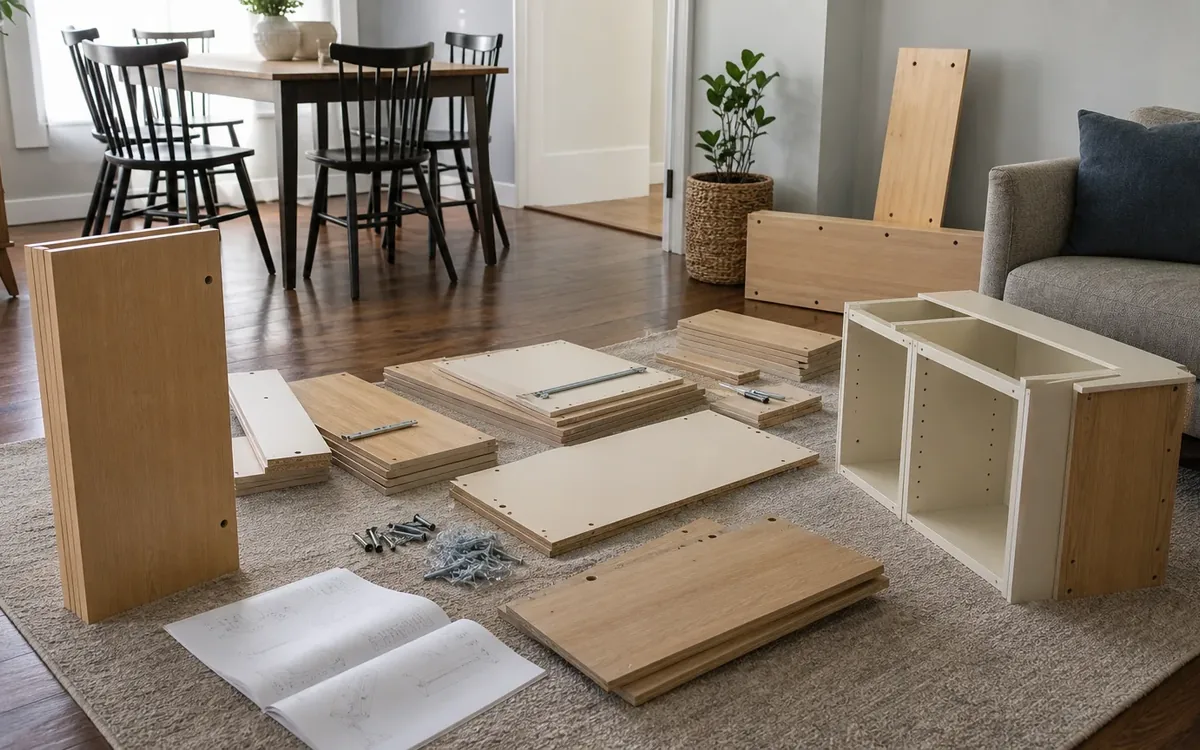
What do the joints and maker’s instructions tell you?
Read the move management planning overview and the household transition articles. Use them to plan, and follow the maker’s guide for the piece.
Model records help the move team identify the furniture and service needs. Keep the product name, model number, receipt, and maker’s documents together. Note known missing parts without searching inside the furniture. Send these details before booking. The move team can then confirm the scope and flag open questions.
Furniture records may include several names for the same product. Copy the model name from your receipt or existing documents. Keep each photo under the same item number. This helps the provider match your questions to the correct piece.
Record past repairs using receipts or notes you already have. Include the service date and the work listed on those records. Leave unknown details marked as unknown rather than guessing. The provider can decide what further information they need.
Similar-looking pieces may have different model names and service needs. Give each one its own item number and photo folder. Don’t copy a service decision from another item’s record. Ask for a written scope that identifies the exact furniture.
Keep the guide with your move notes. Mark any unclear steps and missing parts. Ask the maker about replacement hardware and approved repair methods. A repair provider should assess work beyond simple steps in the guide.
Keep existing setup records in the furniture’s document folder. Note the property contact and rules for booking service visits. Ask which chosen provider handles this part of the handoff. Keep that appointment separate from the move date. The home records the plans, without choosing or doing technical work.
Should you move it assembled or take it apart?
Start with the move management service page for planning topics. The home-transition blog offers related guides for sorting the wider household move.
Share the item record and access details before asking for a quote. Include door widths, stairs, lift rules, and available appointment times. The exact-model manufacturer or qualified provider decides the method. Your role is to confirm the price, service scope, and booking terms before placing the furniture on the final inventory.
Measure more than the furniture’s widest point. Include handles, feet, and parts that stick out. Check stairs, turns, doorways, and the route to the truck. Share these details with the mover before the item is packed.
Use this five-step decision process:
- Save the maker documents and exact model details in the furniture’s item record.
- Add visible photos and existing service notes without testing or adjusting the piece.
- Record the listed dimensions, destination room, and access details for the provider’s review.
- Ask the mover to confirm acceptance, packaging responsibility, and any limits in writing.
- Record each provider’s role, appointment time, contact details, and required handoff documents.
Ask the provider how they’ll identify any separately packed items. Request a box count linked to the furniture’s item number. Confirm who will supply labels and record the contents. Keep that packing record with the booking and delivery paperwork.
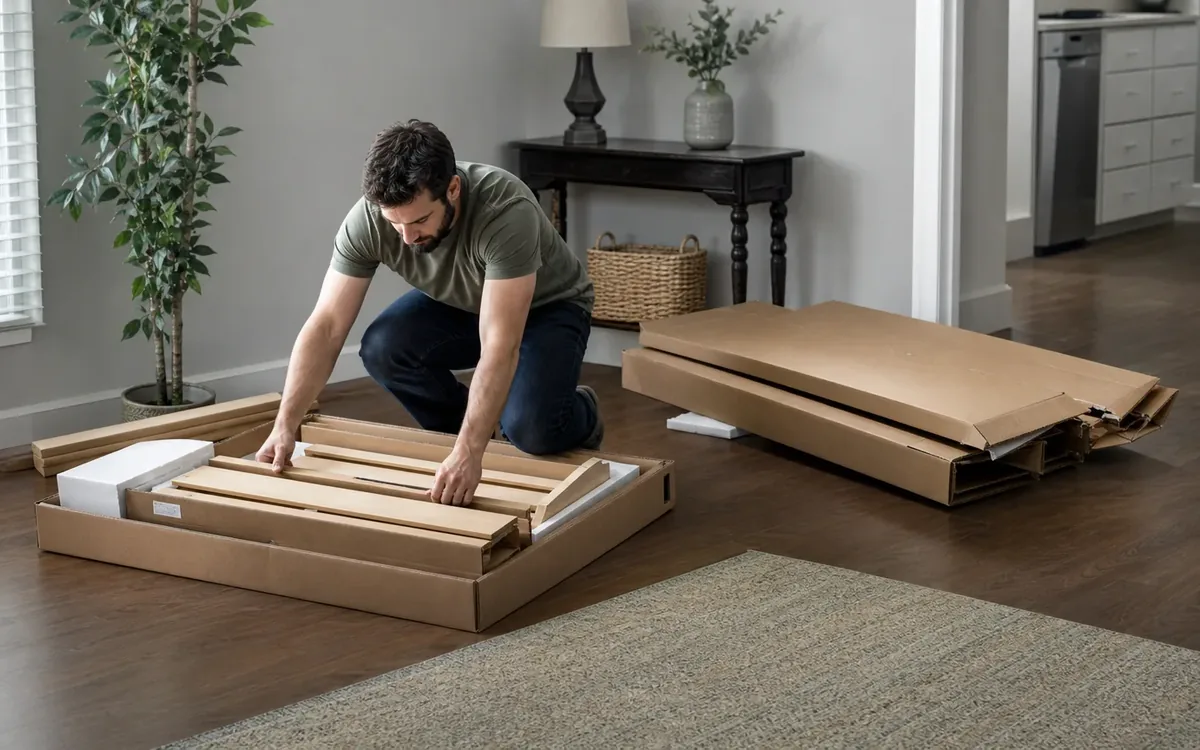
Check the mover’s South Carolina handling requirements
Use the move management planning service to organize home choices. Keep the home-transition resource hub handy for broader sorting and move questions.
For a household move within South Carolina, ask the mover about each fragile piece. Share photos, measurements, and known damage before they assess it. Confirm handling terms in writing where possible. The household decides what it hopes to move, while the mover decides what its crew can accept and handle.
Describe the piece by model and room instead of calling it sturdy. Report concerns you’ve already noticed in plain, factual terms. Attach past service records and any existing photos. This gives the provider useful context without asking you to diagnose the item.
Ask how an assembled piece would be supported during lifting. Ask what happens if access proves too tight. Find out who handles disassembly and reassembly, if offered. Don’t assume those tasks are included in transport or move planning.
Use these questions during the mover’s assessment:
- Ask the mover to confirm acceptance after reviewing the model record and access details.
- Request written confirmation of who supplies packaging and records the final box count.
- Confirm which qualified provider owns any exact-model service outside the mover’s agreed scope.
- Ask how existing damage reports and visible photos should accompany the move paperwork.
- Request the contract terms that apply if this furniture suffers damage during transport.
Read the mover’s written terms rather than relying on broad assurances. Ask them to explain any limits you don’t understand. Coverage and claim questions belong with the mover and relevant provider. Legal advice should come from a qualified legal professional.
Clutter Cleaner of South Carolina offers move management across South Carolina. Its physical business location is Mount Pleasant, SC. Charleston, SC is its main market. A planning discussion may cover sorting, priorities, and move tasks. Confirm the scope. Do not assume it includes transport or furniture repair.
Compare reuse with replacement and other choices
Review the move management service overview to separate planning from transport decisions. The estate cleanout planning guide can help when furniture choices form part of a larger household clearout.
Reuse makes sense when the piece is sound, useful, and suited to the next home. Replacement may make sense when repairs are uncertain or the fit is poor. Compare real costs and effort for both choices. Keep storage, sale, donation, repair, and disposal as separate decisions with their own providers.
Start with the role the piece will serve. A large shelf may have worked in the old room. The new room may need lower storage or clearer paths. Keeping it without a purpose can shift clutter rather than solve it.
Get current figures from the providers involved. Ask about transport, needed repairs, parts, and any assembly help. Compare those figures with a suitable replacement’s full cost. Include delivery and assembly if those charges apply. Don’t use a purchase price alone as the comparison.
Storage adds cost and another handoff to the furniture’s record. Ask the storage provider about acceptance, access, terms, and booking dates. Confirm packaging responsibility and the plan for later collection. Record the reason for storage and a date to review that choice.
For unwanted furniture, check the receiving party’s rules first. A charity may decline damaged or incomplete items. A buyer needs an honest account of known defects. Disposal rules belong with the local authority or chosen waste provider. Don’t assume a cleanout or move service includes every disposal option.
Sentimental value matters and needn’t match a resale price. If a piece may be collectible or valuable, ask a qualified appraiser. A move team can help track the item. The appraiser alone gives the appraisal.
Turn the decision into a clear handoff
Use the move management service information to plan who owns each task. The guide to how estate cleanouts work gives useful context when several people must agree on belongings.
A clear handoff names the furniture, chosen method, and person doing each task. Keep photos and hardware notes together so nothing relies on memory. Set aside doubtful pieces before packing begins. This lets the household and providers resolve concerns without making rushed choices while the home is being emptied.
Give each piece a simple status: move, review, or leave. Mark it on your room plan or item list. Avoid vague notes such as “probably fine.” Name the unresolved issue and who must answer it.
A useful furniture record should include these details:
- Save available photos, model details, existing damage reports, and service records in one folder.
- Keep the provider’s written scope and box count beside the furniture’s item entry.
- Name the contact responsible for documents, delivery records, and any qualified service appointment.
- Record the intended room and access concerns raised by the mover before delivery day.
After arrival, check the delivery record against the agreed box count. Note visible delivery differences without testing or adjusting the furniture. Save the move team’s final notes and any open questions. The maker or qualified service provider decides readiness within its agreed scope. Receiving the delivery does not mean the household has checked safety.
The chosen contractor handles contractor work. Home inspectors and real-estate professionals handle advice in their fields. The responsible authority makes building or compliance rulings. The family can set priorities. Those choices do not replace expert checks.
FAQ
See the move management service overview for planning scope. Browse the home-transition guides for related home choices.
Can I move a bookcase with its shelves full?
List books and other contents separately in your home item list. Ask the move team to confirm that plan before moving day. Note who supplies boxes and who packs those belongings. Add any separate packing charge to your budget. Leave furniture service plans to the model’s maker or chosen provider.
Is a loose screw enough reason to replace furniture?
A reported loose screw belongs in the item’s concern record. Don’t tighten it, test it, or judge the cause yourself. Send the model details and any existing photos for review. Compare the provider’s written service cost with replacement and transport costs. Keep open questions visible in the booking record.
What if I can’t find the assembly instructions?
Look for a model label and contact the maker. Clear photos may help identify the piece and correct guide. Don’t use instructions for a similar-looking item without checking the model. If key steps remain unclear, pause disassembly. Ask a suitable provider to assess the item before choosing another method.
Can a move team decide what furniture I should keep?
A planning team may help compare fit, condition, and family needs. The household makes the keep-or-release choice, subject to any legal limits. A mover can decline unsafe handling. An appraiser assesses value when needed. Each role is distinct, so ask who will answer each question before assigning the task.
Should I save hardware from furniture I’m leaving behind?
Give the recipient the model details and available maker’s documents. Include existing service records and note known concerns. Do not claim the furniture is safe. For disposal, confirm what the pickup team accepts and how to book. List already separate packages in the handoff record. Mark their contents as known or unknown.