
Read the notice for your home
Write down the office, home address, listed problems, contact, dates, and case number. Work from the full notice, not a summary from memory.
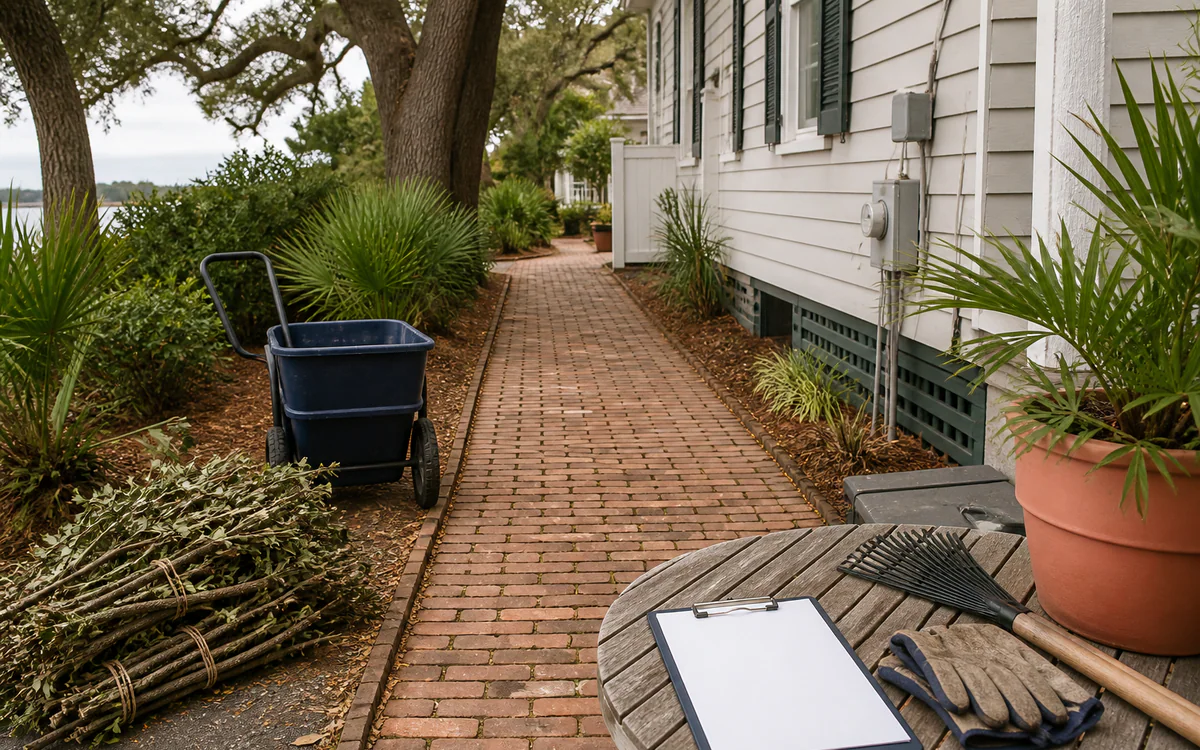
Practical cleanup coordination for property conditions identified by a public code or property-maintenance department.
Code compliance support helps a property owner organize cleanup work around the notice they received. It does not replace the issuing department, legal advice, or an official inspection decision.
It is hands-on help with cleanup named in a public notice. Clutter Cleaner can help organize the work. The public office still explains the rules, dates, proof, follow-up visit, and final decision.
A notice about your home can feel urgent. Read the full notice first. Find the office and contact named on it. Keep questions for that office apart from the cleanup you can safely plan.
Clutter Cleaner can help plan the cleanup the owner agrees to in the estimate. Do not guess about unclear words, dates, appeals, permits, proof, or a follow-up visit. Ask the office named on the notice or a lawyer when needed.
Our South Carolina team serves homes across the state. Each city or county may use its own office and steps. Follow the notice for your home. Do not use directions from another area.

This service may help when a notice names cleanup concerns, several jobs need a clear order, or the owner is caring for the home from another part of South Carolina or out of state.
The owner must talk with the public office and learn what it needs. Clutter Cleaner can turn confirmed cleanup items into assigned jobs. We can also help plan home access and record the agreed work.
Do not wait for a cleanup team to interpret a notice that is unclear. Contact the named office first. A short written list of confirmed items and open questions will make the first call more useful.
You can begin with the most urgent concern. The rest can be sorted during the conversation.
The plan can list confirmed cleanup jobs, their order, home access, outside help, and work records. It cannot explain the law. It cannot take the place of the public office or its follow-up visit.
Write down the office, home address, listed problems, contact, dates, and case number. Work from the full notice, not a summary from memory.
Ask the named contact about unclear words, due dates, more time, appeals, permits, proof, visits, or access. Keep written answers with the owner's records.
Group each confirmed cleanup job by area and next action. Name who will do it. Put repairs or skilled work on a separate list.
Follow the agreed order and home rules. If you find a new problem or receive new directions, stop that task. Ask the owner and public office what comes next.
Keep dates, names, agreed work, photos, and receipts. Ask the public office which records it needs and how the owner should send them.
The public office makes the official choices. Clutter Cleaner helps with the agreed cleanup. Keeping those roles apart protects the owner from a wrong reading of the notice.
Bring the home address, full notice, stated date, named contact, entry notes, and any answer you received. Do not send private legal or money records through the form.
List each open question about words, dates, proof, a visit, an appeal, or a permit. Ask the public office or a lawyer. Do not treat a guess as an answer.
Confirm the cleanup jobs, areas, entry needs, limits, and outside help in the estimate. The estimate cannot promise what the public office will decide.
Complete agreed jobs in the planned order. If the home differs from what you discussed, stop that work. Ask if the owner or another team must act.
Give the owner the work record from the agreed cleanup. The owner then follows the public office's directions for proof, contact, a visit, or another official step.
Bring the full notice, home address, named office and contact, dates, case number, entry notes, and any written answer. Make one list of confirmed cleanup jobs and one list of open questions.
Use every needed side and attachment, not a cropped photo or spoken summary. Keep the original safe. Share only what is needed to discuss the cleanup.
Write down the office, contact name, case number, due date, and planned call or visit. Ask that office about changes. Do not assume you have more time.
Note gates, keys, parking, rooms in use, pets, building rules, and anything that may affect safe entry. Do not send alarm codes or private details through the form.
List any contractor, hauler, yard crew, repair pro, lawyer, or adviser already involved. Confirm who owns each job and which contract applies.
Translate the cleanup items in a public notice into a trackable plan while keeping the issuing office in the loop.
Use the checklists at your own pace, then bring any open questions to your estimate conversation.
See all compliance support toolsList tasks, questions, responsibilities, and the stated deadline.
Open the plannerKeep a practical record of contacts and completed work.
Open the checklistThese answers can help you prepare. Your written estimate should still define the work, limits, and responsibilities for your household.
Cost depends on the confirmed jobs, home condition, access, amount of cleanup, outside help, and work included. Ask the public office your official questions first. Then request a call and written estimate.
No. It is hands-on cleanup planning. Ask the public office about the notice, due dates, appeals, permits, proof, and official steps. Ask a lawyer about legal rights.
No. Only the public office can decide if the home meets its rules. Clutter Cleaner can manage agreed cleanup, but we cannot promise how that office will judge the work.
Start with the office and contact named on the notice. Ask for an answer in writing so you can keep it. If the question affects legal rights, ask a lawyer.
Keep the notice, names, dates, written answers, contracts, receipts, photos, and work record. Ask the public office which records it wants and how to send them.
Yes, when the owner, local contact, access, and approval steps are clear. The owner must still talk with the public office and handle each official follow-up.
The compliance support planning tools can help organize what you already know, while the South Carolina service-area guide explains statewide coverage. You have also seen what the service can address, how the process works, what to prepare, and where the boundaries sit. Share the property location and the next decision creating pressure.
The South Carolina team can use those basics to begin a practical conversation. You do not need a finished inventory before reaching out.
Share the basics. A real conversation can sort out the rest.
You're asking about Compliance support.

By submitting, you agree that Clutter Cleaner of South Carolina may contact you about this request. Please do not include financial, legal, medical, identity, or other sensitive records. See our privacy policy.
The form could not load. You can still speak with the South Carolina team.
Call (843) 972-7020Share the property, the people involved, the known date, and the decision that feels stuck. You do not need to have everything figured out before you call.
Clutter Cleaner of South Carolina helps households throughout all of south carolina, with each conversation centered on the property, people, and next decision involved.
Call (843) 972-7020