
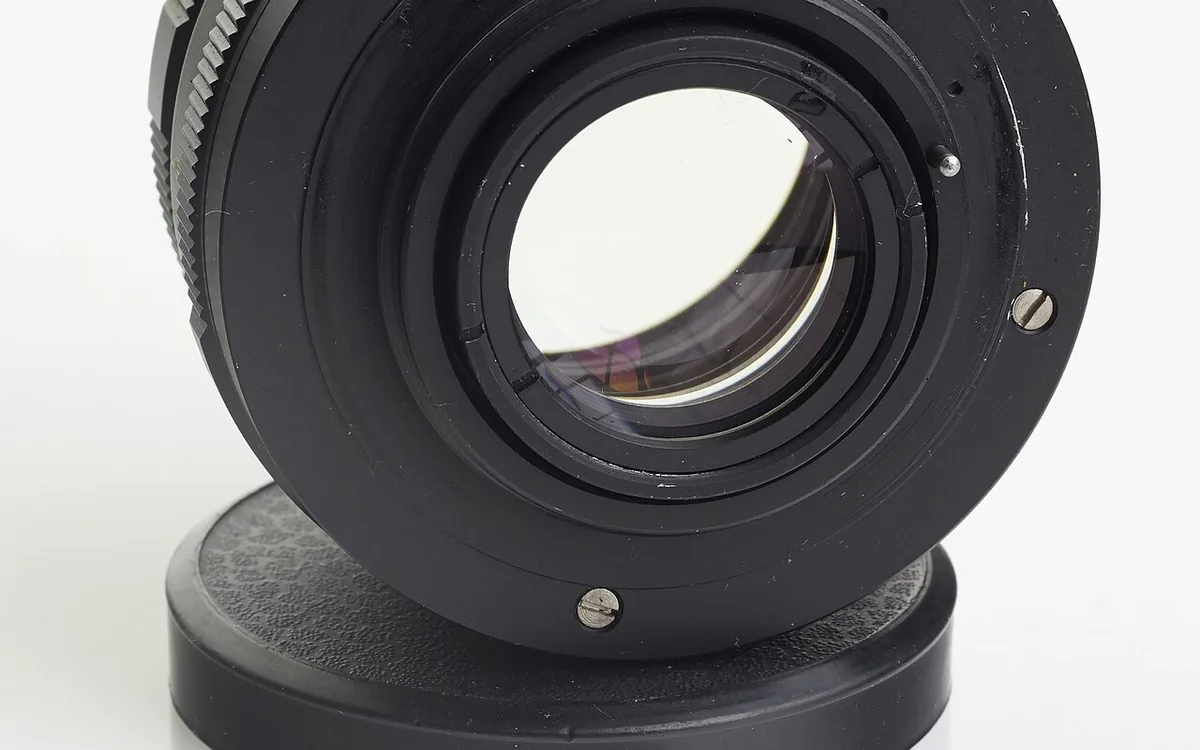
Sort camera equipment by the photos you still want to take, then group each camera body with its confirmed lenses and essential accessories. Keep a usable kit that fits your next home. Set aside unknown parts, separate personal images, and decide where surplus gear will go before packing.
The EPA’s home reuse and recycling tips explain ways to reduce household waste. Keep useful items in good shape, and check where they can be reused before you discard them.
Keep the object-specific choices with your household accessory matching plan, so loose pieces reach the same destination as the item you keep.
Which Camera Equipment Should You Keep for Actual Use?
Keep camera equipment that supports a hobby you still enjoy and fits the space in your next home. Downsizing and organizing can help you sort belongings around those choices, while planning the move helps connect your retained kit with the space where you will use it.
Start with your habits rather than the size of your collection. Think about the last times you chose a camera over your phone. Family portraits, walks around Charleston, and trips may call for different gear. Name the things you want to keep doing. Leave vague future interests out of your space plan.
A useful test is to describe each retained item’s job. A camera body may serve as your everyday choice. A lens may cover the kind of photos you enjoy most. A second body needs its own clear purpose, such as a distinct hobby or a backup you use.
Use these rules to make the first cut:
- Keep a body when you can name a real use for it in your next home.
- Keep a lens when it suits that use and you have confirmed it works with a body you will keep.
- Keep a spare when you know why you need it and have room for it.
- Place uncertain gear in a review group with a specific question attached.
Past spending can make these choices hard. It does not tell you how much space an item deserves now. You can value the years spent taking photos without keeping every tool that helped you do it.
How Do You Match Camera Bodies With Compatible Lenses?
Match bodies and lenses through exact model details and reliable compatibility information. Shared brand names alone should not settle the question. Help with sorting and organizing can structure the inventory, and an estate cleanout overview explains the broader process when an inherited collection needs the same careful grouping.
Give each body a simple label, such as Body A. Record its brand and full model name from the markings you can read. Photograph those markings for your private inventory. Give each lens its own label and record its full name too.
Use the manuals you already have or ask a qualified camera specialist to confirm which pieces work together. Do not force a lens into place to settle a sorting question. If a setup relies on an adapter, note the exact adapter as part of that kit.
Once the match is confirmed, keep the records together. Your list might say that Lens B belongs with Body A and requires Adapter C. That note is more useful than a box labeled only with the camera brand.
An unknown lens should remain visible in the review group. Write down what is missing: a model you cannot read, a lens match, or the body it once served. Assign the question to someone who can resolve it before the item is packed or passed along.
A lens may seem like surplus on its own, yet be the one you use most. Make the keep decision once you know its role.
Which Accessories Belong With Your Smaller Camera Kit?
Keep the parts you know you need for the camera kit you plan to use. Loose items should earn their place through that connection. Organizing a smaller household can help separate useful parts, while move management can bring those groups into the packing plan.
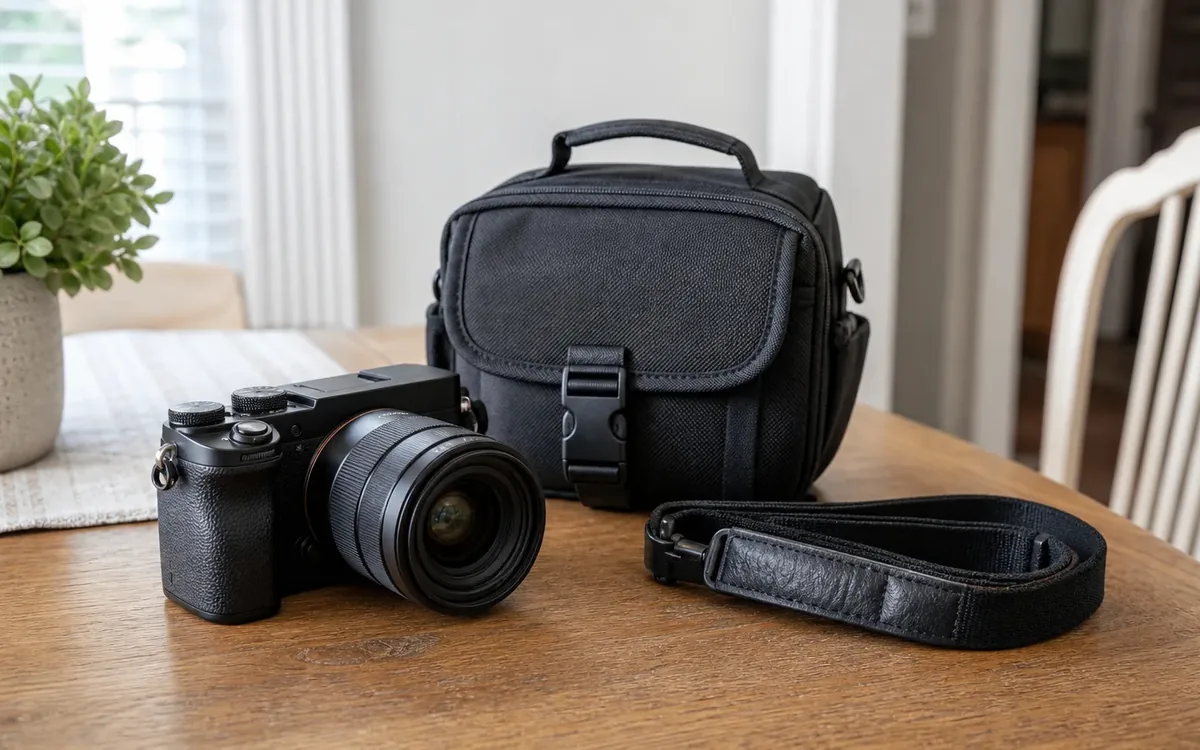
Spread out the loose parts without testing or altering them. Camera bags often hold chargers, straps, caps, cables, filters, and manuals from several systems. A familiar-looking plug or similar shape does not prove that an item belongs with your chosen body.
Label the purpose you can confirm. A cap protects an item you plan to keep. A strap belongs to a body you still use. A manual supports a camera in your keep group. Leave unknown chargers and cables for a qualified specialist to check.
Compare duplicate bags by how you use them. One may suit a short outing, while another holds a larger kit you no longer plan to carry. Judge each bag with its intended contents inside so empty pockets do not create a false sense of space.
A tripod also needs a purpose and a place. If you still use one, account for its folded size in your next home. If several serve the same task, choose based on your actual use rather than saving each one as a spare.
Keep each part with its assigned group on your list. These small parts still need room in your kit.
How Do You Choose Between Keeping, Passing On, and Selling?
Choose where gear will go based on future use, a willing recipient, or a sale process you have discussed. Estate cleanout services can fit into the wider home transition, while a guide to planning an estate cleanout helps place camera decisions within the household sorting work.
Do not place everything outside the keep group straight into a sale pile. A relative may want a complete kit. Another person may want one lens. The pieces left behind may need a new decision once that choice is made.
Use this comparison to decide what must happen before each group leaves your care.
| Choice | Best fit | Decision point |
|---|---|---|
| Keep | Gear with a clear use and storage place. | Confirm the kit before packing. |
| Pass on | Gear a named person wants and accepts. | Agree on contents before handoff. |
| Discuss a sale | Gear you no longer need and want considered for sale. | Confirm the proposed process before transfer. |
| Hold for review | Gear with unclear ownership or fit. | Resolve the named question before release. |
If you want items considered for an auction or estate sale, ask what information is needed. A model list and a note of the parts you have can support that discussion. Keep appraisal and value questions with a qualified specialist.
Describe condition honestly. State what you know, what remains untested, and what is missing. Avoid calling a kit complete merely because its bag looks full.
Do not promise gear to two people while waiting on a sale discussion. Give each group one place to go. Change the written plan if that choice changes.
What Should You Do With Personal Photos and Memory Cards?
Treat stored photographs as a separate decision from the camera equipment itself. Identify personal media before any handoff. Preparing for a household move can help keep that decision in the transition plan, and the estate cleanout process offers context when images belong to a deceased relative.
A camera bag may contain memory cards, film, or other media you have not reviewed. Record their presence rather than assuming they are empty. Keep a distinct personal-media group so a choice about a lens does not also decide the fate of family photographs.
For media you own, decide whether you want to keep the physical item, preserve the images, or seek help reviewing it. If you cannot safely access the contents, ask a qualified photo or data specialist. Ask that specialist about safe access before changing or erasing any stored files.
For inherited images, confirm who may make the decision. Family interest alone does not resolve ownership. Ask the responsible estate representative, with legal questions referred to the appropriate professional.
Do not attach private images to a sale inventory. Pictures of the equipment and readable model markings serve a different purpose from the photos stored on it.
A handoff record should make clear whether personal media is included or retained. If you have not settled that choice, hold the affected item apart from ready-to-leave gear. A visible hold label is easier to follow than a verbal warning.
How Should You Sort an Inherited Camera Collection?
Sort an inherited collection by documented ownership, family interest, and confirmed equipment groups before choosing destinations. Support for an estate cleanout can address the household transition, while practical estate sorting guidance helps frame decisions about belongings that carry both practical use and personal meaning.
Ask the responsible estate representative which items may be reviewed and who may approve their release. Keep loaned or disputed gear in a separate hold group. Refer legal questions to the appropriate professional instead of trying to resolve them through the sorting list.
Ask relatives to name the items they want. A request for a certain camera body is easier to review than a general claim on the whole collection. Record the request without treating it as approval to take the item.
A family keepsake does not need to function as your everyday camera. You might keep one meaningful body and release gear that has no personal connection. Give that keepsake a defined place so it does not become the reason every accessory stays.
Ask interested relatives whether they want to use the gear or keep it for memory. A person who wants to take photos may need a confirmed kit. Someone who wants a keepsake may prefer only the body.
Keep these choices separate from value questions. Personal worth and an appraisal answer serve different needs. Neither can be settled by a brand name or old receipt.
How Do You Prepare the Retained Kit for a Smaller Home?
Prepare your retained kit by confirming its contents, assigning storage, and recording the items that travel together. Downsizing support can help you make space for what stays, while help coordinating the move can connect those choices to the household packing and arrival plan.
Choose the storage place before filling the bag. Measure the shelf, cabinet, or closet space you intend to use. Include the bag, tripod, and other cases in that choice. A full bag may still need more room than the shelf allows.
Follow this order to make the final grouping clear:
- Confirm which bodies and lenses remain in the keep group.
- Add only the parts assigned to those retained items.
- Separate personal media and record whether it travels with the kit.
- Mark unresolved pieces with the question and the person responsible for answering it.
- Give each finished group a label that matches your list.
- Review the contents before the group leaves the current home.
Ask the mover or packing professional about appropriate packing for your particular gear. Keep technical handling questions with that specialist. Your role in the sorting process is to make the contents and destination clear.
For a move from Charleston to another South Carolina town, label the room where the gear will go rather than just writing the new town. The person unpacking needs to know where the kit belongs inside the home.
The business is based in Mount Pleasant, SC, with Charleston, SC, as its primary market and a service territory covering all South Carolina. When discussing downsizing or move management, describe the camera collection as one part of your household transition.
What Else Should You Know About Downsizing Camera Gear?
Make the choices still left by checking use, fit, ownership, and personal meaning as separate issues. Help with downsizing decisions can support the household sorting process, while estate cleanout planning may be relevant for inherited gear. Resolve the open questions before placing any camera kit in a move, gift, or sale group.
Should I keep a second camera body?
Keep a second body when it has a distinct role you expect to use and room in your next home. A backup you often rely on may belong in your kit. If the second body serves only a vague possibility, compare it with the gear you already chose and decide whether that use is worth the space.
Can I assume lenses from the same brand will fit?
Do not assume that shared branding confirms lens compatibility. Record the exact body and lens models, then use reliable model guides or a qualified camera specialist to confirm the match. Note any required adapter as a separate part of the group. Until the answer is clear, keep the lens in review. Add it to a kit after the match is confirmed.
What should I do with chargers I cannot identify?
Place chargers and cables you cannot identify in their own review group. Record any readable markings and the camera system they may have served, without listing a guess as a confirmed match. Ask a qualified specialist to identify them. Do not test random pairings just to shrink the sorting pile. Leave unknown parts off the confirmed kit list.
How can I keep a meaningful camera without keeping everything?
Choose the specific camera or piece that carries the memory, then decide where it will live. You can retain a keepsake without keeping every bag, lens, and accessory once stored beside it. If you also want to use the camera, confirm the parts you need for that use. Personal meaning and practical use can lead to different keep decisions.
Should I sell camera gear before or after moving?
Base the choice on whether you can settle ownership, contents, personal media, and the proposed sale process before packing. Gear with an agreed place to go can leave before the move. Unresolved items need a clear hold plan and storage place. Discuss auction or estate sale options without assuming a sale date, price, or buyer.
Photo credits
- Rear Glass and Mount of a Camera Lens: Dmitry Makeev. Original photograph, CC BY-SA 4.0. Cropped and resized.
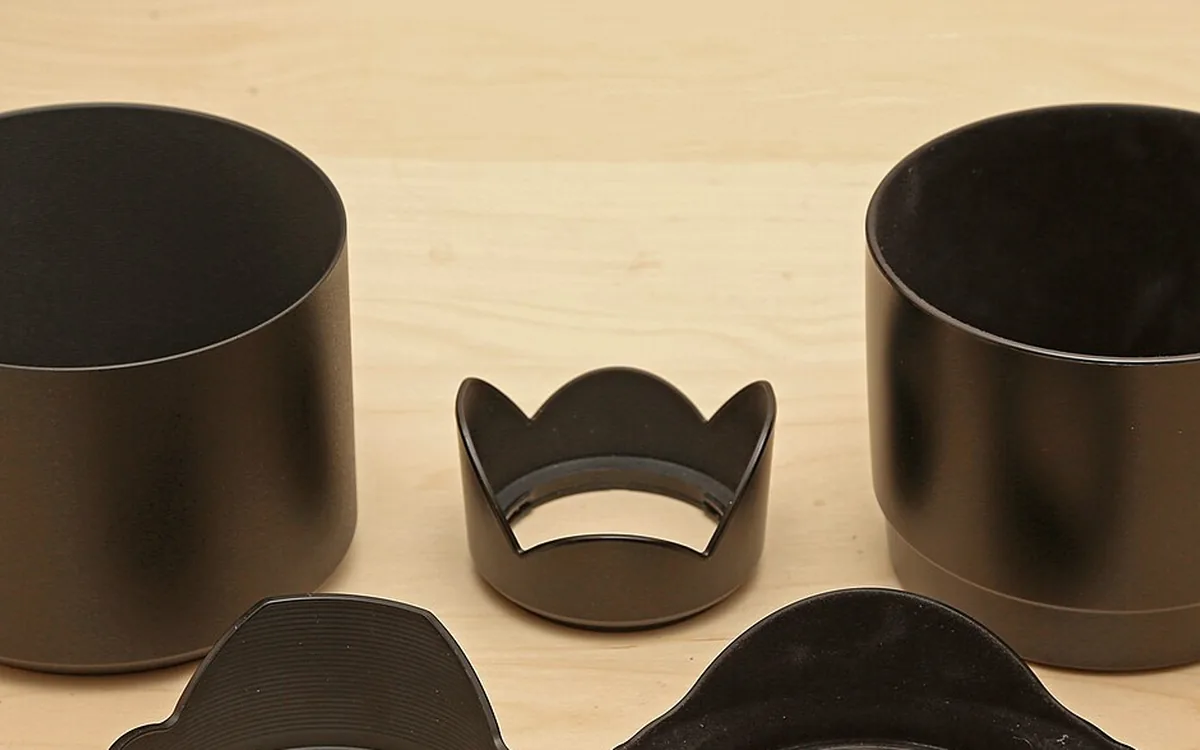
- Black Camera Lens Hoods on a Wooden Table: Geni. Original photograph, CC BY-SA 3.0. Cropped and resized.





