
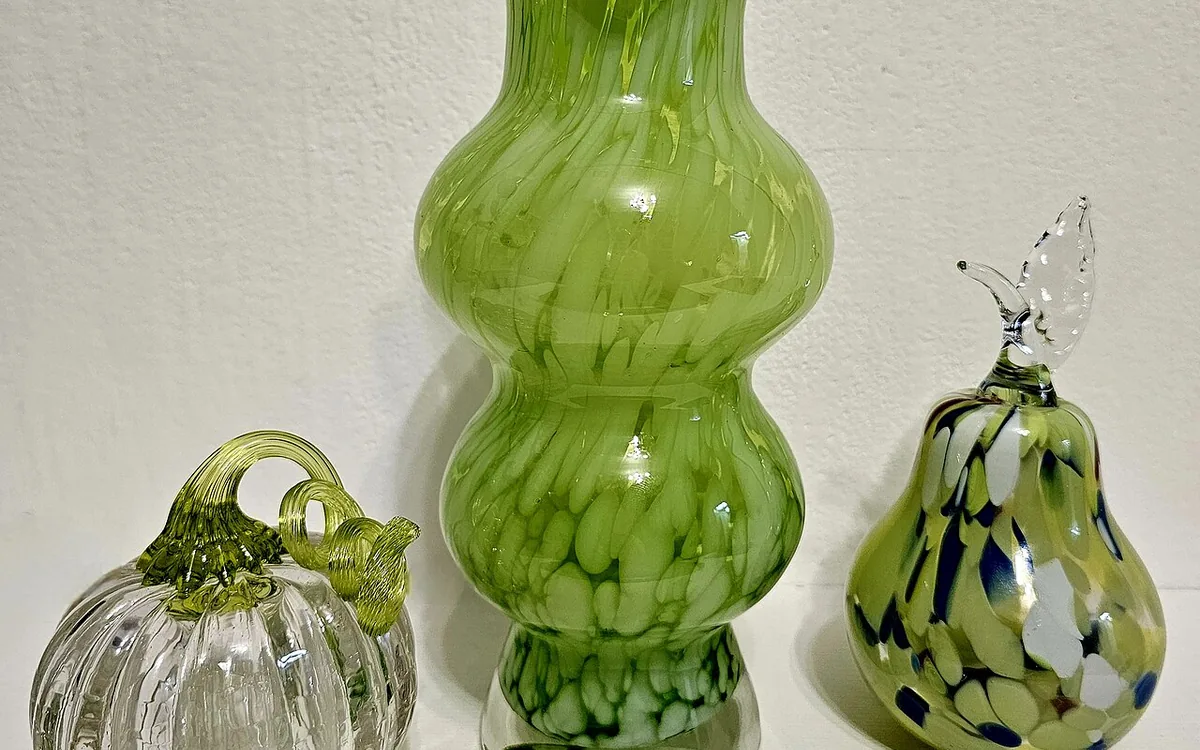
To downsize vases, check your next home’s shelves first. Check the other surfaces you will have there. Keep empty decorative vessels that fit those spaces. They should be sound and suit your chosen pieces. Review duplicates and unused pairs before making choices. Then decide what to pass on, sell, or move.
The EPA’s home reuse and recycling tips explain ways to reduce household waste. Keep useful items that are in good shape. Check where they can be reused before discarding them.
Record each object’s choices in your household accessory matching plan. Send loose pieces where their kept item goes.
How do you downsize vases for your future display space?
Keep vases and empty indoor planters for display. Name their exact spots in your next home. Measure the furniture you expect to use first. Then choose pieces that fit that furniture. Downsizing and organizing can help you make those choices. Move management links your keep list with the planned move.
Start with the furniture that is going with you. A vase that suits a wide console may overwhelm a narrow table. Record each vessel’s height and widest point. Include handles and broad rims when you measure. The base alone does not show total space needed.
Consider how the surface works in daily life. An entry table may need room for keys. A dining table needs usable space around any display. A shelf should allow you to see and reach nearby objects. Leave room for those uses before filling gaps with decor.
Use paper outlines to compare footprints on furniture you already own. Check height against shelf openings or a window view. If you have only a floor plan, note which measurements still need confirmation. A planned spot should be specific enough to test when you gain access.
Moving within Charleston or elsewhere in South Carolina? Judge the room itself at your new home. The address does not tell you what will fit. Give each kept piece a clear place name. Use “living room console” rather than “somewhere downstairs.”
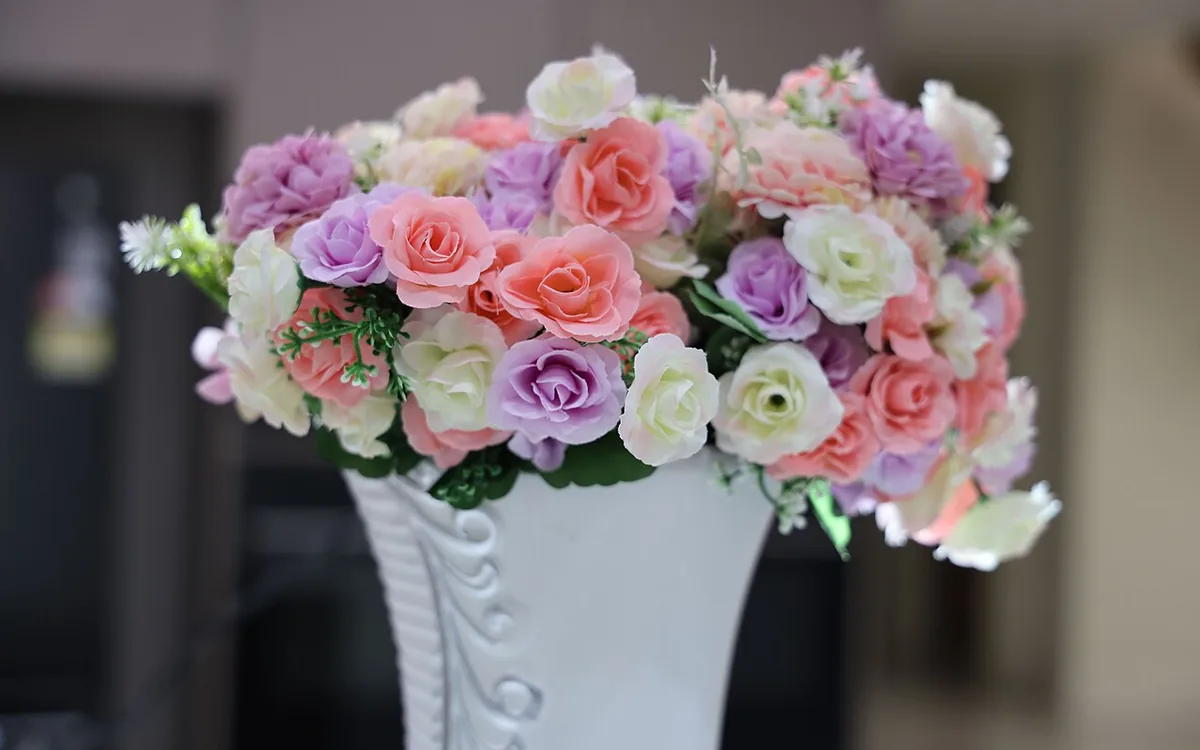
Which empty vessels belong in this review?
Review empty indoor vases, decorative pots, and planters used as household decor. Gather pieces from display shelves and storage for comparison. Organizing support suits this review of your decorative pieces. These items may belong to a larger household transition. Estate cleanouts may be relevant in that broader case.
Keep the review narrow. Include a planter only when it is empty. It must also belong to your indoor decor. Leave live plants, garden equipment, and outdoor containers for a separate decision. Plant care belongs with a qualified plant specialist.
Group vessels by the display role they serve. Tall accent pieces belong together. Low bowls and compact pots form other useful groups. Color can help when you compare pieces later. Shape and size show which need the same spot.
These groups make the choices easier to see:
- Place tall vessels together so you can compare their height and width for the same display spot.
- Group small decorative pots by the shelf or table where you would use them.
- Set known pairs beside each other so neither piece gets judged without its companion.
- Keep unmatched trays and stands visible until you decide which vessel, if any, belongs with them.
Keep a brief inventory only where it helps. A description, intended spot, and decision are often enough. Take photos of similar pieces if descriptions could confuse. This helps when someone else sorts them with you.
How should condition affect your decision?
Keep pieces whose condition supports the display you have planned. Note visible chips, cracks, and any missing parts. Record signs of past repairs without doing repair work. Help with downsizing decisions can clarify what to keep. The estate cleanout process explains the broader household clearance context.
Look at each piece on its own before comparing styles. Check the rim, handles, and visible base. Note damage plainly, such as “chip on rear rim.” Avoid “perfect” unless you have checked the whole object.
Condition and appearance are separate choices. A stained surface may bother you more. A small hidden flaw may bother you less. That preference can guide your choice for display. It cannot show whether damaged vessels are safe. Safe handling and use remain separate questions here.
Do not keep broken pieces based on imagined repairs. If repair is central to your decision, seek advice from a suitable specialist. Leave that choice open until you know your wishes. Decide whether you still want the item afterward.
Record condition before offering an item to someone else. A recipient should know about visible damage before accepting it.
Do not test whether decorative vessels hold water. Such tests should not serve to justify keeping them. Choose it for the indoor display role you actually intend.
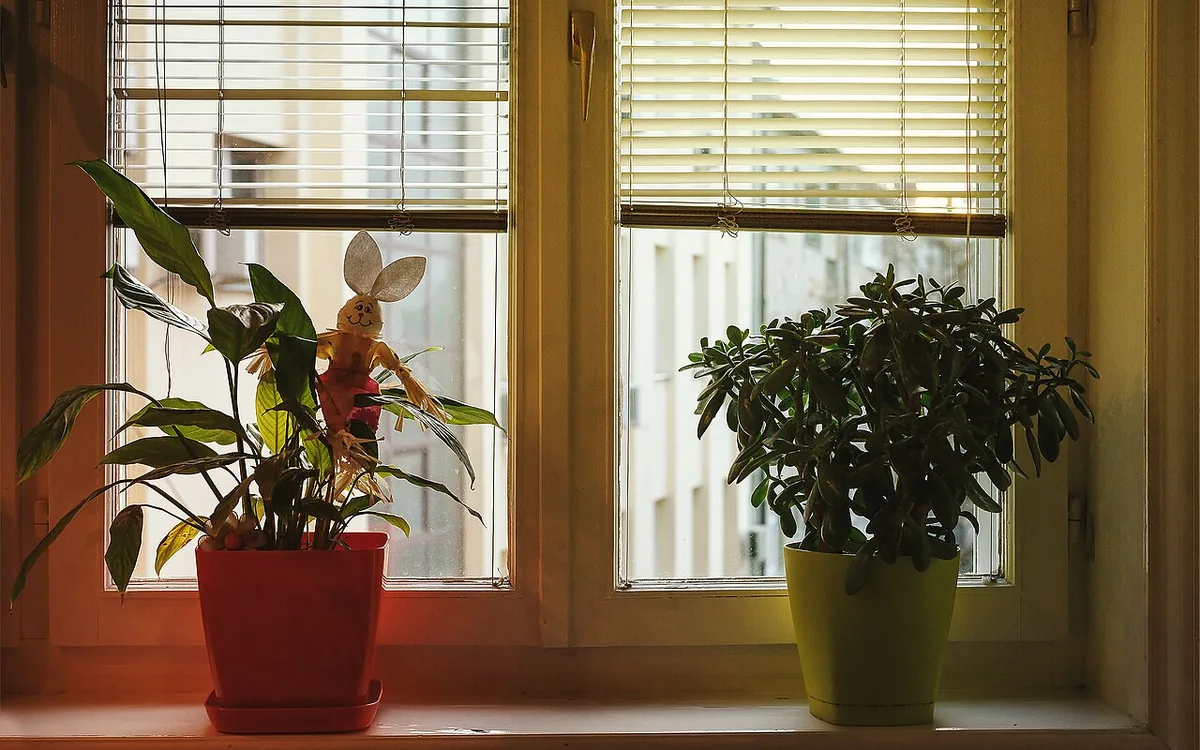
Should matching pairs and groups stay together?
Keep pairs together when both pieces have display spots. Those spots should suit a display you want. Split groups when one vessel fits better alone. Planning a smaller collection helps you make these choices. Planning the move keeps companion pieces linked after decisions.
Matching does not mean that both pieces must move. A large mantel may have held a pair. The next room may have no shared spot. Assess the pair as one display first. Then check whether either piece works well alone. The display should not feel incomplete to you.
Look beyond exact matches. You may have a tall vase and low planter. They may share the same color or finish. Try the proposed group on the intended surface. Leave space between pieces to judge each shape. Do not crowd them just to make everything fit.
Choose between similar arrangements rather than combining them all. Two blue vessels may suit the same shelf. A cream pair may suit that shelf too. Test each option on its own before choosing. Keep the arrangement that you like the most. Check others for a different spot you have confirmed.
Avoid keeping every accessory because it once belonged to a group. A stand, tray, or liner needs its own reason to stay. Is it needed for the display you chose? Record that link in your list of items.
For pieces leaving together, describe the grouping clearly. “Cream vase pair” is more useful than “miscellaneous decor.” This helps relatives or helpers review several similar items.
What if a vase matters more than its display role?
Keep meaningful vessels when you choose space for them. That space can be for display or storage. Keep that personal choice apart from decisions about duplicates. Support for downsizing and organizing can keep reviews focused. Estate cleanout planning offers context when family belongings are involved.
A piece with fond memories may deserve space. It need not match the decor you have now. Name the reason it matters. It could recall a person, a gift, or a place. A clear reason helps you distinguish that piece from objects kept through habit.
Compare memories as well as shapes. Several vases may remind you of one person. Consider whether one shows that connection well enough. You need not keep every object to preserve memories. The person who owns it should make the choice.
When someone else might want a piece, make a specific offer:
- Share a clear description or photograph so the recipient knows which vessel you mean.
- Ask whether the person wants the item before counting it as a completed handoff.
- Agree on the handoff arrangements before removing it from your pending group.
An unanswered offer is still an open decision. Do not build your moving plan around a recipient who has not accepted. Who owns or may distribute an estate item? If unclear, set it aside for the responsible representative. A legal adviser may also address that question.
What should happen to pieces you will not keep?
Choose a route for each vessel you do not want. Base it on condition and interest from possible recipients. It should also fit your household transition plan. Confirm any handoff before treating it as complete. Estate cleanout services may fit a broader household clearance. The guide to cleaning out an estate frames decisions before removal.
A route helps more than a pile marked “later.” Note items being offered to relatives or considered for donation. Note items reviewed for sale or awaiting another decision. Keep these labels separate from the pieces confirmed for your next home.
Use the comparison below to choose the next step. The timing is tied to decisions, rather than assumed completion dates.
| Choice | When it fits | What to confirm before packing |
|---|---|---|
| Keep for display | A vessel fits a named surface. | Check the space and any companion pieces. |
| Keep in reserve | You want an occasional display option. | Assign a specific storage spot. |
| Offer to someone | A person has expressed interest. | Confirm acceptance and handoff arrangements. |
| Consider donation | You want to pass on a suitable piece. | Ask the intended recipient about acceptance. |
| Review for sale | Selling is part of the household plan. | Confirm the sales route and who will review the piece. |
| Hold for a decision | Ownership or condition remains unclear. | Name who will resolve the question. |
Donation acceptance is something to confirm with the intended recipient. Do not assume that every vessel will be accepted. Likewise, an item selected for sale still needs review. Leave any appraisal to an appropriate specialist.
Your household transition may include auctions or estate sales. Ask how the vessels fit the existing plan. Decide what belongs in your next home separately. Keep that choice apart from the sales decision.
Resolve pending routes before they become mixed moving boxes. If a handoff falls through, return that item to the review group. Make a fresh decision about that item first. Do not quietly add it to your kept collection.
How do you turn the keep list into a move plan?
Connect every retained vessel with its destination room and any companion pieces. Share the final list before making packing decisions. Move management support can help coordinate the household transition. Downsizing and organizing help keeps open choices in view. This lasts until you choose pieces for your next home.
Use a simple sequence to finish this category:
- Confirm the display or storage spot for each vessel that will move.
- Record any matching pieces, trays, or stands that belong with it.
- Separate confirmed keepers from items awaiting a recipient or another decision.
- Discuss handling and packing needs with the person responsible for the move.
- Check each retained group against the room list before the boxes leave.
Give the person handling the move clear condition notes. Point out loose parts and any visible damage. Flag pieces you do not feel comfortable lifting. Fragile or awkward items need suitable handling advice. Do not assume that one packing method will suit every material or shape.
Keep an unresolved vase out of a box labeled for a confirmed room. Otherwise, the decision may disappear until unpacking. A short pending list shows what remains open. You need not repeat the whole review each time.
The business is based in Mount Pleasant, SC. Charleston, SC is the main market it serves. It also provides service throughout all of South Carolina. Explain your needs when seeking downsizing or move management support. Say which empty vessels and open decisions are involved. That gives the discussion a concrete starting point.
What questions arise when you downsize vases?
Vase decisions often involve quantity, matching pieces, damage, and uncertain room layouts. Use the answers below to resolve a specific choice. You need not review the whole collection again. Downsizing support can help you choose which vessels stay. These vessels may belong to a larger household clearance. Understanding estate cleanouts is useful in that broader case.
How many decorative vases should I keep?
Keep the number that fits your confirmed display and storage spots. There is no required count for a smaller home. Compare vessels competing for the same surface and choose the arrangement you prefer. Include occasional display pieces only when you have a storage place for them. A named spot gives each keeper a clear purpose.
Can I keep an empty planter without planning to add a plant?
Yes. An empty indoor planter can remain a decorative object. Keep it if you like its shape for display. You must also have a suitable display spot. Judge it beside other empty vessels by size, condition, and appearance. You do not need to invent a future plant project to justify it. Any later plant care question belongs with a qualified specialist.
Do I have to keep both vases from a matching pair?
No. You can keep one vase if it works alone. It should suit the display you want to have. First compare the full pair with the available space. Then try each piece separately. You may prefer the pair but lack a spot. Consider whether someone else wants to have both. Tell any recipient clearly whether the offer includes one piece or the pair.
Should I move a vase with visible damage?
Keep the decision open if damage raises concerns about handling or intended use. Record what you can see and seek suitable specialist advice when needed. Fond memories may give you reason to keep it. They do not resolve concerns about its safety. Share condition notes with the person responsible for packing. Do this before including the item in your move.
What if I do not know the next home’s shelf sizes?
Choose a tentative group based on furniture being moved. Use furniture you know will make the move. Then mark any uncertain pieces for another review. Record vessel measurements so you can compare them once shelf dimensions are available. Avoid treating the whole collection as confirmed. If packing must begin first, clearly mark tentative pieces. Keep their display decisions apart from settled room lists.
Photo credits
- Green glass vase with pumpkin and pear-shaped glass ornaments: Tess Mattew. Original photograph, CC BY-SA 4.0. Cropped and resized.
- Pastel flower bouquet in a decorative vase: Bhullargraphic. Original photograph, CC BY-SA 4.0. Cropped and resized.
- Indoor plants in colorful pots on a window ledge: Dejan Krsmanovic. Original photograph, CC BY 2.0. Cropped and resized.






