
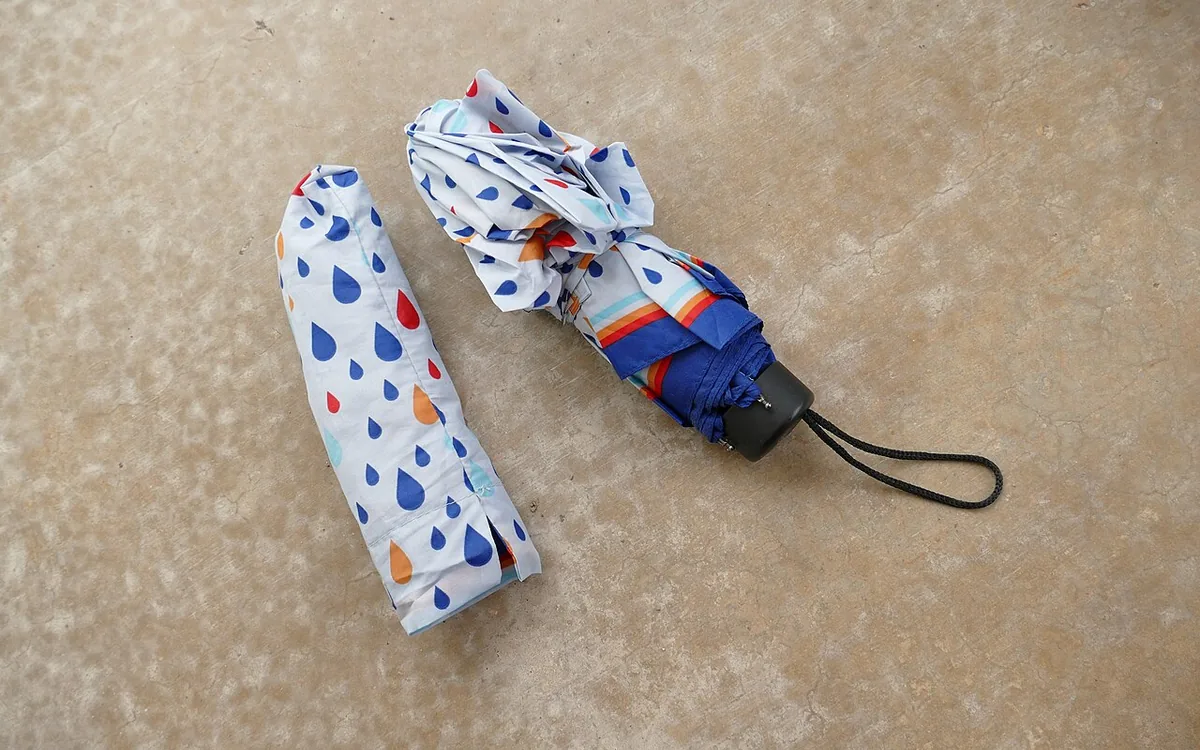
Downsize umbrellas and souvenir walking sticks by keeping useful pieces. Keep a small reserve for guests who need them. Give keepsakes that matter a clear place. Compare comfort, condition, and storage space before choosing what leaves. Treat souvenir sticks as keepsakes, not substitutes for medical mobility devices.
The EPA’s home reuse and recycling tips explain ways to reduce household waste. Keep useful items that are in good shape. Check where others can reuse them before discarding them.
Which umbrellas and souvenir sticks should you keep?
Start with the umbrellas you most often use. Then choose the souvenir sticks you would display. Use the household accessory matching guide when sorting umbrella covers. Keep each chosen umbrella with its own cover. Use downsizing and organizing to weigh what fits. Base those choices on the home you’re moving into.
Bring the three groups together: current umbrellas, guest spares, and souvenir walking sticks. Look in the entry, coat closet, car, and any stand near the door. Keep each owner’s belongings separate within those groups. Check who owns an umbrella a visitor left. It is not yours to give away without checking.
Choose a storage limit before you choose favorites. That limit should come from the space available in the next home. A slim closet may suit folding umbrellas. A stand may suit a long umbrella well. Give it a sensible place near the entrance. Make sure it does not block the doorway.
Set aside medical canes and other mobility devices. This guide covers cane-like souvenirs and decorative walking sticks only. Ask the owner if you cannot tell its kind. Do this before treating it as a keepsake. Questions about using a device for support belong with a qualified healthcare professional.
Write a brief reason beside each likely keeper. “I carry this one” gives a stronger reason. “It might be useful” gives a weaker reason. For a souvenir, name the memory or display spot. Build a collection that suits your daily life. You need not save every object gathered over time.

How can you compare the umbrellas you use now?
Compare your umbrellas by everyday use and condition. Think about how you carry each one, too. Help with organizing a smaller home can clarify choices. Move management support can help plan which pieces travel. It can also help plan where they will go.
Start with the umbrella you last chose for a real outing. Ask why you picked it. Perhaps it fits your bag or has a nice handle. It may also give the coverage you prefer. Those details give you a useful standard for comparing the others. Color alone may not explain which one earns space.
- Keep a compact umbrella if you carry it and it fits the bag or storage spot you actually use.
- Keep a long umbrella if you prefer it for regular outings and have a clear place to store it.
- Set aside an umbrella with a sticking mechanism, torn canopy, or damaged frame until you decide whether to seek repair advice or let it go.
Check condition only through ordinary handling. Do not force a stuck umbrella open while sorting. Do not try to straighten its frame, either. If repair matters, ask a suitable repair specialist. Ask whether they can assess that specific item. Keep the decision separate from the urge to save every damaged spare.
Two umbrellas may serve different needs. They may also do the same job. Notice if you always leave one umbrella behind. The unused one needs a clear reason to stay. A vague backup role should not outweigh storage problems. These include a crowded entry or an awkward closet.
How many guest umbrellas make sense?
Keep guest umbrellas when household habits show a need. Leave enough room apart from your daily umbrella. Planning belongings for a move links reserves to your next home. Estate cleanout support can help with a broader transition. First, make ownership and keep decisions clear.
Think about who visits and how umbrellas get used. A spare by the door may help when guests leave in the rain. A pile of umbrellas from past events may have no current purpose. Base your choice on your household’s actual habits. A fixed number may not suit your needs.
| Choice | Reason to keep or release | Decision point |
|---|---|---|
| Daily umbrella | You regularly choose it. | Keep it accessible during the move. |
| Guest spare | Visitors actually borrow it. | Choose it after selecting your daily umbrella. |
| Visitor’s umbrella | Ownership belongs to someone else. | Contact the owner before deciding. |
| Unused duplicate | It has no distinct role. | Release it after confirming your reserve. |
Give guest spares their own small space. Check whether spares take space needed for shoes or coats. If so, reduce reserves or choose a better spot. Label one section of the stand for borrowed umbrellas. This helps household members tell them from personal ones.
Consider the effort involved in lending, too. If umbrellas often leave with visitors, decide whether you want them returned. An umbrella you consider a keepsake belongs in your personal group. A guest spare should be one you are comfortable lending. That distinction prevents a sentimental favorite from becoming the default loaner.
Which souvenir walking sticks deserve space?
Keep souvenir walking sticks based on meaning and space. Support for downsizing personal belongings helps you choose keepsakes. Sorting items before an estate sale offers useful context. This applies if a piece may join possible sale items.
Look at each stick on its own. Identify the trip, person, or event it recalls. Check which sticks came from the same trip. Compare what each one adds to that memory. You may value a carved handle more than a printed place name. Choose according to your connection, without assuming that age or decoration proves value.
Ask where the piece will live. A walking stick leaning behind a closet door occupies space without being enjoyed. Each chosen piece needs space in the next home. Find a workable spot for display or storage. You do not need to display every keepsake. But know why each hidden keepsake still matters.
A photo can preserve an inscription or carved detail. This may help when the object itself isn’t essential. It will not replace every sentimental connection. Use this option only if it feels right. Add a short note naming the place or person. This keeps the image meaningful after the stick leaves.
If a family member wants a piece, discuss the transfer before packing it. Make clear which stick you mean and whether they are accepting it. If monetary value affects your decision, consult an appropriate appraiser. A souvenir’s shape does not prove it supports walking. Nor does it prove suitability for medical use.
What should leave your home, and where should it go?
Choose an exit route based on ownership and condition. Check whether someone actually wants the item, too. Estate cleanout services can support the larger clearing process. Preparing belongings for an estate sale helps frame sale decisions. Not every spare umbrella or souvenir will attract buyers.
Separate “someone might want this” from a confirmed handoff. A relative’s clear request is useful. An unanswered offer is not yet a destination. Keep unresolved items apart from pieces chosen to move. This stops uncertain giveaways from rejoining your keep pile unnoticed.
- Return an umbrella to its known owner after agreeing on how the handoff will happen.
- Offer a usable umbrella or souvenir stick to a named person, with a clear description of its condition.
- Check a recipient organization’s acceptance requirements before taking umbrellas or decorative walking sticks there.
Do not assume a donation site accepts every item. A souvenir stick and a medical mobility aid are different categories. Describe the object accurately when asking. If it is damaged, say so. That gives the recipient enough information to decide. It avoids another sorting task at the drop-off point.
Keep sale questions specific. Ask whether the chosen object is suitable for consideration. Do not expect a price or a buyer. Check whether a recipient or sale route is confirmed. If neither is, review local disposal guidance for that item. Mark the item’s chosen destination clearly for household members. This helps prevent someone from packing it by mistake.
How should you prepare the keepers for a move?
Prepare only umbrellas and souvenir sticks chosen to keep. Coordinating the move helps place them in your moving plan. Organizing household replacement parts serves as a separate reference. Use it if this narrow sort reveals genuine spare parts.
Keep one everyday umbrella reachable until you leave. You may need an umbrella before you leave. Packing them all too soon creates an avoidable problem. Put guest spares and keepsake sticks in the planned moving group. Tell helpers which umbrella remains in daily use. This helps prevent packing it without your knowledge.
- Confirm which umbrellas and souvenir sticks belong to each household member.
- Record the pieces chosen for daily use, guest borrowing, or keepsake storage.
- Put each retained umbrella with its own cover when that cover is present.
- Tell the mover which pieces are long, fragile, or important to you, and ask for suitable packing guidance.
- Mark the destination room or storage spot so the selected items reach the place you planned.
A missing cover need not become a shopping task. Buy one only if it serves a real need. The umbrella may already have a workable place without one. Keep each existing cover with the right item. Do not rebuild a full accessory collection before moving.
Explain what needs protection on carved or delicate souvenirs. Let the responsible packing specialist advise on materials and handling. Avoid improvising a repair during the move. At your new home, check chosen pieces against your notes. Do this before you discard any packing materials. Check before mixing them with other long household objects.
How do you finish the sort before a South Carolina home transition?
Each umbrella and souvenir stick should have an owner. Finish when each also has a role and destination. Downsizing support for the household helps settle remaining choices. Help with an estate cleanout can support broader clearing decisions. These may extend beyond this small group during your transition.
Walk through the entry and check the proposed arrangement. Can you find the daily umbrella without shifting keepsakes? Can a guest tell which spare may be borrowed? Does the storage spot leave the doorway clear? These simple checks test your choices as a household system. They show whether choices work beyond plans on paper.
Review any items that are still marked “maybe.” Identify missing decisions about ownership, recipients, sentiment, or packing advice. Resolve that question directly. Do not repeat the entire sort because a single item remains uncertain. Keep it separate, with a note about unanswered questions. Explain what you must learn before choosing its destination.
You may be moving within Charleston, SC, or elsewhere statewide. Base keep decisions on the home you’re moving into. A large umbrella stand may have fit your old entry. That alone is not a reason to keep it. Your souvenir collection may need its own storage choice. That alone is no reason to discard useful umbrellas.
Our business is based in Mount Pleasant, SC. Charleston, SC, is the primary market we serve. Our service area covers all of South Carolina. When discussing help, describe the sorting task plainly. Explain that you need to sort daily umbrellas. Include choosing guest spares and deciding which souvenir sticks stay. Say which decisions are yours and where assistance would help.
What else should you know about this small household sort?
Final questions often involve useful duplicates and family memories. They also involve belongings that are easy to misidentify. Organizing help can support choices you still need to make. Planning a household move connects those choices to packing. Keep each answer tied to the item and the person who owns it.
Should I keep both a folding and a long umbrella?
Keep both if you use them in different situations. Make sure you have room for each one. A folding umbrella may fit the bag you carry. A long one may be your preferred daily choice. One may stay untouched because you always choose another. Before keeping it, check whether guests really need it.
What if a souvenir stick belonged to a parent?
Choose based on the memory you want to keep. Weigh how much space you can give the object. Ask interested family members about that specific stick before releasing it. Some people prefer a photo and a written memory. Others would rather keep the actual object itself. Neither choice requires keeping every souvenir from the same person.
Can I treat a decorative walking stick as a cane?
A walking stick may be decorative or a souvenir. Do not assume it suits use as a mobility device. This guide does not assess support, fit, or safe use. Keep it in the keepsake category unless its owner explains otherwise. Ask a qualified healthcare professional about walking support. They can address the needs of that person.
Should guest umbrellas move with the everyday ones?
Guest umbrellas can travel with your chosen household items. Keep your daily umbrella within reach if still needed. Give the guest reserve a named place in the next home. If reserves won’t fit, rethink their size before packing. Avoid creating an overflow pile after you arrive.
What should I do with an umbrella whose owner is unknown?
Ask household members and likely visitors about it first. Assign it to a giveaway or moving group only after ownership and permission are clear. Use a photo if that helps identify the item without passing it around. Keep it separate while ownership remains unclear. Once ownership is clear, let the owner decide. They can collect it or leave it with you. They can also give consent for another destination.
Photo credits
- Compact raindrop-pattern umbrella and matching sleeve: Kritzolina. Original photograph, CC BY-SA 4.0. Cropped and resized.
- Raindrop-pattern umbrella canopy and ribs: Kritzolina. Original photograph, CC BY-SA 4.0. Cropped and resized.
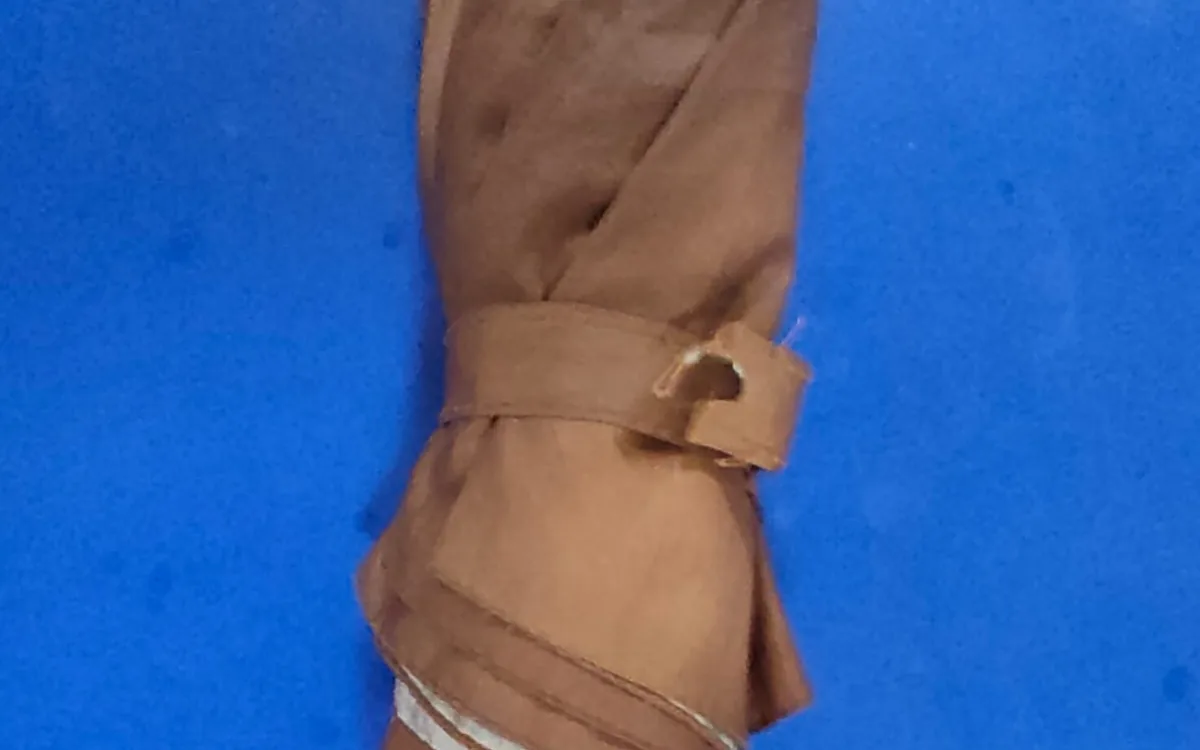
- Worn fastening strap on a brown umbrella: Swethasakthivel. Original photograph, CC0. Cropped and resized.






