
Sort appliance attachments by the exact appliance they fit. Then decide where each full set will go. Keep confirmed matches together. Record missing pieces and hold unknown parts apart. This helps Charleston, SC, households pack useful sets. They avoid carrying parts for appliances they no longer own.
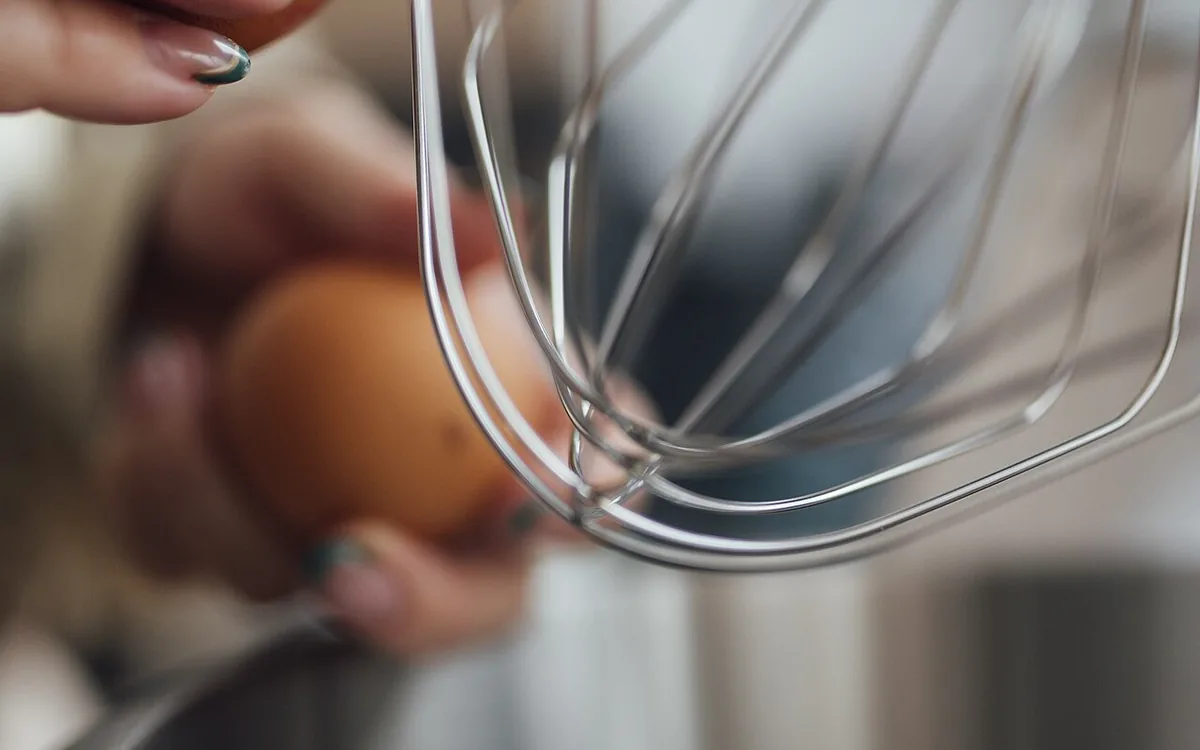
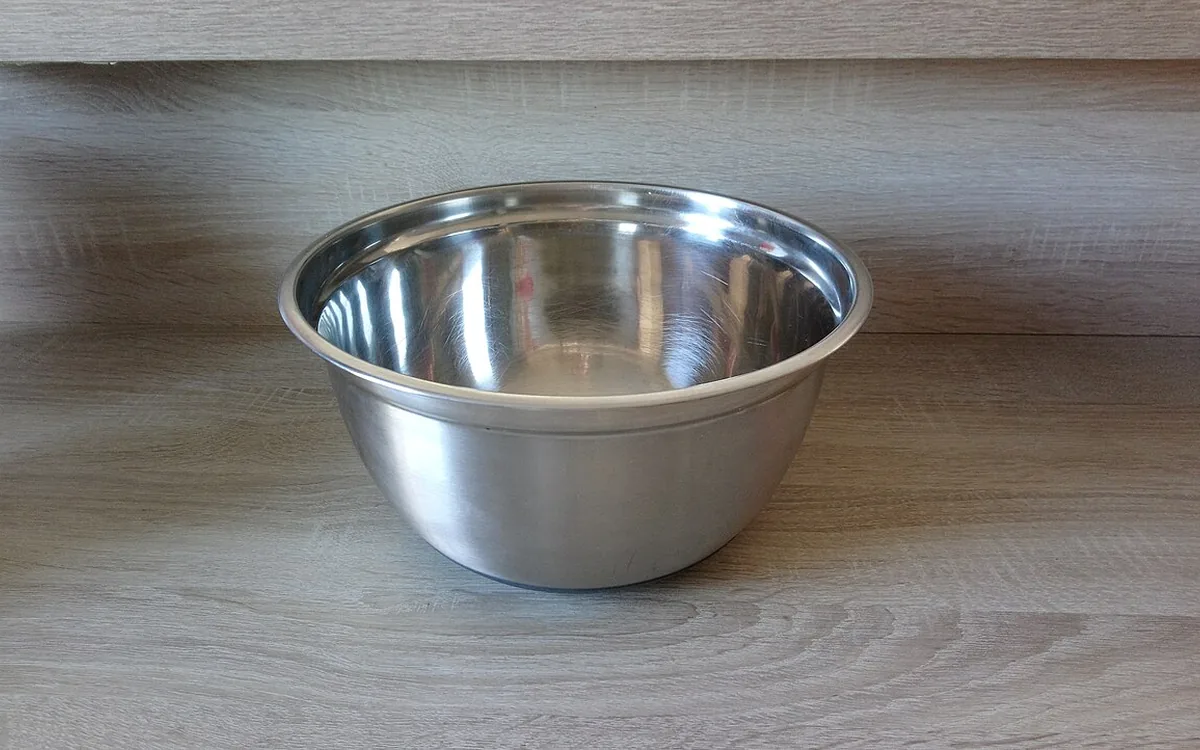
A mixer bowl may sit in one cupboard. Its whisk elsewhere can make the choices seem separate. They are part of the same choice. Start with the appliance you plan to keep. Then work outward through all its loose parts. The aim is a clear match, not a box filled with possibilities.
The EPA’s home reuse and recycling tips explain ways to reduce household waste. Keep useful items that are in good shape. Check where they can be reused before discarding them.
Keep item choices with your household accessory matching plan. Loose pieces should reach the same destination as kept items.
What should you decide before sorting appliance attachments?
Before sorting parts, decide which appliances will move. Decide which will stay in the home, too. Agree on another route for any remaining appliances. A downsizing and organizing plan clarifies what you will keep. Move management links those choices to the packing plan. Each attachment should follow a named appliance or a recorded decision.
Work from what you expect to use in the next home. Two countertop appliances may serve similar needs, but their parts are separate sets. Choose the appliance first. Do not keep both sets of parts just because their shapes seem alike.
Write a plain name for each retained appliance. Include the brand and model when you can read them safely. If you own two similar mixers, give each a distinct label. Several people packing need labels more useful than “mixer parts.” “White mixer from kitchen” gives them more useful details.
For each appliance, note its destination and who can approve a change. An appliance may belong to a relative. It may also feature in home sale talks. Ask the owner or responsible representative to resolve that choice. Direct contract questions to the real estate or legal professional handling them.
Once the destination is clear, sort only loose household accessories. Leave appliance disconnection and fixed components to appropriate specialists. Leave electrical faults and repair questions to them, too. You can make useful parts records without opening equipment. You do not need to remove anything attached.
How can you match a loose part to the right appliance?
Match loose parts using the appliance’s exact model. Use its manual and clear identifying marks, too. During household sorting, keep uncertain matches separate from confirmed ones. This work may involve clearing a family home. The estate cleanout process gives context for those choices. It helps guide which belongings should stay together.
Gather loose parts from drawers, cupboards, and storage boxes. Place them together in a clear sorting area. Keep each appliance’s likely parts in its own tray or container. A shared pile makes it harder to remember where an item came from.
Look for a part number or brand mark. A description may also help you compare manual details. Photos can preserve these details without repeated handling. Write the exact model name beside the photo. This keeps it useful after the appliance is packed.
A familiar shape is a clue, not a confirmed match. A lid may resemble one from another set. A vacuum tool may look like a pictured tool. That picture may come from a different model’s booklet. Do not force pieces together to settle the question. The records may not show a clear match. Then ask the manufacturer or an appropriate service specialist.
Use a short record with enough detail to guide the next decision:
- Record the appliance’s name and model beside each confirmed part.
- Note where each unknown piece was found and photograph any visible markings.
- Mark each match as confirmed or awaiting a check, so others can understand the evidence.
Is a part missing, optional, extra, or still unknown?
A missing part belongs with your exact appliance. It should be there, but you cannot find it. An extra part has a purpose you have confirmed. That purpose extends beyond the set you will keep. Sorting during downsizing helps you separate those choices. Estate cleanout planning places unwanted sets within household plans.
A manual may show items you never owned. Do not treat every shown item as lost. The booklet may describe optional parts or several versions of the appliance. Check what applies to your model and what was actually owned. When the record is unclear, write “not confirmed” instead of “missing.”
A duplicate also needs context. Two matching cups might both be used with one appliance. Two similar brushes might serve different purposes. Count the pieces, then identify their roles before deciding that one is spare.
This compact comparison keeps the decision tied to the evidence:
| Status | What supports it | Next decision |
|---|---|---|
| Confirmed match | The exact model’s records identify the piece. | Keep it with that appliance’s set. |
| Missing part | Records confirm the piece was part of this appliance’s owned set, but it cannot be found. | Record the gap and ask about its role. |
| Optional accessory | The model’s records describe it as optional. | Keep it only if you expect to use it. |
| Confirmed extra | Its match and duplicate purpose are established. | Choose whether to retain the spare. |
| Unknown piece | The available evidence does not establish a match. | Hold it apart for further review. |
What should you do when a needed piece cannot be found?
Record the missing piece and search likely storage spots. Ask the manufacturer or a suitable specialist about the gap. Coordinating a move can account for an unresolved set. This estate sorting guide places searches within broader household choices.
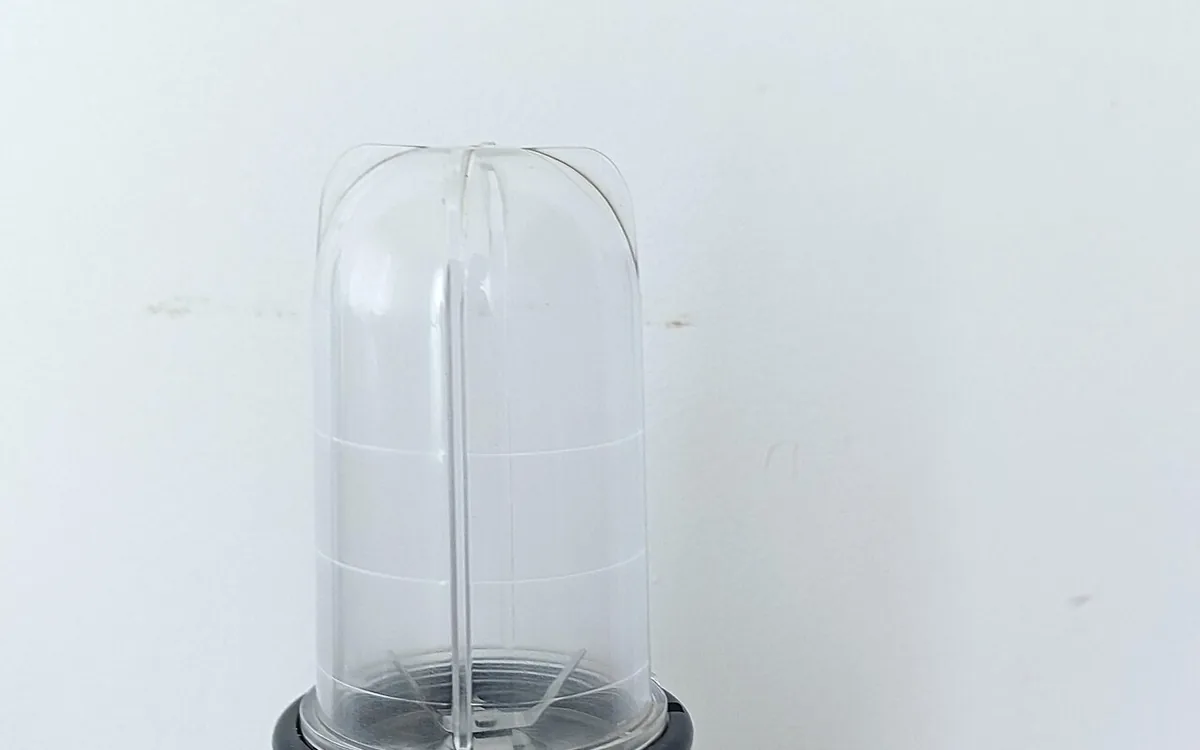
Start with places linked to that appliance. A blender lid might have been stored with containers. Mixer tools may be in a baking drawer. Check boxes labelled with the appliance’s name before opening unrelated cartons. Keep track of the places you have already searched. This stops relatives from repeating the same work.
Write down exactly what is absent. Avoid unclear notes such as “some parts missing.” Write “One whisk shown in the model’s manual” instead. Include the source that supports this expected part. You may not know whether the piece was owned. Keep that doubt clear in your written note.
Then decide whether the unanswered question affects keeping the appliance. Ask the manufacturer or qualified specialist about required parts. They can explain requirements and identify a suitable replacement. Do not assume another household part will work instead. Do not use this sorting task to test equipment.
You may still be deciding whether to keep the appliance. Avoid buying a replacement while that choice remains open. Review the full set before making your choice. You may decide to keep a different appliance. Settle the household choice before committing to a part. You may choose to release that appliance instead.
If the search remains open, name the person who will follow up. Put the written note with the full set. Do not rely on talks that others may forget.
How should you label and pack confirmed sets?
Label confirmed sets before you close their boxes. Include the appliance name, destination, and contents on labels. A move management plan links sets to their destination rooms. Organizing before a move gives small parts a defined home. Keep uncertain pieces in a separate container with their own notes.
Use names that make sense to someone who did not do the sorting. “Kitchen mixer, whisk and bowl” says more than “kitchen extras.” The appliance and its parts may travel in separate boxes. Put the same identifying label on both boxes. Link both boxes to each other in your record.
Follow an ordered sequence so the record matches the packed contents:
- Confirm the appliance’s destination and assign a distinct name to its set.
- Count the confirmed loose parts and record them before wrapping or boxing.
- Follow the manufacturer’s packing guidance and ask the move team about suitable protection.
- Label each container with its contents and the appliance it belongs to.
- Record where the set is packed and keep the list accessible during the move.
Do not add unconfirmed parts at the last moment. Emptying a drawer is not reason enough to add them. Put it in the review container and note its original location. This preserves the distinction between a checked set and a possible match.
Keep model details and parts photos accessible outside the packed box. Keep a paper copy or shared household document. It can help the person unpacking identify the set. Choose a format the people involved will actually use.
What needs to happen when an appliance stays or changes hands?
An appliance may stay or pass to someone else. Keep its confirmed loose parts with the agreed set. Share any known gaps with the next person. Estate cleanout support can organize the broader release choices. How estate cleanouts work explains the household sorting context. Ownership and sale terms still belong with the responsible decision makers.
A household move can send similar items along different paths. The mixer you keep may leave with you. Another mixer may go to a family member. Give each recipient the parts matched to that exact appliance. Do not divide them by appearance or by whichever container has space.
An appliance may stay in the current home. Record where you will leave its loose parts. A named cupboard or labelled box is easier to find. That beats a casual promise to leave parts “nearby.” Confirm the plan with the person handling the handoff.
An appliance may be considered for an auction. It may also be considered for an estate sale. Pass along its confirmed contents and any open questions. A description such as “complete” should rest on a checked record. Let the sale manager decide how to present the set. Refer value questions to an appropriate appraisal professional.
Use a brief handoff note that answers the practical questions:
- Name the appliance and list the parts confirmed to belong to it.
- State any known missing pieces and any parts whose match remains uncertain.
- Record the recipient or agreed location so the set follows the intended route.
Keep a copy with your sorting record. The note gives the next person the same facts. Those facts helped guide the choice you made.
How can you keep useful attachments when downsizing?
Keep confirmed attachments for appliances used in your next home. Downsizing and organizing turns that choice into a manageable set. Planning an estate cleanout helps address parts you leave behind. Review unknown pieces apart from the confirmed sets. A missing match should not mean automatic disposal.
Think about the meals, cleaning tasks, or household routines you expect to keep. An optional accessory may help with a regular task. That gives it a clearer reason to move. An accessory with an unexplained purpose lacks that reason. Space matters, but first identify the loose piece. Find out which appliance needs that piece, too.
Choose storage for the set as a whole. If a bowl, lid, and tools will occupy different places, note those locations. A retained part is less useful when no one knows where it went. Make the storage plan fit the household’s habits. Avoid requiring a new filing system for every part.
For a Charleston move, separate sets by their status. Keep the set needed at your next address apart. Other sets may still await a different decision. Your next home may be elsewhere in South Carolina. The same labels should stay clear to everyone involved. Record destinations by room or recipient instead of using “here” and “there.”
Bring your parts record to a downsizing discussion. A move management discussion can also help with this task. The business is based in Mount Pleasant, SC. It serves Charleston, SC, as its main market. It also works throughout the state of South Carolina.
What else should you know about sorting loose appliance parts?
Tie each parts choice to a named appliance. Include a clear destination and the evidence you have. For a move, help coordinating household belongings can connect those records to packing. You may be clearing out a family home. Estate cleanout services provide the wider sorting context. These answers address common loose accessory decisions.
Can I pack all unknown attachments in one box?
Yes, unknown attachments can share one review box. Each piece must have its own label or note. Record where it came from and any visible identifying marks. Keep that box separate from confirmed sets. Name the person who will review the box. Record its destination to prevent loss among kitchen cartons.
Should duplicate accessories always be removed before moving?
No, a duplicate part may still be useful. Two similar pieces may also have different roles. Confirm the model match and purpose first. Then decide whether the spare supports a task you expect to keep. Clearly label any spare part you plan to keep. The next person might mistake it for another set’s gap.
What if an accessory has no brand or part number?
An unmarked part should remain unconfirmed unless other reliable evidence establishes its match. Record its shape, original storage location, and any manual reference that might help. A photo can support a question to the manufacturer or suitable specialist. A close size does not prove a part fits. Neither does a colour that matches the appliance.
Can one attachment box serve two similar appliances?
You may choose to keep two similar appliances. Separate containers or clearly labelled compartments work better then. Each piece needs a confirmed match to a named model. A shared box works only when sets stay distinct. The contents list must show which appliance owns each part. Avoid a mixed collection that requires another full sort after arrival.
Should I discard parts from an appliance I no longer own?
First confirm that the appliance has already left. Check that its parts do not belong to another set. That other set may be one you are keeping. If you know the recipient, ask whether the parts should follow it. Otherwise, record them as parts from a released appliance. Decide their next route with the household clearout lead.
Photo credits
- Metal wire whisk close-up: Shixart1985. Original photograph, CC BY 2.0. Cropped and resized.
- Inverted clear blender cup with blades: Vimkay. Original photograph, CC BY-SA 4.0. Cropped and resized.
- Stainless steel mixing bowl: Nolwenn Leduc. Original photograph, CC0. Cropped and resized.






