
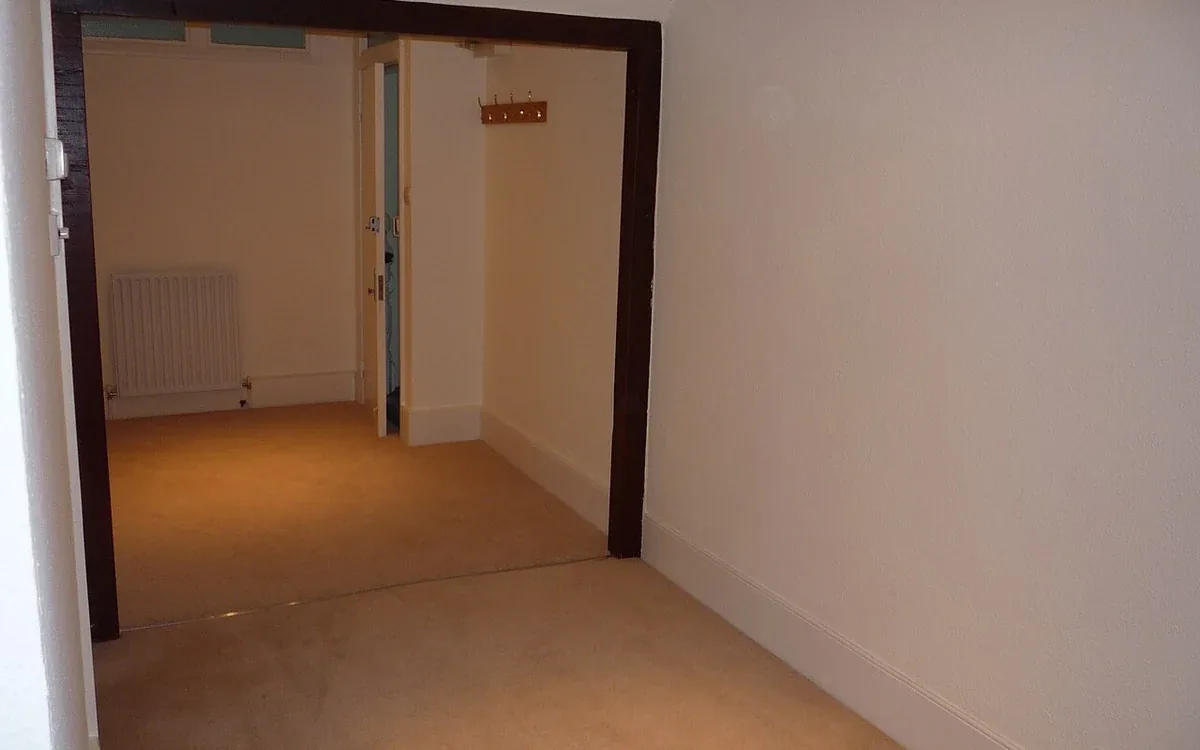
Declutter before a home renovation by confirming which areas must be cleared, deciding what belongs in your future home, and separating daily essentials from items you can pack away. Give each retained item a temporary destination before moving it. For an occupied home in Charleston, SC, the aim is to clear the agreed work area while keeping everyday life manageable. Your contractor determines construction access and work requirements; your household decides what happens to its belongings.
Quick answer: Start with the renovation area and the routes needed to reach it. Sort belongings into keep accessible, pack for later, release, and decision pending. Confirm ownership before anything leaves. Label packed items by contents and destination, and record where they go. Keep construction debris, contractor work, storage arrangements, appraisals, and legal decisions separate from household organizing.
What should you clear before renovation work begins?
Ask your contractor to identify the work area, access routes, and any nearby spaces that must be emptied. A room name alone may be too vague. Work in a kitchen could affect belongings in an adjoining pantry or a hallway used to carry materials.
Walk through the agreed areas with a simple floor plan or written room list. Mark what must move, what may remain, and what needs clarification. Ask specifically about wall decorations, freestanding shelves, cabinet contents, and furniture near the work boundary.
Useful questions include:
- Which household items must leave the work area?
- Which routes need to remain clear?
- Who is responsible for moving large or delicate belongings?
- When will the contractor confirm that an area can be used again?
Do not treat an apparently empty corner as approved storage. The contractor should explain construction restrictions, and the household can then choose among suitable destinations.
If sorting is the main obstacle, explore downsizing and organizing support. Discuss the belongings involved and the help you want before assuming any particular task is included.
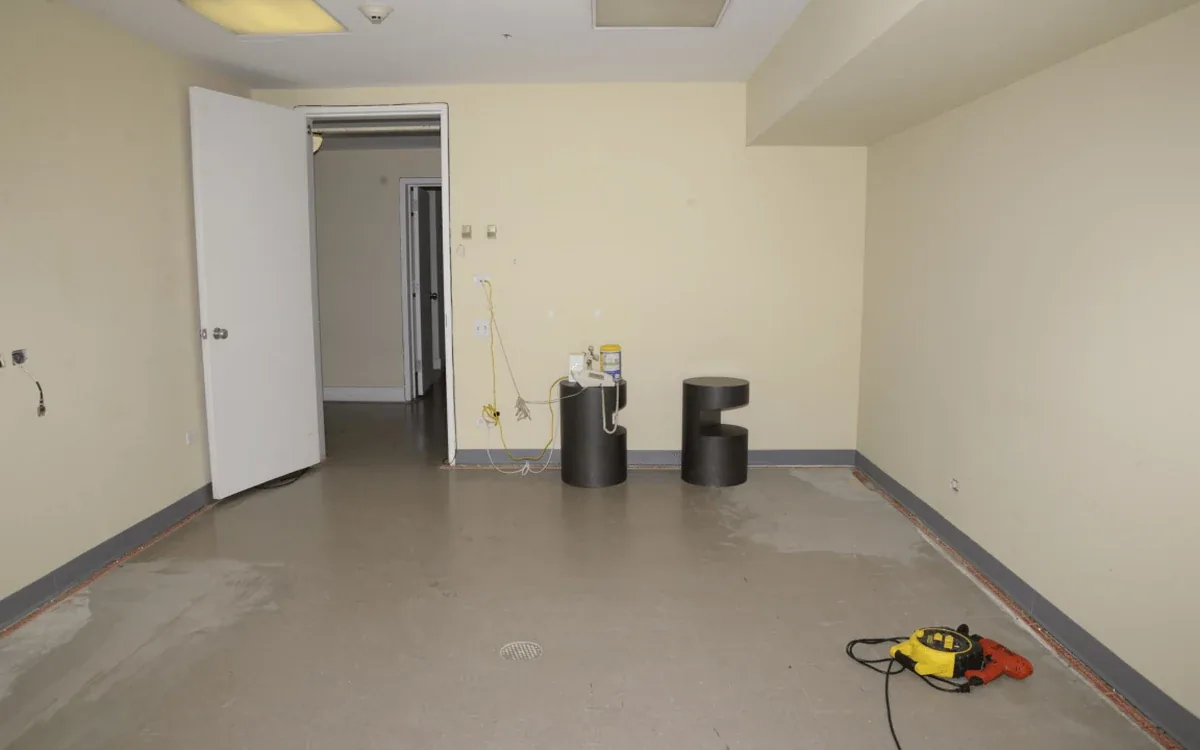
Decide what deserves to come back
Moving everything out without making decisions creates a second sorting job when the room is ready. Use the disruption to review belongings in the affected area, rather than turning the project into an urgent whole-house purge.
A useful test is whether an item supports how you expect to use the renovated space. A serving platter might remain useful even if its current cabinet disappears. A duplicate appliance may have no clear role, regardless of how much storage the new room has.
Use distinct categories:
- Keep accessible: Needed while you continue living at home.
- Pack for later: Wanted after renovation but not needed during it.
- Release: Approved by its owner for a chosen next destination.
- Decision pending: Awaiting an owner, information, or professional advice.
Keep the pending group separate from outgoing items. Write down the unanswered question, such as “Does this belong to my sister?” or “Do we need an appraisal before deciding?”
For bulky pieces, How do you decide which furniture to keep when remodeling focuses on that specific decision. Avoid committing a piece to the finished room until relevant dimensions and access details are confirmed.
If inherited possessions complicate ownership or sorting, What is the best way to clean out an estate? offers a related starting point. Renovation pressure does not resolve authority to give away or sell estate property.
What needs to stay accessible while you live at home?
Choose essentials around actual routines. Think about getting dressed, preparing permitted meals, working, caring for pets, and finding important papers. An attractive stack of labeled boxes is unhelpful if your medication or work charger is buried inside it.
Give each household member a chance to identify what they need. Someone working from home may need equipment that another person assumes can be packed. Accessibility needs may also affect where everyday items belong.
Keep a manageable group of essentials together:
- Medications and necessary personal-care supplies.
- Current clothing, shoes, and laundry items.
- Work or school materials and device chargers.
- Pet supplies and household contact information.
- Frequently used documents, secured appropriately.
The household chooses which belongings to keep close. Whether rooms, utilities, or appliances can be used safely remains a question for the responsible contractor or professional.
For a kitchen project, How do you set up a temporary kitchen during a remodel addresses selecting and organizing useful kitchen belongings. Any appliance placement or utility arrangement needs separate confirmation from the appropriate professional.
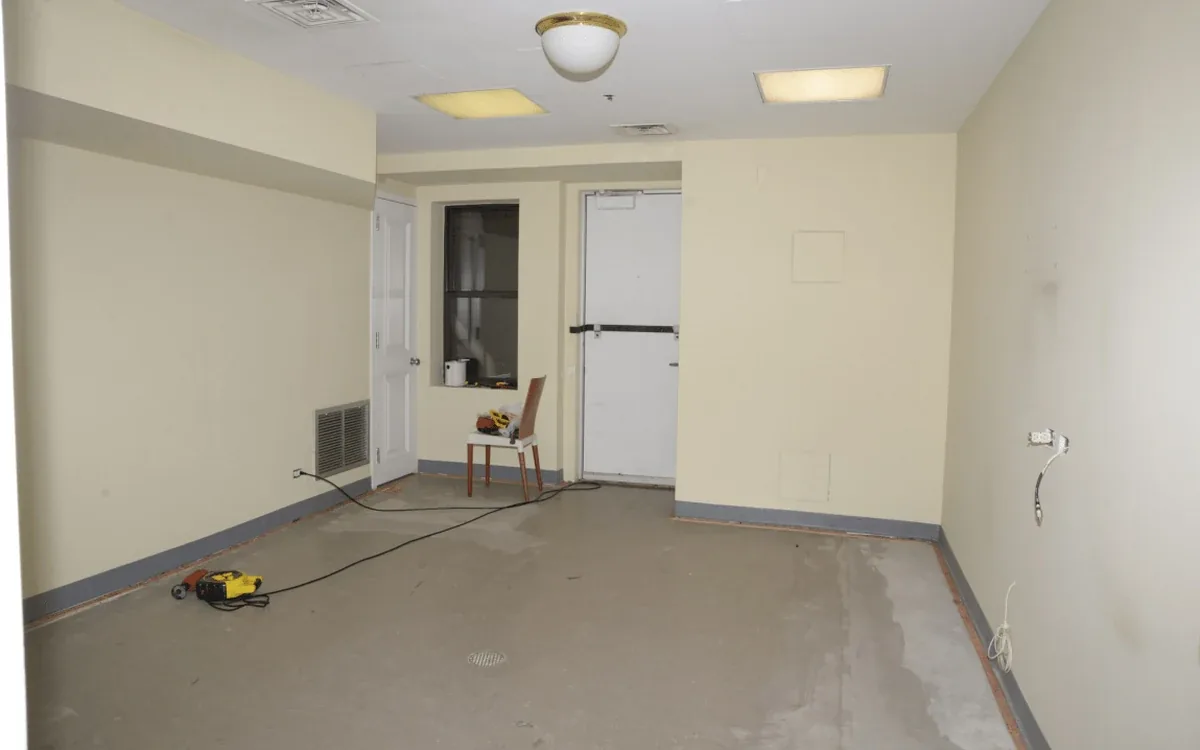
Give packed belongings a real destination
“Put it somewhere else” is not a destination plan. Before filling boxes, identify where retained items can go and who will need access to them.
Compare a suitable unaffected room, space offered by a trusted household, or a separately arranged storage option. Consider access, security, item needs, and the effort involved in moving things again. Confirm that proposed areas inside the home do not conflict with contractor requirements.
For the detailed destination question, see Where should you put belongings during a home renovation. Storage is a household or separate provider choice, not an assumed organizing service.
Match labels to retrieval needs. “Kitchen: everyday dishes, temporary dining area” tells you more than “Kitchen box.” Items packed for later should have a destination that someone can find without opening every container.
Allow room to reach needed belongings. If a destination requires blocking a passage or stacking items beyond safe handling, reconsider it and seek appropriate guidance. A cleared renovation room should not create an unusable living room.
Plan kitchens and closets without emptying everything blindly
Rooms with many small possessions benefit from a targeted approach. Start with the exact cabinets, drawers, or closet sections affected by the work. Confirm the scope before stripping adjacent spaces unnecessarily.
In a kitchen, distinguish food and utensils you will use from cookware and serving pieces that can be packed. Keep household possessions separate from fixtures or materials whose removal belongs to the contractor.
How do you empty kitchen cabinets before a remodel covers that focused task. Use the cabinet plan to inform your household sorting, while leaving removal methods and construction sequencing to the contractor.
For closets, consider clothing currently in use, personal records, sentimental items, and belongings stored there for other family members. Owner labels can matter as much as room labels.
How do you prepare a closet for renovation work addresses closet contents more closely. The broader goal is to preserve access to what you need without letting every displaced item spill into another active space.
Make a record before belongings scatter
A simple inventory helps connect an item with its owner, decision, and location. It need not describe every sock. Focus on possessions that are valuable, fragile, easily confused, or difficult to replace.
Record details that answer practical questions later:
- What is the item or box?
- Who owns it or approves its destination?
- Where has it been placed?
- Is a decision or specialist opinion still pending?
- Who is responsible for its next move?
Photographs can help document arrangements, identifying details, and visible condition. What should you photograph before moving things for a remodel explains the narrower photography task.
Store the record where the household can retrieve it, while protecting sensitive information. Avoid sharing images of personal documents unnecessarily.
A household record is not a professional appraisal, legal ownership determination, or promise of insurance coverage. Questions about value belong with an appropriate appraiser; questions about coverage belong with the insurer. Keep receipts or provider paperwork alongside the relevant inventory entries when useful.
What can an organizing or move team help you discuss?
A practical conversation starts with the belongings, the household’s decisions, and the confirmed work boundary. Explain whether you need help sorting, identifying packing priorities, or coordinating approved movements of possessions.
Discuss responsibilities before work begins:
- Who approves what stays and what leaves.
- Which items must remain untouched.
- Who supplies packing materials and handles fragile items.
- Which movements are within the agreed service scope.
- How unresolved decisions and location records will be handled.
Clutter Cleaner of South Carolina lists downsizing and organizing and move management among its services. Ask about the scope suited to your household; contractor renovation work is a separate arrangement.
Separate authority also matters. Legal ownership and estate authority stay with the responsible legal professional or authorized decision-maker. Appraisals stay with the appropriate appraiser. Real-estate advice stays with the responsible real-estate professional. Inspection, permitting, and compliance determinations stay with the relevant professional or authority. Organizing belongings does not settle those questions.
For released items, the household must choose and confirm donation, sale, or disposal arrangements with the relevant recipient or provider. Acceptance and handling requirements need checking. Construction debris and potentially hazardous materials require separate direction.
What is the difference between decluttering and renovation cleanup explains why household sorting and cleanup after building work need distinct responsibilities.
Keep the plan usable through the renovation
Once belongings are relocated, give frequently used items a consistent home. Choose a place for incoming mail, keys, laundry, and household supplies so new clutter does not cover the temporary living areas.
Review the belongings plan when the confirmed work scope changes. If another room becomes affected, update destinations before moving boxes into it. Tell anyone helping which labels or decisions have changed.
How do you organize a home while living through a renovation focuses on maintaining those everyday routines.
When the responsible contractor or professional confirms that an area is ready for use, return belongings according to current needs. Opening every box at once can make it harder to judge what fits.
How do you organize belongings after a renovation covers that next stage. Your pre-renovation inventory should help you retrieve the right items and revisit pending decisions without repeating the entire sort.
Short FAQ
Should you declutter the entire house before remodeling?
Start with affected rooms, access routes, and temporary living areas. Expand only when another space is needed for belongings or daily use. A whole-house project may compete with the decisions your renovation actually requires.
Can you sell everything marked for release?
Only after ownership and authority are clear. Confirm the chosen sale arrangement separately, and seek appraisal or legal advice when relevant. A release label records a household intention; it does not establish permission or value.
Does decluttering replace contractor preparation?
No. Belongings planning supports the household side of preparation. Contractors and responsible professionals still determine construction access, protection requirements, utility restrictions, inspections, and when spaces can be occupied.
For households in Charleston and across South Carolina, Clutter Cleaner of South Carolina offers downsizing and organizing and move management. Its physical business location is Mount Pleasant, SC. Call (843) 972-7020 to discuss the belongings you need help organizing and confirm an appropriate scope before making arrangements.
Photo credits
- Empty rooms connected by a wide doorway: William J Sisti from Morristown, NJ, USA. Original photograph, CC BY-SA 2.0. Cropped and resized.
- Empty room during flooring work: Federal Bureau of Investigation. Original photograph, Public domain. Cropped and resized.
- Room with a stripped floor and open kitchen doorway: Federal Bureau of Investigation. Original photograph, Public domain. Cropped and resized.






