
Empty kitchen cabinets before a remodel by confirming the contractor’s access needs, setting aside everyday essentials, and packing the remaining contents in labeled containers outside the work area. Keep a record of where each cabinet’s contents go so you can find them during construction and return them afterward. For a Charleston, SC household, the aim is to clear the agreed work area while keeping meals, medicines, and household routines manageable.
Quick answer: Ask which cabinets, drawers, counters, and nearby spaces must be cleared. Pull out a small everyday kit, pack the rest by cabinet, label boxes with their contents and storage location, and move them beyond the contractor’s work and delivery routes. Leave attached parts and utility connections for the responsible tradespeople.
What needs to come out before the contractor starts?
Begin with a walkthrough or a marked kitchen photo. Have the contractor identify the cabinets being removed, refinished, repaired, or left in place. Ask whether adjoining cupboards and drawers also need to be empty because of access, dust protection, or the work method.
An untouched cabinet may still sit beside a plumbing connection or along a carrying route. Do not assume its contents can remain simply because it is absent from the replacement plan.
Clarify the boundaries:
- Which cabinet interiors and drawers must be completely empty?
- Do countertops, open shelves, and the pantry need clearing?
- Where will materials and removed components travel?
- What nearby floor space must remain available?
- Who handles shelf removal, drawer removal, and attached organizers?
Record the answers somewhere both the household and contractor can find them. If the scope changes, update the packing plan before shifting boxes into another room.
For the broader preparation beyond cabinets, see How do you declutter before a home renovation. Keep this part of the project centered on getting kitchen contents out of the agreed work area.
How do you keep everyday items available?
Choose the everyday kit before packing the first cupboard. Otherwise, the mug, lunch container, or measuring spoon you need may disappear into a sealed box.
Base the kit on the meals you expect to manage with the facilities actually available. A household using cold meals needs a different selection from one with access to a separate functioning kitchen. Ask the contractor which existing appliances and utilities will remain usable, and when access may change.
Possible kit contents include:
- Dishes, cups, and utensils used by household members.
- Food containers and a can opener.
- A small selection of suitable cookware, if cooking remains possible.
- Dish soap, towels, and cleaning supplies kept apart from food.
- Regularly used food, with storage suited to the product.
- Essential items for children or household members with specific needs.
Keep medicines in an appropriate, secure location rather than mixing them into general kitchen boxes. Follow their storage instructions.
Use How do you set up a temporary kitchen during a remodel for the separate meal-station decisions. Here, the useful distinction is simple: the everyday kit stays accessible; packed cabinet contents stay protected.
If you want help planning the household sorting and organization, review Clutter Cleaner’s downsizing and organizing services. Discuss the actual cabinet-clearing scope rather than assuming packing, storage, or contractor coordination is included.
Pack by cabinet, with a record you can use
Give each cabinet a plain location name before emptying it. “Upper cabinet beside refrigerator” is easier to interpret than “miscellaneous kitchen.” Photograph the contents if the arrangement will help you unpack later, without including sensitive paperwork.
Work through one cabinet at a time. Clear a surface outside the work area for wrapping and boxing so the kitchen floor does not become a temporary sorting pile.
A useful box label might read:
Upper cabinet beside refrigerator: mugs and drinking glasses. Stored in hall closet. Return after cabinet installation.
Add a matching entry to a paper list or shared household note. Label the side as well as the top so the description remains visible when containers are placed together.
Pack items for protection and manageable lifting:
- Wrap fragile pieces individually and cushion gaps.
- Keep containers small enough for the person carrying them.
- Protect sharp edges and contain knives securely.
- Keep appliance accessories together in a labeled bag.
- Place lids with their containers where practical.
- Mark delicate contents clearly without advertising valuables.
For inherited kitchen belongings whose ownership or destination is unresolved, What is the best way to clean out an estate? addresses the broader estate question. During remodel packing, keep disputed or undecided items together and protected instead of treating an empty cabinet as permission to discard them.
Where should packed kitchen contents go?
Choose the holding area before boxes leave the kitchen. The best available spot is somewhere the household can use without interfering with construction, deliveries, exits, or access to essential equipment.
Ask the contractor about nearby spaces that may also be affected. A dining room could look convenient while still being needed for cabinet deliveries or access to the kitchen. A spare room may work better if its doorway and household use allow it.
Arrange the holding area around retrieval. Put the everyday kit within reach, fragile boxes where they will not be crushed, and rarely needed contents farther back. Keep a walking path through the space.
Consider each location’s actual conditions. Avoid placing food, delicate items, or appliances where moisture, pests, or unsuitable temperatures could damage them. Follow product instructions where applicable. Do not assume a garage or outdoor structure is suitable simply because it has room.
If clearing the holding area means moving a dining table or another large piece, How do you decide which furniture to keep when remodeling covers that separate decision.
Rented storage is a household choice involving a separate provider. Compare access, restrictions, protection, transport, and contract terms directly with that provider. Cabinet packing does not automatically require off-site storage.
Handle food, liquids, and under-sink contents separately
Kitchen boxes often mix objects with very different storage needs. Plates can be wrapped and put away; refrigerated food and opened cleaning products need separate decisions.
Keep food in suitable closed packaging and preserve any required refrigeration. Label pantry containers so ingredients and allergen information remain identifiable. Set aside products the household will use rather than repeatedly opening packed pantry boxes.
For liquids, check closures and keep containers upright in an appropriate holder. Separate oils, cleaners, and other leak-prone products from dishes, textiles, and food.
Under-sink cupboards deserve their own pass:
- Remove loose household belongings from the agreed work area.
- Keep cleaning products in their original labeled containers.
- Separate leaking or damaged containers for appropriate handling.
- Leave pipes, valves, wiring, and connected equipment alone.
- Flag unexplained moisture or visible damage to the contractor.
Do not combine leftover chemicals or pour them away merely to empty the cupboard. Disposal requirements depend on the material and the receiving provider or authority. Confirm the correct route separately.
If you uncover a condition needing assessment, pause work around it and ask the responsible professional what happens next. Packing household belongings does not establish whether a building condition is safe.
Make the handoff about access, not just empty shelves
A cabinet can be empty while the work area remains obstructed. Before handing over the kitchen, walk the agreed route from the entrance to the cabinets with the contractor or project contact.
Look for boxes on counters, loose items in drawers, belongings behind cabinet doors, and bags placed where workers need to stand. Check the spaces specifically included in the walkthrough, including any pantry or adjoining area.
Leave attached shelving, pull-out systems, hardware, and fixed appliances as agreed with the contractor. Emptying a cabinet does not require you to dismantle it.
Use a brief handoff note with:
- Areas cleared and any agreed exceptions.
- Location of belongings that may need retrieval.
- Items remaining for the contractor to handle.
- Questions about access or household appliance use.
- A household contact for decisions about belongings.
For example, an exception might say, “Pantry contents remain by agreement; contractor to confirm if access needs change.” That is more useful than a broad statement that everything is ready.
If a cleanout or move team is involved, it may discuss carrying routes, container labels, handling concerns, and agreed destinations. Confirm responsibilities directly. The contractor determines construction access and work methods.
Keep household choices separate from professional decisions
The household can decide which belongings stay accessible, which get packed, and where approved contents should go. An authorized owner can also decide whether to retain, donate, or discard ordinary belongings, subject to any ownership restrictions.
Other decisions belong elsewhere:
- Contractor work: Qualified tradespeople handle disconnection, removal, installation, and construction methods.
- Appraisals: A separate qualified appraiser assesses value when that matters for valuable or inherited items.
- Legal matters: The responsible attorney, fiduciary, or authority resolves ownership, estate obligations, and disputes.
- Real-estate decisions: The owner and appropriate real-estate professional address sale strategy or transaction requirements.
- Inspection and compliance: The responsible inspector, professional, or authority determines applicable requirements.
- Storage and disposal: The household arranges these with the relevant provider and confirms acceptance conditions.
Clutter Cleaner of South Carolina has its physical business location in Mount Pleasant, SC, serves all of South Carolina, and has Charleston as its primary market. Its verified services include downsizing and organizing and move management. To discuss the household organization involved in your project, call (843) 972-7020 and confirm the requested scope.
Return contents after the cabinets are ready
Ask the contractor when the cabinets are ready for household use and what cleaning or care instructions apply. Installation alone does not answer every question about finishes, adjustments, or remaining work.
Use your cabinet record to bring back relevant boxes without opening the entire holding area. Inspect items as you unpack and clean them as appropriate before putting them away.
The original arrangement can serve as a reference even if the new layout differs. Test shelf placement and drawer function with the items you use regularly. Keep less-used contents packed until their destination is clear.
If work continues nearby, agree on whether refilling a particular cabinet will interfere with access. Retain the box labels and packing record until the household has accounted for its belongings.
Short FAQ
Can I leave dishes in cabinets that are staying?
Ask the contractor. Retained cabinets may still need clearing for adjacent work, protection, or access. Follow the agreed scope.
Should I remove the drawers myself?
Empty them, but confirm who handles removal. Attached hardware and drawer systems may be part of the contractor’s work.
Do I have to get rid of kitchen items?
No. Temporary removal can preserve the contents you intend to keep. Set unresolved choices aside rather than making rushed decisions.
What if I need something from a packed box?
Use the cabinet record to find it, retrieve it outside the work area, and update the everyday kit if it will be needed again.
Photo credits
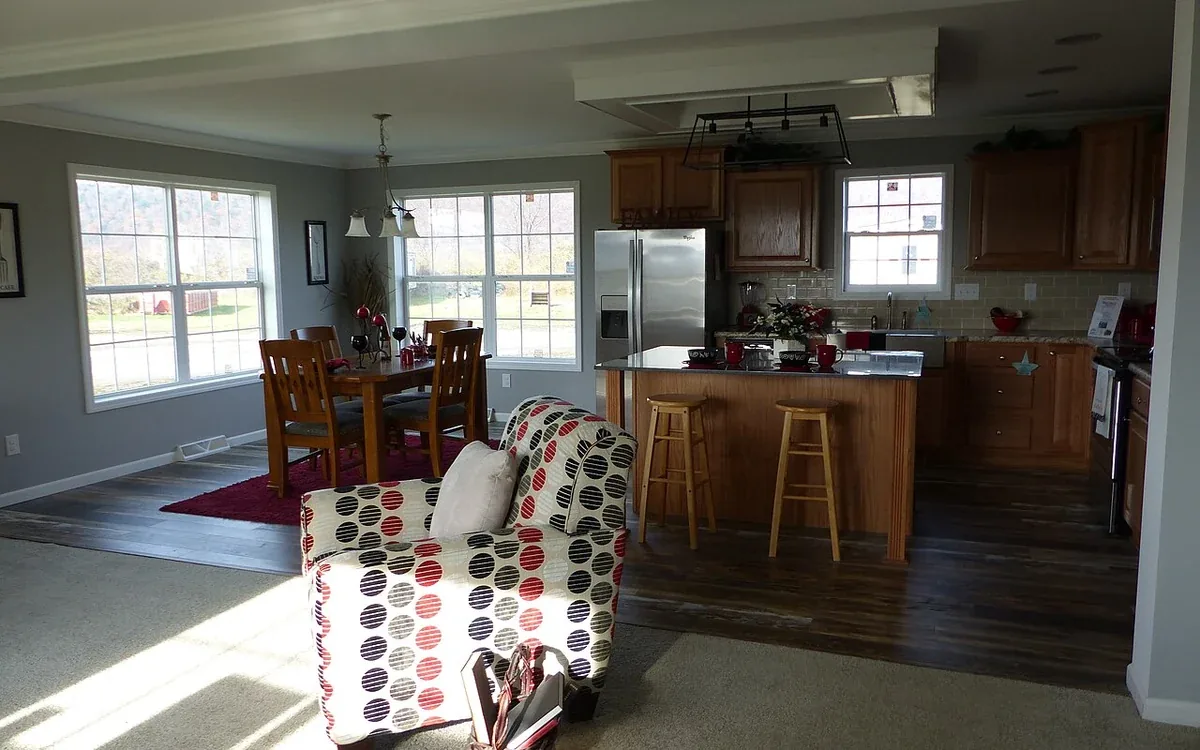
- Living and dining space facing a kitchen: Stilfehler. Original photograph, CC BY-SA 4.0. Cropped and resized.
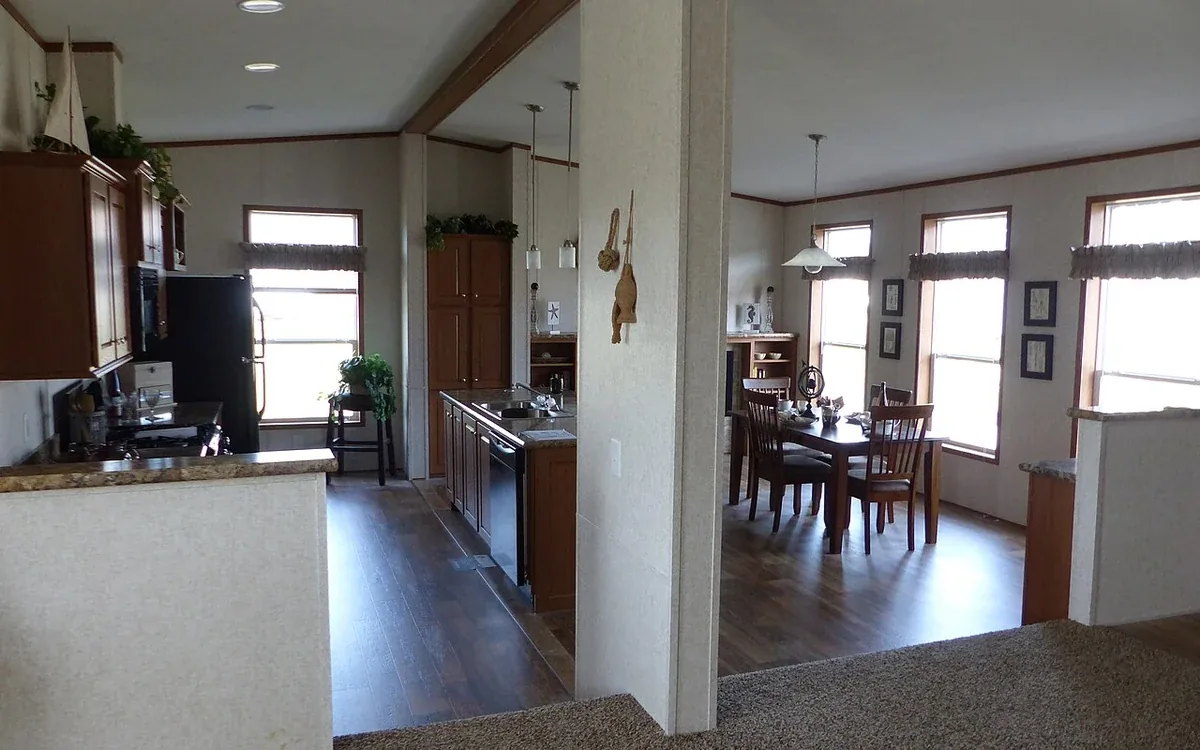
- Open-plan kitchen and dining room: Stilfehler. Original photograph, CC BY-SA 4.0. Cropped and resized.
- Bathroom with white cabinetry and a glass shower: OKJaguar. Original photograph, CC BY 4.0. Cropped and resized.






