
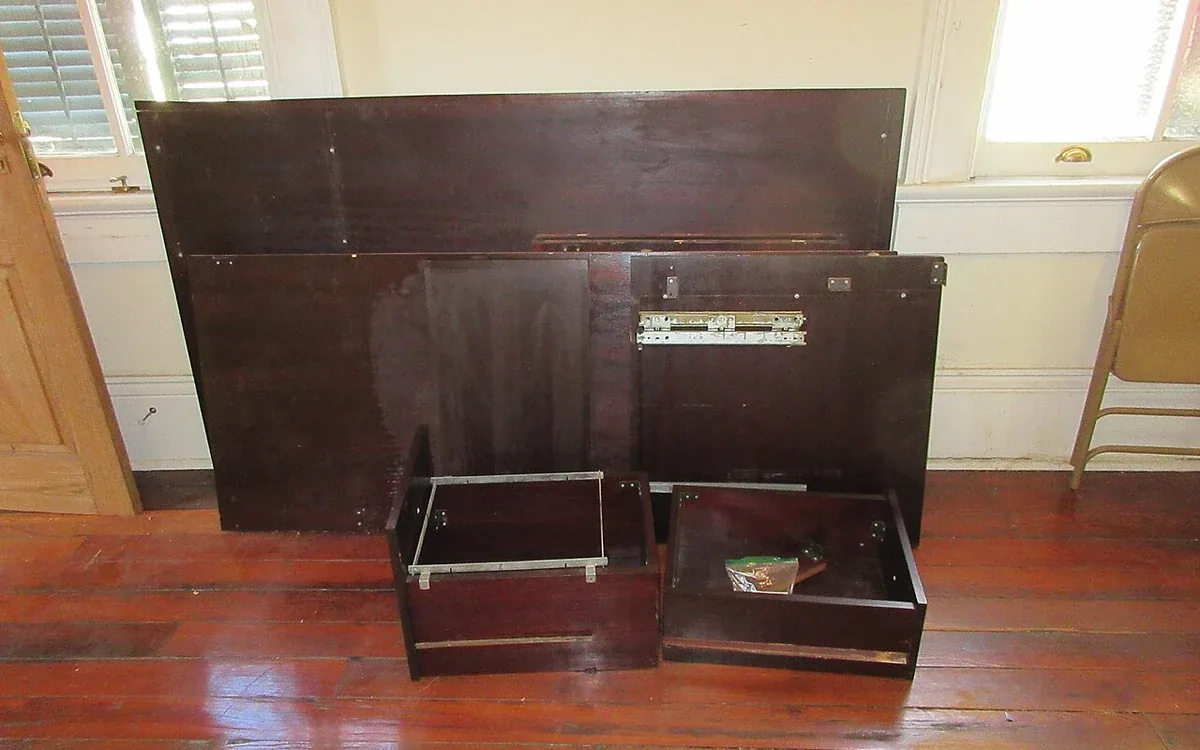
Decide which furniture to keep when remodeling by defining how each finished room will function, then keeping pieces that support those activities, remain comfortable and usable, or hold meaningful personal value. Give each retained item a specific destination and purpose. For a Charleston, SC household, start with how you want to use the home and what the current furniture helps or hinders.
Quick answer: Keep furniture with a clear role in the remodeled home. Compare pieces that serve the same purpose, separate temporary renovation needs from long-term choices, and put unresolved items on a conditional list with a specific question to answer. The household decides its preferences and authorizes changes to belongings it owns. Contractors, appraisers, legal advisers, and other responsible professionals handle decisions within their fields.
What should each room do after the remodel?
Start with an ordinary day in the finished room. Describe the activities before deciding which sofa, cabinet, or table returns. A living room might support conversation, television, reading, and a child’s play area.
Write a short purpose statement, such as: “This room needs comfortable seating for conversation and a place to read without moving other furniture.” Use that sentence to judge the furniture you own.
Consider:
- Regular activities: Eating, working, reading, hosting, resting, or playing.
- People using the room: Their comfort, mobility, reach, and preferences.
- Items needing a home: Books, dishes, work supplies, or hobby materials.
- Problems to solve: Awkward seating, inaccessible storage, or surfaces that attract piles.
A dining room becoming a work area may still benefit from the existing table. Its chairs may be uncomfortable for that new use. Treat those as separate decisions rather than keeping the entire set by habit.
For the broader sorting process, How do you declutter before a home renovation is the companion overview. Use this guide to decide which furniture belongs in the finished rooms.
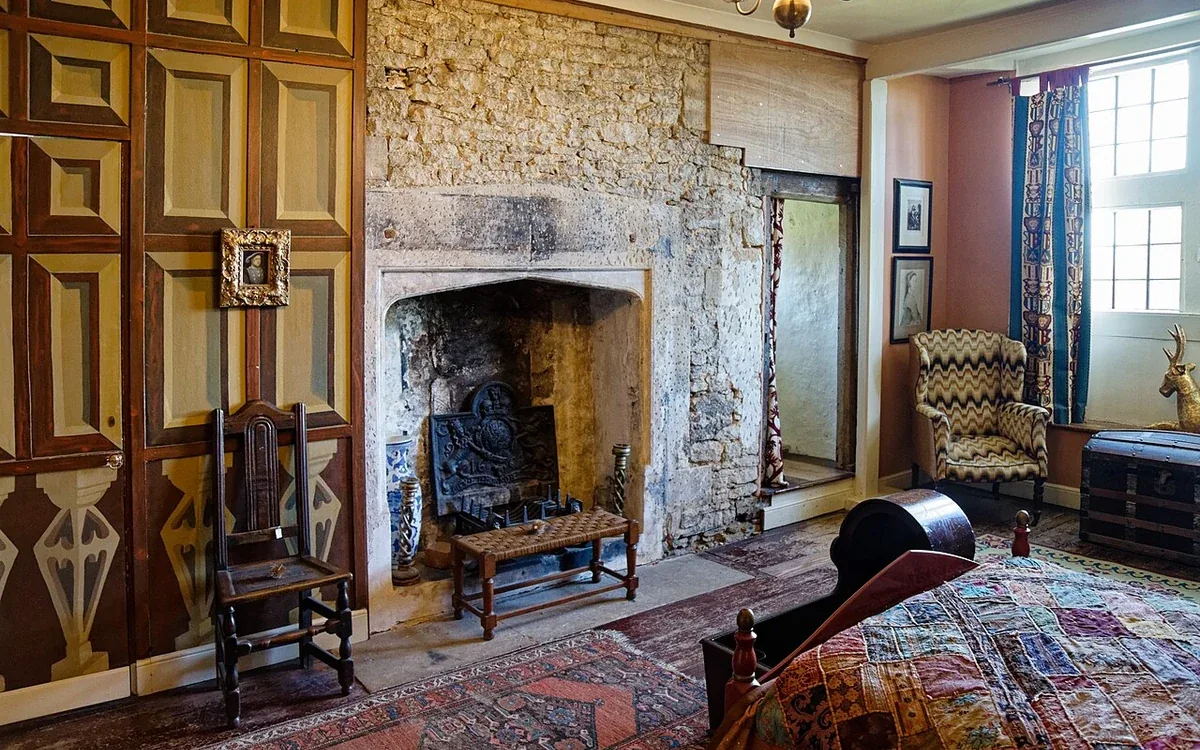
Which furniture deserves a place in the finished home?
Give each candidate a plain-language reason to stay. “We use this chair for reading, and it is comfortable” is more useful than “It is still good.” Good condition matters, but it does not establish a household need.
Look at everyday experience. Does someone choose this chair willingly? Can the person using the dresser open its drawers comfortably? Does the desk support actual work, or does it mainly hold papers waiting for attention?
Use these prompts:
- What activity will this piece support after construction?
- Who expects to use it?
- What works well about it now?
- What recurring frustration would return with it?
- Does another retained piece already do the same job better?
A favorite chair can be worth keeping even if it differs from the new finishes. An attractive cabinet may have no useful role once planned built-in storage replaces its function. Appearance belongs in the decision, alongside usefulness and comfort.
Clutter Cleaner of South Carolina’s downsizing and organizing service is a relevant option to discuss when sorting decisions feel difficult. Describe the future room uses and ask what help fits your project. The household retains control over what stays and what may leave.
Compare competing pieces by the job they perform
When several pieces could serve the same purpose, compare them together. Comparing their strengths reveals which choice best supports the new room.
For example, a household might have a sideboard and a display cabinet that both hold serving dishes. If the remodel changes how those dishes are stored, ask which piece still offers a useful function. Perhaps the sideboard provides a serving surface, while the cabinet’s display role no longer matters to anyone.
Describe the tradeoffs in practical terms:
- The chair is comfortable, but its upholstery needs professional assessment.
- The table supports meals and hobbies, but moving it requires coordination.
- The bookcase holds frequently used books, but the planned room has another storage option.
If you will remain in the house during construction, How do you organize a home while living through a renovation addresses temporary household arrangements. A piece that helps during construction can have a different long-term status.
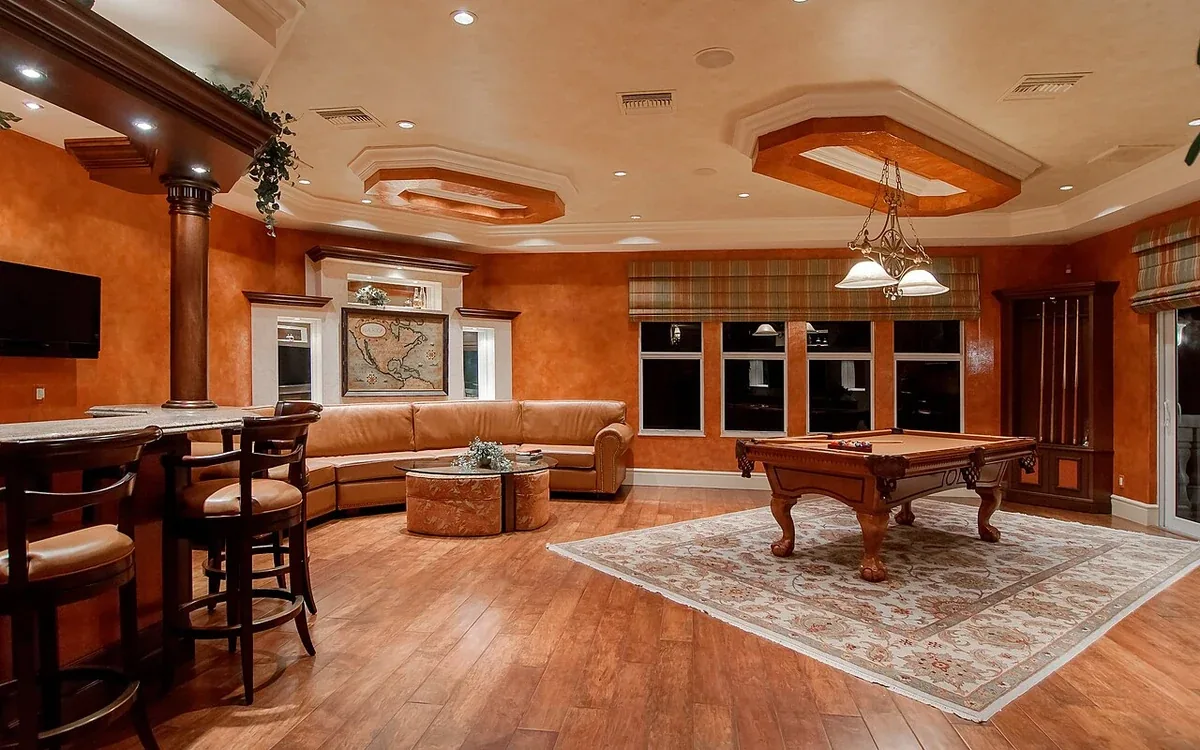
Can sentimental furniture stay without controlling the whole room?
Yes. Personal meaning is a valid reason to keep furniture. The useful question is how to honor that meaning while allowing the room to function as intended.
Ask what matters about the piece. It may be its connection to a person, a family gathering, or a period of your life. Sometimes the household wants the actual object. Sometimes the memory matters more than using it every day.
Discuss possible roles without promising that repurposing will work. An inherited writing desk might suit a letter-writing corner, but a proposed alteration needs separate assessment. Do not assume cutting, refinishing, or changing hardware is appropriate.
Where household members disagree, record each person’s concern before deciding. “I want a comfortable gathering room” and “I do not want to lose the table associated with family dinners” identify needs that can be discussed together.
If furniture is part of an estate, establish who has authority before authorizing its transfer. How do estate cleanouts work? provides related background for that situation. A remodeling preference does not settle ownership, inheritance, or an executor’s responsibilities.
Separate renovation use from the decision to keep
You might use an old table for household meals while the kitchen is unavailable. That does not automatically give it a permanent place afterward.
Assign distinct statuses:
- Keep for the finished home: Destination and purpose are clear.
- Use during renovation: Helpful now, with its final status recorded separately.
- Hold pending an answer: A specific uncertainty prevents a decision.
- Approved to leave: The authorized owner has decided, and a separate destination plan is needed.
Keep retained pieces out of any area designated for removal. Labels should identify the item and its status clearly enough that someone helping does not have to infer your intent.
Before belongings are relocated, What should you photograph before moving things for a remodel addresses useful documentation. Photographs can support identification and condition records; they do not establish legal ownership or provide an appraisal.
After construction, return furniture according to its agreed purpose.
Give every conditional decision a question to resolve
An undecided item needs more than a “maybe” label. Write down the missing answer and who can provide it.
For a cabinet, the question might be whether the final storage design leaves a useful role for it. For a chair, it might be whether a repair professional considers the proposed repair feasible. For jointly owned furniture, it may be whether the owners agree to release it.
A useful record contains:
- The item’s name or identifying description.
- Its proposed room and purpose.
- The unresolved question.
- The person responsible for answering it.
- The event that should trigger review, such as approval of the final room layout.
Avoid making storage the automatic answer to uncertainty. If you choose a storage provider, discuss access, protection, terms, and eventual retrieval separately. Storage preserves an option; it does not decide whether the furniture belongs in your remodeled home.
Turn retention choices into a practical handoff
A cleanout or move team may discuss item identification, household priorities, destinations, access, handling concerns, and which decisions remain unresolved. Ask what is included before relying on any particular arrangement.
Connect furniture decisions to rooms. “Keep the oak table for the dining area” is clearer than “Keep the good table.” Where similar pieces exist, use an identifying description or photograph.
Discuss:
- Which retained furniture needs to remain available during construction.
- Which pieces the household has authorized to leave.
- Who can approve a change if the plan encounters a problem.
- Which items have unresolved ownership or condition questions.
- How the household will confirm final destinations.
Moving furniture, storing it, repairing it, donating it, selling it, and disposing of it are separate choices. Confirm the responsible provider and arrangements for each chosen path. Do not assume a cleanout or move agreement includes contractor work, appraisal, storage, or disposal.
If a recipient or provider cannot accept a released piece, return the decision to the authorized household contact rather than improvising a destination.
Keep professional decisions with the responsible person
Your furniture plan should inform the remodel without substituting for professional judgment.
The household can decide desired room uses, comfort preferences, sentimental priorities, and whether to retain belongings it has authority to control. A practical support team can help discuss organization and handling within its agreed scope.
Other decisions belong elsewhere:
- Contractor or design professional: Construction methods, proposed built-ins, attachment details, and the feasibility of the remodel.
- Appraiser: A valuation needed for a specific purpose. Attachment or appearance does not establish market value.
- Legal adviser or authorized representative: Ownership disputes, estate authority, and restrictions on transferring belongings.
- Real-estate professional: Questions about a sale agreement, furnishings included in a sale, and home presentation.
- Inspector or responsible authority: Applicable inspection findings, safety requirements, permits, and compliance determinations.
If a piece is attached to the building, ask the appropriate professional before treating it as movable furniture. If condition raises a safety concern, obtain suitable assessment before planning continued use.
Clutter Cleaner of South Carolina lists code compliance support among its services. That support should not be treated as an inspection, legal determination, or approval from an authority.
Short FAQ
Should I keep furniture just because it matches the new finishes?
Matching finishes can help a room feel coherent, but the piece still needs a useful or meaningful role. Consider comfort, daily use, and maintenance before appearance becomes the deciding factor.
What if the final room design is still changing?
Keep the decision conditional and identify what design information is missing. Revisit it when that information is available. Avoid authorizing an irreversible transfer based on a layout the household has not accepted.
Does keeping furniture mean it must return to the same room?
No. A different room may offer a better role. Name that destination and confirm the intended use with the people sharing the home.
Who makes the final keep-or-release decision?
The owner or other properly authorized person. A support team can discuss practical options, but should not resolve disputed ownership or infer permission from an incomplete label.
Discuss help with your Charleston remodeling decisions
Clutter Cleaner of South Carolina has its physical business location in Mount Pleasant, SC, serves all of South Carolina, and has Charleston as its primary market. To discuss downsizing and organizing or move management for your household’s remodeling plans, call (843) 972-7020.
Bring your room purpose statements, retained furniture list, and unresolved questions. Ask which support fits the project and which arrangements you need to make separately.
Photo credits
- Disassembled wooden desk parts against a wall: Infrogmation. Original photograph, CC BY 2.0. Cropped and resized.
- Fireplace and furnishings in a bedroom: Acabashi. Original photograph, CC BY-SA 4.0. Cropped and resized.
- Large living room with open wooden flooring: Jolene Hardy jolene. Original photograph, CC0. Cropped and resized.






