
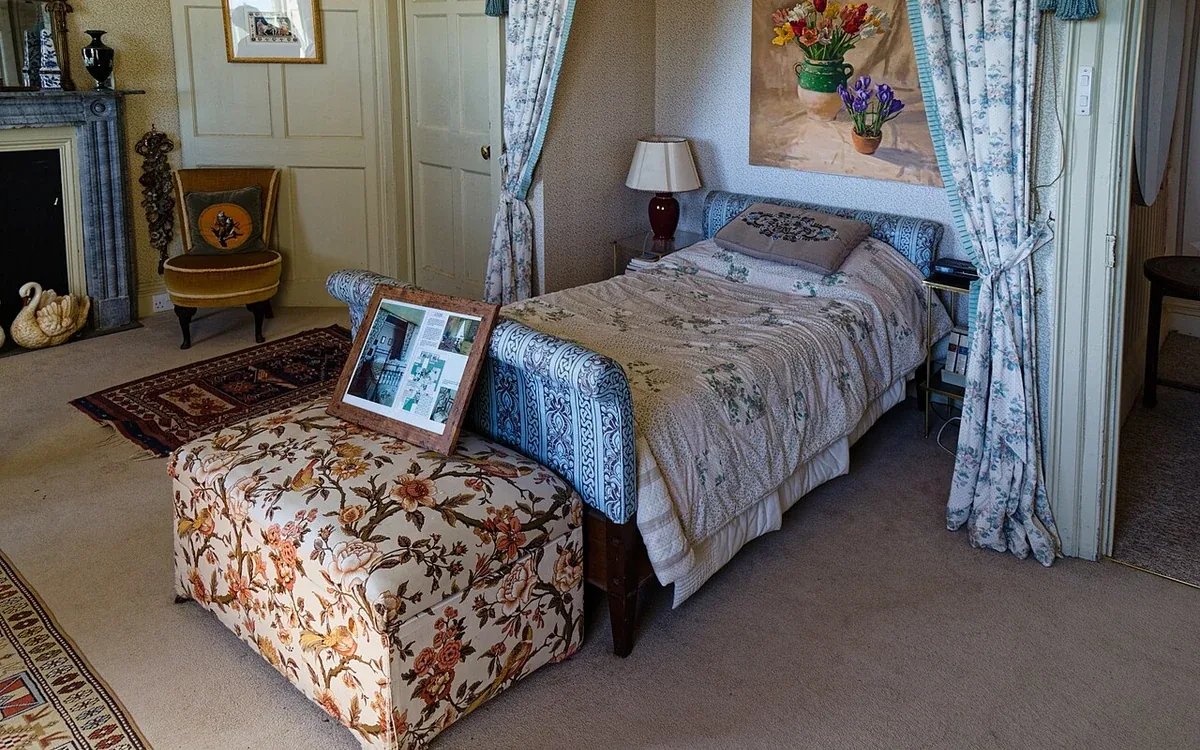
Before moving things for a remodel, photograph each room’s layout, the contents of shelves and drawers, belongings with visible wear, and groups that need to stay together. Then connect those photos to labeled containers and temporary locations. For a household in Charleston, SC, the useful result is a record that answers: what moved, where is it now, and where should it return?
Quick answer: Take wide room views, closer views of storage areas, and detail photos where condition or identity matters. Photograph packed contents before closing containers, then photograph the labels in their temporary locations. Add short notes for changed return locations, items kept accessible, and belongings awaiting a household decision.
What should you photograph first before clearing a room?
Start with the room as it is used, before anyone sorts or packs. A wide view from the doorway gives context. Views toward each wall help show which furniture, shelves, and everyday items belong in each area.
Photograph the relationships you may want to restore. That might be a reading chair beside a lamp, serving pieces in a dining cabinet, or a basket of supplies near a desk. A close photograph of the basket alone cannot explain its place in the room.
Useful room views include:
- Furniture positions relative to doors and windows.
- Freestanding shelves and the belongings on them.
- Surfaces holding items that will be temporarily relocated.
- Household arrangements that support daily routines.
- Areas the contractor has identified as needing clearance.
If you still need to decide what belongs in the room, How do you declutter before a home renovation covers that broader preparation. Here, the focus is preserving enough information to find and return the belongings you keep.
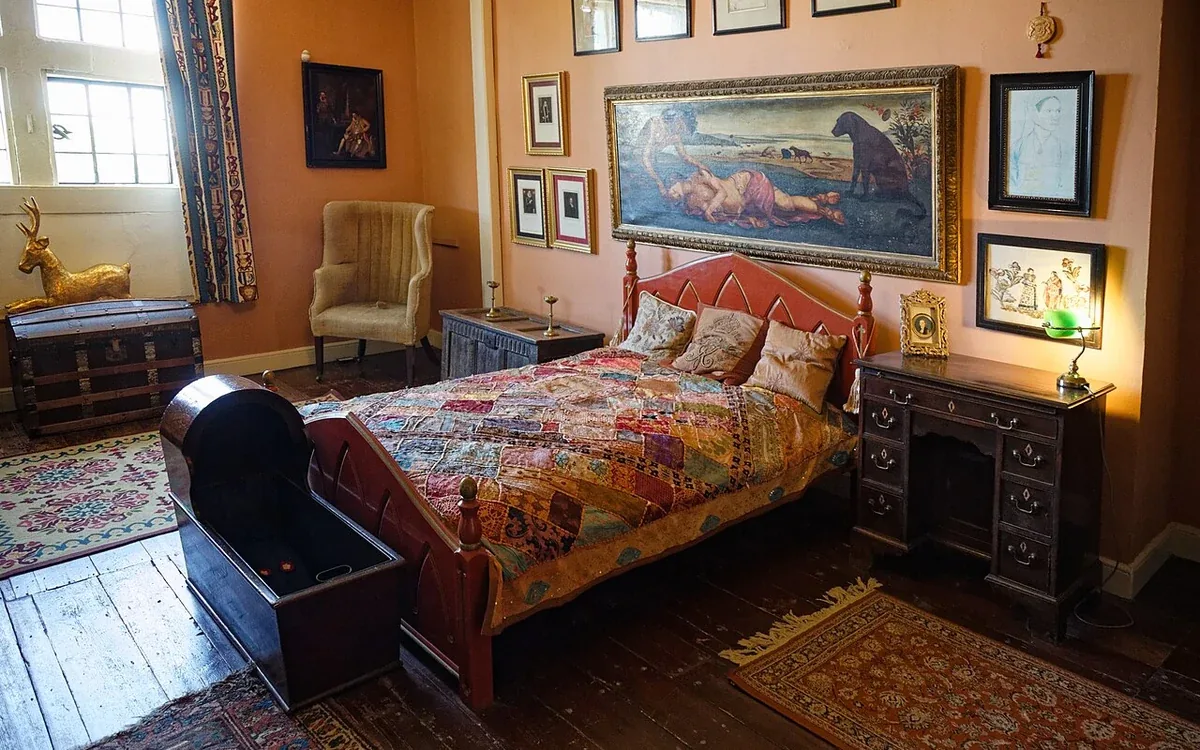
How do you photograph shelves, drawers, and closet contents?
Work from the storage area to its contents. Photograph the cabinet, drawer unit, or closet first, then capture each section clearly enough to recognize the groups inside.
Use descriptions that another household member will understand. “Kitchen cabinet beside refrigerator, upper shelf” is more useful than “miscellaneous kitchen.” Where similar cabinets repeat, include a nearby feature in the wider photo.
For drawers, photograph contents before lifting out organizers. Keep the image tied to the original drawer even if its contents will move into several containers. For shelves, show the whole shelf before taking closer views of smaller groups.
Focus on:
- Which items share a shelf, drawer, or bin.
- The order of categories that you want to preserve.
- Small pieces stored with a larger household item.
- Supplies needed while the room is unavailable.
- Contents that are easy to mistake for another group.
Avoid forcing open stuck drawers or reaching into unstable storage just to complete the record. A note about an inaccessible area is better than an unsafe photograph.
Closets often contain belongings with different temporary destinations. How do you prepare a closet for renovation work addresses that preparation in detail. Your photo record should show the original sections and identify which packed groups came from each one.
Clutter Cleaner of South Carolina’s downsizing and organizing service is a relevant place to discuss household sorting and organization needs. Ask about the scope of any proposed assistance rather than assuming photography, packing, or storage is included.
Which belongings need closer photos?
Use detail photographs when a wider view leaves a real question unanswered. A distinctive mark, matching pattern, or existing scratch may help you identify the right item later.
Photograph visible condition before handling where it matters to you. Include an overall view and a closer view of the feature. A close image of a chipped edge is difficult to interpret without a photo showing the whole object.
Good candidates include:
- Similar serving pieces that are easy to confuse.
- Decorative objects with visible chips, cracks, or worn areas.
- Furniture surfaces with existing marks.
- Collections whose arrangement helps identify missing pieces.
- Items with a readable model label that aids identification.
Keep the purpose practical. These are household contents and return-location records. A photo does not establish an appraisal value, legal ownership, insurance coverage, or responsibility for damage.
If a belonging may need appraisal, ask the appraiser what information they require. Do not clean, alter, or discard it based on a guess about its value.
Inherited belongings can also need a separate ownership decision. If that issue is part of your household’s situation, What is the best way to clean out an estate? offers a separate guide. Keep unresolved items clearly labeled instead of treating a remodel photograph as permission to remove them.
Connect each photograph to a label and a note
A phone album full of unlabeled images can become another pile to sort. Give each room or storage area a clear name, then use the same wording on containers and in your notes.
For example, a record might read:
- Original place: Dining room cabinet, lower left section.
- Contents: Table linens and napkin rings.
- Container label: Dining linens A.
- Temporary place: Guest room, agreed storage corner.
- Return plan: New dining cabinet, location to be confirmed.
- Access note: Everyday tablecloth kept separately.
Photograph the contents while they are visible, then the closed container with its readable label. If the group needs several containers, give each a distinct label and note the connection.
Check that labels are readable and dark corners have enough light. Retake a blurry image while the belongings are still in place.
Keep an untouched room view alongside any marked-up copy showing a planned return location.
Record temporary locations without losing everyday access
The temporary destination is part of the record, even when everything stays inside your owned home. “Moved upstairs” is less useful than “guest room, freestanding shelf beside the door.”
After containers arrive, photograph their labels and arrangement. Update the note if a container moves again. Otherwise, the record can confidently point everyone to an empty corner.
Separate belongings by how you will need them during the work:
- Items for regular use in the temporary living arrangement.
- Contents that can remain packed until the room is ready.
- Belongings awaiting a keep, donate, sell, or disposal decision.
- Items needing special handling advice from an appropriate provider.
For a kitchen remodel, the household might keep everyday cups accessible while packing occasional serving pieces. Photograph and label these groups separately so a needed cup does not disappear into a general kitchen box.
Confirm temporary placement with the contractor where it affects the work area or access. The household chooses what needs to stay available; the contractor identifies relevant project restrictions.
Off-site storage is a separate household and provider choice. Discuss conditions, access, permitted contents, and responsibility directly with the storage provider. A contents photograph does not confirm that a location is suitable.
Use the record to guide conversations with a team
Photos can help a practical cleanout or move team understand the household’s plan. They are most useful when paired with clear decisions about what stays, what moves, and what remains undecided.
A team may discuss container labeling, grouping belongings, handling concerns, temporary placement, and how the household wants return locations recorded. Confirm who will take photos, maintain notes, and approve changes before work begins.
Make the difference between household belongings and renovation debris clear. What is the difference between decluttering and renovation cleanup explains that distinction. A container marked “not returning to this room” still needs a separate decision about its destination.
Household members can decide their preferred arrangement, access needs, and disposition of belongings they are entitled to manage. Other decisions stay with the responsible professional or authority:
- Contractors address construction methods and project requirements.
- Appraisers determine valuation within their professional scope.
- Real-estate professionals advise on sale-related presentation and transaction matters.
- Inspectors and relevant authorities address inspections, permits, and compliance determinations.
- Qualified legal professionals address ownership disputes or legal obligations.
- Disposal providers or relevant authorities confirm acceptance and handling requirements.
Clutter Cleaner of South Carolina lists move management and code compliance support among its services. Support does not mean issuing permits, approving construction, or making legal determinations.
Plan the return without rebuilding the old clutter
Before packing, note whether each group should return to its original area or receive a new location. The remodeled room may have different cabinets, fewer shelves, or a changed purpose.
Use “return location pending” where the household has not decided. That honest label is more helpful than assigning a cabinet that does not yet exist.
Once the responsible contractor confirms that an area is ready for belongings, compare the record with the finished space. Bring back a group, check its contents, and record its actual destination. Avoid unpacking everything solely because the old photographs show it together.
If something is missing, trace the group through its original-place photo, container label, and temporary-location note. If visible condition appears different, preserve the images and discuss the concern with the relevant party. Do not assume the photo alone establishes what happened.
Keep the record until the household has checked the returned contents and resolved any open questions. Remove unnecessary shared copies when they no longer serve a purpose.
Protect private information in household photos
Check the frame before photographing drawers or desks. Mail, financial papers, medication labels, computer screens, keys, and security details can appear in the background.
Move sensitive papers out of view when practical. If they need a location record, use a neutral label such as “household documents” rather than photographing readable pages.
Share only the images someone needs for their role. A team arranging labeled containers may need storage views without needing access to the household’s full album.
Choose a backup location the household controls. Confirm that the person coordinating the return can open the record without relying on someone else’s unavailable phone.
Short FAQ
Do I need to photograph every item?
Usually, group photographs are the practical starting point. Add individual views where identity, visible condition, or a specific return location matters. An undifferentiated drawer may need clearer grouping before its photo becomes useful.
Should I photograph packed boxes?
Yes. Photograph visible contents before closing, then the label and temporary placement. An exterior box photo alone cannot show what is inside.
What if the original cabinet is being removed?
Record the original location for reference and name the intended function, such as “everyday baking supplies.” Confirm the new return location when the replacement space is available.
Can Clutter Cleaner help me discuss organizing needs?
Clutter Cleaner of South Carolina serves all of South Carolina, with Charleston as its primary market and its physical business location in Mount Pleasant, SC. Call (843) 972-7020 to discuss downsizing and organizing or move management needs and confirm the scope appropriate to your remodel.
Photo credits
- Bed and upholstered stool in a furnished bedroom: Acabashi. Original photograph, CC BY-SA 4.0. Cropped and resized.
- Patterned bed in a room with framed artwork: Acabashi. Original photograph, CC BY-SA 4.0. Cropped and resized.
- Window viewed across a household surface: ORNELLA BINNI ornellabinni. Original photograph, CC0. Cropped and resized.






