
Decluttering means deciding which household belongings to keep, move, sell, donate, or discard. Renovation cleanup concerns materials and residue created by building work, including debris and construction dust. A Charleston, SC household may need both, but they require separate scopes and responsible providers. Clutter Cleaner of South Carolina offers downsizing and organizing; renovation cleanup, remediation, and building work are outside the services described here.
Quick answer: Decluttering addresses your possessions and how you use your space. Renovation cleanup addresses the effects of construction. The household directs belongings decisions, subject to ownership and any legal restrictions. Contractors and separately engaged cleanup providers define construction cleanup responsibilities. Hazardous-material assessment, disposal requirements, inspections, and compliance decisions belong with the appropriate professionals or authorities.
What does decluttering cover before a renovation?
Decluttering starts with the contents of a home: furniture, clothing, books, kitchenware, papers, collections, and stored possessions. Its purpose is to decide what belongs in your next arrangement, whether that means a remodeled kitchen, a smaller home, or rooms that work better for daily life.
A room can look neat while still holding belongings that no longer fit your needs. Packing everything into boxes clears space for work, but it postpones those choices. Decluttering makes the choices explicit before items are moved.
Useful distinctions include:
- Keep and use: Belongings that serve a clear purpose in the household.
- Keep elsewhere: Items you want to retain but cannot leave in the work area.
- Consider releasing: Possessions you own and may choose to sell, donate, or discard.
- Hold for review: Items with uncertain ownership, value, or family significance.
Downsizing and organizing services are relevant when the main challenge is sorting possessions and planning usable space. A practical team may discuss your priorities, room access, labels, and decisions that need your approval.
If inherited belongings are involved, the existing guide How do estate cleanouts work? addresses that separate context. Clearing space for a renovation does not resolve who has authority over estate property.
What does renovation cleanup include?
Renovation cleanup deals with what construction leaves behind. Depending on the project and the provider’s written scope, that may involve removed materials, packaging, offcuts, surface residue, and construction dust. The phrase alone does not tell you which tasks are included.
For example, a contractor’s agreement might address removal of demolition debris while leaving detailed surface cleaning to another provider. A cleaning agreement might cover accessible surfaces without covering ventilation equipment, concealed spaces, or hazardous materials.
Ask the responsible provider to distinguish among:
- Removal of construction debris from the work area.
- Transport and disposal of specific material types.
- Cleaning agreed surfaces after building work.
- Any excluded materials, spaces, or conditions.
An empty room is not necessarily clean, and a visibly clean room is not proof that a hazard has been resolved. Neither condition confirms that construction has passed inspection or is ready for occupancy.
The contractor should explain responsibilities under the building-work agreement. A separately engaged cleanup provider should explain its own capabilities and exclusions. Do not assume a household organizing team takes on those tasks because it is already helping clear rooms.
Where do the tasks overlap without becoming the same job?
The overlap is physical space. Belongings may need to leave a room before work starts and return after the responsible parties confirm that the area is ready. That creates handoffs between household decisions, moving arrangements, construction, and cleanup.
The tasks remain different even when they happen in the same room. Choosing whether to keep a dining table is decluttering. Moving that table is a handling task within an agreed scope. Removing damaged wallboard and addressing construction residue belong in the building-work and cleanup arrangements.
These companion guides explore the household stages in more detail:
- How do you declutter before a home renovation focuses on decisions about possessions before work begins.
- Where should you put belongings during a home renovation addresses temporary placement choices.
- How do you organize belongings after a renovation focuses on arranging retained items when rooms are ready.
Use this overview to identify the kind of help you need. The linked guides address those narrower belongings questions without treating them as construction cleanup.

Who should handle debris, dust, and possible hazardous materials?
Construction materials need a separate discussion from ordinary household possessions. A bag of unwanted clothing and a pile of removed flooring may both be leaving the property, but they do not automatically share the same disposal route.
Ask the contractor or appropriate disposal provider what each material is, who will handle it, and where it may be taken. Confirm acceptance requirements with the receiving facility or responsible authority. Local requirements should be checked for the property and material involved, rather than assumed from a general article.
Possible lead, asbestos, mold, unidentified chemicals, or contaminated materials change the conversation. Their presence cannot be determined from clutter, a photograph, or the fact that a house is being renovated.
If an unknown or suspect material is encountered:
- Leave it undisturbed and separate from household sorting.
- Notify the contractor or responsible property contact.
- Seek assessment from an appropriately qualified professional.
- Let that professional identify any testing, handling, or remediation needed.
Avoid sweeping, bagging, or carrying suspect material through the home while waiting for advice. A household cleanout or move team should not be asked to identify hazards or certify that an area is safe.
Dust also needs a defined scope. Ask the responsible construction or cleanup provider how it will be addressed and who determines when belongings can return. Any specialist assessment or clearance remains a separate professional responsibility.
Which decisions belong to the household, and which require a professional?
The household can set goals for possessions it owns: what to keep, what to make accessible, which rooms to prioritize, and what proposed arrangements it prefers. It can also choose whether to engage separate providers for storage, transport, disposal, or valuation.
Ownership and authority must be clear before an item leaves. A family member’s preference does not settle a disputed inheritance, jointly owned property, or another person’s belongings. The responsible estate representative or legal adviser handles questions about legal authority and restrictions.
Other decisions have their own owners:
- Appraisal: An appropriate appraiser determines value for the purpose at hand. Sentimental value and sale expectations are separate household considerations.
- Real estate: The responsible real-estate professional advises on sale strategy, disclosures, and transaction questions.
- Building work: The contractor and relevant specialists address construction methods and work within their responsibilities.
- Inspection and compliance: The responsible inspector or authority determines requirements and any applicable approvals.
A practical cleanout or move team may help document decisions, identify items awaiting review, and discuss how approved belongings will be handled within its agreement. That coordination does not grant legal authority, establish appraised value, or approve building conditions.
Clutter Cleaner of South Carolina lists code compliance support among its services. Support should never be understood as issuing an inspection result, interpreting every applicable rule, or guaranteeing an authority’s approval.
Write separate scopes around the handoffs
A useful project plan names who is responsible at the points where belongings and building work meet. Separate written scopes make it easier to spot a task that nobody has accepted.
The household portion can identify possessions that must stay, items awaiting a decision, and who may approve removal. The contractor’s scope can identify work areas, access needs, construction waste responsibilities, and conditions affecting other providers.
A cleanout or move discussion may cover:
- Which belongings are approved for handling.
- Which pieces need special handling discussed in advance.
- Where retained possessions are intended to go.
- Who answers questions when labels or instructions conflict.
The construction cleanup discussion should separately address debris, dust, disposal, exclusions, and the agreed condition at handover. Avoid a vague instruction such as “clear everything out,” which could mean removing possessions, stripping fixtures, or collecting construction waste.
Storage is another household or separate-provider choice. Confirm access, item restrictions, protection arrangements, and terms with the provider you select. Organizing help does not guarantee storage space or responsibility for conditions at a storage facility.
When plans change, update the relevant scope before affected work proceeds. A newly discovered material or an expanded work area can alter the handoff even if the household’s keep decisions stay the same.
Can one room need decluttering and renovation cleanup?
Yes. Consider a kitchen planned for renovation. The household may decide which dishes, small appliances, and cookbooks to retain. Those choices are decluttering, even if every cabinet must eventually be emptied.
The household then chooses where retained items will go. A practical move team may discuss packing and handling within its agreed services. The contractor identifies what access the building work requires and which fixtures or materials are part of that work.
Removed cabinets, flooring, and construction residue belong in the contractor and cleanup discussions. Before belongings return, the responsible parties need to address the agreed cleaning condition and any required professional review.
This distinction prevents several misunderstandings. Keeping a cabinet’s contents does not mean keeping the cabinet. Clearing the floor does not authorize removal of a fixture. Returning boxes does not certify the room’s condition.
It also helps when a renovation accompanies downsizing or home sale preparation. Decisions about possessions can support those goals, while repair recommendations, buyer expectations, valuations, and required disclosures remain with the appropriate professionals.
Choosing help in Charleston and across South Carolina
For a Charleston household, start by describing the problem plainly: “We need help deciding what to keep and moving retained belongings out of the work area,” or “We need construction debris and dust addressed.” Those requests point to different scopes.
Clutter Cleaner of South Carolina’s physical business location is Mount Pleasant, SC. Charleston is its primary market, and its verified service territory covers all of South Carolina. Its listed services include downsizing and organizing, estate cleanouts, move management, auctions and estate sales, home sale preparation, and code compliance support.
To discuss the belongings side of a transition, call (843) 972-7020. Explain the rooms involved, the possessions decisions still open, and any contractor restrictions already identified. Confirm the proposed scope directly; arrange renovation cleanup, remediation, building work, and storage separately as needed.
Short FAQ
Is packing the same as decluttering?
No. Packing prepares belongings for handling or temporary placement. Decluttering decides which belongings you want to retain. You can pack a room without making those decisions.
Can construction debris go with unwanted household items?
Do not assume so. The responsible disposal provider or facility must confirm acceptance for each material. Suspect hazardous materials need appropriate professional assessment before handling.
Does a cleared home satisfy inspection or compliance requirements?
A cleared home may provide access, but it does not establish compliance. Required inspections, legal determinations, and approvals stay with the responsible professionals or authorities.
Photo credits
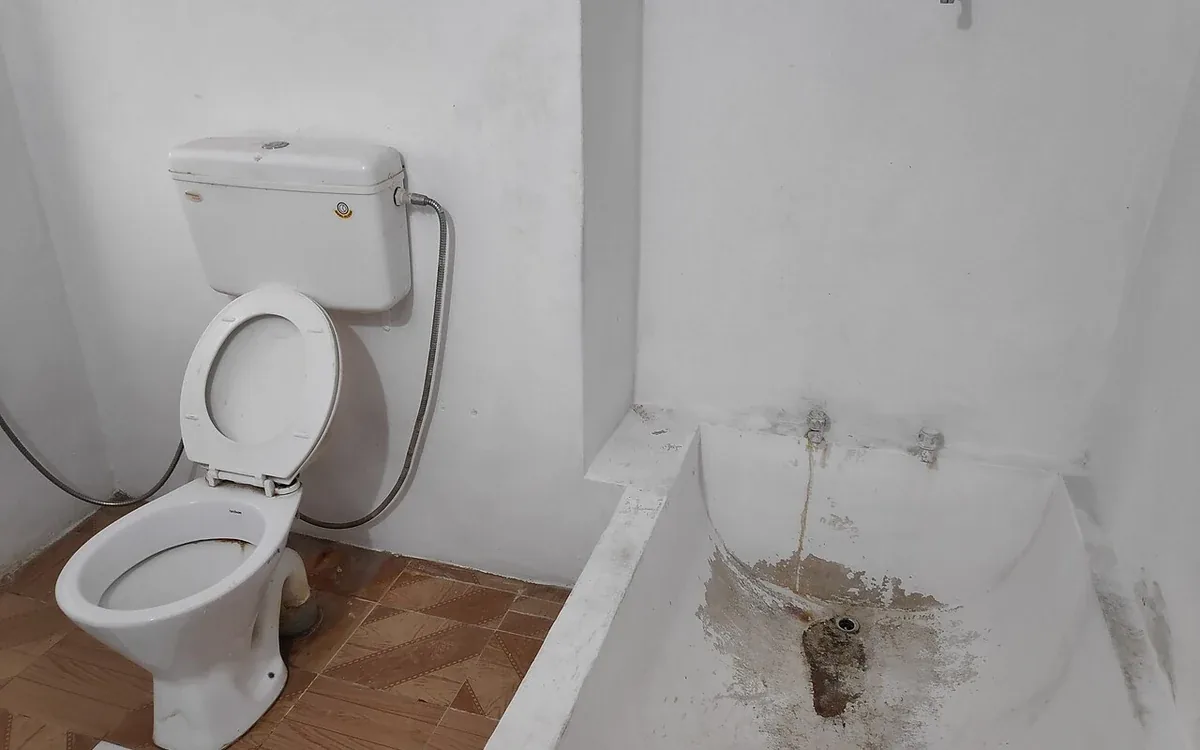
- Bathroom with a removed bath surround: Gaurav Dhwaj Khadka. Original photograph, CC BY-SA 4.0. Cropped and resized.
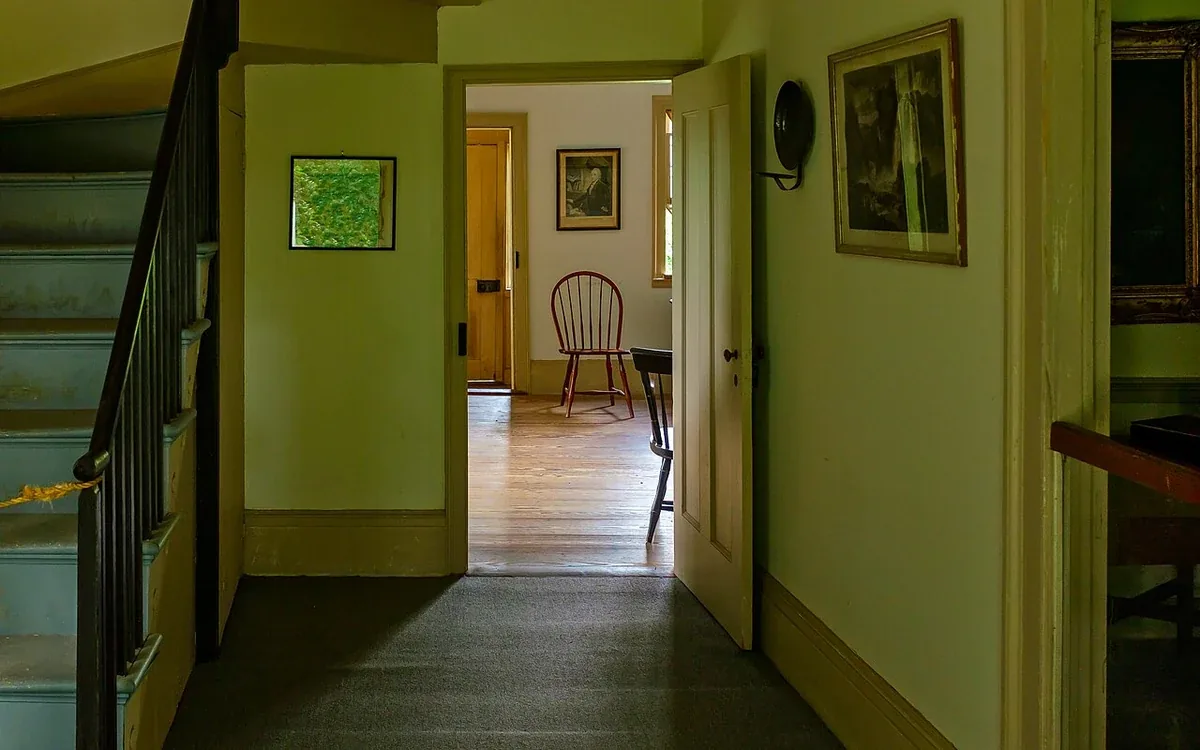
- Hallway opening into a furnished room: Bonnachoven. Original photograph, CC0. Cropped and resized.
- Wood-paneled room with seating and tall windows: Simon Rae simonrae. Original photograph, CC0. Cropped and resized.






