
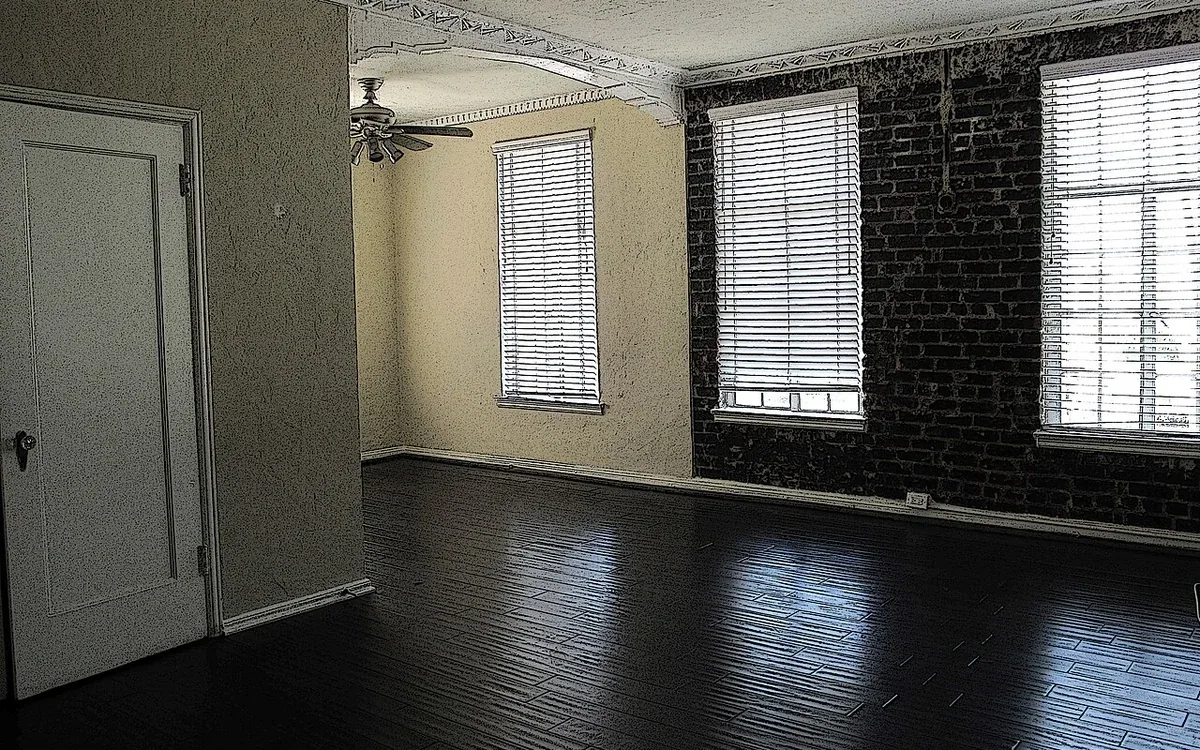
Put belongings outside the renovation work area, using a spare room or another suitable on-site holding zone for items you can protect and reach safely. Arrange separate storage when the house lacks usable space or the work will affect your proposed holding area. Keep daily essentials with the household. For Charleston, SC households, the choice depends on the renovation footprint, access needs, and each item’s care requirements.
Quick answer
- Keep nearby: medication, documents, clothing, work supplies, and a small set of daily-use items.
- Hold on-site: packed belongings in a suitable room outside the contractor’s work and access routes.
- Arrange storage separately: furniture and other items that cannot remain safely in the available home space.
- Confirm before packing: which rooms, routes, utilities, and access points the contractor needs.
- Separate permanent decisions: selling, donating, or disposing of possessions requires its own household approval.
What makes an on-site holding zone workable?
A holding zone needs more than empty floor space. It must remain usable while contractors bring in materials, open walls, or move between work areas. A room beside the project may still be unsuitable if it becomes a delivery route.
Walk through the proposed location with your contractor before moving furniture. Ask whether later work phases will need that room, its doorway, or nearby building systems. The contractor should explain the work footprint and access requirements; the household decides which available space it can spare.
Look for a location where:
- Doors and necessary passageways remain accessible.
- Stored items do not block access to equipment or utility controls.
- Boxes can be reached without climbing over furniture.
- Household members can still use essential living space.
- The contractor can explain how the area relates to dust-producing work.
A guest room might suit packed books and occasional-use dishes. A dining room might fail if it sits between the entrance and the project. Judge the actual room and route, rather than assuming that a closed door makes any space suitable.
Reduce the amount that needs a temporary home
Separate belongings you intend to return from things you no longer want. Otherwise, temporary storage can preserve decisions you already know you need to make, while consuming the space required for renovation.
Keep this sorting modest. You do not need to resolve every sentimental possession before choosing a holding zone. Mark uncertain items clearly and give them a defined place, rather than mixing them with confirmed keepers or approved departures.
How do you declutter before a home renovation focuses on those keep-or-release decisions. Here, the question is where retained belongings should live while the house is disrupted.
If the volume or sorting decisions feel difficult, discuss downsizing and organizing services with Clutter Cleaner of South Carolina. Ask what help fits the project and what the household must decide. Storage rental, contractor work, appraisals, and disposal arrangements remain separate choices unless a specific arrangement is confirmed.
If possessions belong to an estate or have disputed ownership, pause permanent removal decisions. The existing guide What is the best way to clean out an estate? provides a related starting point. The authorized representative and legal adviser remain responsible for ownership and estate decisions.
When should you arrange storage outside the house?
Separately arranged storage becomes worth considering when keeping everything home would compromise household use or interfere with the project. A whole-floor renovation creates a different space problem from work confined to a room.
Test the on-site option against daily life. Can someone reach their clothes without moving boxes? Can furniture remain outside the work footprint? Will the proposed holding room itself need clearing during a later phase?
Outside storage may make sense when:
- Large furniture occupies the space needed for household routines.
- Multiple work areas leave no dependable holding room.
- Items need conditions the available home space cannot provide.
- Keeping belongings on-site would require repeated reshuffling.
- The household will be elsewhere and cannot manage access easily.
Compare provider terms before choosing. Ask about access, permitted contents, handling responsibilities, environmental conditions, security provisions, and coverage. Do not assume a unit or container meets an item’s care requirements because it is described as storage.
A portable container on the property is also a separately arranged option. Placement depends on access, site suitability, provider requirements, and any applicable permissions. Confirm restrictions with the responsible property manager or authority instead of treating driveway space as automatic approval.
Give kitchen belongings destinations by function
Kitchen displacement makes the difference between accessible supplies and stored possessions especially clear. Everyday dishes need a reachable home, while serving platters and seldom-used appliances may fit a remote holding zone.
Identify the household’s usable food-preparation area before assigning boxes. Keep the items needed there together. Place the rest according to whether they will stay on-site or enter separately arranged storage.
How do you empty kitchen cabinets before a remodel covers the cabinet-clearing question. How do you set up a temporary kitchen during a remodel addresses the temporary setup. Use those guides for the detailed tasks while this plan gives each group a destination.
Label by function rather than using “kitchen” on every box. “Daily dishes, household access” distinguishes a reachable container from “Serving dishes, return after work.” Avoid burying food, medication, or appliance instructions among stored items.
Any temporary appliance use should follow manufacturer instructions and the contractor’s guidance about available utilities. A convenient tabletop does not establish that a setup is suitable.
Can a garage, attic, or nearby household hold everything?
These locations deserve the same scrutiny as a spare room. Available space does not guarantee appropriate conditions, safe access, or permission to use it.
For a garage, consider vehicle movement, existing equipment, and whether contractors need it for materials. Do not place belongings where retrieving them requires crossing an active work area.
An attic may involve difficult stairs, restricted access, or uncertain suitability for added contents. Ask the appropriate contractor or qualified professional about load and access concerns. An organizing decision cannot establish structural capacity.
A relative’s home can work for selected belongings if everyone agrees on the arrangement. Discuss:
- Which items are being accepted.
- Where they will sit and who can retrieve them.
- Whether pets, children, or routine household use affect that space.
- Who will handle transport and any changes to the arrangement.
Check care instructions for furniture, electronics, artwork, and fabrics before choosing a location. Ask a storage provider or relevant specialist about needs you cannot determine yourself. Avoid assuming an unused space offers protection simply because it has a roof.
Use a mixed plan when belongings have different needs
You do not have to choose one destination for everything. A mixed plan can preserve living space without making daily essentials hard to retrieve.
For example, a household might keep clothing and work materials in its occupied bedroom, put packed decorative items in a suitable guest room, and separately arrange storage for furniture that would crowd both rooms. This is a planning example, not a recommendation for every property.
The useful distinction is access:
- Household essentials: stay within ordinary reach.
- Stored on-site items: remain outside work routes but can be retrieved when needed.
- Stored elsewhere: contain belongings the household can reasonably do without.
- Decision pending: stays separate until the authorized person decides.
Give each group a named destination. “Move later” is not a destination and often leaves belongings in the contractor’s way.
Make stored items identifiable and retrievable
An inventory helps only if it tells you where an item actually went. Record the holding room or separately arranged storage location alongside the contents. Update that location when boxes move.
Use labels such as “Bedroom linens, guest-room holding zone” or “Dining chair hardware, furniture storage.” Keep sensitive information out of visible labels. Important documents and valuables should remain under the household’s control or another deliberately chosen secure arrangement.
Before moving large or fragile items, discuss protection and handling with whoever will do the work. Photograph condition where useful, keep loose hardware identified, and confirm any limits on handling. Specialist packing or care may require a separate provider.
Avoid creating an inaccessible wall of boxes. Leave a practical retrieval route, place frequently needed containers within reach, and keep heavier contents in manageable loads. Ask the moving or cleanout team about safe handling rather than guessing what someone can lift or stack.
Agree on responsibilities before belongings move
The household can decide what it needs nearby, what it wants to retain, and which suitable space it will give up temporarily. It can also approve particular items for sale, donation, or disposal when it has authority to do so.
A practical cleanout or move team may discuss sorting, labels, furniture handling, access routes, and the sequence of clearing spaces. Confirm the actual scope, destinations, and exclusions before work begins.
Other decisions stay with the responsible professional or authority:
- Contractors determine construction methods and explain their work-area needs.
- Qualified appraisers assess value when an appraisal is needed.
- Legal advisers or authorized representatives address ownership and estate authority.
- Real-estate professionals advise on sale-related preparation and presentation.
- Inspectors and relevant authorities determine matters within their inspection or compliance roles.
- Storage and disposal providers explain their own acceptance rules and terms.
Clutter Cleaner of South Carolina’s code compliance support does not replace an official determination. Likewise, discussing belongings does not establish appraisal value or authorize construction work.
Return belongings according to room readiness
Choose return conditions with the contractor rather than relying only on a calendar date. Ask when the room can receive furniture, what access must remain open, and whether any surfaces have care instructions affecting placement.
Keep the stored inventory until everything has a confirmed destination. Check returned items and match furniture hardware before dismantling the holding area. If the finished layout has less usable space, reconsider the placement instead of forcing every retained item back into its former spot.
Clutter Cleaner of South Carolina is physically based in Mount Pleasant, SC, with Charleston as its primary market and a service territory covering all of South Carolina. To discuss downsizing and organizing or move management for renovation displacement, call (843) 972-7020. Confirm the project’s scope and any separately needed providers.
Short FAQ
Should every piece of furniture leave the house?
No. Furniture may remain in a suitable holding area outside the work footprint. Arrange another destination when contractor access, item protection, or household use makes that area unsuitable.
Can belongings stay in the room being renovated?
Ask the contractor whether anything can remain and what protection is appropriate. Do not assume a covering makes furniture compatible with demolition, installation, or inspection access.
Does choosing storage mean deciding what to sell?
No. Temporary placement and permanent ownership decisions are separate. Label uncertain possessions and keep them apart from items specifically approved for sale, donation, or disposal.
Photo credits
- Empty room with dark wooden flooring: Downtowngal. Original photograph, CC BY-SA 3.0. Cropped and resized.
- Empty room with wooden flooring: Maite gr. Original photograph, CC BY-SA 4.0. Cropped and resized.
- Empty room through open double doors: Philipp Berndt philberndt. Original photograph, CC0. Cropped and resized.






