
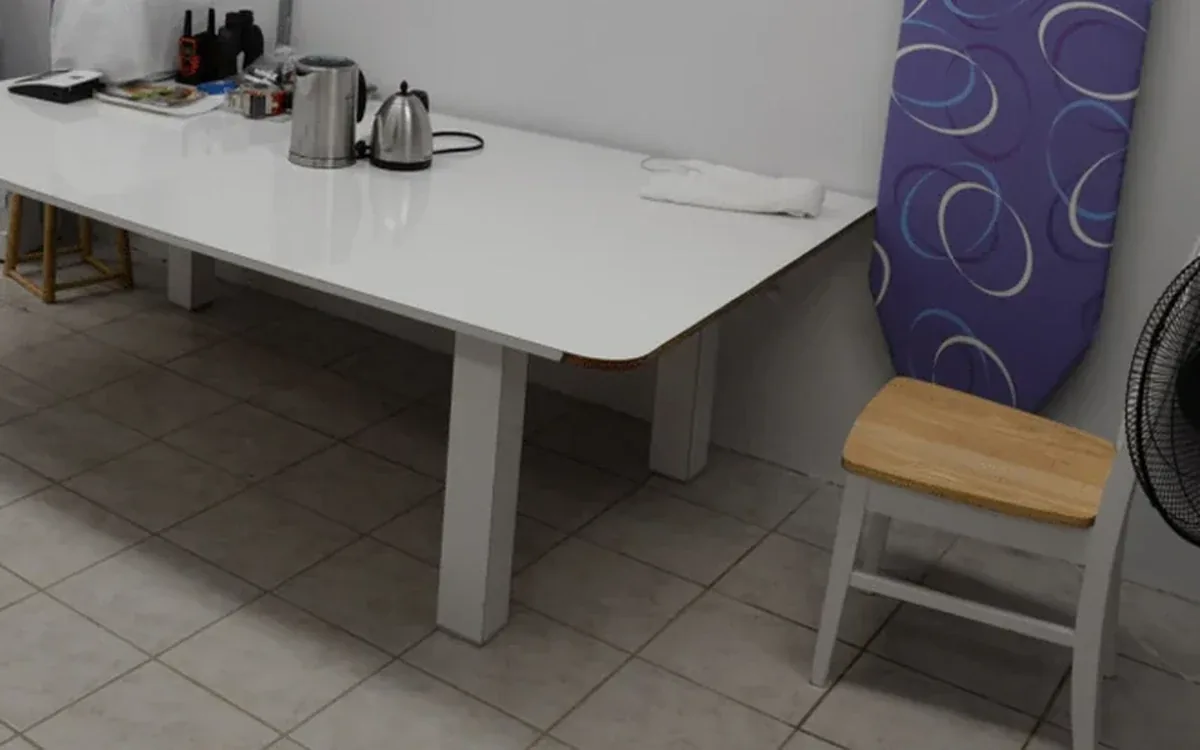
Set up a temporary kitchen during a remodel by choosing a clean area outside the construction zone, keeping only the belongings needed for your planned meals, and giving food, dishes, and cleanup supplies clear homes. Use existing utilities and appliance locations only when they are confirmed safe for that use. Pack the remaining kitchen contents separately so you can find them without disrupting the temporary setup.
Quick answer
Build the temporary kitchen around meals you can safely prepare in the space you already have.
- Choose an area away from construction activity and required access routes.
- Keep everyday dishes, utensils, food containers, and essential pantry items within reach.
- Separate clean supplies, food preparation, and items waiting to be washed.
- Label packed belongings by contents and future cabinet destination.
- Ask the responsible contractor or qualified professional about utility access and appliance suitability.
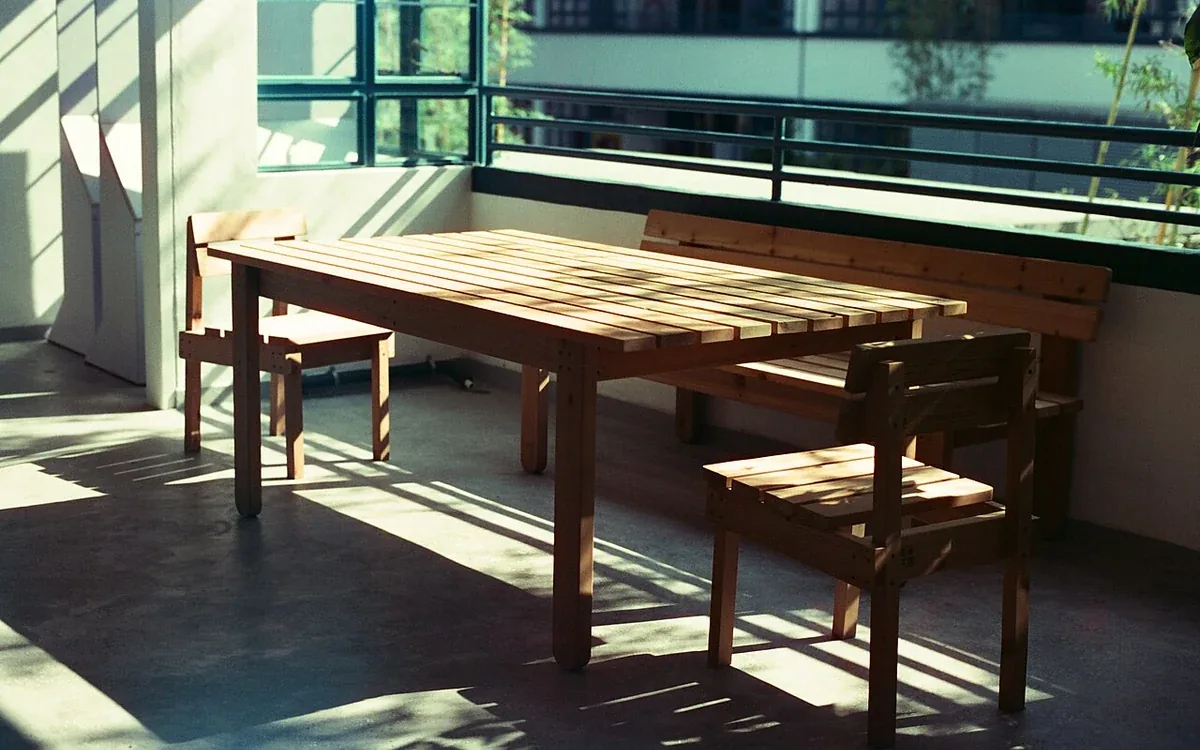
Where should you put a temporary kitchen during a remodel?
Choose the location before deciding what to unpack. The best candidate is a space the household can reach without entering the work area, with stable surfaces and enough room to move comfortably.
Walk through breakfast, lunch packing, and dinner cleanup in that space. Can someone reach a cup without stepping around boxes? Can groceries arrive without crossing a contractor’s material path? Can a person using a mobility aid approach the supplies?
Discuss the proposed area with the contractor. Confirm which rooms and routes remain available as work changes. Keep doors, exits, and construction access clear. Food and clean dishes need separation from construction dust, tools, and chemicals.
Do not assume an available outlet or sink is suitable for the intended use. Electrical, plumbing, ventilation, and appliance questions belong with the qualified professional responsible for that work. If safe use cannot be confirmed, adjust the meal plan.
For the broader room arrangement, How do you organize a home while living through a renovation covers household organization beyond the temporary kitchen.
What kitchen belongings should stay accessible?
Start with meals your household expects to eat, then select the tools those meals require. This keeps the temporary area from becoming a second version of every crowded kitchen cabinet.
A household relying on simple cold meals may need food containers, a cutting board, and everyday dishes. A household with safely available cooking facilities may choose additional tools suited to those meals. Dietary needs, allergies, and accessibility should shape the selection.
Useful categories include:
- Everyday plates, bowls, cups, and utensils.
- Frequently used food preparation tools.
- Containers for leftovers and packed meals.
- Essential pantry foods and clearly identified allergy-safe items.
- Dishwashing supplies, towels, and a place for used dishes.
- Household-specific items such as children’s cups or easy-grip utensils.
Keep quantities manageable for your household and washing routine. Pack specialty baking equipment, serving platters, and duplicates unless they serve an actual planned meal.
If cabinet sorting is getting in the way, downsizing and organizing services are a relevant topic to discuss with Clutter Cleaner of South Carolina. Describe the belongings and decisions involved so the scope can be agreed before work begins.
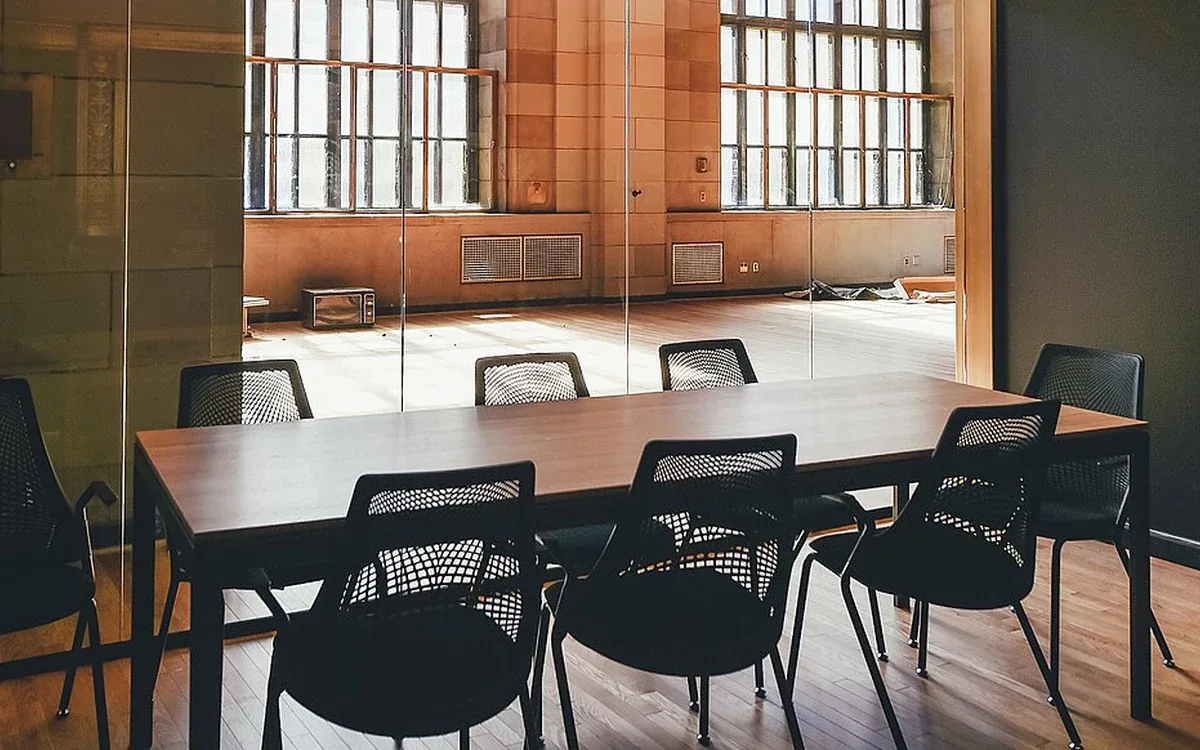
Sort the remaining contents without making rushed disposal decisions
A remodel requires clearing space, but clearing a cabinet does not mean every item needs a permanent keep-or-discard decision immediately.
Separate belongings into groups with different purposes: temporary kitchen essentials, packed items returning after the remodel, and items needing a later decision. Mark that last group clearly so nobody mistakes uncertainty for permission to remove something.
For the larger sorting task, How do you declutter before a home renovation addresses decisions that extend beyond this small working kitchen.
Give sentimental or potentially valuable pieces their own protected place. An inherited serving dish may be unnecessary for temporary meals while still mattering to the family. If inherited belongings raise broader questions, What is the best way to clean out an estate? is a relevant guide for that separate task.
The household can decide what it owns and wants to retain. Disputed ownership or estate authority belongs with the responsible representative or legal professional. An appraisal is a separate choice requiring an appropriate appraiser.
Make each surface serve a clear purpose
A temporary kitchen works better when supplies have predictable places. Think about the movement from collecting ingredients to serving food and dealing with used dishes.
Use existing stable furniture that suits the task. A clean, washable preparation surface should remain available instead of disappearing under unopened mail or packed cookware.
Create distinct places for:
- Ready-to-use dishes and utensils.
- Food and meal preparation supplies.
- Used dishes awaiting washing.
- Clean towels and household cleaning supplies, stored apart from food.
Keep fragile items where people can reach them without lifting other containers first. Store heavy items low in stable storage, and keep sharp tools inaccessible to children. Frequently used items should be reachable by the people who actually prepare meals.
Before borrowing a dining table or cabinet, consider its condition, household value, and suitability for the proposed use. How do you decide which furniture to keep when remodeling covers the wider furniture decision.
A table should not become an appliance station simply because it has space. Appliance placement, surface suitability, and utility requirements need confirmation from the appropriate professional and manufacturer guidance.
Plan meals around the facilities that remain safely available
The temporary kitchen inventory and meal plan should agree. Keeping a favorite pan accessible is unhelpful if there is no confirmed safe place to use it.
Choose meals with preparation and cleanup needs the household can actually meet. Keep a backup option for times when construction changes access to the agreed area. Purchased prepared meals or eating elsewhere are household choices, subject to needs and budget.
Refrigeration deserves its own discussion. If an existing refrigerator remains safely available, plan how people will access it without entering restricted work areas. Moving, connecting, or assessing an appliance belongs with the appropriate provider.
Where suitable refrigeration is unavailable, avoid planning around foods that require it. Follow food labels and applicable food-safety guidance. When food storage conditions are uncertain, seek reliable guidance before deciding food is safe.
Allergy management can become harder when everything shares a small surface. Give clearly identified foods and utensils separate storage where needed. The household should establish a routine consistent with its dietary requirements.
How will dishes and cleanup work without the usual kitchen?
Decide where washing will happen before unpacking a large collection of dishes. Confirm that the existing facility is safe and appropriate for the intended use. A nearby bathroom sink is not automatically an adequate substitute.
Consider both access and handling. The household needs a manageable way to carry used dishes to the agreed washing location and return clean items without crossing active work areas.
Keep the routine simple:
- Put used dishes in a designated container, separate from clean supplies.
- Return washed and fully dried items to their assigned place.
- Keep food waste separate from packed kitchen belongings.
- Store cleaning products away from food and utensils.
If washing facilities are unavailable, change the meal and dish plan. Disposable items are a household choice, with waste and purchasing considerations. Do not improvise plumbing or drain arrangements to preserve the original plan.
Pack kitchen belongings so retrieval stays manageable
Label boxes with specific contents, not just “kitchen.” A useful label might read “serving bowls and holiday platters” or “baking tools, lower cabinet.” Add the intended destination if the new layout is known.
Keep a simple inventory of boxes containing items someone might request during the remodel.
Clean and dry belongings before packing them. Protect fragile pieces with suitable packing materials, avoid overloading containers, and keep food separate from nonfood contents. Tell anyone handling boxes about fragile or unusually heavy items.
Storage inside the home and storage through an outside provider are separate household choices. Consider access, space, handling, provider terms, and suitability for the belongings. Do not assume a cleanout or move team provides storage.
Keep the temporary essentials together if the area needs to change. A labeled container for everyday dishes can make relocation simpler once another suitable space has been agreed with the contractor.
Keep household decisions and professional responsibilities clear
The household decides which meals to plan, which owned belongings to use, and which items to retain. It can identify priorities such as keeping an accessible cup within reach or protecting inherited china.
A practical organizing, cleanout, or move team may discuss sorting categories, labels, packing, access, handling needs, and the sequence for moving belongings. Agree on responsibilities and exclusions before the work starts.
Keep these decisions with the appropriate person or provider:
- Contractor work: Utility changes, appliance installation, work boundaries, and construction requirements.
- Inspection and compliance: Required approvals and determinations by the responsible professional or authority.
- Appraisal: Valuation of potentially valuable belongings by an appropriate appraiser.
- Legal matters: Ownership disputes, estate authority, and other legal decisions.
- Real estate: Sale preparation priorities and property disclosures with the responsible real-estate professional.
- Storage and disposal: Separate provider arrangements, acceptance rules, and household authorization.
Clutter Cleaner of South Carolina has its physical business location in Mount Pleasant, SC. Charleston is its primary market; its verified service territory covers all of South Carolina. Households can call (843) 972-7020 to discuss downsizing and organizing needs and confirm a suitable scope.
Return belongings to the finished kitchen in useful groups
Wait for the responsible contractor or professional to confirm that the kitchen is ready for its intended use. Then return everyday belongings first, following the new cabinet layout.
Unpack by function: everyday dining items together, food preparation tools near their intended storage, and occasional serving pieces in less frequently accessed spaces. Check fit and accessibility before emptying every box.
Review the later-decision group separately. Remodel disruption should not force an ownership, donation, sale, or disposal choice that the household is not ready or authorized to make.
Short FAQ
Can a dining room serve as a temporary kitchen?
It may provide space for belongings and meals if it remains separated from construction and has suitable surfaces and access. Any proposed appliance use needs separate safety confirmation.
Should every kitchen item stay within reach?
Keep items needed for planned meals accessible. Label and pack occasional-use belongings so retrieval does not require opening unrelated boxes.
What if safe utilities are unavailable?
Choose meals that do not depend on the unavailable facilities, or make separate arrangements to eat elsewhere. Utility changes and installation decisions belong with qualified professionals.
Can an organizing team approve the temporary setup?
A team may help discuss belongings and practical access. Electrical, plumbing, appliance, inspection, and compliance determinations remain with the responsible professional or authority.
Photo credits
- Clear white table and chairs in a laundry room: Federal Bureau of Investigation. Original photograph, Public domain. Cropped and resized.
- Wooden table and benches beside windows: Harry Tang anthrax_thy. Original photograph, CC0. Cropped and resized.
- Table and chairs on a wooden floor: Crew crew. Original photograph, CC0. Cropped and resized.






