
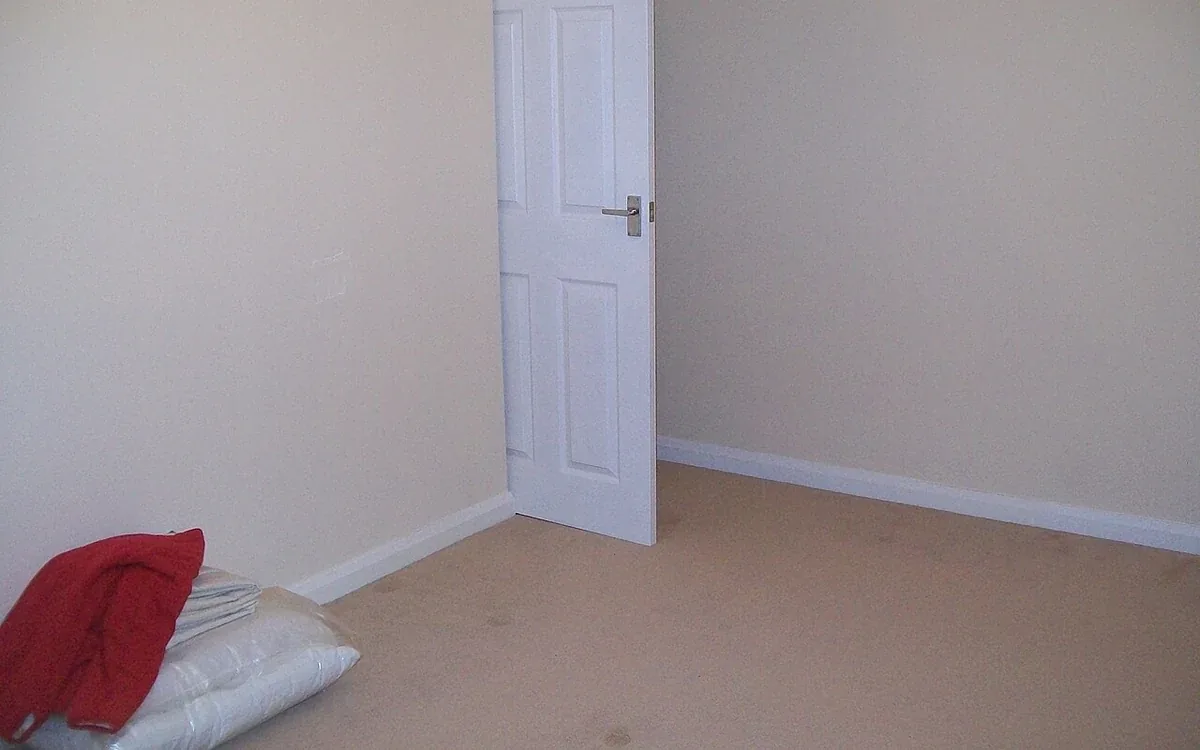
Organize a home while living through a renovation by separating daily living from stored belongings and contractor work areas. Keep essential items easy to reach, give displaced possessions labeled homes, and agree on when household zones can change. For Charleston, SC households, the goal is to preserve workable routines while the contractor manages construction access, site conditions, and decisions about whether occupied areas remain suitable for use.
Quick answer
Build your temporary setup around the activities that must continue: sleeping, dressing, meals, medication access, and work or school. Keep everyday belongings in contractor-approved occupied areas, label everything moved elsewhere, and use a simple reset routine to prevent overflow. Confirm access changes with the contractor before moving household zones. An organizing plan does not establish construction safety or replace professional decisions about occupancy.
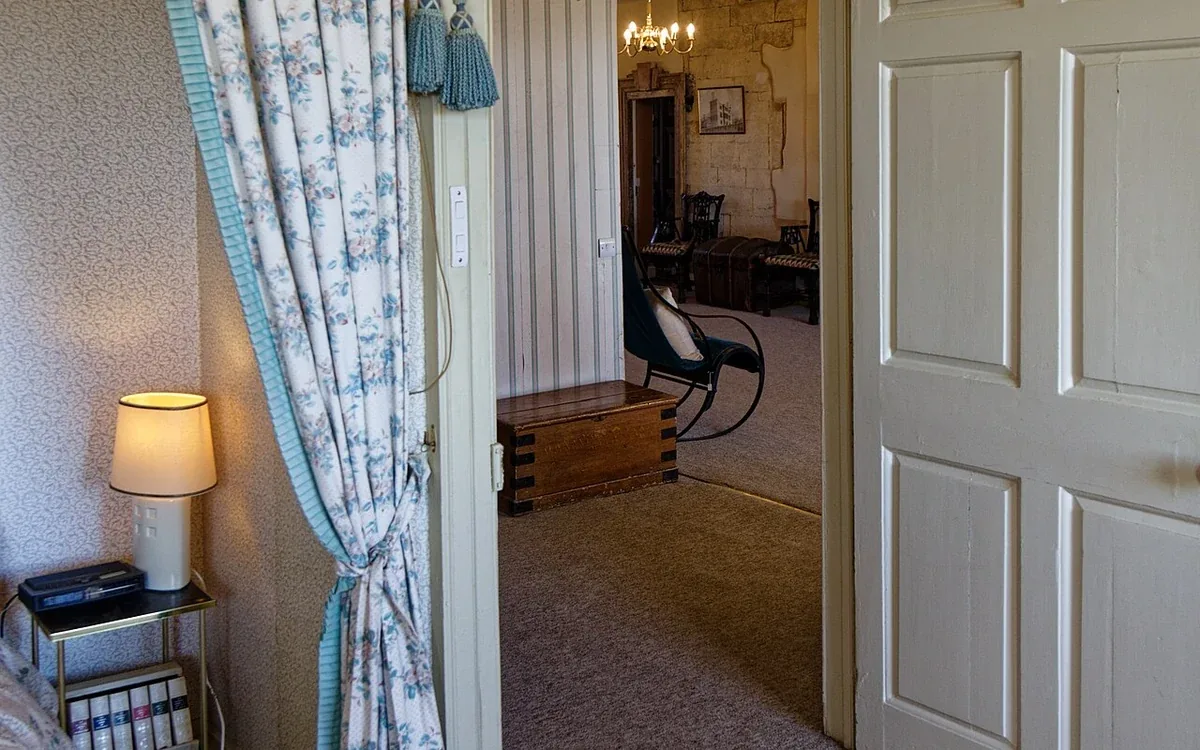
How do you divide your home into workable renovation zones?
Start with the contractor’s current work boundaries. Ask which rooms and routes are available for household use, where belongings must be removed, and how changes will be communicated. A spare bedroom is only a useful storage option if it remains accessible and outside required work areas.
Then give each available space a clear household purpose:
- Daily living: belongings needed for meals, rest, dressing, and ordinary routines.
- Temporary holding: packed possessions that will return after work is complete.
- Decision area: items awaiting an owner’s keep, sell, donate, or disposal choice.
- Household landing spot: incoming mail, bags, and items that need a destination.
These purposes can share a room, but avoid letting holding boxes consume the space needed to live there. A dining table cannot serve as the meal surface if packed kitchen contents cover it.
For help discussing belongings and room use, review Clutter Cleaner of South Carolina’s downsizing and organizing service. Keep the construction access plan with the contractor.
If clearing possessions is still the main obstacle, How do you declutter before a home renovation covers that earlier stage. Here, the focus is maintaining a usable household once rooms are disrupted.
What should stay accessible while renovation work continues?
Choose essentials by walking through an ordinary day. Think about what each person reaches for after waking, before leaving home, when returning, and before bed. Pack around those habits instead of keeping an arbitrary share of each room’s contents.
Useful daily-use groups include:
- Clothing and shoes suited to current routines.
- Toiletries, towels, and personal care supplies.
- Medications stored according to their instructions and individual access needs.
- School materials, work equipment, chargers, and important contact information.
- Meal supplies appropriate to the facilities the contractor confirms are available.
- Pet supplies and familiar items children use regularly.
Give each group a consistent location. If school materials belong in a bedroom basket, avoid moving them between rooms whenever another box arrives. Tell everyone when a location changes.
Take a record of belongings before repeated moves make their condition or location hard to track. What should you photograph before moving things for a remodel explains that separate documentation task.
For wardrobe storage affected by construction, How do you prepare a closet for renovation work offers a focused preparation guide. Your ongoing household plan should simply identify where current clothing lives and how laundry returns there.

Label belongings for their temporary destination
Labels should help someone find an item without unpacking unrelated boxes. Write both the original room and the temporary destination, followed by a plain description such as “hall closet, guest room, spare towels.”
Avoid labels like “miscellaneous” or “stuff.” Those names make every retrieval a search. If a container holds unrelated belongings, list the categories or separate the items when practical.
Keep a short location record for things that matter but are not used daily. Note the container label, current location, and household member responsible for the contents. Update the record when the container moves.
Where belongings are inherited or ownership is unresolved, mark them as awaiting authorization. The existing guide How do estate cleanouts work provides context for a separate estate-related cleanout. Renovation disruption alone does not give someone permission to sell or discard another person’s property.
Keep incoming items from taking over living space
A renovation can create a stream of packages, samples, receipts, and household purchases. Decide where household arrivals will be opened and sorted before the landing spot becomes another storage pile.
Keep household purchases separate from construction deliveries. Ask the contractor where project materials belong and who handles them. Do not relocate tools, materials, or debris simply because they interrupt your preferred room arrangement.
A useful household arrival routine is:
- Put daily-use purchases directly into their assigned zone.
- Record the location of items being held for a finished room.
- Keep receipts and product information with the household project records.
- Ask the contractor about packaging or materials associated with their work.
Delay buying organizers for unfinished spaces until relevant dimensions and access are confirmed. An attractive shelf or bin can become another displaced object if it does not fit the completed room.
Plan for room changes without moving everything again
Your temporary arrangement may need to change as the contractor’s work areas change. Ask how those transitions will be communicated, what belongings need moving, and which routes will remain available.
Keep a household change note in a shared location. It can identify the affected room, belongings to relocate, the agreed destination, and who will tell the rest of the household. Record unresolved questions separately so they are not mistaken for confirmed instructions.
For example, if a bedroom will become unavailable, move its daily-use clothing to the agreed replacement area before packing away the remaining contents. Keep bedding and personal care items identifiable so the household can locate them without searching through decorative belongings.
Discuss bulky or difficult moves with an appropriate move provider. Explain the item, its location, access constraints, and destination. The provider should confirm what falls within its scope and what preparation is needed.
If no workable occupied area remains, household organizing cannot resolve that problem. Discuss occupancy with the contractor and any responsible professional or authority, then consider accommodation choices separately.
How do you reset the household without disturbing construction?
Tie the reset to an existing household habit, such as finishing meals or putting away laundry. Focus on returning ordinary belongings to their assigned places in areas available for household use.
A practical reset can include:
- Clearing the eating or work surface of household possessions.
- Returning chargers, school materials, and toiletries to their locations.
- Moving household overflow into the correct labeled holding container.
- Checking whether essential items have become buried.
- Recording questions about access or room changes for the contractor.
Leave work barriers, construction tools, project materials, and construction debris to the responsible provider. Household tidying is separate from construction cleanup, dust control, or hazardous-material handling.
If you notice an unfamiliar substance or changed site condition, stop using the affected area and ask the contractor who should assess it. Do not assume that wiping a surface or moving boxes makes the area suitable for use.
A reset should also reveal problems with the arrangement. If everyone leaves coats on the meal table, the clothing location may be inconvenient. Adjust the household setup within agreed boundaries instead of treating repeated overflow as a personal failure.
Make storage and removal decisions separately
When holding boxes crowd the available living space, decide whether their contents need to remain in the home. Off-site storage is a household choice to discuss with a separate storage provider, including access, permitted contents, protection requirements, and contract terms.
Donation, sale, and disposal also require distinct decisions. Confirm ownership first. Then contact the relevant recipient or provider about acceptance, handling, and arrangements. Construction waste belongs in the contractor’s agreed waste process, not an assumed household donation or cleanout plan.
For possessions that may need valuation, an appropriate appraiser handles appraisal questions. An organizing or move team may discuss sorting categories, access, packing priorities, and destinations within an agreed scope. Those discussions do not establish value, legal ownership, or disposal authorization.
Keep pending decisions contained and labeled. They should not quietly spread into the spaces reserved for everyday living.
Put responsibility beside each unresolved question
A shared decision record works best when it names who can answer each question. The household can decide which personal belongings it uses, where those items go within available areas, and what routines need support.
A practical cleanout, organizing, or move team may discuss possessions, sorting preferences, access needs, and moving arrangements. Confirm its actual scope before assigning tasks.
Other questions belong with the responsible professional or authority:
- Contractor: work sequencing, construction access, barriers, materials, and site management.
- Inspector or relevant authority: inspection outcomes, permit requirements, and applicable compliance decisions.
- Legal professional or authorized decision-maker: disputed ownership, estate authority, and permission to transfer property.
- Appraiser: valuation within the appraisal engagement.
- Real-estate professional: sale preparation priorities and transaction-related questions.
Clutter Cleaner of South Carolina lists code compliance support among its services. That does not transfer inspection or enforcement authority to an organizing team.
Return belongings according to the room’s new use
Before unpacking, confirm with the contractor or responsible professional that the room is available for its intended use. Follow any remaining access or use instructions.
Bring back the belongings that support the room’s function first. In a bedroom, that may mean clothing and bedding before decorative objects. In a kitchen, household meal routines can guide placement once the relevant facilities are available.
Use the temporary arrangement as evidence about your habits. Items repeatedly retrieved deserve accessible homes. Contents left untouched deserve a fresh household decision, though lack of use alone does not justify discarding them.
Short FAQ
Can I organize while the contractor is working?
Coordinate access first. Sort household belongings only in areas confirmed as available, and keep clear of the contractor’s work boundaries.
Should everything go into storage?
Base that choice on available space and retrieval needs. Keep essentials accessible and discuss storage terms with a separate provider.
What if family members disagree about an item?
Label it as pending and preserve it while the responsible owners or authorized decision-makers resolve the question.
Who decides whether a room can be used again?
Seek confirmation from the contractor and any responsible professional or authority. An empty room is not proof that work or required inspections are complete.
Clutter Cleaner of South Carolina serves all of South Carolina, including its primary Charleston market, from its physical business location in Mount Pleasant, SC. Call (843) 972-7020 to discuss downsizing and organizing or move management needs and confirm the scope suited to your household.
Photo credits
- Nearly empty bedroom with bedding on the floor: AnemoneProjectors (talk). Original photograph, CC BY-SA 2.0. Cropped and resized.
- Bedroom viewed through an open white door: Acabashi. Original photograph, CC BY-SA 4.0. Cropped and resized.
- Bed beside a tall window and floor lamp: Ali Inay inayali. Original photograph, CC0. Cropped and resized.






