
Keep clutter from coming back by giving incoming items a clear destination, setting limits that fit your space, and making it easy to put things away or let them go. For households in Charleston, SC, the goal is a system people can use during ordinary life, including busy days. A cleared room stays useful when the household agrees on what belongs there and what happens when it fills up.
Quick answer: Control what enters, keep everyday storage easy to reach, and give outgoing belongings a real next step. Connect resets to familiar activities, such as unpacking groceries or finishing a meal. When clutter returns, adjust the part of the system that failed instead of repeating a whole-house purge.
Why does clutter come back after you clear a room?
A clean surface shows the result of decluttering. It does not explain where tomorrow’s mail, shopping bags, school papers, or borrowed tools should go. Without those decisions, the same surfaces become holding areas again.
Look at a returning pile before sorting it. Its contents can reveal the missing step:
- Unopened purchases suggest that buying and unpacking need attention.
- Frequently used belongings may need a more convenient home.
- Papers awaiting action need a clear owner.
- Objects waiting to leave need a confirmed destination.
- Mixed family belongings may point to unclear shared expectations.
Choose the cause that appears most often. Changing that part of the routine gives you a specific result to watch.
If the household needs help shaping a workable setup, explore downsizing and organizing services. Keep the discussion focused on how you want the home to function after the organizing work, including who will maintain each area.

Agree on what a usable home looks like
“Keep the house tidy” leaves too much open to interpretation. Agree on visible outcomes instead: a table available for meals, a place to set down groceries, and belongings that can be found without emptying a cupboard.
Walk through shared areas together. Ask what activity each space needs to support. A hobby in progress may belong on a worktable, while that same spread would prevent a dining table from serving its purpose.
Write a few plain household agreements:
- The entry area holds items needed when arriving or leaving.
- Shared surfaces stay available for their agreed uses.
- Personal belongings return to a place their owner can reach.
- An overflowing category prompts a decision before more arrives.
Keep meaningful exceptions visible. A medical item, active project, or accessibility need may call for a different arrangement.
For belongings coming from an estate, do not let a maintenance rule force an ownership decision. The existing guide How do estate cleanouts work? addresses that separate transition. Other home-transition topics are available in the Clutter Cleaner resource library.
How can you decide what deserves to enter your home?
A useful entry rule asks whether an item has a purpose and a place before it becomes part of the household. Apply that question to purchases, gifts, free items, and belongings offered by relatives.
Before accepting something, consider:
- Does it solve a need that exists now?
- Is something already in the home doing that job?
- Where will it live without displacing an essential activity?
- Who will use it and put it away?
- What responsibility comes with keeping it?
A bargain can still create work. So can a free chair that needs repairs or a collection accepted because refusing feels uncomfortable. You can appreciate the offer while explaining that the household has limited room.
Keep a simple record of items you tend to buy again because you cannot find them. How do you stop buying duplicates of things you already own explores that specific problem.
Replacement rules can also help with categories such as mugs or jackets. Does the one-in, one-out rule work for decluttering considers where that approach fits. Use it thoughtfully; it does not resolve disputed ownership or justify discarding someone else’s possessions.

Give recurring piles a complete path
A designated spot helps only if the belongings can move through it. A mail tray still fills when nobody knows which papers need action. A counter basket still overflows when everything in it is treated as “later.”
For each recurring pile, connect arrival, use, and return or departure. For example, a reusable shopping bag needs somewhere to land after unloading and a way to get back into use. A return purchase needs its paperwork, an owner, and an actual return plan.
Use the matching guide when a particular bottleneck needs more attention:
- How do you stop mail from piling up at home focuses on incoming paper.
- How do you keep kitchen counters clear after decluttering addresses a working surface.
- Why does clutter collect in the same spots examines repeated landing places.
Avoid adding a catchall container without deciding how its contents will move onward. If an object cannot reach its next step, identify the obstacle: missing information, an inconvenient storage location, or a decision nobody has taken responsibility for.
Make shared routines fair and easy to follow
A system that depends on one person noticing every stray item is difficult to maintain. Shared spaces need shared understanding, even when household members have different abilities, schedules, and tolerance for visible belongings.
Discuss the work in concrete terms. “Please handle the bags after shopping” is clearer when everyone agrees that handling them includes unpacking, returning reusable bags, and dealing with packaging.
Ownership should mean responsibility for a task, not permission to dispose of another person’s belongings. Children, older relatives, and people with limited mobility may need reachable storage or help completing a reset.
A useful conversation covers:
- Which spaces everyone uses.
- What needs to remain accessible.
- Who handles each recurring task.
- What happens when someone cannot complete it.
Allow personal spaces to reflect different preferences where practical. Shared agreements should protect use of the home without requiring every room to look identical.
How can a family keep shared spaces free of clutter offers a closer look at household cooperation. Start with the shared area causing the most friction, then see whether the arrangement works for the people using it.
Finish the decision to let something go
“Donate” is a decision about an item, but it is not a completed departure. Bags can sit untouched when the destination, acceptance requirements, or transport remains unresolved.
Give outgoing belongings a visible next step. That might mean checking whether a recipient accepts them, arranging household transport, or consulting a separate provider about an appropriate option.
Keep these categories distinct:
- Ready to leave, with ownership settled and a destination confirmed.
- Awaiting a household decision.
- Awaiting advice or acceptance information.
Do not mix important papers, disputed property, or items needing special handling into a general outgoing pile. Check disposal requirements with the responsible provider or authority rather than assuming everything belongs in ordinary trash.
How do you keep donation bags from becoming more clutter covers the unfinished donation problem. Treat the departure as part of the household system, not as something a label automatically accomplishes.
What should change when life gets busy?
Choose a smaller maintenance routine before the household becomes overwhelmed. Preserve the activities that matter most: access to daily necessities, usable shared surfaces, and a clear place for items needing attention.
Connect those actions to events already happening. After a meal, return items unrelated to eating. When unpacking a purchase, put it in its intended place. When finishing an activity, make its materials ready for the next use.
On demanding days, distinguish temporary use from unresolved accumulation. An active project can remain accessible if the household knows what it is and where its pieces belong. An anonymous mixed pile needs a decision.
If the fallback routine is still too demanding, change the setup. Move everyday items closer to where they are used, reduce unnecessary sorting categories, or agree on help with a recurring task.
How do you keep clutter under control when life gets busy develops this narrower question. A workable fallback gives the household something to return to after disruption without requiring a fresh start in every room.
Test the storage before buying more containers
Storage should make belongings easier to use and return. Before buying bins, try the proposed location with what you already have. Can the person using it reach it? Does putting something away require moving unrelated objects?
A complicated arrangement can turn an ordinary task into a reason to leave things out. Broad categories may work better than elaborate sorting when the household does not maintain the finer distinctions.
Look for practical fit:
- Frequently used items are accessible to their users.
- Labels use familiar words.
- Containers fit the intended location.
- The category has a clear capacity limit.
Can buying storage bins make clutter worse explores that purchase decision. A container should serve an agreed purpose. Renting off-site storage is a separate household and provider choice that needs its own access, cost, and eventual-use decisions.
Know what organizing help can resolve
Clutter Cleaner of South Carolina offers downsizing and organizing, with a physical business location in Mount Pleasant, SC. Charleston is its primary market, and its verified service territory covers all of South Carolina.
When discussing assistance, explain where accumulation returns and what your household has already tried. A practical organizing, cleanout, or move team may discuss item destinations, access, sorting priorities, labeling, and who makes decisions. Confirm the agreed scope rather than assuming every related task is included.
The household decides its preferences and what it wants to keep, subject to ownership and other applicable responsibilities. Legal authority, estate disputes, and required document retention belong with the responsible professional or authority. Formal valuations belong with an appraiser; real-estate decisions with the responsible real-estate professional; inspection and compliance determinations with the appropriate inspector or authority.
Contractor work, storage arrangements, appraisal services, and disposal are separate choices requiring their own confirmation. To discuss organizing needs with Clutter Cleaner of South Carolina, call (843) 972-7020.
Short FAQ
Does returning clutter mean the original effort failed?
No. It can show that an incoming category, storage location, or departure step needs adjustment. Review the recurring pattern before repeating the cleanout.
Should you impose the same rules on every household member?
Agree on shared outcomes while accounting for different abilities and needs. Do not discard another person’s possessions to enforce a preference.
How can you tell whether the system is working?
Look for useful results: belongings are easier to find, shared spaces support their intended activities, and outgoing items have clear next steps. A home can function well while still showing signs of everyday life.
Photo credits
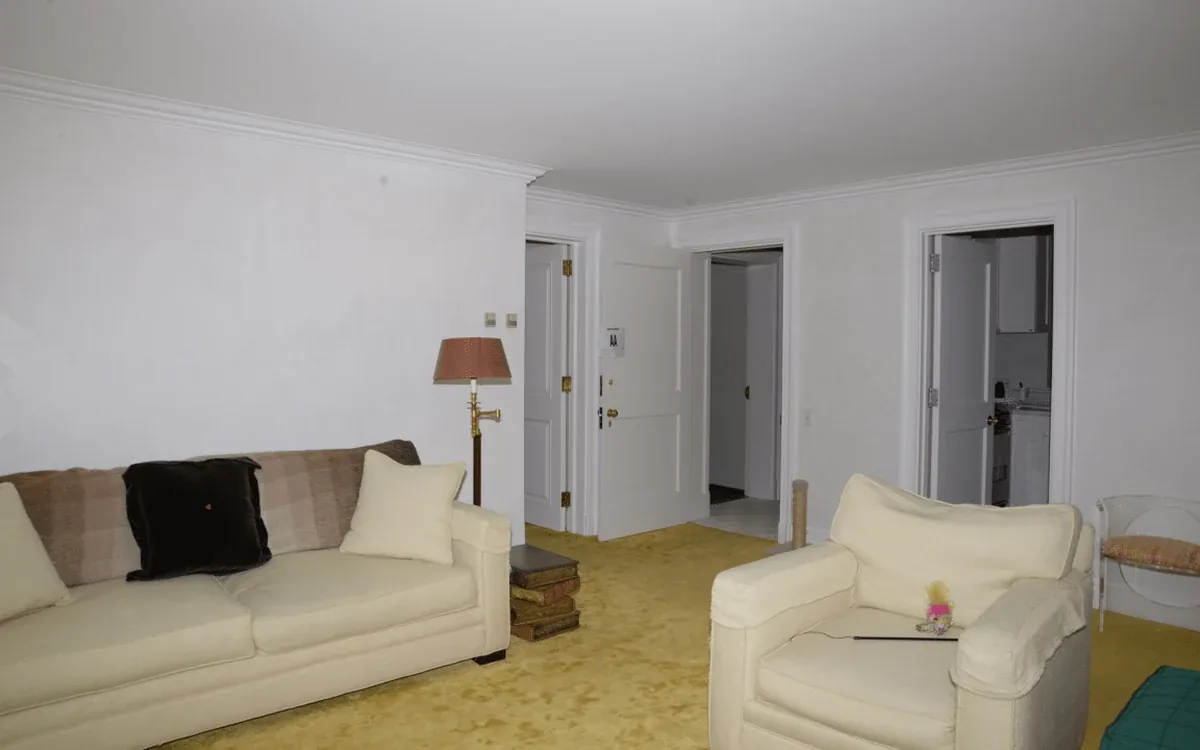
- Light sofa and armchair in a living room: Federal Bureau of Investigation. Original photograph, Public domain. Cropped and resized.
- Houseplants grouped beside a wooden chair: Brina Blum brina_blum. Original photograph, CC0. Cropped and resized.
- Clear table with chairs beside tall windows: Breather breather. Original photograph, CC0. Cropped and resized.






