
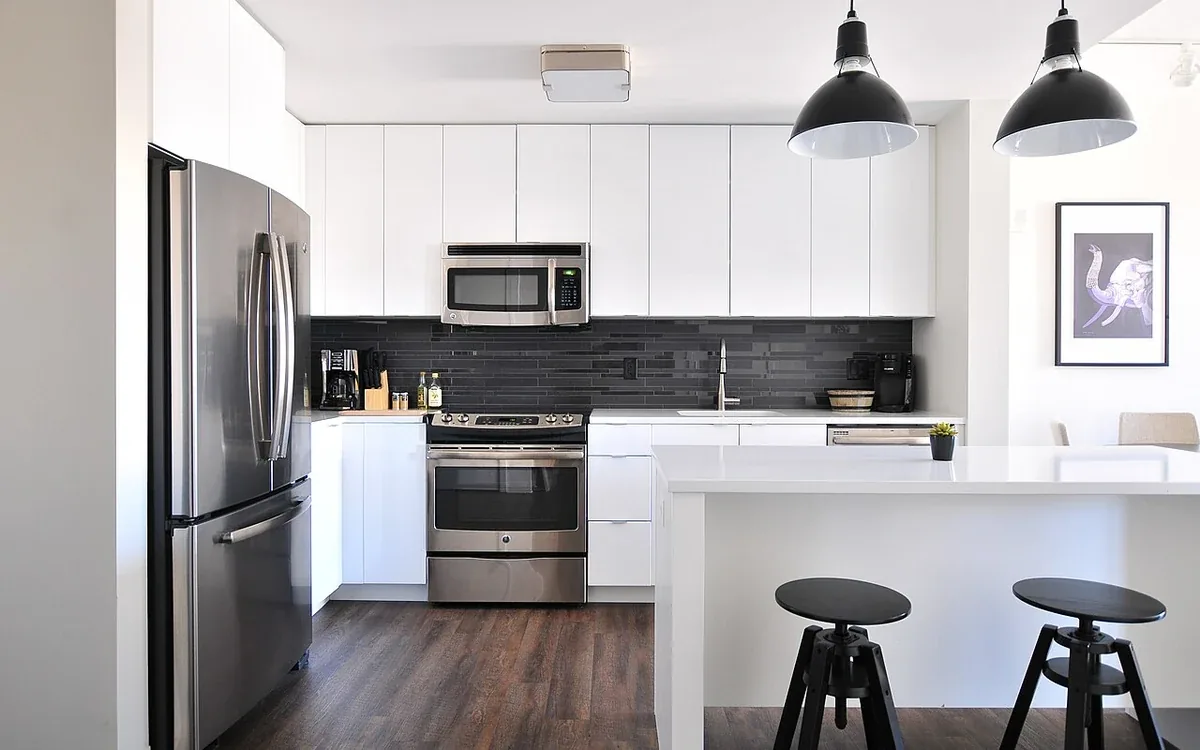
Keep kitchen counters clear after decluttering by giving each frequently used object a specific, easy-to-reach home and returning it when its task ends. Choose which appliances deserve counter space, protect a usable food-preparation area, and give incoming papers and bags another destination. For Charleston, SC households, the aim is a kitchen that works during ordinary meals, with a clear way to put things away afterward.
Quick answer: Keep only the items that earn permanent counter space. Store other tools near where you use them, with room to return them easily. Tie putting things away to familiar actions, such as finishing breakfast or unpacking groceries. When something keeps returning, reconsider its storage location before blaming the habit.
Which items should stay on the kitchen counter?
An empty counter is not the only workable goal. A coffee maker used each morning may belong outside a cabinet. A mixer used occasionally may be better stored elsewhere, provided you can move it safely. The decision should reflect how your household cooks and what members can comfortably lift or reach.
Judge each potential counter resident by its usefulness and the space it takes:
- Does it serve a regular kitchen task?
- Can it stay there without blocking preparation or cleanup?
- Would putting it away make use difficult or unsafe?
- Are its accessories contained, or spreading into nearby space?
Give the items that remain a defined footprint. A coffee station might include the machine and its current supplies, while spare mugs and unopened supplies live elsewhere. Leave enough room to prepare the meals you actually make.
If choosing what to keep is part of a larger transition, downsizing and organizing services are relevant to discuss. The household still decides which belongings support daily life and which it is ready to release.

Where should frequently used objects have permanent homes?
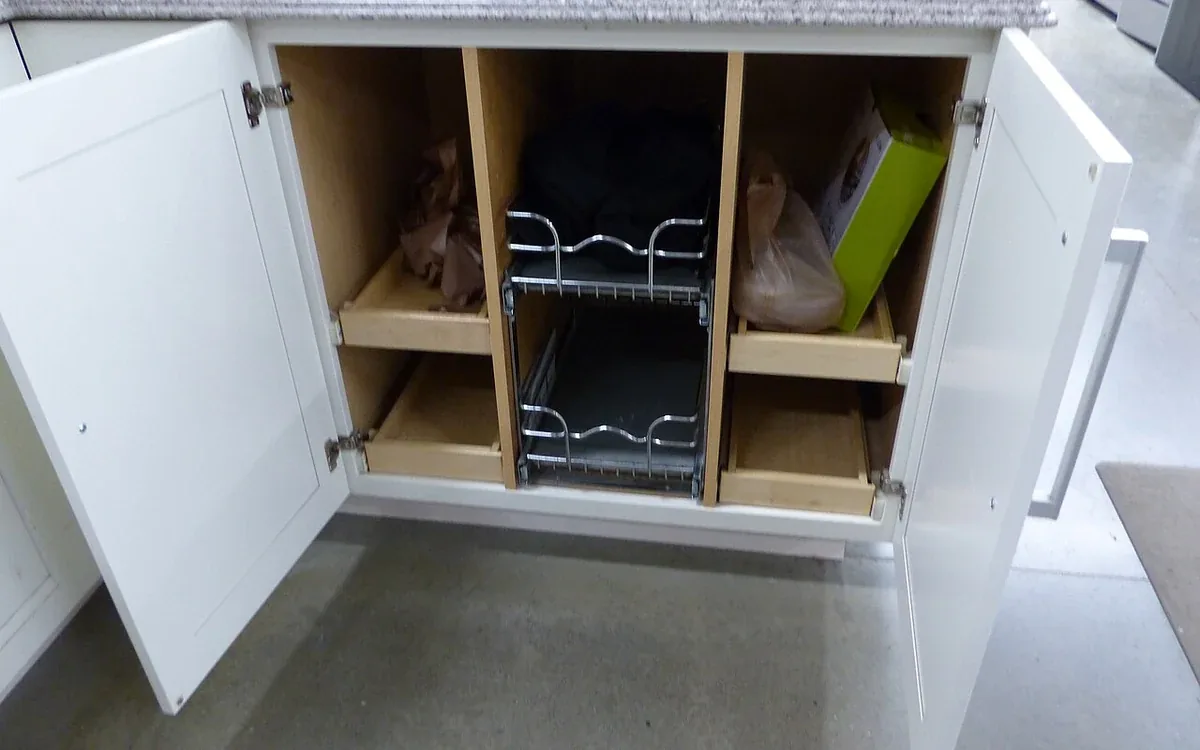
A permanent home needs to be specific enough that another household member can find it. “In a cabinet” leaves too much room for confusion. “In the front of the drawer beside the preparation area” gives both the user and the person putting it away a clear destination.
Start with the objects you repeatedly find on the counter. Follow the task each one serves, then choose nearby storage that does not require shifting unrelated belongings.
For example:
- Put the can opener with other tools used during meal preparation.
- Keep lunch containers where packing and unpacking happen.
- Store reusable shopping bags near the departure point.
- Place seldom-used serving pieces outside the most accessible work area.
Try the location before buying organizers. Can you retrieve the item comfortably? Can you return it without balancing a stack or clearing a shelf? A location that works only when everything is perfectly arranged needs adjustment.
Keep heavy appliances within a safe reach for the person using them. Follow manufacturer instructions for operating space and storage. Frequent use matters, but so do lifting limits and accessible placement.
For household responsibilities beyond the kitchen, see How can a family keep shared spaces free of clutter.
What daily return rule keeps counters clear?
Use a rule tied to the end of a task: when the task finishes, its tools return to their homes. This avoids relying on a vague promise to tidy later.
The return point may differ by object. A lunch bag goes home after it is unpacked. A clean, dry measuring cup returns after washing. An appliance returns when it has cooled and can be handled according to its instructions.
These are useful household agreements:
- After breakfast: Return ingredients and put used dishes in the household’s chosen washing location.
- After unpacking groceries: Store food and return bags to their assigned place.
- After meal preparation: Return tools no longer needed and reclaim the preparation area.
- After reviewing mail: Move each retained paper to a named destination.
Attach the habit to something that already happens. Avoid setting a cleanup expectation that ignores cooling, drying, or an unfinished task.
For the wider household pattern, How do you keep clutter from coming back provides the related overview. Here, keep the rule narrow: the kitchen surface becomes available again when its current job is finished.
Give temporary items a destination and an ending
Some objects legitimately need temporary counter space. Washed produce, drying dishes, and ingredients for a meal are examples. Trouble starts when “temporary” has no ending or no destination afterward.
Name both parts of the arrangement. A container waiting to dry returns to its drawer when dry. A borrowed casserole dish goes into a return bag once clean. A receipt waiting for review goes to the household paperwork location after that review.
A small tray can mark an active holding area, but it needs a defined purpose. A tray labeled “miscellaneous” merely gives an unidentified pile a border. Keep paperwork away from food preparation, water, and cooking equipment.
If an inherited utensil or serving piece needs an ownership decision, place it separately from daily kitchen tools. The guide How do estate cleanouts work? is relevant when those decisions belong to a broader estate process.
Do not donate, sell, or discard disputed belongings to make the counter look clear. Keep them identified for the person authorized to decide.
Stop incoming clutter before it reaches the work surface
Kitchen counters can become the easiest place to drop whatever comes through the door. The solution is a convenient alternative for the categories that do not belong in the kitchen.
Look at a recurring pile and identify its actual contents. Keys, school papers, shopping bags, and packages need different destinations. Sending them all to another basket leaves the next decision unresolved.
Choose destinations that fit the household’s route:
- Keys go to an agreed spot near entry or departure.
- Papers requiring action go to a household document area.
- Personal belongings go to their owner’s accessible storage.
- Packages move to a place where unpacking can happen without blocking cooking.
If the kitchen is also where someone handles paperwork, allow an active work area during that task. When finished, the papers and supplies return together to their home. That respects the room’s multiple uses without treating every document as a permanent counter resident.
Avoid hiding urgent papers in unfamiliar drawers. A clear counter should not come at the cost of missed responsibilities.
Make return locations work for everyone using the kitchen
A storage system fails when only its creator understands it. Ask the people who cook, wash dishes, or prepare snacks to test the proposed homes.
A label may help distinguish similar drawers. An open bin may suit an item that is awkward to stack. Someone with limited reach may need frequently used tools in an accessible location, even when that differs from another person’s preference.
Use a concrete shared agreement, such as “Clean lunch containers return to this shelf.” It is easier to follow than “Keep the kitchen neat.” Leave enough room in the assigned spot that returning something does not create another sorting job.
For household responsibilities beyond the kitchen, see How can a family keep shared spaces free of clutter. Keep countertop agreements focused on shared destinations and the actions that complete kitchen tasks.
When someone repeatedly leaves an object out, ask what interrupts the return. The answer may be a hard-to-open drawer, an unreachable shelf, or uncertainty about where it belongs. Solve that obstacle before adding reminders.
Why does the same clutter keep coming back?
A recurring object is useful evidence. It tells you that the current arrangement does not fully support how the kitchen is used.
If a blender keeps returning, its storage spot may be inconvenient. If unopened mail returns, its next step may be unclear. If containers collect beside the sink, their assigned space may be full or difficult to use.
Match the correction to the problem:
- Hard to reach: Choose a safer, more accessible home.
- Hard to return: Reduce stacking or remove unrelated contents from that spot.
- No clear destination: Assign a specific location and tell everyone who uses it.
- No longer useful: Let the household decide whether to keep or release it.
- New item without room: Decide its home before accepting it into regular use.
Buying another organizer is not automatically the right correction. First check whether the object still serves a purpose and whether its chosen home has enough space.
Does the one-in, one-out rule work for decluttering addresses decisions about incoming belongings. Apply that idea thoughtfully to kitchen purchases, while keeping this routine centered on returning what you already use.
Adjust the system during downsizing or a move
A smaller kitchen may require different counter residents and storage homes. Before deciding where everything goes, identify the tasks you want to support: preparing familiar meals, making drinks, packing lunches, or baking.
The household can choose what to keep, what routines matter, and which placements feel comfortable. A practical organizing or move team may discuss item categories, access needs, packing labels, and possible placement in the next kitchen. Confirm the scope of any help before assuming it includes removal, transport, or other work.
Storage rental, contractor alterations, appraisals, and disposal arrangements are separate household or provider choices. Legal ownership questions stay with the authorized decision-maker and appropriate legal professional. An appraiser handles valuation; a real-estate professional advises on sale preparation. Inspection and compliance determinations belong to the responsible professional or authority.
Clutter Cleaner of South Carolina offers downsizing and organizing and move management within its verified statewide South Carolina service territory. Its physical business location is Mount Pleasant, SC, and Charleston is its primary market. Call (843) 972-7020 to discuss your needs and confirm an appropriate scope.
Short FAQ
Do all appliances need to be put away?
No. Keep an appliance out when its regular use or handling needs justify the space. Give it a defined location and protect enough room for food preparation.
What if my kitchen has very little storage?
Prioritize reachable storage for the objects you use most. Reconsider rarely used belongings before adding containers. If something must remain out, choose its footprint deliberately rather than letting it spread.
Should I put everything in a basket each evening?
A basket can hold items awaiting a specific next step, but it should not replace permanent homes. Return known items directly, and identify who will decide the destination of anything unresolved.
How can I tell whether the system is working?
Notice whether you can prepare food without moving unrelated objects and whether household members know where things return. If an item repeatedly stays out, adjust its home or return point.
Photo credits
- White kitchen with an island and dark stools: Naomi Hébert naomish. Original photograph, CC0. Cropped and resized.
- Kitchenware grouped on a wooden surface: Clem Onojeghuo clemono2. Original photograph, CC0. Cropped and resized.
- Open white under-counter cabinet: Stilfehler. Original photograph, CC BY-SA 4.0. Cropped and resized.






