
A family can keep shared spaces free of clutter by agreeing on what each room needs to do, giving everyday belongings accessible homes, and sharing responsibility for returning items after use. For households in Charleston, SC, the goal is a kitchen, entryway, or living room that everyone can use without moving someone else’s pile. A workable agreement respects personal belongings while protecting common space.
Quick answer: Define what “ready to use” means for each shared area. Decide where personal items belong, what can stay temporarily, and who handles shared supplies. Attach resets to familiar activities, such as finishing a meal or putting away school materials. If clutter returns, adjust the arrangement together.
How can everyone agree on what a shared space is for?
Start with an everyday inconvenience rather than a judgment about someone’s habits. “We need room to eat at the table” is easier to discuss than “You always leave a mess.” Ask each household member what they need from the space, including children and anyone with limited reach, mobility, or energy.
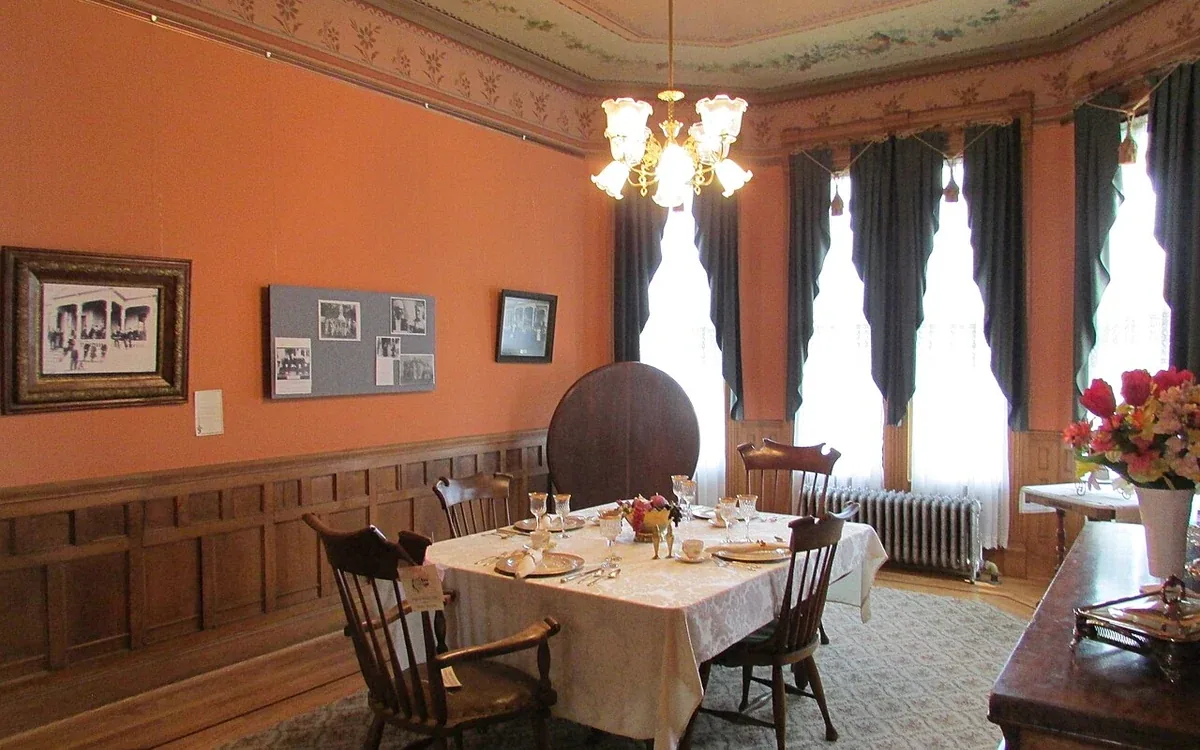
A dining table might also serve as a homework desk. That does not make homework materials clutter while someone is working. The agreement needs to explain how the table changes back to its next use.
Useful agreements describe visible results:
- The entryway has a clear route through it.
- Dining chairs are available when someone needs to sit.
- Kitchen preparation space is usable before cooking begins.
- Remotes and shared chargers return to an agreed location.
- A project can stay out when the household has agreed where and until what event.
Avoid making one person’s preferred appearance the standard for everyone. Discuss function first, then the level of tidiness the household can maintain. Write the agreement in plain language where people can refer to it.
If the main difficulty is finding workable places for belongings, downsizing and organizing services are a relevant option to discuss with Clutter Cleaner of South Carolina. The household still decides what to keep and how shared rooms should work.
Where should everyday items go when everyone uses the room?
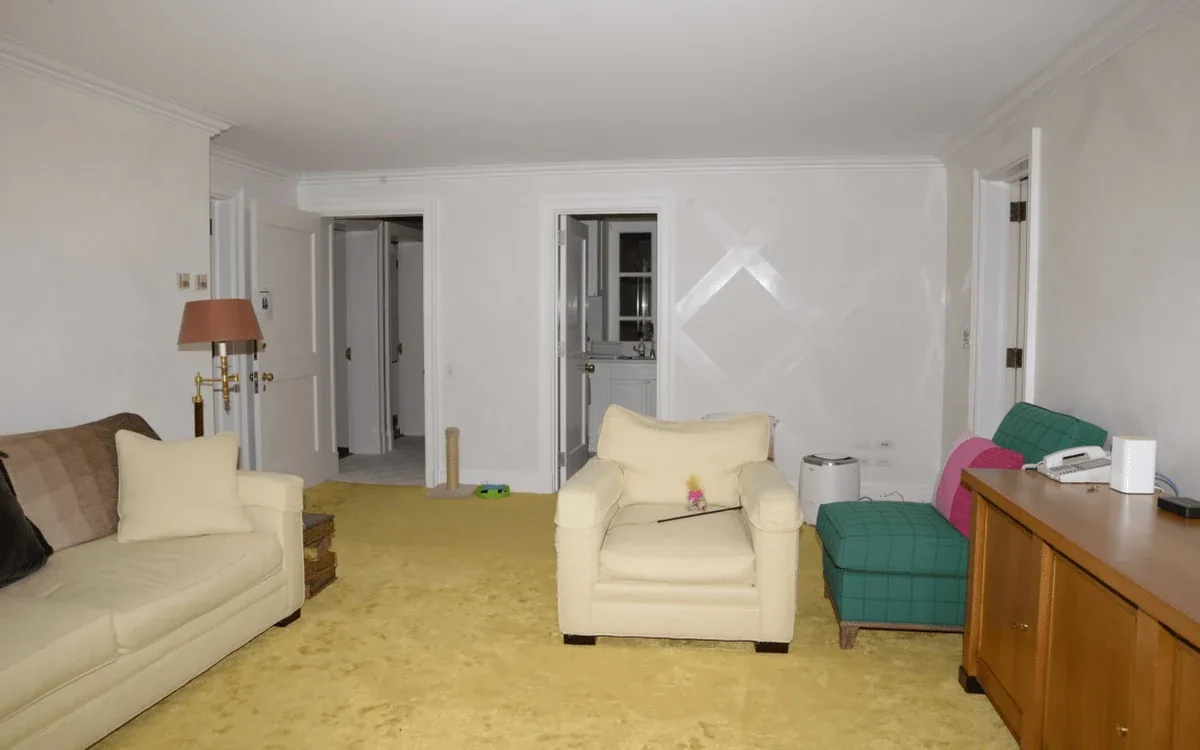
Put belongings near the action they support. A basket beside a reading chair may work better for current books than a distant shelf. School bags need a place people can reach when arriving and leaving. Shared supplies need a home that does not depend on asking one person where everything went.
Before buying organizers, look at what repeatedly lands on the same surface. That landing spot offers a clue about convenience. Sometimes moving an existing container is enough; sometimes the area needs fewer items.
Separate personal storage from shared storage:
- A household basket can hold shared remotes.
- A labeled personal space can hold someone’s current reading.
- A tray can collect incoming papers that need attention.
- A project container can hold materials between uses.
Give each container a specific purpose. A basket labeled “miscellaneous” can become another place where decisions stop.
Storage should also fit the people using it. An open bin may be easier than a lid, and a reachable shelf may be more useful than a high cabinet. Keep medications, sharp objects, and other items needing controlled access in appropriate locations. Convenience should not override safe storage.
For a closer look at maintenance after an initial clearout, read How do you keep clutter from coming back.
Who should reset shared spaces?
Everyone who uses a room can contribute, but responsibility should reflect ability and actual use. A child might return game pieces while an adult handles paperwork. Someone with limited mobility might sort items from a seated position rather than carry a heavy container.
Separate returning personal belongings from maintaining shared supplies. Each person can take their own items back, while the household assigns or rotates tasks such as checking the paper tray or putting shared games away. Make those assignments explicit so the work does not quietly fall to the person most bothered by clutter.
Use a familiar activity as the cue. After dinner, the table returns to its agreed condition. When a game ends, its pieces go back before another activity starts. A cue tied to use is easier to understand than repeated reminders to “clean up.”
Agree on what happens to items whose owner is absent. A labeled holding spot can protect the room’s function without hiding, donating, or discarding someone else’s belongings.
Inherited belongings require particular care. An item waiting for an ownership decision should not be treated as ordinary household overflow. If estate property is involved, What is the best way to clean out an estate? provides a relevant starting point for that separate process. Confirm who has authority before anything leaves.
Does the one-in, one-out rule work for decluttering explores that approach in more detail.

Make temporary clutter an agreed exception
Shared rooms need room for real life. A puzzle, repair project, or school assignment may reasonably stay in progress. Trouble begins when “temporary” has no boundary and everyone else must work around it indefinitely.
Agree on the footprint, the next use of the space, and the person responsible for moving the materials. For example, a project may occupy a tray on the table until the table is needed for a meal. If packing it away would damage the work, discuss another location before starting.
Keep permission separate from ownership. Allowing someone to move a project tray does not authorize them to throw away its contents.
What if clutter keeps returning to the same spot?
Look for the reason before adding another rule. A coat left on a chair may mean the hook is hard to reach. Mail on the counter may mean nobody knows who opens it. Overflowing craft supplies may mean the assigned space no longer matches what the household keeps.
Ask what happened at the point where the item stopped moving. Was its home full, inconvenient, unclear, or unavailable? Change that part of the arrangement and see whether people can use it.
Recurring piles also reveal competing needs. Someone working from home may need papers accessible while another person needs the table clear. A portable work container or another agreed location can address both needs.
Keep the family discussion focused on the specific obstacle in this room, rather than reopening every household organizing decision.
A repeated problem is a reason to revise an agreement, not proof that someone does not care.
Set shared limits on incoming belongings
An organized room can become crowded when new items arrive without anyone considering where they will live. Before buying another shared appliance, game, or hobby supply, discuss its storage and whether the people using the room want it there.
A space limit can make that conversation concrete. If games no longer fit on the agreed shelf, the household can choose whether to reduce the collection, relocate it, or deliberately allocate more space. Buying another container should be a choice everyone understands.
Replacement rules can help with some categories, but personal belongings and shared belongings need different permissions. One person should not discard another person’s item to make room for a purchase.
For shared rooms, the essential agreement is who can approve changes to the collection and where additions will go.
Gifts deserve the same practical discussion. Appreciation for a gift does not automatically settle its permanent place in a common room.
Give outgoing items a destination and an owner
A donation bag beside the door is still taking up shared space. Calling it “outgoing” does not resolve who will confirm acceptance, arrange transport, or decide what happens if the intended recipient cannot take it.
Keep items approved to leave separate from items still awaiting permission. Label the destination and the person handling the next action. Choose a holding place that preserves access through the room.
For shared belongings, confirm agreement before moving them into the outgoing group. For personal belongings, ask the owner. Documents, potentially valuable pieces, and items with uncertain ownership may need separate review.
How do you keep donation bags from becoming more clutter addresses the practical follow-through. Donation acceptance, transport, and disposal arrangements remain household or separate provider choices; they should not be assumed to be included in an organizing service.
When an outgoing area fills up, resolve the pending decisions before starting another sorting session.
Know when to discuss practical help
Outside help may be useful when existing contents prevent the household from setting up usable shared spaces, or when sorting and moving belongings exceed what household members can manage. Describe the problem clearly: the table cannot be used, shared storage is inaccessible, or approved outgoing items occupy the entryway.
A practical cleanout or move team may discuss:
- Which belongings are approved to stay, move, or leave.
- Who can authorize decisions about each group.
- Access needs and areas that must remain usable.
- Where approved items should go.
- Which tasks are included in the proposed scope.
Storage rental, contractor work, appraisals, and disposal arrangements are separate choices to clarify. An appraiser handles valuation; a responsible legal professional or authority addresses ownership and legal authority. Real-estate advice stays with the relevant real-estate professional. Inspection findings and compliance determinations stay with the responsible inspector or authority.
Clutter Cleaner of South Carolina offers downsizing and organizing and other approved home-transition services throughout South Carolina. Its physical business location is Mount Pleasant, SC, and Charleston is its primary market. Call (843) 972-7020 to discuss the household’s needs and the proposed service scope. Ongoing household agreements remain the family’s responsibility.
Short FAQ
Should shared rooms be empty of personal belongings?
No. Agree on which personal items can stay and where. A current book or contained hobby project can belong in a shared room without preventing others from using it.
What if someone misses a reset?
Use the agreed holding spot and a neutral reminder. Ask whether the storage or task needs adjusting. Do not treat a missed reset as permission to discard belongings.
Should the family buy more storage first?
Look at the existing contents and how people use them first. Additional storage may help, but it can also preserve a pile nobody has decided to keep. Choose it after agreeing on the room’s needs.
Photo credits
- Dining table beside tall curtained windows: Chris Light. Original photograph, CC BY-SA 4.0. Cropped and resized.
- Living room with pale seating and a sideboard: Federal Bureau of Investigation. Original photograph, Public domain. Cropped and resized.
- Bright living room with a blue sofa: Jarosław Ceborski jarson. Original photograph, CC0. Cropped and resized.






