
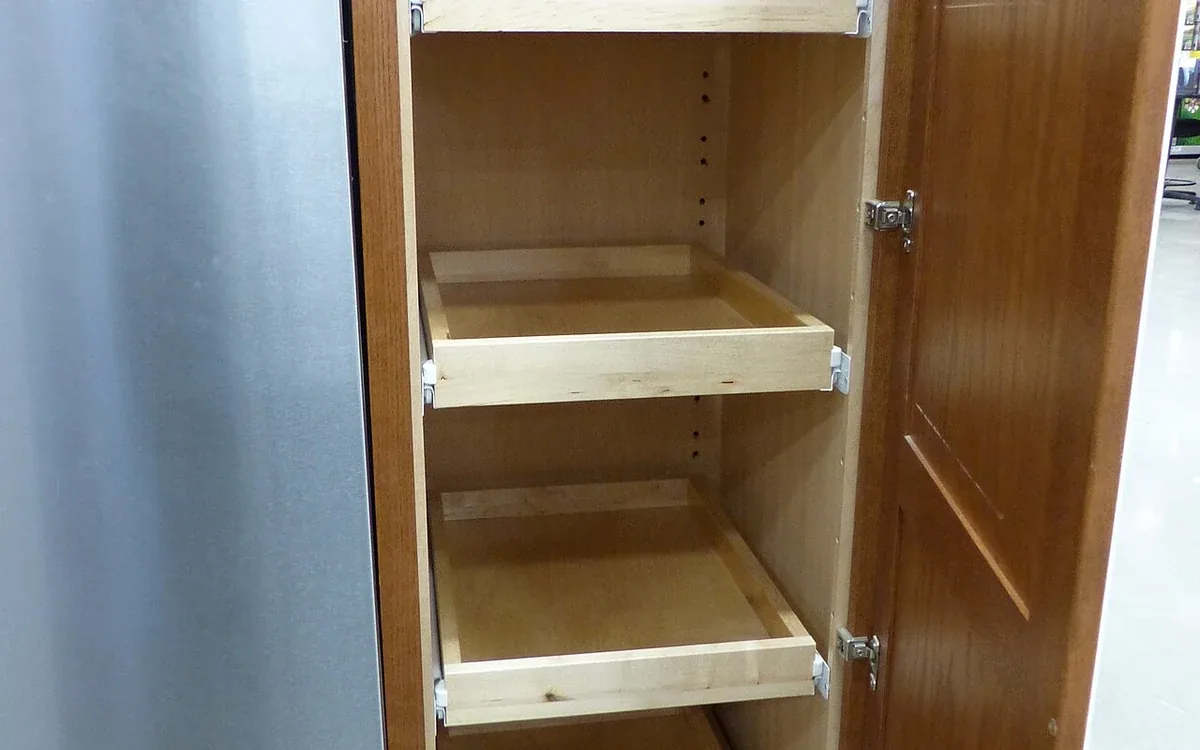
Stop buying duplicates of things you already own by giving each category a clear home, checking your usable supply before shopping, and keeping a shared list of actual needs. Record only the items you repeatedly buy by mistake. For households in Charleston, SC, including those preparing to downsize, this approach makes purchase decisions easier without requiring a catalog of every possession.
Quick answer
Make what you own easy to find before trying to remember it. Gather a problem category, choose an accessible storage spot, and note any backup supplies elsewhere. Before buying, check what is usable, what is already ordered, and where the new item would go. Keep household shoppers on the same list. An intentional spare can be useful; an extra bought because you could not find the original needs a better storage or shopping routine.
Why do you keep buying things you already own?
A duplicate purchase can start with an ordinary problem: you need tape, cannot find the roll, and buy another. Later, both rolls turn up. The purchase solved the immediate need while leaving the missing-item problem untouched.
Look at the reason behind a recent repeat purchase:
- Hidden stock: Extra toothpaste sits behind towels.
- Scattered storage: Batteries live in several drawers.
- Unclear identity: You cannot tell which charger fits a device.
- Shared shopping: Someone else already bought the item.
- Automatic orders: A delivery arrives before the previous supply is used.
- Forgotten ownership: A boxed kitchen tool is absent from your mental shopping list.
Choose the category causing the most frustration. Fixing its visibility gives you a useful pattern to repeat elsewhere.
If reaching or sorting belongings is difficult, downsizing and organizing services may be worth discussing. Explain which duplicate purchases keep happening and how you need to access supplies. The useful goal is a storage arrangement you can maintain.
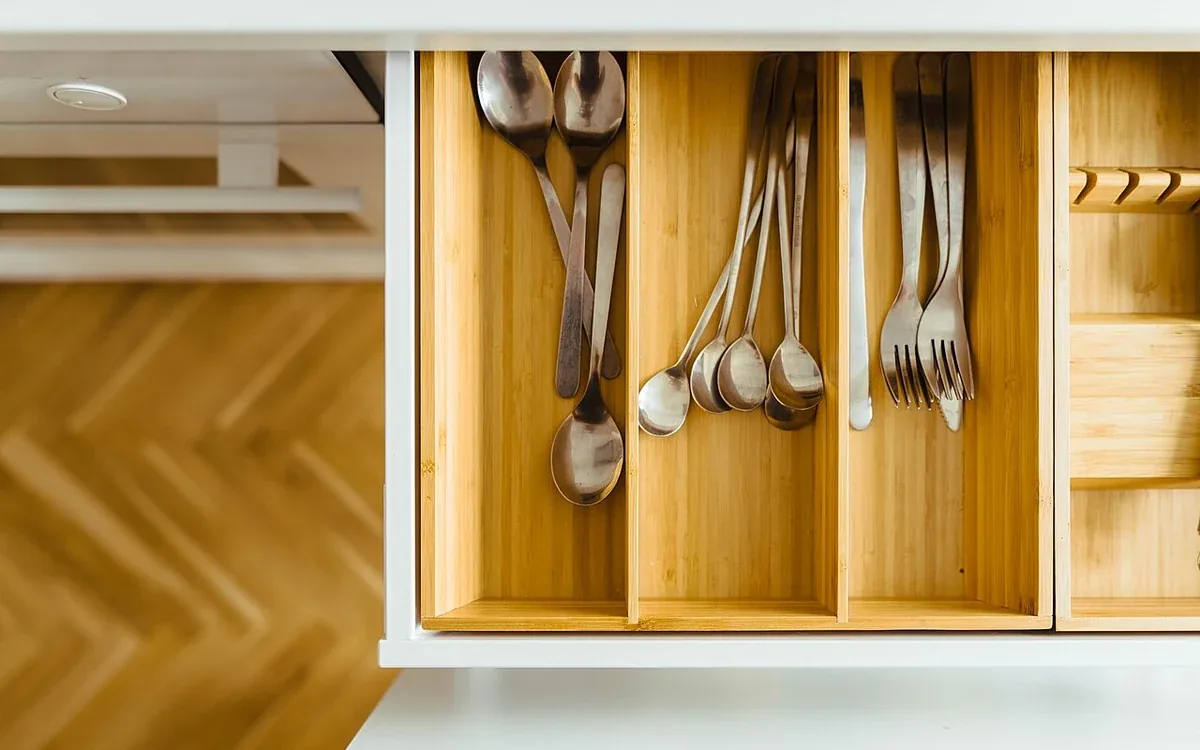
Give each category a place you can check
A storage spot works when household members know where it is and can see what belongs there. It does not have to look like a display.
Gather a manageable category, such as tape, light bulbs, or spare toiletries. Check likely secondary locations before deciding you need more. Keep products in their original packaging when labels, instructions, or safety information matter.
For supplies used in several rooms, distinguish the item in use from the backup supply. Soap may belong at each sink, while unopened refills have a shared storage location. A label such as “soap refills: hall cupboard” can prevent searches through every bathroom.
Choose storage around the people using it:
- Put frequently checked supplies where they can be reached comfortably.
- Face labels toward the opening.
- Separate usable items from those awaiting repair or review.
- Avoid stacking containers that must all be moved to inspect the bottom one.
- Mark a drawer or shelf with the household’s familiar name for its contents.
Visibility does not require keeping everything on a counter. The related guide How do you keep kitchen counters clear after decluttering addresses that separate problem.
If inherited belongings contain possible replacements, confirm who may decide their use before treating them as household stock. How do estate cleanouts work? is the relevant guide for that broader process.
How much inventory do you actually need?
Track enough information to answer a shopping question. A complete household spreadsheet can become another task to avoid.
Start with items you have bought repeatedly because ownership, quantity, or location was unclear. Use a paper note, shared phone note, or labeled shelf, whichever shoppers will actually check.
A useful entry might read: “Packing tape: open roll in desk drawer; sealed refill in hall cupboard; do not buy yet.” For a replacement appliance part, the exact model or product code matters more than the total number of parts.
Match the record to the decision:
- Consumables: Note the open supply and unopened backups.
- Durable tools: Record where the working item lives.
- Parts and accessories: Save the compatible model, size, or code.
- Stored belongings: Note the box label and accessible location.
- Pending purchases: Mark ordered items so another shopper does not reorder them.
A photo can help when shopping, but it needs to show readable labels. Replace it when the shelf changes. Avoid including private documents in photos shared with household members.
Keep quantities current only where they affect a purchase. You probably do not need to count every pencil. You may need to know whether there is an unopened printer cartridge that fits your printer.
An outdated inventory can create the same uncertainty as a crowded cupboard.
Retail offers and shopping papers can complicate purchase decisions too. How do you stop mail from piling up at home covers handling that separate stream without turning your inventory note into a paper-management system.

What should you check before buying another item?
Use a purchase check that connects the item in your cart to a specific need at home.
First, identify what prompted the purchase. Are you replacing something empty or broken, buying a useful spare, or reacting to uncertainty? “I can’t find it” calls for a location check before it becomes “we don’t own it.”
Then compare the proposed item with the stock record, shelf photo, or actual storage spot. Ask:
- Do we own a usable item that meets this need?
- Is the item merely in another room, packed away, or borrowed?
- Is a replacement already ordered or on someone else’s shopping list?
- Does this version fit the device or purpose?
- Where will it live when it arrives?
For consumables, choose a household reorder point based on actual use and available space. It might be when you open the final backup. That is a household choice, not a universal stock rule.
For durable items, name the reason another is needed. Separate work areas, accessibility needs, or simultaneous use can justify duplicates. Keep enough for those purposes without letting a vague “just in case” justify every offer.
If you cannot check an optional purchase while out, save it to a consideration list. Revisit it when you can confirm ownership.
A discount does not resolve missing information. Before buying a multipack, check whether you use that exact product and have room to store it visibly. If the extra stock disappears behind unrelated belongings, the apparent bargain may set up another mistaken purchase.
Make shared shopping decisions visible
A household can have organized cupboards and still buy duplicates when shoppers work from separate lists.
Use a shared list if several people buy supplies. For each problem item, include its exact identity and a status such as “needed,” “ordered,” or “received.” Agree on who updates the status after checkout.
Keep the list specific enough to prevent substitutions made from memory. “Vacuum bags” is vague. The compatible product code tells another shopper what to check.
Automatic deliveries deserve their own review. Compare the subscription with unopened stock before deciding whether to pause, skip, or change it through the retailer. Follow the account’s terms rather than assuming a change has taken effect.
When an item arrives, put it in its agreed location and remove the shopping request. Leaving it in a delivery box creates a gap between owning it and knowing it is available.
Agree that household members will ask before moving shared supplies to a new place. The conversation can stay practical: “Where should everyone look for refills?”
Prevent duplicate purchases during a move or downsizing
Packed belongings are easy to overlook because they are temporarily out of sight. During a Charleston household move or another South Carolina home transition, identify useful items before buying replacements for the destination.
Label boxes by contents and destination rather than writing only “miscellaneous.” Keep a short note of essentials that have been packed, where they are, and whether they can be reached.
Separate purchase needs into practical groups:
- Items already owned and accessible.
- Items owned but packed or held elsewhere.
- Items genuinely needed for the destination.
- Items awaiting a decision about ownership, condition, or suitability.
An existing lamp may suit the next home, but a shelf may not fit. Confirm dimensions and intended use before treating every possession as an automatic replacement.
Renting storage is a separate household and provider choice. If you choose it, keep location records and follow the provider’s terms. Storage only helps purchase decisions when you can identify and retrieve what is there.
Extra belongings may be kept, returned, offered to others, or considered for sale or donation. Confirm ownership and any applicable acceptance requirements. Disposal arrangements and rules need checking with the relevant provider or authority.
For the wider habits that keep possessions manageable after this transition, see How do you keep clutter from coming back. Keep this inventory system focused on preventing repeat purchases.
What an organizing or move team may discuss
A practical organizing, cleanout, or move team may discuss access, category locations, box labels, sorting priorities, and which belongings need household decisions. Ask what is included in the proposed scope before assuming a task will be handled.
The household decides what it wants to retain and how it prefers to use its space, within its authority over the belongings. Flag disputed ownership, uncertain value, or safety concerns for the appropriate professional.
Keep responsibilities clear:
- Legal ownership and estate authority remain with the responsible representative, attorney, or court as applicable.
- Formal valuations belong with an appropriate appraiser.
- Home-sale strategy and disclosure questions belong with the responsible real-estate professional or attorney.
- Contractor work, inspections, and compliance determinations stay with the relevant provider, inspector, or authority.
Clutter Cleaner of South Carolina offers downsizing and organizing, move management, and estate cleanouts within its approved statewide South Carolina scope. Its physical business location is Mount Pleasant, SC; Charleston is its primary market. Call (843) 972-7020 to discuss your household’s needs and the proposed scope.
Short FAQ
Should you get rid of every duplicate?
No. Keep extras that have a clear purpose, such as supplies used in separate rooms. Review duplicates that remain unused because nobody knows where they are.
Is a household inventory app necessary?
No. A readable label or shared note may be enough. Use an app only if household shoppers can access it and will keep relevant entries current.
What if the item exists but cannot be reached?
Record the access problem separately from the shopping need. Decide whether retrieving, relocating, or replacing it makes practical sense. Avoid moving heavy or unsafe stacks just to confirm ownership.
How can you tell whether the system is working?
Notice whether you can confirm stock before shopping and find purchases after they arrive. If the same category keeps causing mistakes, adjust its location or record before expanding the system.
Photo credits
- Empty tall wooden cupboard: Stilfehler. Original photograph, CC BY-SA 4.0. Cropped and resized.
- Cutlery arranged in a wooden drawer: Jarosław Ceborski jarson. Original photograph, CC0. Cropped and resized.
- Round woven basket against a pale background: ROCKY. Original photograph, CC BY-SA 4.0. Cropped and resized.






