
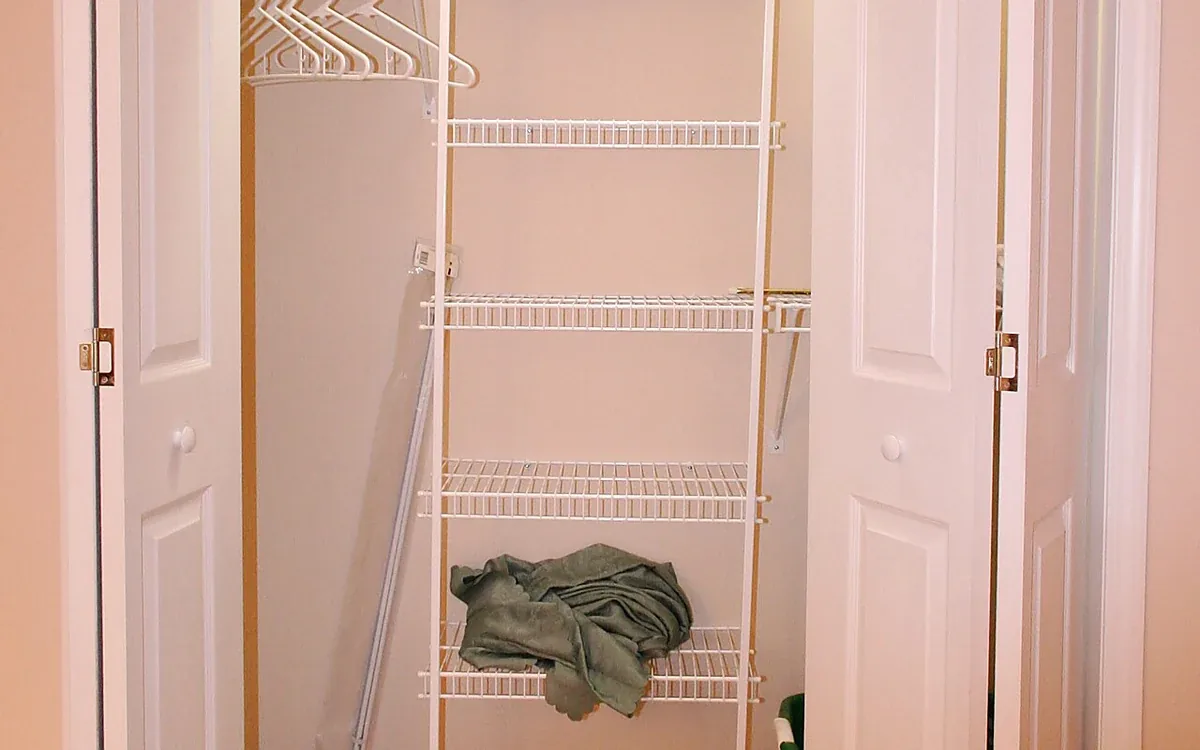
Yes, buying storage bins can make clutter worse when they give undecided belongings a place to hide. A container helps when you know what you are keeping, where it belongs, and how you will use it. For a Charleston, SC household preparing to downsize, move, or clear a home, those decisions should come before the organizer purchase.
Quick answer
Buy a bin only after you have chosen its contents and confirmed its place in the home. If the purchase is meant to hold things you cannot decide about, pause.
- Name the exact category the bin will hold.
- Choose which items in that category belong in your household.
- Measure the intended space and check how you will reach the contents.
- Consider whether an existing shelf, drawer, or container already works.
A useful bin makes a settled choice easier to live with. An unnecessary bin adds another object while leaving the original problem unresolved.
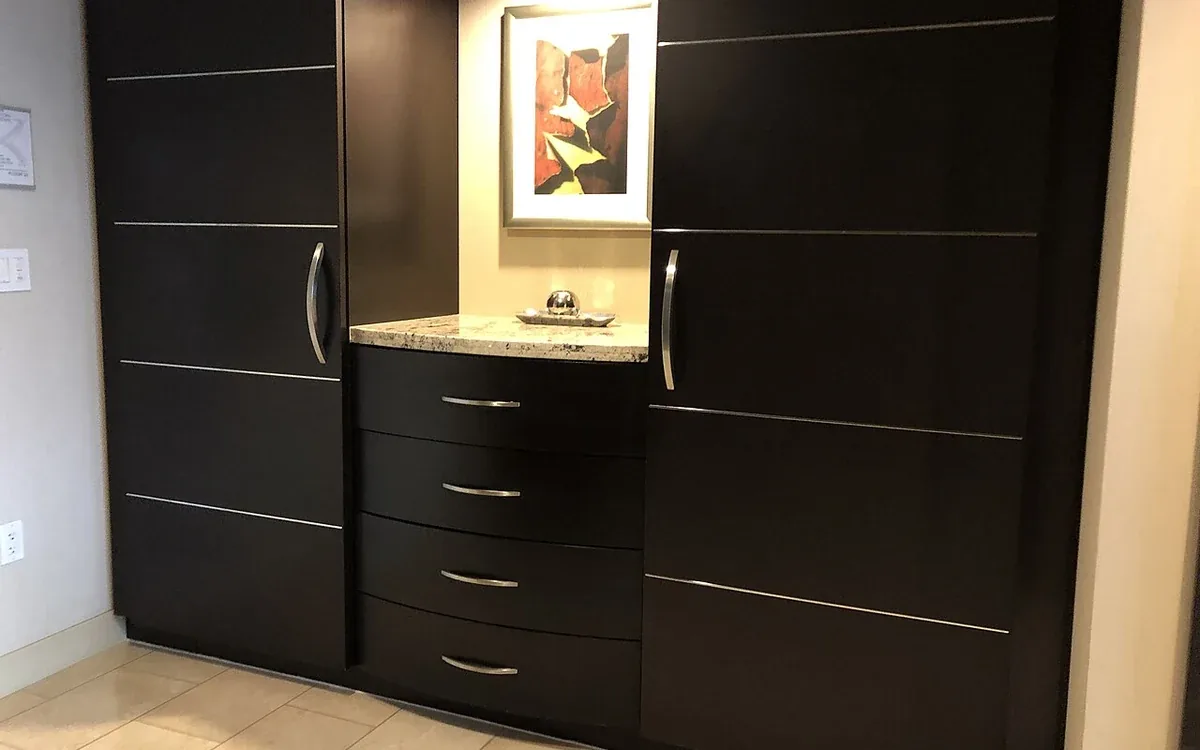
Why a tidy container can hide an unfinished decision
A matching row of bins can look organized even when nobody knows why the contents are being kept. The visible pile disappears, but questions about usefulness, ownership, and destination remain.
Suppose a household has spare kitchen tools, craft supplies, and gifts nobody wants. Putting everything into attractive containers may clear the counter. It also gives those items a more permanent place without establishing whether they deserve that space.
That difference matters during a home transition. Every retained object still needs room in the next home, a place in the moving plan, or another agreed destination. Buying containers can make that commitment less obvious.
The broader guide How do you keep clutter from coming back looks at maintaining order beyond the initial cleanup. Here, the narrower decision is whether buying an organizer will actually improve access to belongings you have chosen to keep.
Notice the reason behind the purchase. “Our sewing supplies need a reachable home” identifies a problem a container might solve. “I want this room to look finished” does not yet explain what belongs there.
What should you decide before buying a storage bin?
Start with the belongings, rather than the container aisle. Choose a specific group you intend to use or preserve, then work out how that group needs to function.
Ask practical questions:
- What belongs in this category, and what does not?
- Who uses these items or has authority to decide about them?
- Where are they used?
- Can the household reach and return them without moving unrelated things?
- Does the available space suit the amount you intend to keep?
If a category includes items you do not want, buying a larger bin simply reserves more room for them. Decide which belongings have a purpose before choosing capacity.
Some decisions need a separate conversation. A family member’s possessions, disputed inherited property, and records with uncertain retention requirements should not be treated as ordinary household extras. Keep them identifiable while the appropriate person resolves the question. For inherited belongings, What is the best way to clean out an estate? provides a relevant starting point for the larger cleanout.
If the choices themselves are difficult, downsizing and organizing services are a relevant place to discuss practical help. A useful conversation starts with your goals, access needs, and unresolved categories, rather than a shopping list of containers.

Test the fit in your home before the fit in your cart
A bin has to fit both its location and the way someone uses its contents. Shelf dimensions alone cannot tell you whether an organizer will work.
Measure the usable opening, including any door, hinge, shelf lip, or other obstruction. Compare that space with the product’s exterior dimensions. Check the stated interior dimensions too, when available, because handles and tapered sides can reduce usable room.
Then consider the movement involved. A lidded tote may suit decorations you put away between occasions. It may be awkward for supplies you reach for repeatedly while cooking or doing a hobby.
Before buying, use an available container or mark the proposed footprint on the shelf. This can reveal whether the planned location is convenient without committing to a new product.
Check these points:
- Can you remove the container without shifting nearby belongings?
- Can you read its label from the normal approach?
- Will the contents be manageable for the person who lifts it?
- Is there room to open a lid or pull out a drawer?
- Can everyone who uses the category follow the same arrangement?
A system with too many steps can be difficult to maintain when attention is elsewhere. How do you keep clutter under control when life gets busy addresses that broader problem. For this purchase, focus on choosing storage that makes the ordinary action easier.
When does a container earn its place?
A container earns its place when it solves a defined problem with belongings the household has decided to retain. The benefit might be easier retrieval, keeping related pieces together, or separating categories that otherwise become mixed.
Consider gift-wrapping supplies. If you keep the materials you actually use and choose an accessible location, a suitably sized organizer may help. If you buy a large tote to accommodate every leftover scrap, the purchase may preserve excess instead.
The same distinction applies to hobby equipment. A container can hold the supplies for a current project. Buying storage for several imagined future hobbies makes a different commitment: you are reserving household space for activities you have not chosen to pursue.
Visibility also matters. Clear sides or specific labels can help identify contents, but neither feature establishes whether the contents belong there. Avoid labels such as “miscellaneous” when a more precise category is possible.
If hidden supplies lead to repeat purchases, How do you stop buying duplicates of things you already own explores that issue in more detail. A proposed bin should help you find what you own before you shop again.
A smaller home’s storage should guide the purchase
During downsizing, buying bins for the current home can solve the wrong problem. A container that fits today’s deep closet may have no sensible place in the next home.
Use the destination as the reference when its layout is known. Consider available shelving, access, furniture placement, and where daily activities will happen. A guest-room closet may not be a workable destination for supplies needed in the kitchen.
When the next home is undecided, distinguish packing needs from permanent organization. Ask a move team about suitable packing materials within its agreed scope before buying household organizers as moving containers.
An estate transition adds another layer. Belongings may have different owners or require decisions about retention, sale, or transfer.
Buying a bin should not imply that an estate item has been approved for removal or that somebody has agreed to keep it. Establish decision authority and destination first.
Off-site storage is a separate household and provider choice. Before reserving it, identify what would be stored and what future event would resolve the need. More storage space cannot answer an ownership dispute or decide whether furniture belongs in the next home.
Make the purchase specific enough to evaluate
A useful shopping decision describes the problem in plain language. You should be able to explain what will improve after the bin arrives.
For example: “The retained sewing supplies will sit together on the reachable shelf beside the worktable.” That statement identifies contents, location, and use. “We need more organization” offers no clear way to judge a product.
Write down the category, location, and required features before browsing. This makes it easier to reject an appealing container that does not fit the actual job.
Useful reasons to postpone a purchase include:
- The contents have no agreed owner or destination.
- The shelf location is still uncertain.
- You are choosing capacity for items you may release.
- The product requires lifting or reaching that the user finds difficult.
- You are buying a matching set without a purpose for each piece.
Postponing does not require leaving loose objects across the room. Use an existing suitable container to keep a defined category together while you resolve the decision. Keep temporary arrangements out of walkways and avoid treating them as permanent by default.
Household preferences can differ. One person may prefer visible supplies; another may want a closed cabinet. Agree on how the space must function before buying a system that everyone will be expected to use.
What can a cleanout or move team help you discuss?
A practical team may discuss categories, access, packing needs, destination rooms, and the order in which household decisions are needed. Confirm the actual scope before assuming that purchasing containers, transporting belongings, or arranging another provider is included.
The household or authorized decision-maker sets priorities, approves what stays or leaves, and decides whether to buy organizers or reserve separate storage.
Other decisions belong with the responsible professional or authority:
- Legal: Ownership disputes, estate authority, and document-retention obligations require the appropriate legal guidance.
- Appraisal: An appropriate appraiser handles value opinions when needed; a storage choice does not establish value.
- Real estate: Sale strategy and presentation advice belong with the responsible real-estate professional.
- Inspection and compliance: Inspectors and relevant authorities determine applicable requirements and acceptance.
- Contractor work: Repairs or changes to shelving and built-ins need a separate contractor arrangement.
- Disposal: Acceptance, handling requirements, and available routes must be checked with the appropriate provider or authority.
These boundaries help keep an organizer purchase from becoming a substitute for a decision nobody present is authorized to make.
Clutter Cleaner of South Carolina lists downsizing and organizing and move management among its services, with service territory across South Carolina. Its physical business location is Mount Pleasant, SC, and Charleston is its primary market. Call (843) 972-7020 to discuss your household’s situation and confirm an appropriate scope of work.
Short FAQ
Are clear bins always better?
No. Visibility may help, but the container still needs to fit the contents, location, and user’s needs. Clear sides do not resolve whether something should be kept.
Should I buy matching containers before downsizing?
Wait until you know what you are retaining and where it will go. A matching set may include pieces you do not need or cannot use.
Can I keep sentimental belongings without buying more storage?
Yes, if suitable space already exists. Choosing meaningful keepsakes and assigning them a deliberate place can be enough. A new container is useful only when it serves that choice.
Photo credits
- Open walk-in closet with mostly empty shelves: Tysto. Original photograph, Public domain. Cropped and resized.
- Dark fitted wardrobe with drawers: Missvain. Original photograph, CC BY 4.0. Cropped and resized.
- Built-in wooden shelving beside exposed walls: Federal Bureau of Investigation. Original photograph, Public domain. Cropped and resized.






