

Start decluttering when you feel overwhelmed by choosing a small, clearly bounded area that would make your current home easier to use. Decide what “finished” means before touching anything, handle only belongings you have authority to sort, and leave the space usable when you stop. You do not need a move, a home sale, or a whole-house plan to begin.
Quick answer
- Name a daily activity that clutter interrupts, such as preparing food or sitting at your desk.
- Choose a small area connected to that activity.
- Work with easy decisions first, keeping uncertain belongings contained.
- Put retained items away and give outgoing items a confirmed next step.
- Stop with the area usable, even if the rest of the backlog remains.
Why does starting feel harder than the actual sorting?
A stalled backlog presents several problems at once. You may see papers to review, objects without homes, other people’s possessions, and things that need repair. “Declutter the house” bundles all those decisions into an assignment with no clear end.
Separate the blocked activity from the volume of belongings. Perhaps you cannot reach a drawer because bags sit in front of it. The starting task is restoring access to that drawer. Reviewing every bag’s contents can wait.
Write a sentence that connects effort to use: “I want to open this drawer without moving anything.” That gives you a reason to begin and a way to recognize completion.
If deciding where to begin remains the sticking point, use How do you choose the first decluttering task? to narrow the choice. You do not need to rank every room before starting.
Define a result that fits an occupied home
You still need to cook, sleep, dress, and move through the home while sorting. A useful starting result protects those activities rather than creating a temporary worksite across the house.
Choose a boundary you can point to: the chair holding unopened purchases, the shelf blocking access to everyday dishes, or the papers covering your working surface. Avoid a broad category such as “all paperwork” if it requires searching through several rooms.
Before starting, identify:
- The exact space included.
- The household activity it should support.
- Where retained belongings can go.
- Where unresolved items can sit without blocking use.
If you want help shaping that scope, Clutter Cleaner of South Carolina’s downsizing and organizing service is a relevant starting point for a conversation. Explain that you are staying in your home and want help addressing a backlog. Ask what assistance can be agreed for that goal.
How can you start without making the room harder to use?
Leave belongings outside your chosen boundary in place. Pulling everything out may reveal more than you can comfortably decide, especially when the bed or kitchen table must return to use.
Bring a manageable container to the task rather than carrying loose objects into other rooms. Keep a clear separation between things you intend to retain, things awaiting a decision, and things approved to leave. Label containers so another household member does not mistake uncertainty for permission to discard.
You can work from the visible edge of a pile. Move through accessible objects without digging underneath unstable stacks or lifting something you cannot safely handle.
For sorting methods that preserve room use, see How do you declutter without making a bigger mess?. The starting principle is simple: expose only as much as you can safely put away again.

Give uncertain belongings a specific reason to wait
An uncertain object should not force you to abandon the whole task. Name the missing answer and keep moving within your boundary.
“Ask whether this belongs to my sister” is actionable. “Deal with this later” leaves the same decision waiting without a path forward.
Useful reasons to pause include:
- Ownership needs confirmation.
- A document may need professional review.
- A possible sale requires advice about value.
- The object needs a handling or disposal route you have not confirmed.
Keep unresolved items contained and labeled. Avoid using “unsure” as a destination for every object that takes thought. If the question is whether an ordinary item still serves your household, consult How do you decide whether to keep something you might need?.
Inherited property can raise different authority and distribution questions. The existing guide What is the best way to clean out an estate? offers a separate starting point for that situation. Everyday decluttering does not establish authority over estate belongings.
Finish the chosen task before opening another area
A cleared surface surrounded by new piles can feel like unfinished work because it is unfinished work. Include putting things away in your original definition of the task.
An item retained for everyday use needs an accessible place. An item approved to leave needs a route that you have checked. A donation bag without a confirmed destination remains a household responsibility, even if the decision to donate is settled.
Before stopping, check the result:
- Can you perform the activity you named?
- Are retained objects put away?
- Are unresolved belongings labeled and contained?
- Are outgoing items safely staged without obstructing the home?
If the task turns out to be too large, reduce the boundary and finish that smaller area. You can decide to address one shelf rather than the entire cabinet.
For help closing the gap between sorting and completion, read How do you finish decluttering instead of starting another pile?.
Adjust the starting method to your household
Your first task should fit your physical capacity, available space, and authority over belongings. Those conditions matter more than copying someone else’s organizing approach.
When you live alone: Choose work you can safely complete without a lifting partner. Put your phone within reach and avoid moving heavy furniture to access a starting area. Arrange help separately when the task requires it. How do you declutter your home when you live alone? addresses that setting.
When belongings are shared: Agree on the task boundary and decision rules before sorting. A shared hallway can need attention without giving anyone permission to discard another person’s property. Use How do you declutter when some belongings are not yours? when ownership limits progress.
When there is no spare room: Keep the sorting footprint within the area being addressed. Preserve beds, seating, and meal preparation space. How do you declutter without a spare room for sorting? explores options without assuming an empty room is available.
How do you ask for help while keeping control?
Ask for assistance with a defined obstacle rather than handing over every decision. You might need someone to stay alongside you during sorting, discuss organizing options, or help plan how approved outgoing belongings will be handled.
A practical cleanout or move team may discuss access, lifting needs, areas excluded from work, decision makers, and the proposed scope. Confirm which tasks the team actually agrees to provide. Hiring help does not automatically include storage, contractor work, appraisals, or every disposal method.
State your boundaries plainly:
- “Ask before removing anything.”
- “These documents are outside the sorting scope.”
- “This room must remain usable.”
- “My relative decides about belongings labeled with their name.”
Discuss what happens when a question cannot be resolved. Holding the item for an authorized decision is different from assuming consent.
For a fuller conversation framework, use How do you ask for help decluttering without losing control?. Clear limits make the proposed work easier for both the household and the helper to understand.
Keep specialist decisions separate from sorting
Most starting decisions concern household use: where belongings belong, which area matters first, and what the authorized owner wants to keep. Other decisions require separate advice or approval.
Storage is a household choice involving a separate provider if needed. Before choosing it, identify what would be stored and why. Moving an unresolved pile elsewhere may free a room while leaving the underlying decisions untouched.
An appraiser handles formal valuation within their professional scope. Legal questions about ownership, estates, or document retention belong with the responsible legal professional or authority. Do not destroy unclear records simply because they occupy valuable space.
Contractors handle agreed repair work. Inspectors and the relevant authority handle inspection findings and compliance determinations. A cleaner-looking room does not demonstrate that a building issue has been resolved.
Confirm donation acceptance and disposal requirements with the receiving organization, provider, or local authority. South Carolina households should check the rules applicable to their own location rather than assume a single statewide pickup or disposal process.
Real-estate advice belongs with the responsible real-estate professional if a sale later becomes relevant. It need not drive an occupied-home starting plan today.
Notice whether the first effort improves daily use
Measure the result against the problem you chose. Can you sit in the chair? Reach the drawer? Use the desk without transferring a stack to the floor?
Those observations tell you more about this task than the number of objects removed. A needed object put within reach can improve function without leaving the house.
Record a brief before-and-after statement in words if that helps: “The desk was covered; now there is space for the work I do there.” Keep the observation limited to the area you addressed.
How can you tell whether decluttering is actually helping? offers further ways to assess useful change. Let the completed task inform your next choice rather than treating an unfinished room as evidence that nothing worked.
Short FAQ
Do I need to buy organizing supplies before starting?
Use containers you already have if they safely fit the task. Decide what needs a place before buying storage products. Supplies cannot resolve ownership or keep-or-release decisions.
What if I stop before the area is finished?
Put exposed belongings into labeled containers and restore access to essential household spaces. Write down the specific next action so returning does not require reconstructing the task.
Can I get help even though I am not moving?
You can ask about downsizing and organizing support for an occupied home. Clutter Cleaner of South Carolina is physically based in Mount Pleasant, SC, serves all of South Carolina, and has Charleston, SC as its primary market. Call (843) 972-7020 to discuss your starting goal and confirm an appropriate scope.
Photo credits
- Sofa beside a clear wooden floor: David Hellmann davidhellmann. Original photograph, CC0. Cropped and resized.
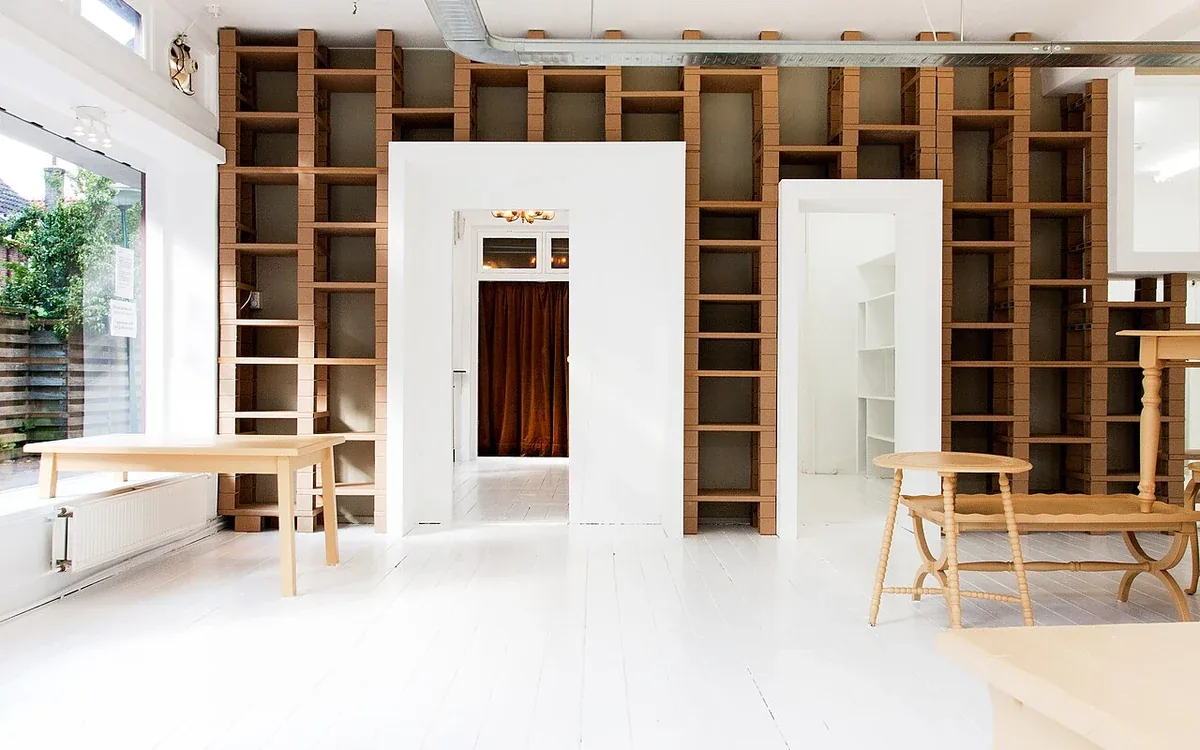
- Open shelving around a doorway: Harprit Bola studiorla. Original photograph, CC0. Cropped and resized.
- Dark leather sofa cushions: www.Pixel.la Free Stock Photos. Original photograph, CC0. Cropped and resized.






