

You can declutter without making a bigger mess by working inside a small, defined area, removing only what fits on your sorting surface, and putting each batch away before opening another drawer or shelf. Keep walkways, seating, and daily essentials available throughout the session. The room should still work for the people living there when you stop.
Quick answer: Choose a single drawer, shelf section, or patch of counter. Use a contained sorting space and labeled containers for items leaving, moving elsewhere, or awaiting a decision. Stop taking things out when that space fills. Return what stays, contain unresolved items, and restore the room before expanding the task.
Where should you start in a room you still need to use?
Start with a contained spot whose improvement will make an ordinary activity easier. That might be the bedside drawer holding reading glasses, the kitchen drawer that jams, or the entry table where keys disappear.
For the judgment behind keeping an uncertain object, read How do you decide whether to keep something you might need?. During this session, your immediate goal is to prevent uncertainty from spreading across the room.
Define the task by its physical edges. “Sort the left drawer” gives you a clear stopping point. “Organize the bedroom” leaves you deciding how much more to pull out.
Before touching anything, identify what the room must support when you finish:
- A bed available for sleeping.
- A chair available for sitting.
- A counter available for preparing food.
- A clear route to doors and essential belongings.
Choose a target that lets you protect those uses. If the room already has limited open space, begin by removing an obvious item you own and have decided to release, rather than unloading a cupboard.
For help choosing a manageable starting point, read How do you start decluttering when you feel overwhelmed?. Once you have chosen your spot, keep this session within its boundaries.
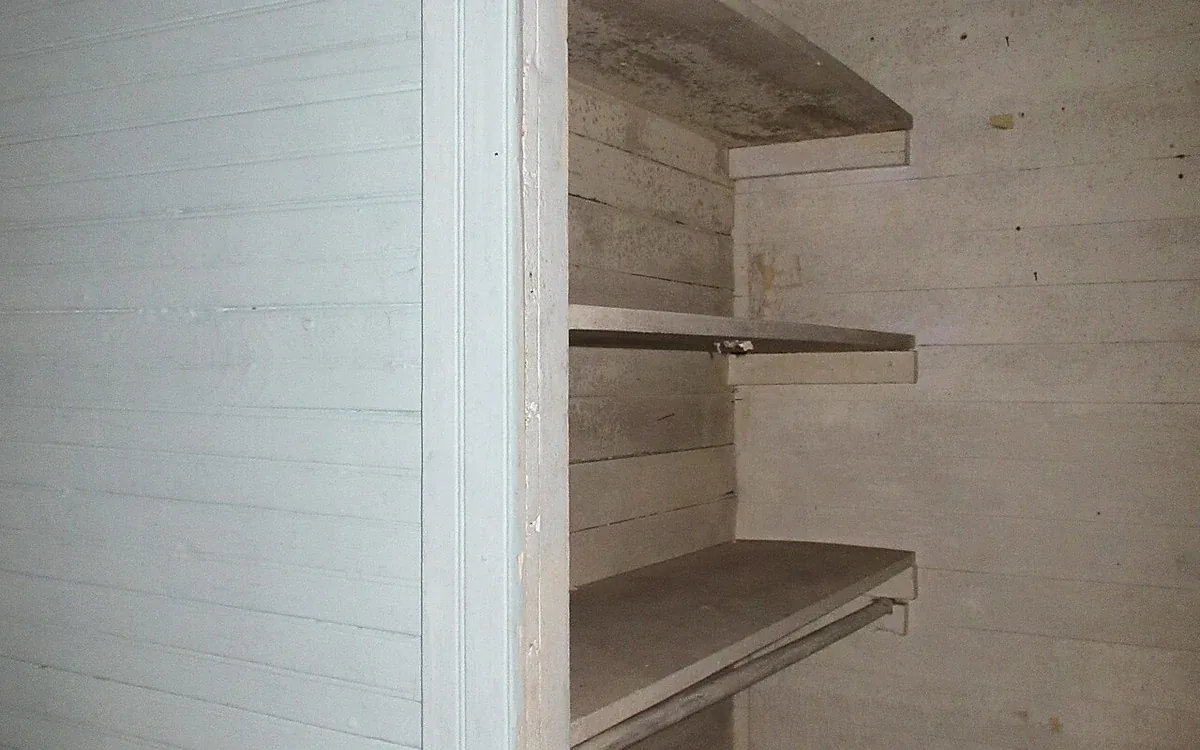
Set up a sorting space that cannot quietly expand
Use a tray, a shallow box, or a defined part of a table as your sorting surface. Its purpose is to limit how much you expose at once. Avoid choosing the whole floor simply because it offers more room.
Keep containers close enough to reach without spreading belongings across the room. Label them with destinations or decisions:
- Stays here: Items returning to the area being sorted.
- Belongs elsewhere: Items with an identified place in the home.
- Approved to leave: Items you own and have decided to release.
- Needs a decision: Items requiring information or another person’s input.
A label is useful only if it means something specific. “Miscellaneous” lets unrelated objects accumulate without a next step.
Use containers you already have if they suit the task. Buying bins before seeing what remains can add packaging and unused supplies to the room.
If you want assistance planning a contained session, downsizing and organizing services are a relevant place to begin the conversation. Describe the room’s everyday uses and ask what support fits the items and decisions involved.
Do you need to empty every drawer to declutter properly?
No. You can sort a drawer in sections or lift out a small group while leaving the rest in place. Emptying everything may help with certain tasks, but it is not a requirement for making a drawer easier to use.
For example, remove the loose pens from the front of a desk drawer. Check those, return the ones you keep, and then consider the next small group. Leave paperwork and other categories undisturbed until you can contain them.
If cleaning the drawer’s interior is part of your goal, clear a section, clean it appropriately, and return its contents before moving across. Do not add cleaning products or wet surfaces to a crowded sorting area.
Keep useful pairs together as you work:
- Keys with their identifying tags.
- Chargers with the devices they fit.
- Containers with matching lids.
- Hardware with the item it belongs to.
Separating these can create extra decisions and make a useful item look incomplete. If a match is missing, note that question rather than opening every other drawer to search.
Handle mixed contents without creating separate roomwide projects
An occupied room often contains several kinds of belongings in the same small space. A sideboard drawer might hold batteries, letters, spare keys, and a family photograph.
You do not need to gather every battery, letter, or photograph in the house to improve that drawer. Handle what is present and keep the larger categories outside today’s scope.
Give loose papers a folder or envelope so they cannot slide into other groups. Keep private records separate from outgoing goods. Ask the responsible legal or financial professional about retention requirements when you are unsure; appearance alone does not tell you whether a document matters.
Place a photograph or sentimental object somewhere protected while you decide where it belongs. Avoid making emotional decisions while the sorting surface is crowded and someone needs the table.
If the contents are part of an estate rather than your own household belongings, pause before treating them as yours to distribute. How do estate cleanouts work? offers a relevant starting point for that different situation. Authority to sell, give away, or discard estate property belongs with the legally responsible person and appropriate legal advice.
Keep uncertain items contained without forcing a decision
An uncertain item should not require you to stop the entire session or start a research project across the house. Put it in the decision container with a brief note explaining what is unresolved.
“Ask the owner whether this can leave” is actionable. “Maybe useful” is too vague to help when you reopen the box.
Useful notes might identify:
- The person whose permission you need.
- The device or item that needs a matching part.
- A possible value question for an appropriate appraiser.
- A record-retention question for the responsible professional.
Keep this container limited to the task you opened. If it fills, stop exposing more belongings. Finish the clear decisions and return unresolved items to a designated place without mixing them into outgoing goods.
What should you do if the mess starts spreading?
Treat a full sorting surface as a signal to close the current batch. You do not have to finish the entire target before putting things away.
First, return the items staying in the drawer or on the shelf. Then place approved outgoing items in their labeled container and gather decision items together. Clear the surface enough to use it again before considering more sorting.
Watch for signs that the session has outgrown its boundary:
- You are putting items on furniture outside the chosen area.
- Someone cannot reach a seat or everyday item.
- Containers are becoming too heavy to handle safely.
- A second cupboard is open because you followed a misplaced object.
If you discover a problem that makes handling unsafe, stop that part of the task. Unknown chemicals, sharps, damaged electrical items, or suspected contamination call for advice from the appropriate provider or authority. Do not mix questionable materials into ordinary outgoing boxes.
Reducing the scope is a practical correction. You can finish the drawer’s front section and leave its back section untouched.
Move items elsewhere without opening another sorting job
The “belongs elsewhere” container helps you avoid repeated trips and side projects. It works best when each item has a known destination, such as a stapler returning to the desk.
When you carry an item to another room, put it in that established place. Do not start reorganizing the destination cupboard because you notice clutter there.
If there is no suitable place, the item needs a location decision. Do not force it into an already crowded drawer or leave it loose on another household member’s chair.
For outgoing goods, distinguish the decision to release them from the arrangement for their next destination. A household may choose donation, sale, recycling, disposal, or separate storage, depending on the items and available options.
Check acceptance requirements with the receiving organization or provider before assuming it will take something. Keep outgoing goods safely contained without blocking doors. Storage arrangements and disposal services are separate choices to confirm, not automatic parts of organizing assistance.
Close the session with the room ready for ordinary use
Closing means dealing with everything you exposed, even if some decisions remain open. It does not require solving every storage issue in the room.
Return retained items so the drawer closes or the shelf can be used. Put frequently needed belongings within comfortable reach for the person who uses them.
Remove empty packaging and sorting supplies from the usable surface. Label any container that remains with its contents and unresolved action. Agree with other household members on a safe temporary location rather than leaving it in their space.
Check the room through its normal activity: can someone sit, sleep, prepare food, or reach what they need without shifting your project?
If finishing is where your sessions tend to stall, read How do you finish decluttering instead of starting another pile?. For this initial session, the stopping point is a usable room and a contained set of remaining decisions.
What can an organizing or move team help you discuss?
A practical team may discuss the work area, access needs, who makes decisions, which belongings are protected, and how sorted items will be handled. Confirm the actual scope before work starts, especially when several providers or family members are involved.
The household can set priorities and make choices about its own belongings. A team can discuss a workable sequence and the physical handling involved. It should be clear who may approve an item leaving.
Other decisions stay with the responsible professional or authority. Appraisers assess value; legal professionals advise on ownership and authority. Real-estate professionals advise on sale preparation, while inspectors assess conditions within their remit. Contractors handle agreed repair work, and the applicable authority determines compliance requirements.
Clutter Cleaner of South Carolina offers downsizing and organizing, with a physical business location in Mount Pleasant, SC, Charleston as its primary market, and a statewide South Carolina service territory. Call (843) 972-7020 to discuss your room and confirm a suitable scope. Storage, contractor work, appraisals, and disposal require separate confirmation with the household or relevant provider.
Short FAQ
Can I stop before the whole drawer is sorted?
Yes. Return the items you exposed, contain anything unresolved, and leave the drawer functional. An untouched section does not prevent the finished section from being useful.
Is the bed a good sorting surface?
Only if you can fully clear it before it is needed. A tray or small table area can be easier to contain. Protect the bed’s ordinary use throughout the session.
What if someone else owns an item?
Keep it protected and ask them. Being in a shared room does not make it yours to discard. Record whose decision is needed and continue with belongings you can decide about.
Photo credits
- Long pale table beside a blue sofa: Breather breather. Original photograph, CC0. Cropped and resized.
- Empty shelves in a narrow closet: Infrogmation of New Orleans. Original photograph, CC BY 2.0. Cropped and resized.
- Open storage drawer with small belongings: Eero Aarnio. Original photograph, CC BY 4.0. Cropped and resized.





