
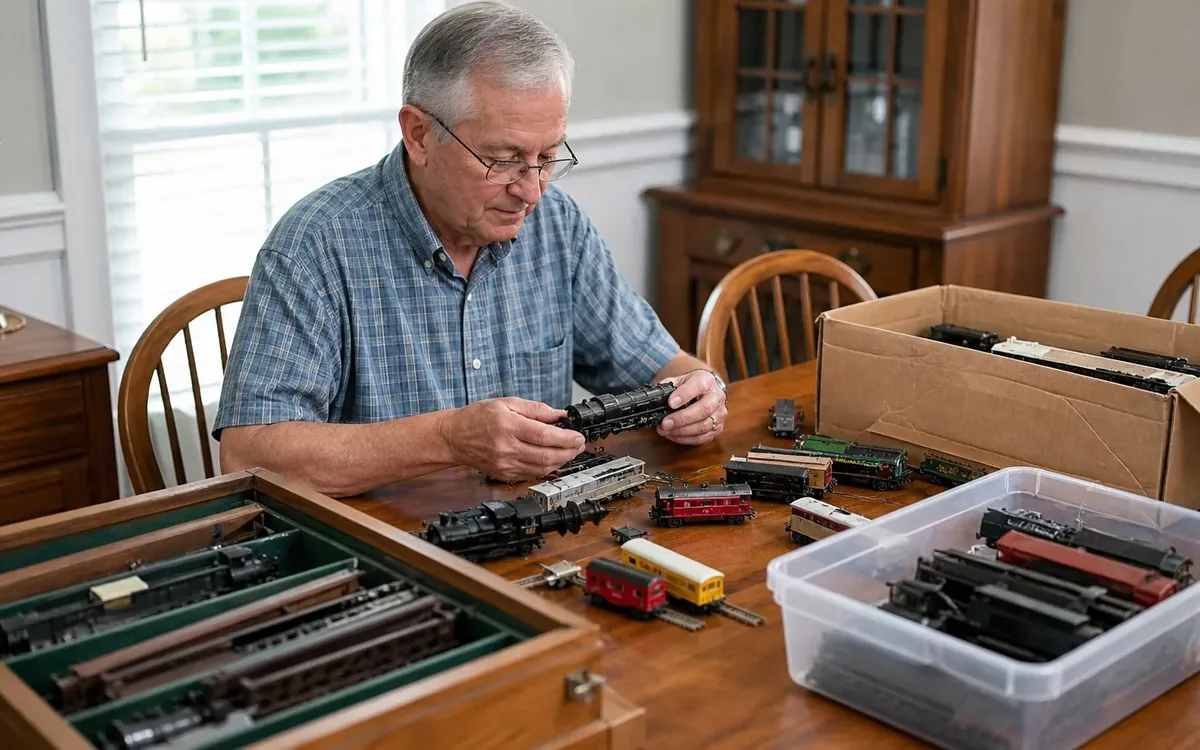
Prepare a Model Train Estate Sale in Lexington, SC with clear records. List scales, trains, and layout parts in their own groups. Save plans and mark facts you don’t know. The person in charge of the estate must approve sale groups. Trained providers need evidence for each exact model before planning removal or checking its state.
Quick answer: Take photos of the trains as found. Note labels, boxes, and model numbers without changing the setup. List trains, layout parts, and papers in their own groups. Before layout work, agree on who owns each item and what’s for sale. Set buyer duties and provider roles. Don’t claim an item works without sound proof.
A train collection can occupy several rooms and storage areas. The sale may include loose cars, boxed sets, tools, and scenery. Some components may belong to the house rather than the sale. Clear documentation helps each provider understand those limits.
What should a Model Train Estate Sale inventory include?
Use the auctions and estate sales service overview to frame sale planning, and the guide to how estate cleanouts work to understand the wider handoff. Start with one record per item or clear group. Record what you can read, then flag gaps rather than guessing.
Scale tells you a model’s size next to the real train. Gauge means the space between the rails. These terms are linked, but they don’t mean the same thing. Copy both from boxes or maker labels. If the box and item don’t match, note what each says.
Don’t identify a scale based on appearance alone. A collection may contain more than one scale or brand. List uncertain items under “scale unconfirmed” in your inventory. A model train specialist can review that group later.
Use a simple record with these fields:
- Give each item or group a unique ID that matches its photo files.
- Copy the maker, model number, scale, and gauge exactly where labels provide them.
- Record road names, car numbers, colors, and visible marks that help identify each piece.
- Note the current room, shelf, box, or layout area where each item sits.
- List related papers and packaging, while marking any uncertain match for later review.
- Describe visible flaws in plain words without claiming a cause or repair need.
A locomotive might have several useful identification numbers. Its road number may differ from the manufacturer’s item number. Preserve both fields so a buyer can compare records. Avoid combining items simply because they share the same paint scheme.
Count items only when you can do so without changing the setup. Mark things you can’t see or reach as uncounted. A list with clear gaps helps more than a guess. Leave those gaps for later review.
How do you separate trains from layout infrastructure?
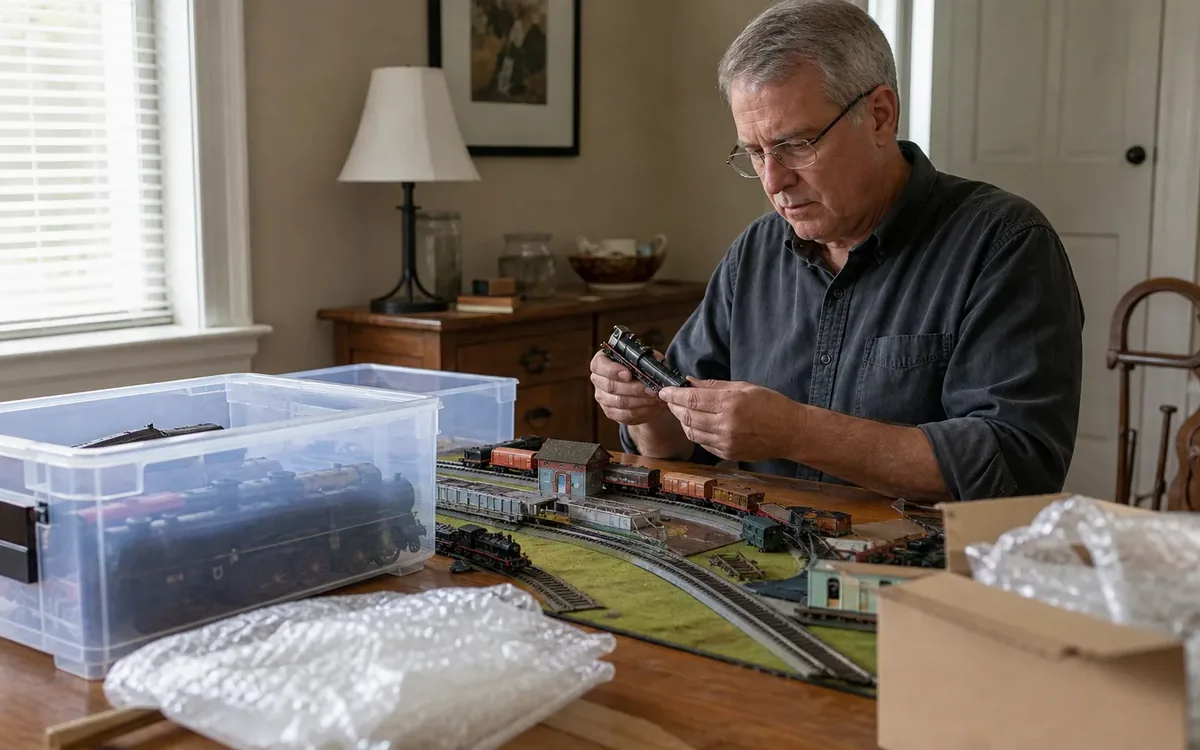
The estate cleanout planning guide helps define the home’s wider scope, while the auctions and estate sales overview supports sale discussions. Separate these groups in the inventory, not through physical work. List rolling stock apart from track, controls, scenery, and layout supports. Flag connections that need expert review.
Rolling stock means the engines and cars that ride on tracks. Layout parts may include track, switches, controls, power supplies, signals, and wires. Make their own records for tables, cabinets, and built-in supports. Each group may need its own buyer and handoff plan.
The household can list the groups it hopes to sell. It may want to keep a family train or give some items away. The person with legal power over the estate must approve those choices. A sale team should not decide who owns a disputed item.
Identify each layout zone by its room and visible features. For example, call one area “rear station scene” in your records. Use that same description in photographs and notes. Consistent names prevent confusion when several people review the collection.
Mark items as “offered with layout” or “sale scope undecided.” Don’t assume scenery, tables, or room fixtures go with the trains. Parts fixed to the home may raise questions about sale terms. Ask a real-estate or legal expert to review those issues when needed.
Keep compatibility claims separate from descriptions of appearance. The same brand name doesn’t prove that components work together. Sale descriptions can include visible labels and facts from records. Don’t claim parts fit or function without supporting evidence.
This distinction keeps sale planning focused. Buyers can see what is offered without assuming everything belongs together. Providers can see which decisions remain open before they quote their work.
How should you plan layout dismantling and documentation?
Read the guide to how estate cleanouts work for handoff planning, and use the auctions and estate sales service page to discuss sale scope. Plan layout dismantling as a separate provider task. Preserve records before any work starts. Exact-model guidance and qualified review must shape any technical steps.
The household’s role is to state what it wants done. It may want to sell the trains but keep the room’s furniture. It may offer the layout with a separate removal agreement. Neither choice tells a provider how to take it apart.
Use this five-part planning sequence:
- Confirm who can approve the sale and any proposed changes to the estate home.
- Create an inventory map linking each layout zone to photos and item records.
- Save existing wiring diagrams, manuals, parts lists, and notes in a shared folder.
- Ask qualified providers to define their scope, evidence needs, access needs, and exclusions.
- Record the approved sale boundaries and provider responsibilities before scheduling any layout work.
Photograph plans where they’re stored, if you can read them. Preserve the original files when records are on a computer. Label copies with their source and the date you found them. Don’t present uncertain notes as verified information.
An old plan may show how the layout used to look. Note that it may no longer match what’s there. Photos can show labels and where parts sit. They can’t prove that wiring is sound or supports are strong.
Don’t ask family members to test, unplug, fix, or take apart items. This guide gives no steps for work on wiring or supports. Providers must plan work on furniture and built-in supports too. Where needed, technical work must use expert-reviewed evidence for the exact model.
Keep the sale deadline separate from the work plan. If review is incomplete, change the sale scope or timing. Pressure to empty a room does not resolve a technical unknown.
Build sale descriptions from records, not assumptions
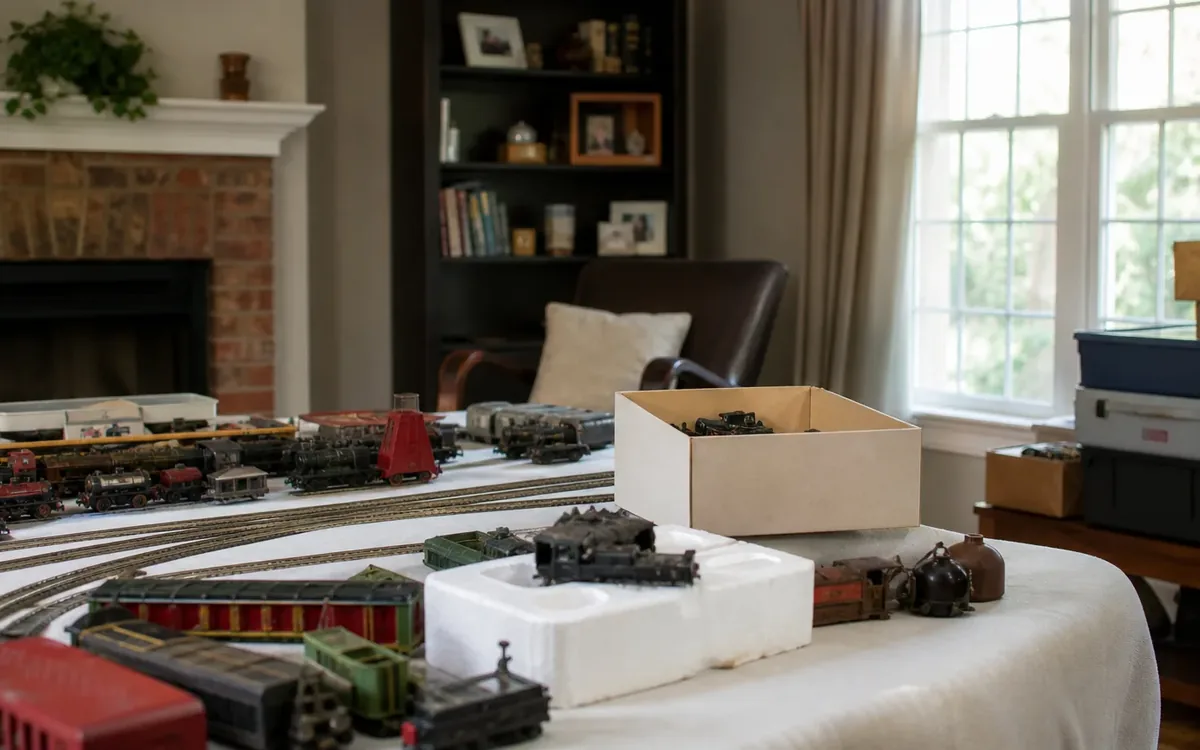
The auctions and estate sales overview offers a starting point for sale discussions, while the estate cleanout guide helps keep estate decisions organized. Give the sale provider a clear evidence file. Separate visible facts, owner notes, and unknowns. Let the right specialist address value or condition questions.
Good sale text says what the record shows. “Maker name visible on box” is a claim you can check. “Original box” needs proof that the box goes with that item. “Complete set” needs a trusted parts list and proof of a match.
Previous owner notes can help, but readers need their source. A note saying “ran well” doesn’t establish its current condition. Share the note’s wording and source when they’re relevant. Don’t present a historical note as a current sale claim.
Choose descriptions that keep these distinctions clear:
- Describe visible wear, missing labels, or damaged packaging without guessing about hidden condition.
- State when a box match remains uncertain rather than calling the packaging original.
- Keep historical owner notes separate from any current report by a qualified specialist.
- Mark accessories as unverified when no reliable list confirms what the set includes.
- Identify the evidence behind unusual value claims before using them in sale materials.
The household may choose which items to offer and which to keep. A sale provider can discuss groups, buyer interest, and sale text. For a formal value report, use an appraiser suited to the task. Ask the right tax or estate expert about those value questions.
For donated items, the IRS guidance on valuing donated property provides federal valuation guidance. Donation value is a separate issue from a proposed sale price. Ask a tax professional which records fit the household’s situation.
Avoid promising a collector market for every piece. Some buyers want boxed trains; others seek parts or scenery. A provider can discuss those choices without treating an asking price as an appraisal.
Define the provider handoff before the sale
Use the guide to how estate cleanouts work to prepare the household’s handoff, and the auctions and estate sales service overview to frame provider questions. Assign each task to a named person or provider. Keep sale work, moving, technical work, and property decisions distinct. Written scope helps prevent gaps.
A cleanout or moving team may discuss access and inventory counts. It may ask about destinations and which rooms remain in use. It can help arrange the sequence of agreed tasks. Don’t assume those discussions include technical work on the layout.
Ask each provider about the layout work before making plans. Say that some items use power and some supports were custom-built. Share the item list and any technical records you have. Each provider should state what it can take on. Other tasks may need their own review.
The household chooses storage and agrees on terms with that provider. Work on the home, value reports, and disposal need their own decisions. A move plan should name where each item will go. It doesn’t prove items are ready for use. Check what each provider will accept.
Use a handoff note to settle practical questions:
- Name the estate contact who can approve sale groups and answer ownership questions.
- State which items are included, held back, or awaiting a decision before work proceeds.
- Identify who will review layout removal needs and who approves that separate scope.
- Record buyer collection terms without assuming buyers will handle attached or powered items.
- Assign unsold goods to a chosen next step, subject to the receiving provider’s acceptance.
The estate’s legal representative handles who has power to act. That person also handles disputes over who owns items. A real-estate expert can advise on the home’s sale terms. Inspectors or the proper authority decide inspection and compliance issues. A cleanout plan can’t take their place.
For Lexington households, Clutter Cleaner of South Carolina lists statewide service coverage. Its physical location is Mount Pleasant, not Lexington or Charleston. Ask about the collection’s specific scope before agreeing on services. The collection may need several providers rather than one bundled job.
Short FAQ: model train sale planning
The auctions and estate sales service page can guide your first scope discussion, and the estate cleanout planning guide gives broader household context. These answers address common collection decisions. They do not provide technical work steps or decide legal authority, value, or the home’s condition.
Can we sell trains when the scale is unknown?
You can ask a sale provider about offering them with clear limits. Record visible maker names and model numbers first. Label the scale as unconfirmed in the inventory. A specialist may identify it from those records. Do not copy a nearby box’s scale unless the match has been confirmed.
Should we run the trains before the estate sale?
This guide does not advise running or testing powered items. Technical choices need a qualified provider and evidence for the exact model. Give that provider manuals and past service records. Mark how an item runs now as unknown until a sound report exists. Past use doesn’t prove its state today.
What if the wiring diagram is missing?
Note that you found no diagram in the files you checked. Save labels, photos, and owner notes, but don’t treat them as a substitute. Tell the provider what’s missing before planning layout work. Don’t guess how parts connect to make a technical plan. Don’t change the setup to create one.
Can the layout be sold as one lot?
Ask the sale provider about buyer interest and what’s in each lot. Even one lot needs a clear list of included items. Fixed parts and room fixtures may need their own review. Set pickup terms after the providers in charge review the scope. A sale group doesn’t prove removal is feasible.
Who decides what happens to unsold trains?
The person with power to act for the estate approves that choice. Note the family’s wishes before the sale when you can. Options include keeping items, trying another way to sell, or donating them. Check that each person or group will accept them. Storage, moving, and disposal each need their own plan.
How should sentimental pieces be handled?
Create a hold list before sale descriptions are prepared. Give each piece an inventory ID and note who requested it. Keep disputed items out of the sale pending an authorized decision. A family request does not settle ownership by itself. The estate’s responsible representative should confirm the final hold list.



