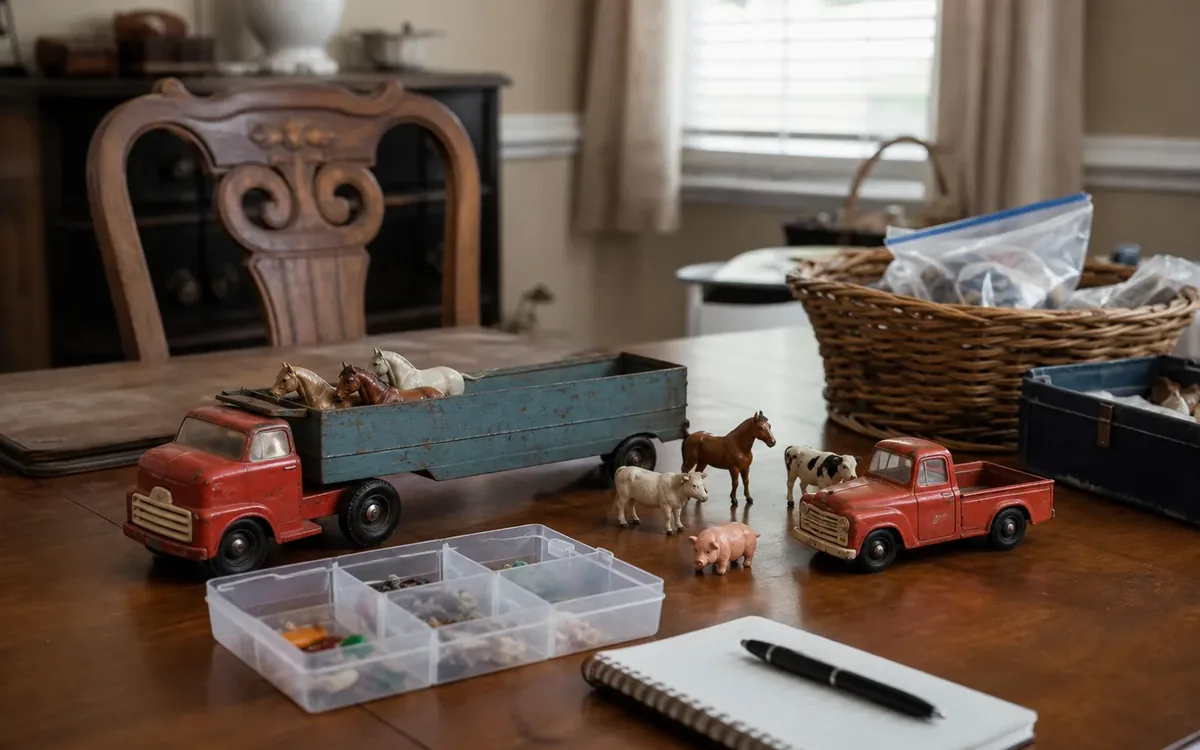
Estate coin records should show each coin’s visible details, current holder, and existing labels before anything moves. Take clear photos without cleaning coins or removing them from sealed holders. For a household in Mount Pleasant, SC, this creates a shared record between storage, family review, and a planned estate sale.
Quick answer: Give each coin or intact group a record number. Photograph both visible sides, its holder, and any labels. Copy dates and denominations as they appear. Keep uncertain details marked as unknown. Then log each handoff, while leaving grading, value, and sale terms to the right professionals.
Why make estate coin records before a move?
Use the auctions and estate sales service page when planning a sale discussion. The guide to how estate cleanouts work offers context for the wider household process.
A photo record helps keep coins tied to their labels and source locations. It gives family members a shared reference before boxes change hands. It can also help a sale provider review what needs closer study. The record should show what exists, without making claims about value or grade.
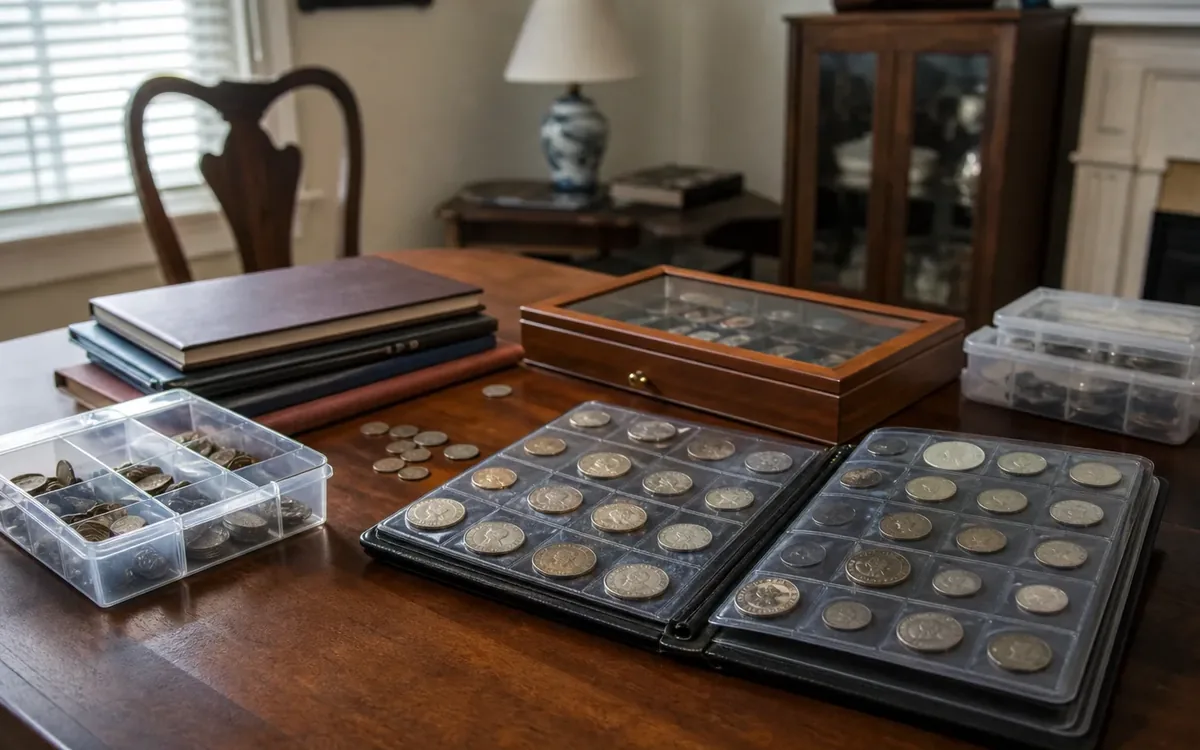
The goal is a useful trail from shelf to sale intake. A collection might sit in albums, envelopes, boxes, or display cases. Some groups may have notes from earlier owners. Those notes can lose their meaning when coins and papers get split apart.
Start with an overview of the collection in its current place. Record the room, cabinet, or box using plain names. A note such as “study closet, blue coin box” is more useful than “miscellaneous.” Keep the location sheet private if it shows where valuables remain.
Decide who will keep the main record. Other family members can send photos and notes to that person. One shared version helps prevent duplicate numbers and conflicting labels. Keep older versions if they show a change worth tracking.
The household can choose record names, photo folders, and review groups. The person in charge of the estate should check who may approve a move or sale. Family consent alone may leave legal questions open. An estate lawyer can help when it’s unclear who has that right.
Clutter Cleaner of South Carolina is based in Mount Pleasant, SC. Its approved service area covers all of South Carolina. A planning talk can cover how the coins fit into the cleanout. Coin value and legal ownership are separate issues for the right experts.
How do you photograph coins without cleaning them?
Discuss the intended sale format through the auctions and estate sales service page. Use the estate cleanout planning guide to connect photo work with the household’s sorting plan.
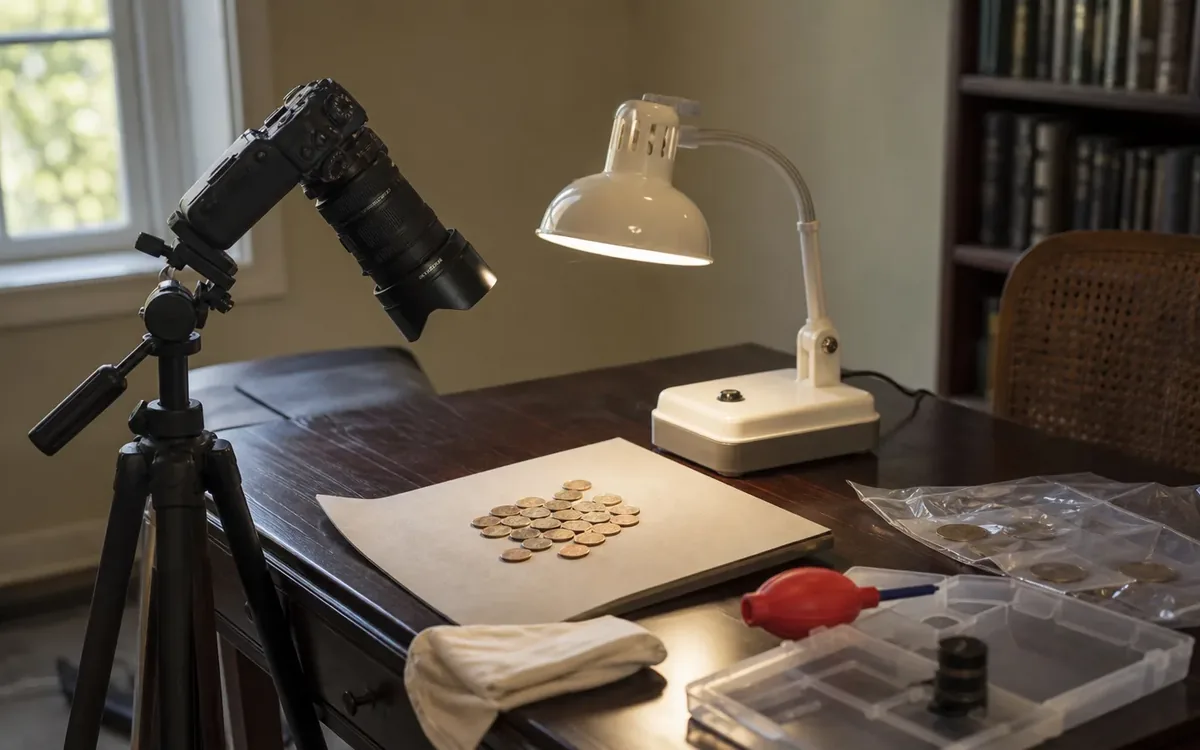
Photograph coins as found, with their current holders and labels intact. Use clear light and a plain background for items already accessible. Avoid cleaning, polishing, rubbing, or opening sealed holders to improve a picture. If details remain hidden, record that limit and ask the coin professional how to proceed.
A household record does not need to look like a sale catalog. It needs clear links between images and notes. Photograph packaging first, then the visible coin details. This helps preserve context if close shots later look alike.
Use this five-step photo order for each item or intact group:
- Assign a record number on a separate note beside the item, without marking the coin or its holder.
- Take an overview that shows the complete holder, album page, envelope, or group as found.
- Photograph each visible coin face without opening sealed packaging or forcing access to hidden surfaces.
- Capture existing labels, handwritten notes, receipts, and marks on packaging that belong with the item.
- Check that images are readable, then save them under the same record number as the written entry.
Glare may hide a date or small mark. Change the camera view or light position rather than changing the coin’s surface. If the holder blocks a detail, keep that image anyway. Add a note that explains what could not be seen.
For an album, start with the cover and page layout. Then take closer views where needed. Preserve the order shown in the album. Empty spaces can help explain the set, so include them in overview images.
Avoid using photo filters that change color or hide marks. Keep the original files even if you make cropped copies. A crop can help a reviewer see a date. The full image still shows which holder and label belong to it.
Record dates, denominations, packaging, and label text
The guide to how estate cleanouts work helps place recordkeeping within the larger project. The auctions and estate sales service page provides a useful next step for discussing provider intake needs.
A good entry separates visible facts from someone else’s claims. Record the denomination and date exactly as you can read them. Describe the holder and copy its label. If a detail is unclear, say so. Do not fill gaps from memory or an online image of a similar coin.
Use the same fields throughout the record. A plain spreadsheet can work, as can a paper form. Choose the format the record keeper can maintain. Fancy software adds little if family members cannot find or update entries.
Include these core fields in each entry:
- Give the item a unique record number that also appears in its photo file names.
- Copy the visible denomination, date, and country, leaving unclear details marked as unreadable.
- Describe the current packaging and note any sealed holder, album position, or labeled envelope.
- Transcribe existing label text and identify it as label text rather than a confirmed finding.
- Record the source location and link any receipts, letters, or related papers to the entry.
- Add the recorder’s name and record date so later reviewers can trace changes.
Write “label says silver” rather than “silver” when the label is your only basis. The same rule applies to grade, rarity, and price notes. An old purchase price is a historical note, not a current value.
For donation value guidance, see IRS Publication 561: Determining the Value of Donated Property. That guide concerns donated property, rather than setting estate sale prices.
For a holder with a printed number, copy that number carefully. A photo lets a reviewer check the transcription later. Do not treat a printed grade or brand name as proof that the contents are genuine. Authentication belongs with a qualified coin professional.
Some collections include loose groups with no clear count. Record them as a group if individual access would require extra handling. Describe the visible contents and state that the count is unconfirmed. Ask the receiving provider what further inventory they need before intake.
What should the record show when coins change locations?
Use the auctions and estate sales service page to frame questions about sale intake. The estate cleanout planning guide can help coordinate that handoff with other household work.
The record should connect each item or group to its container, departure point, and receiving location. Note who released it and who accepted it. Compare the handoff list with the photo record before closing the entry. Any missing item, label, or receipt should remain an open question until resolved.
Make a separate transfer sheet rather than changing the original source notes. The source field shows where the collection began. The transfer sheet shows where it went next. Both matter when storage and sale intake happen at different places.
Use neutral container codes on the outside of boxes. Keep the detailed contents list in the private record. Avoid public labels that advertise valuable contents. Ask the chosen transport or storage provider about its intake terms and limits.
A useful handoff discussion covers these points:
- Confirm which record numbers are included and which items remain at the original location.
- Name the person authorized to release the collection and the person expected to receive it.
- List each container code and connect it to the matching item or group entries.
- Record any missing papers, unreadable labels, or count differences without guessing how they arose.
- Ask each provider to explain its receipt process, written terms, and handling of disputed counts.
A cleanout or move team may discuss access, room order, and coordination. The household should confirm which tasks each provider has accepted. Do not assume a general moving agreement covers a coin collection. Ask for the relevant terms before authorizing the transfer.
Storage is a separate household and provider choice. Discuss access rights, receipts, insurance questions, and retrieval rules with that provider. A photo record supports those talks but does not replace written terms. Keep a copy somewhere separate from the collection itself.
Use the record for sale review, not valuation
The auctions and estate sales service page supports a focused conversation about a possible sale. The guide to how estate cleanouts work explains the broader process around items that need separate review.
Bring the record to the sale provider before deciding how to group the coins. Clear photos can show which items need an in-person review. They cannot settle every question about condition or authenticity. Keep family preferences separate from the provider’s advice about sale format and terms.
Ask what information the provider needs for intake. Some entries may need clearer images or linked paperwork. Others may need a specialist’s review before sale decisions can proceed. Note those requests in the record instead of changing uncertain facts into firm claims.
The household can identify items it hopes to keep. It can also flag gifts, family disputes, and papers that need review. The authorized estate representative must resolve who may approve each decision. A sale provider should not be asked to settle ownership disputes.
A qualified appraiser values coins within the agreed scope of work. A coin expert may assess grade or check if coins are genuine, within their skills. Take legal and tax questions to the right advisers. Keep home inspections, sales, and checks for rule compliance separate from the coin list.
Do not discard envelopes or receipts because the coins have been photographed. Such papers may help explain past purchases or family history. Ask the relevant reviewer which papers should remain with the collection. Any later disposal is a separate decision, subject to estate authority.
Once a sale plan is approved, preserve a dated record copy. Add later lot numbers or provider references in new fields. Keep household inventory numbers unchanged so the trail stays clear. This lets the family compare intake records with later sale documents.
FAQ: Coin photos, labels, and estate handoffs
For sale planning, see the auctions and estate sales service page. For the surrounding household tasks, read the estate cleanout planning guide.
Should we clean dirty coins before taking photos?
No. Photograph the coins as found and note any detail you cannot read. Do not rub, polish, or apply cleaning products for a clearer image. If dirt or packaging blocks a date, leave that field unresolved. A coin professional can advise on the next review step without the household altering the surface.
Must every coin have its own entry?
Separate entries are useful when each coin is already easy to identify. An intact album, sealed package, or loose group may start with one group entry. State the limits of that record. Ask the receiving provider if it needs individual entries, and who will complete that work before intake.
What if a label gives a high value?
Copy the amount as an existing label claim, with a clear photo. Include any date or seller name shown beside it. Do not present that figure as today’s value. Ask the appropriate sale professional or appraiser what review is needed for your purpose, such as sale planning or estate reporting.
Should the photo record be shared with all relatives?
Share it according to the estate’s authority and the household’s agreed access plan. A limited review copy can omit storage locations and private papers. Keep the full record with the responsible person. If access rights are disputed, seek legal guidance rather than letting the photo-sharing process decide the issue.
What if the receiving count does not match?
Keep both records and mark the count issue as still open. Check box codes, group entries, photos, and receipts with the receiving provider. Do not change the first list to make totals match. Ask the person in charge of the estate to guide next steps. These may include expert advice to help resolve the count issue.