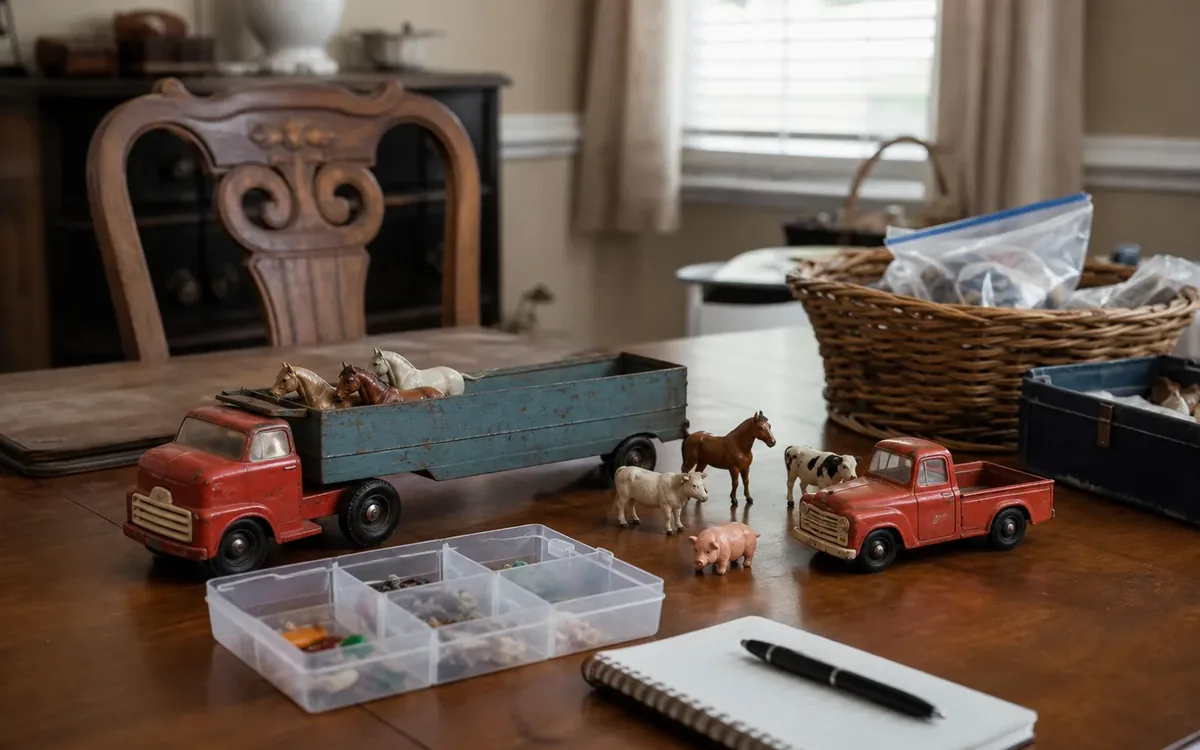
Estate sale recall checks start with clear product details. Use those details to search official recall records. In Summerville, SC, keep recalled goods off the sale list. Hold goods you can’t identify, too. Save model numbers and search results. Ask the maker or agency for help. Cleanout teams can’t certify product safety.
Quick answer: Build one product log before sale listings begin. Match each item’s brand, model, and other listed details against official recall notices. Mark uncertain items as held. Keep them out of sale, donation, and buyer pickup plans while you seek the right guidance.
This guide focuses on product records, not repairs or testing. Powered items and furniture need a records-based review. A working appliance or good-looking chair still needs a clear identity. Appearance alone cannot settle a recall question.
What should estate sale recall checks cover first?
Auctions and estate sales planning helps frame the sale inventory. The guide to how estate cleanouts work explains the broader household transition.
Start with goods that have labels, model numbers, or maker records. Pay close attention to powered goods, furniture, and children’s products. Check these first, but don’t assume other goods are safe. Hold each unclear item from sale. First, learn what it is and check its recall status.
A whole-house sale can mix goods from many years. Some items came from stores, while others came from relatives. Boxes may hold goods that differ from the box label. Treat each item as its own record rather than assuming matching brands share one recall status.
Group the inventory by product type before searching. This makes it easier to choose the right official resource. It also keeps a busy room from becoming one vague entry. “Garage items” tells the next provider very little.
Group kitchen goods, children’s goods, furniture, tools, and personal-care items. Food, drugs, and health devices need a different search path. Don’t search for them as you would most household goods. Car parts may need a transport agency search. If you’re unsure which group fits, ask the right agency where to search.
The household can choose which goods it hopes to sell. It can also choose to leave a category out entirely. That choice does not settle recall status or resale rules. Those questions need the notice, the right agency, and any needed professional advice.
Start before taking sale photos or accepting buyer requests. Otherwise, a held item may appear in an early listing. Once buyers see it, correcting the record takes more work. Early screening keeps the sale plan clearer for everyone involved.
How do you build a useful model-number record?
The estate cleanout planning guide can help organize household decisions. Auctions and estate sales support provides a service context for sharing your inventory.
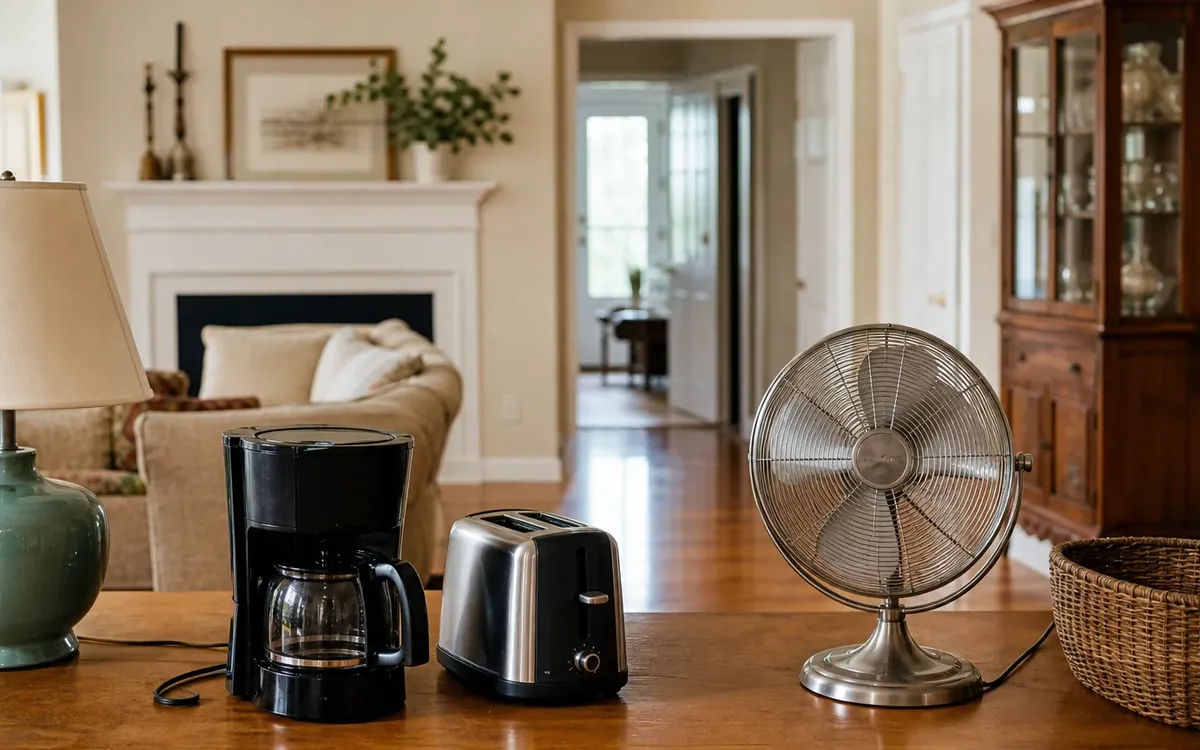
Give each product its own entry using the facts you have. Write down its brand, name, model, and serial number when shown. Include any date codes you can see. Save clear photos of visible labels. Don’t open, take apart, power, or move goods just to find hidden codes.
A useful record separates what you know from what you suspect. Copy letters, spaces, and punctuation as they appear. A single changed character can lead to a different model. Keep handwritten guesses out of the field used for a confirmed number.
Use this five-step record process:
- Assign one item code that stays with the product’s photos and notes.
- Write the product type and brand from visible labels or matching records.
- Copy available model, serial, lot, and date details without filling gaps by guesswork.
- Save label photos and documents under the same item code for later review.
- Mark missing details clearly and place unresolved goods on the sale hold list.
A receipt or manual can help, but check that it belongs to that item. Households often keep several manuals in one folder. A box may have been reused. Write down the source of each detail so a later reader can assess the match.
For furniture, record the maker and any visible product label. A style name or wood type is not an exact model. For powered goods, record identifiers without running the item. This guide does not provide testing, repair, wiring, or safe-use advice.
If you can’t read a label where it sits, leave that field blank. Note why you can’t reach or read it. Ask the right provider what records or skilled help you need. Keep the item on hold while details are missing. Don’t try a makeshift way to find them.
Which official resources should you search?
Use the auctions and estate sales service page to frame provider discussions. The estate cleanout process guide helps keep screening separate from other cleanout tasks.
Search official recall records for the type of goods you have. The U.S. Consumer Product Safety Commission covers many household goods. Use FDA recall records for food, drugs, and related goods. Use NHTSA for vehicle recalls. Read the full notice. Match its product details rather than relying on search results alone.
You can start at Recalls.gov to find federal recall resources. Check that the page belongs to the agency named. Search results, marketplace posts, and old news stories may point toward a notice. They should not replace the current official record or the maker’s relevant instructions.
Search by brand and model first. Try the product name when the first search is unclear. Then compare the notice against every detail it lists. A recall may name specific dates, serial ranges, or lot codes. A shared brand name alone does not establish a match.
Keep a short search record for each item:
- Record the official resource searched and the date you reviewed its results.
- Save the notice title and identifiers that appear relevant to the product.
- Note each matching detail and each detail that remains missing or unclear.
- Keep the source address with your notes so another reader can revisit it.
Use plain terms like “possible match” or “identity incomplete.” Don’t write “safe” based on a search alone. Finding no clear match doesn’t prove the item is in good shape. It doesn’t take the place of other checks, either. Keep any needed review in the sale plan.
When a notice seems relevant, read its current guidance in full. Contact the maker or responsible agency if the match remains unclear. Ask what identifying details they need. Do not infer repair steps, resale permission, or disposal rules from a headline.
Keep held goods out of the sale plan
The estate cleanout planning guide offers broader sorting context. Auctions and estate sales planning helps connect your hold list with sale discussions.
A hold keeps an item out of the sale plan. Use it for known recall matches and possible matches. Hold goods you can’t yet identify, too. Tell each person who handles listings or pickup about the hold. A warning note doesn’t resolve the issue or make the item ready for sale.
The hold needs to follow the item through every record. Mark its inventory entry, photo folder, and draft listing. Remove it from buyer lists and any proposed sale bundle. This reduces the chance that an unresolved product slips into a mixed lot.
You don’t need to do technical work to hold an item. For powered goods and furniture, focus on records and handoff notes. Don’t test, repair, take apart, or change goods to settle a concern. This guide has no evidence for doing those tasks on your exact model.
Give the hold list a clear owner. That person keeps agency replies, maker messages, and any later decisions together. If several relatives share the work, use one current version. Conflicting copies make it hard to know what can enter the sale plan.
Each held entry should explain the next unresolved step:
- Name the missing identifier or recall detail that prevents a clear decision.
- Record the maker, agency, or qualified professional being asked for guidance.
- Note who may approve the household’s next inventory decision after that guidance.
- Keep the item excluded from proposed sales, donations, and pickup lists meanwhile.
A household may decide that further research is not worthwhile. That can end its sale plans for the item. It does not establish a lawful disposal route. Ask the right provider or authority about the next step, then keep that guidance with the record.
Plan the handoff without assigning the wrong role
Auctions and estate sales support is relevant to inventory and sale discussions. The guide to how estate cleanouts work describes the wider cleanout process.
Give each provider the facts needed for their work. A cleanout team may discuss item lists, labels, holds, and pickups. The household must act within its rights. Leave recall fixes and legal matters to the right experts. Formal values, property checks, and rule compliance need the right expert or agency, too.
Clutter Cleaner of South Carolina lists auctions and estate sales among its services. Its service territory covers all of South Carolina, including Summerville. Its physical business location is Mount Pleasant, SC. Charleston is the primary market, not the physical office location.
For this task, ask about sharing the product log and hold list. Discuss who will keep sale drafts aligned with those records. Do not assume a cleanout or sale team can certify recall status. Confirm the scope of help before assigning work.
Keep these roles distinct in the handoff:
- The household or authorized estate representative chooses the proposed sale inventory within their authority.
- The maker or responsible agency provides recall guidance for the identified product.
- A lawyer addresses disputed ownership, estate authority, and questions about legal sale duties.
- An appraiser addresses formal value questions when the household needs that service.
- A real-estate professional handles property-sale matters within their role and agreed scope.
- Qualified inspection or compliance professionals address technical concerns within their own areas of responsibility.
Storage, contractor work, and disposal are separate choices. Ask each proposed provider what they accept and what records they require. No storage or disposal plan should be assumed from a sale discussion. Keep any provider instructions attached to the relevant item entry.
Don’t treat donation as the next step when a sale stalls. Tell the group about open concerns before you propose a handoff. A price estimate doesn’t settle recall status. A recall search doesn’t set tax value or a tax deduction. For those value questions, see IRS guidance on valuing donated property.
Close the screening record before listings go live
The estate cleanout planning guide can help align related household choices. Auctions and estate sales planning provides context for the final inventory handoff.
Before you post listings, check the draft against your current log. Keep held goods out of photos, bundles, and pickup plans. Take open questions to the right provider. This checks your records, not the goods themselves. It isn’t a technical check or proof that each listed item is safe.
Use the item codes to compare records, rather than relying on descriptions. Two similar lamps or chairs may have different makers. A listing photo should match the exact inventory entry. If it does not, pause that listing until the records agree.
Review any new information before changing a hold. A family member may find a receipt or clearer label photo. That can improve the match, but it does not erase prior concerns. Save the new detail and repeat the relevant official search.
Record the reason for every status change. “Maker guidance received” is more useful than “done.” Keep the actual response with the log. If guidance calls for qualified work, pass that task to the appropriate provider rather than turning it into a household project.
A final handoff should show what remains unresolved. The goal is a clear boundary around the sale inventory. It should let the next person see the evidence without guessing. Keep that record available if questions arise after the sale plan is shared.
Short FAQ
Auctions and estate sales planning can support the inventory discussion. The estate cleanout process guide offers context for the wider transition.
Does no search result mean a product is safe?
No. A search may miss goods when key details are missing. The wrong group or search words can hide results, too. Record your search, but don’t mark the item safe. Fill gaps in its identity before sale plans proceed. Ask a skilled provider about any concerns that need a separate check.
Can I sell a recalled item with a warning?
Do not use a warning as permission to sell. Keep the item off the sale list while seeking guidance. Ask the responsible agency or legal professional about the applicable rules. Read the recall notice for the exact product, and keep any maker response with your inventory record.
What if the model label is missing?
Mark the identity as incomplete and hold the item from sale. Look for matching receipts, manuals, or other existing records. Do not assume a similar online photo proves the model. If the maker cannot resolve the identity from available details, keep the uncertainty visible in the handoff record.
Should I test a powered product before searching?
You don’t need to test goods for this records check. Use labels and papers you have to learn the product’s identity. This guide gives no steps for wiring, repairs, or safe use. If you need a technical check, ask a skilled provider first. Discuss the exact model and scope of work.
Can an unresolved item go into a mixed lot?
Keep unresolved goods out of mixed lots and sale bundles. A broad lot description does not resolve a recall concern. Link each proposed item to its own inventory entry. If one product remains unclear, exclude it and update the lot photos and description to match the revised contents.
Who decides what happens to a held item?
The household or its chosen agent can propose the next step. They must stay within their legal rights. The maker or agency gives recall guidance. Take legal questions to a lawyer or the right authority. Discuss storage, donation, and disposal with each provider, using the item’s true status and records.