

Pack mirrors and framed pictures for moving by protecting the surface, cushioning the corners, adding rigid protection, and placing each item in a snug picture or mirror carton. Keep ordinary framed pieces upright and secured during transport, with nothing pressing against the glass. Heavy, damaged, unusually shaped, or valuable pieces need a packing plan from an appropriate specialist before anyone lifts or wraps them.
Quick answer: Photograph the condition, check that the frame is sound, protect the glass and finish with suitable clean materials, cushion the edges, and box the piece so it cannot shift. Label the carton with its contents, destination, and upright orientation. Confirm special handling with the provider transporting it.
For a South Carolina household transition, the goal is to protect each piece from scratches, bending, impact, and movement between rooms and vehicles. A blanket alone does not address all of those risks.
What should you check before wrapping a mirror or picture?
Start with the frame, glass, and backing while the piece is still accessible. Photograph the front, corners, back, and any existing damage.
Look for:
- Loose frame joints or crumbling decorative details.
- Cracks, chips, or glass that moves inside the frame.
- Loose backing, protruding fasteners, or hanging hardware.
- Evidence that the piece is attached to the wall rather than simply hung.
- A size or weight that makes controlled lifting difficult.
Do not tighten, glue, or dismantle an unfamiliar frame just to make it easier to pack. Repairs and conservation questions belong with a suitable framer, conservator, or glass specialist.
Measure the outside dimensions, including projecting decoration. Check the carrying route for narrow doorways, stairs, and places where someone would need to change grip. The handling provider should assess whether the piece needs different equipment or specialist packing.
Clutter Cleaner of South Carolina’s move management service is a starting point for discussing household coordination. Confirm the actual scope, packing responsibilities, and transport arrangements before treating any specific handling task as included.
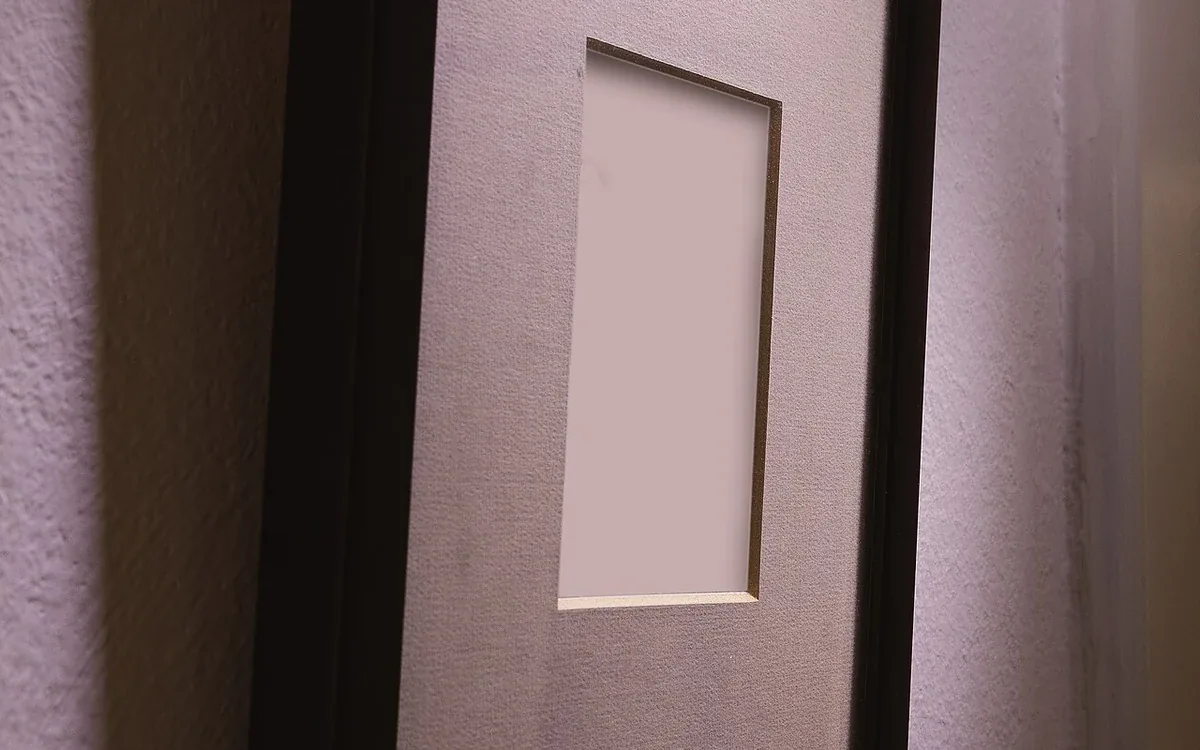
Choose materials that protect both the face and frame
Gather materials before taking pieces off the wall. Use a clear work surface large enough to support the item without leaving an edge hanging over it.
Useful supplies include:
- Clean, unprinted packing paper for suitable ordinary surfaces.
- Surface protection appropriate to the particular glass or artwork.
- Corner protectors that fit without crushing decoration.
- Bubble cushioning placed outside the protective surface layer.
- Rigid cardboard panels and a sound picture or mirror carton.
- Packing tape for packaging seams, plus a marker and labels.
Newspaper can transfer ink. Dirty blankets can scratch finishes. Bubble wrap pressed directly against painted artwork, delicate finishes, or sensitive surfaces can leave marks or stick. Do not assume a material is safe merely because it feels soft.
For original artwork, coated glazing, antique mirrors, gilded frames, or fragile finishes, ask a specialist which materials may touch the surface. Archival packing needs can differ from those of an ordinary glass-fronted family photograph.
Choose a carton that leaves space for cushioning without allowing broad, unsupported gaps. Reused cartons should be dry, rigid, and free from crushed edges or weakened seams. A box that has lost its strength cannot provide dependable outer protection.
How do you pack a glass-fronted framed picture?
For an ordinary, sound frame with intact glass, use the following six steps. If the artwork or frame needs specialist treatment, follow that provider’s instructions instead.
- Record and label the piece. Take condition photos and assign a simple identifying label. Keep the destination room in your inventory.
- Control loose hardware. Protect protruding hardware from snagging. Remove detachable parts only when appropriate, keeping them in a labeled packet with the item.
- Protect the surface. Cover suitable ordinary glass and frame surfaces with clean, unprinted paper or another approved protective layer. Keep adhesive off the glass, frame, and artwork.
- Cushion corners and edges. Fit corner protection gently, then add cushioning around the wrapped piece without pulling it tight enough to strain the frame.
- Add rigid protection and box it. Place protective panels outside the cushioned wrapping. Cushion the carton’s base and edges so the frame is supported and the glass face carries no load.
- Check the fit and close the carton. Fill remaining gaps with suitable cushioning. The piece should stay in place without compression. Seal and label the packaging.
Do not shake a packed frame to test it. Check for movement gently while the carton is supported. Bulging sides or a lid that must be forced closed suggest the box is too small or the padding is arranged poorly.
If these pictures are part of an estate transition, the guide How do estate cleanouts work? provides related context. Keep packing and condition records separate from decisions about ownership or estate distribution.
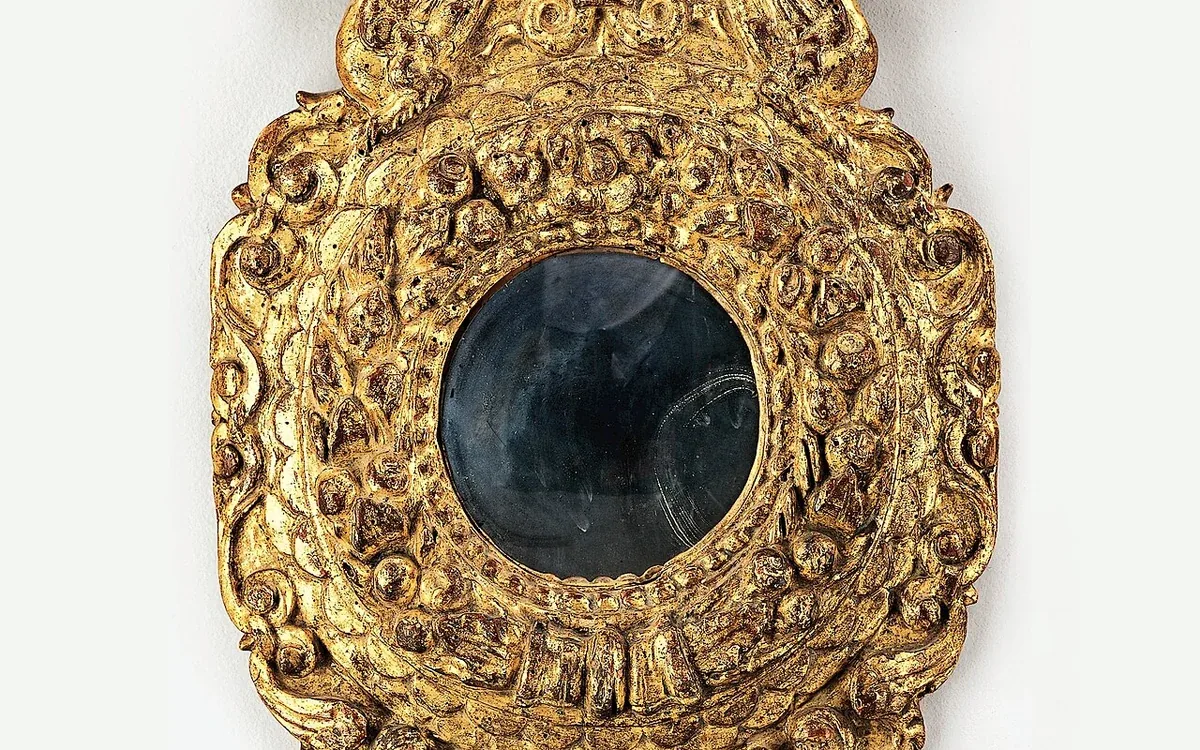
How is packing a mirror different?
A mirror may be heavier than a picture of similar dimensions, and its reflective backing also needs protection. A thin decorative frame may not be a safe lifting point. Support the item according to its construction rather than relying on a hanging wire or ornament.
For a sound, manageable framed mirror, protect the face and backing, cushion the perimeter, and use rigid outer protection in a suitable mirror carton. Keep direct pressure off both broad surfaces.
Do not apply a tape X as a substitute for proper packaging. Tape does not make glass resistant to impact, and adhesive can leave residue or damage some surfaces. For this household method, keep tape on the packaging.
A frameless mirror, exposed glass edge, attached wall mirror, or very heavy piece needs a different assessment. Do not pry a mirror away from adhesive, loosen unknown mounting systems, or attempt a difficult lift based on a general packing guide.
Ask an appropriate glass specialist or contractor about removal. Ask the transport provider about edge protection, carrying equipment, and whether a crate is needed. Those are separate arrangements to confirm.
Prevent pressure and movement during loading
The packaging needs a safe place in the vehicle. Tell the transporting provider which cartons contain glass before loading begins.
Ordinary boxed mirrors and framed pictures are generally handled upright, supported on a cushioned edge. Confirm the required orientation for unusually shaped pieces, fragile frames, and specialist crates with the provider responsible for transport.
A workable loading plan should address:
- A stable position where the carton cannot tip or slide.
- Separation from furniture corners and loose tools.
- Protection from other cargo shifting into the carton.
- Restraints arranged without crushing the frame or glass.
- Access for controlled unloading at the destination.
Do not put furniture, boxes, or bags on top of the package. Avoid wedging a mirror into a gap that subjects it to pressure.
Carry a manageable package with a controlled grip and clear visibility. If its weight, shape, or route prevents that, pause and let the handling provider reassess.
Plan for rain, moisture, and any storage stop
For a move in Charleston or elsewhere in South Carolina, check the actual weather and loading conditions rather than assuming an exposed transfer will be dry. Keep cartons and cushioning off wet ground and use a sheltered loading position when available.
Packaging should be clean and dry when closed. Avoid wrapping a damp piece in plastic, which can trap moisture. If a mirror or frame is already wet, stained, or showing deterioration, ask the relevant specialist how to proceed.
If storage is part of the household’s plan, confirm conditions with the storage provider:
- How moisture and temperature are managed.
- Whether the packed item can remain supported upright.
- How it will be protected from leaks and shifting contents.
- Whether the packaging suits the intended storage conditions.
Storage selection, contracts, and any specialist conservation requirements are separate household or provider decisions.
Keep household choices separate from professional decisions
The household can assign destination rooms, approve access, record condition, and explain which pieces require extra care. During an estate transition, confirm that the person directing removal has the necessary authority. Ownership, inheritance, and disputed distribution questions stay with the responsible representative and legal adviser.
A practical cleanout or move team may discuss inventory labels, carrying routes, packing responsibilities, loading order, and handoffs. Confirm who supplies materials, who packs, who transports, and who receives each item.
An appraiser determines value within the agreed appraisal scope. A real-estate professional can advise on transaction questions about attached mirrors or fixtures; legal interpretation stays with the appropriate adviser. Removal, wall repairs, inspection findings, and compliance requirements belong with the relevant contractor, inspector, or authority.
If damage makes disposal necessary, the household should confirm acceptance and handling requirements with the chosen disposal provider or local authority. Appraisal, storage, contractor work, disposal, and legal advice are separate choices, not guaranteed Clutter Cleaner services.
Clutter Cleaner of South Carolina is physically based in Mount Pleasant, SC, with Charleston as its primary market and an approved service territory covering all of South Carolina. Call (843) 972-7020 to discuss move management and clarify the help needed for your transition.
Unpack without putting the glass at risk
Prepare a clear, dry receiving area before opening cartons. Keep the package supported in its intended orientation. Open accessible seams carefully without pushing a blade toward the contents.
Remove outer panels and cushioning gradually while someone supports the piece as needed. Do not pull a frame free by its decoration or hanging wire. Compare its condition with the earlier photos before discarding packaging.
If you find a crack, loose joint, or broken glass, stop handling it unnecessarily and keep others away. Follow the transporting provider’s damage-reporting process and ask a suitable specialist about repair or safe handling.
Before rehanging, have suitable mounting hardware and wall support assessed for the piece’s weight and construction. Packing a mirror safely does not establish that its old hooks are suitable for the new wall.
Short FAQ
Can several small pictures share one box?
Yes, if each is individually wrapped, separated by rigid protection, and cushioned against movement. Avoid an overloaded carton or direct contact between frames.
Is a moving blanket enough for a mirror?
A blanket supplies cushioning but does not provide rigid face protection or secure containment. Confirm suitable packaging and restraints with the transport provider.
Should I remove the glass before moving?
Do not dismantle an ordinary frame just for packing. A framer or conservator should decide whether fragile artwork needs removal, repair, or specialist preparation.
What if the piece does not fit a picture carton?
Do not force it into an undersized box. Ask the handling provider whether a different carton, custom crate, or specialist transport arrangement is appropriate.
Photo credits
- Rectangular gold-colored picture frame: Contributor credited on the original file page. Original photograph, CC BY 4.0. Cropped and resized.
- Dark picture frame hanging on a pale wall: Dejan Krsmanovic. Original photograph, CC BY 2.0. Cropped and resized.
- Round mirror in an ornate gold-colored frame: anonymous. Original photograph, CC0. Cropped and resized.






