
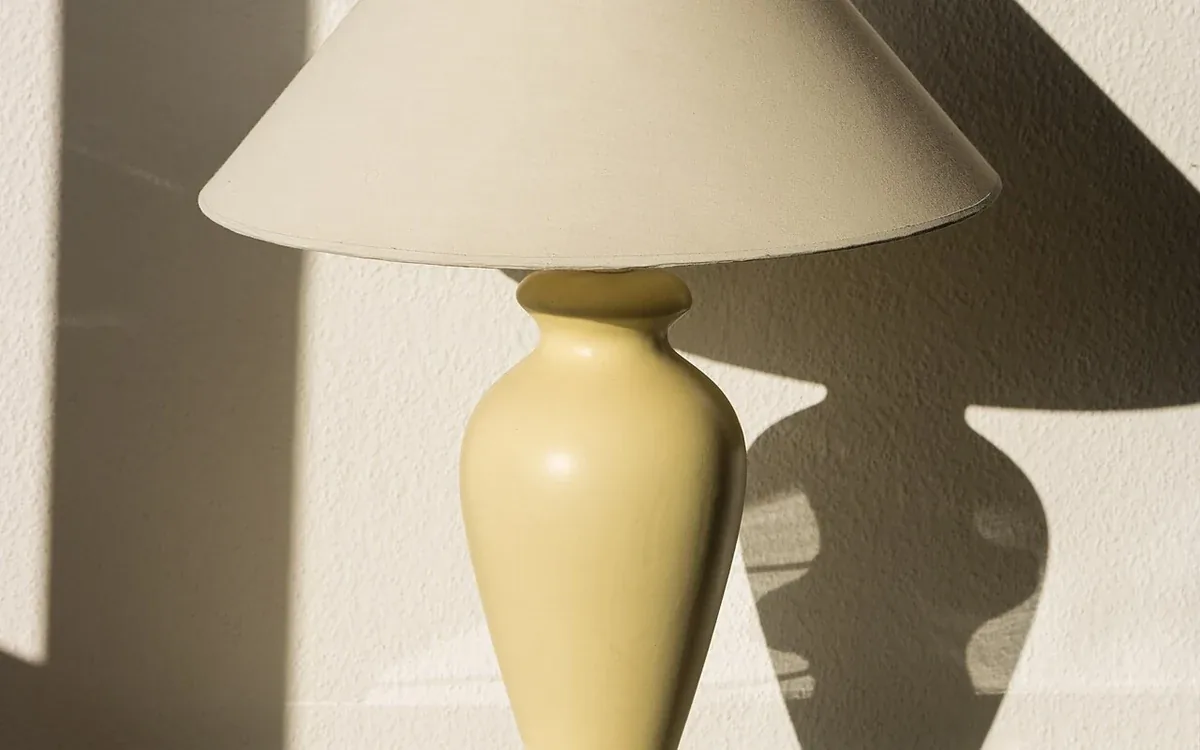
Pack lamps and lampshades for moving in separate protective containers: cushion the base against movement, give the shade its own box, and label removable parts so they stay matched. Unplug the lamp and let the bulb cool before handling it. Remove only parts designed to come off without electrical work.
For a South Carolina household downsizing or moving, the challenge is keeping a lamp’s pieces together without letting a heavy base crush a light shade. A ceramic bedside lamp, a tall floor lamp, and a glass shade need different support, even when they belong in the same room.
Quick answer
- Lamp base: Wrap with suitable cushioning and place in a sturdy box with support beneath and around it.
- Lampshade: Use a separate box that closes without touching or compressing the shade.
- Bulb and loose parts: Protect individually, label, and keep in a clearly identified parts container.
- Cord: Coil loosely and secure without pulling on its connection to the lamp.
- Electrical concerns: Leave damaged wiring, socket repairs, and hardwired fixtures to an appropriate professional.
How should you prepare a lamp before packing?
Start with a clear table and a padded surface. Photograph the assembled lamp, including how the shade attaches.
Unplug the lamp by holding the plug rather than pulling the cord. After the bulb has cooled, remove it if the lamp’s design allows ordinary bulb replacement. Follow the manufacturer’s instructions for unusual designs or integrated lighting.
Remove the shade, the finial that holds it, and a detachable harp if it releases as intended. A harp is the support surrounding the bulb on some lamps. Do not force a fitting that resists or loosen a socket to make the base shorter.
Before wrapping, note visible cracks, loose decorative pieces, or existing shade damage. A practical move team may discuss these conditions, packing materials, and who will handle unusually fragile items. The move management service is a useful starting point for discussing the household’s broader move and confirming the specific scope.
If lamps are part of inherited belongings, decide which items are authorized to move before separating components. The guide to the best way to clean out an estate provides related planning context for the belongings around them.
Match the packing materials to each component
Choose containers after separating the pieces, allowing room for protection without creating a large empty space where the contents can shift.
Useful supplies include:
- Sturdy boxes appropriate to the weight and shape of each item.
- Clean, unprinted packing paper for ordinary surfaces and loose parts.
- Suitable cushioning for the base, such as protective foam or bubble wrap.
- Small bags or containers for removable hardware.
- Labels and tape for packaging, kept off the lamp itself.
Printed newspaper can transfer ink to a shade or pale finish. Loose textiles may snag trim or leave fibers. For delicate finishes, historic textiles, or collectible lamps, ask an appropriate specialist which materials can safely touch the surface.
Check that the box bottom is secure before loading it. Reusing a weak or damp carton defeats careful wrapping.

How do you pack a lamp base without stressing the neck?
The base needs cushioning that supports its weight and prevents it from hitting the box. Fragile necks, handles, projecting decorations, and sockets should not become the points holding the lamp in place.
For an ordinary table lamp, wrap the main body with material suitable for its finish. Add protection around vulnerable projections without bending them. Secure the wrapping to itself, leaving tape away from painted, plated, glazed, or wood surfaces.
Place cushioning beneath the base. Set it upright if its design and the packing arrangement support that position, then fill gaps around the main body without forcing material against delicate parts. Leave protected clearance above the socket or neck.
Before closing the carton, check for these problems:
- The lamp can slide sideways within the cushioning.
- A projecting part touches a box wall.
- Closing the lid pushes down on the socket.
- The base rests on an unprotected hard surface.
Correct the support rather than simply adding tighter wrapping. If adequate cushioning makes the box difficult to close, choose a more suitable container.
Keep heavy objects out of the lamp box. Carry the carton from underneath, following the handling plan agreed with whoever transports it.
How do you pack lampshades so they keep their shape?
Give each ordinary fabric or paper shade a separate box whenever practical. The shade should fit without its sides, upper rim, or trim pressing against the lid or walls.
Handle it with clean, dry hands, supporting the frame where accessible. Avoid gripping delicate fabric or squeezing opposing sides. A drum shade may look sturdy while its covering or internal supports remain easy to distort.
Use clean, unprinted paper as a light protective covering when suitable for the material. Do not tightly wrap the shade in bubble wrap or stretch film. Pressure can deform its shape, and adhesive can damage the covering.
Place the shade in its normal upright orientation, with appropriate gentle support around the frame. Keep packing material from pushing inward on fabric panels. Do not stuff the shade with hardware, towels, bulbs, or other belongings.
Nesting shades is tempting, but their frames, linings, and trim may rub or snag. Only consider it when their shapes allow generous clearance and the packing method prevents contact and movement. Separate boxes are a simpler choice when compatibility is uncertain.
For glass, ceramic, or stained-glass shades, use a packing approach suited to a rigid fragile object. Lightweight paper alone is insufficient protection. Ask a specialist packer about appropriate support, particularly for large, irregular, or valuable shades.
Keep bulbs and removable hardware matched to the lamp
A missing finial can leave a shade loose even when everything else arrives intact. Assign each lamp a plain identifier, such as “bedroom reading lamp,” and repeat it on the base box, shade box, and parts container.
Include the destination room if the household has already chosen it.
Separate the loose pieces by type:
- Finials and screws: Place in a labeled bag or small container.
- Detachable harps: Protect against bending and keep matched to their lamp.
- Bulbs: Use original packaging if available, or separate protective compartments suitable for fragile bulbs.
- Manufacturer instructions: Keep with the labeled parts or household move documents.
Do not put loose hardware inside a shade box. Secure the parts container within an identified accessories box so it cannot disappear into packing paper.
A bulb with visible damage needs a separate handling decision. For disposal or recycling, consult the relevant local authority or accepting provider about that bulb type. Do not assume it belongs in household trash or that a cleanout team accepts it.
Handle floor lamps and unusual designs individually
A floor lamp’s length can make an ordinary carton impractical. Check its instructions before separating any sections. Some designs allow mechanical assembly and disassembly; others have internal wiring running through connected tubes.
If separation would twist, pull, expose, or disconnect wiring, stop. Packing does not require rewiring the lamp. Ask the transport provider how it handles the intact shape, or consult an appropriate professional if electrical work is needed.
Protect a floor lamp’s weighted base separately from fragile upper features within the agreed packing arrangement. Do not lift it by the shade, cord, socket, or adjustable arm.
For antique lamps, sculptural bases, crystal details, or unusually valuable pieces, discuss specialist packing before improvising a container. An appraiser can address value when needed; a packing or move team can discuss physical handling. Those are different responsibilities.
Wall sconces, ceiling lights, and other hardwired fixtures also require a separate plan. The household should confirm whether a fixture is included in a property transaction with its real-estate professional. Electrical removal belongs with the appropriate qualified provider.
Plan where the separate boxes will go
Separate packing works only if the boxes remain easy to identify during loading and delivery. Mark the destination room and lamp identifier on more than one visible side. Add “lampshade” or “lamp base” so handlers understand the contents.
A “fragile” label does not prevent crushing. Discuss placement with the transport provider, especially for light shade boxes that could otherwise end up under heavier cartons.
If storage is part of the transition, selecting a storage provider and suitable conditions is a separate household decision. Ask about moisture exposure, stacking, and protection for the particular materials. Pack only dry items and keep cartons away from wet surfaces.
For a Charleston household or a move elsewhere in South Carolina, confirm the actual collection and delivery arrangements.
What can the household decide, and what needs a professional?
The household can choose which owned lamps to keep, their destination rooms, and whether to request help with packing. It can also document sentimental importance and identify items that should wait for an ownership decision.
A practical cleanout or move team may discuss inventory, box labeling, material needs, access, and handling arrangements. Confirm who supplies materials, who packs each component, and which items the provider accepts before work begins.
Other decisions remain separate:
- An appraiser addresses value and the scope of any appraisal.
- An attorney or authorized estate representative addresses legal authority and disputed ownership.
- A real-estate professional helps clarify fixture-related transaction questions.
- An electrician or other appropriate contractor handles electrical work.
- The responsible inspector or authority determines applicable inspection or compliance requirements.
Packing assistance does not establish electrical safety, legal ownership, or code compliance. Storage, disposal, and contractor work also require their own provider or household arrangements.
Clutter Cleaner of South Carolina is physically based in Mount Pleasant, SC, with Charleston as its primary market and an approved statewide service territory. Call (843) 972-7020 to discuss move management and confirm what assistance fits your transition.
Short FAQ
Can I leave the shade attached?
Separating it generally makes it easier to protect the shade from the base’s weight. Follow product instructions for designs that do not allow ordinary removal, and discuss intact packing with the transport provider.
Should I wind the cord around the lamp?
Coil it loosely without sharp bends or tension at the connection. Secure the coil with a gentle tie and protect it from being trapped beneath the base.
Can I use the lamp immediately after unpacking?
Check for visible damage before reassembly. Follow the manufacturer’s instructions for removable parts and bulbs. If wiring, the plug, or the socket appears damaged, keep the lamp unplugged and seek appropriate professional advice.
What if I cannot identify a loose part?
Compare it with the pre-packing photograph and instructions. Keep the lamp unplugged while resolving the question. Avoid forcing a fitting or substituting hardware that may not suit the design.
Photo credits
- Pale table lamp with a fabric shade in sunlight: LoMit. Original photograph, CC BY-SA 4.0. Cropped and resized.
- Circular ceiling light beside a white staircase: Bart Lumber. Original photograph, CC0. Cropped and resized.
- Hanging light tubes beneath a metal ceiling grid: Martin Falbisoner. Original photograph, CC BY-SA 4.0. Cropped and resized.






