
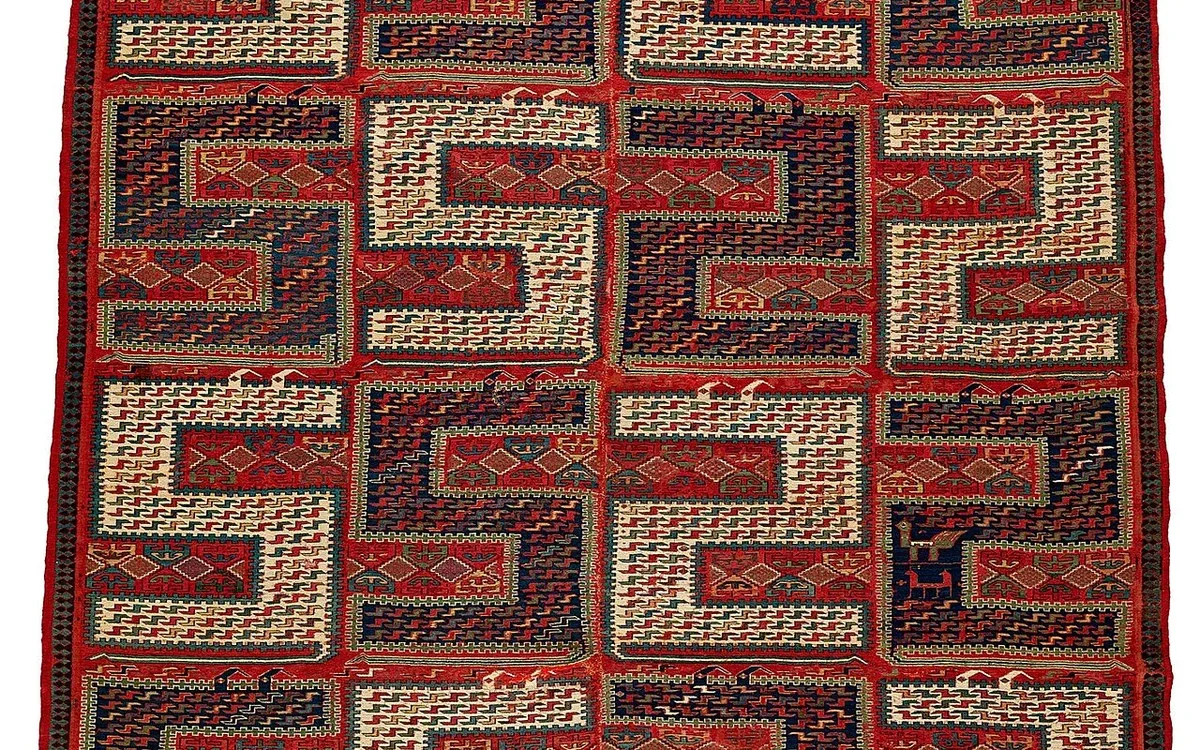
To pack area rugs for a move, check their condition and care instructions, make sure they are fully dry, and roll suitable rugs evenly instead of folding them. Secure the roll without squeezing it, use an appropriate protective covering, and plan a supported place in the vehicle. Fragile, damaged, or valuable rugs need individual handling advice before packing.
Quick answer
For a sound, flexible rug, the packing goal is a smooth roll that stays dry, protected, and supported throughout the move.
- Check the front, backing, edges, and fringe before choosing a method.
- Remove loose surface dirt only with a method the care instructions allow.
- Confirm that the rug and its backing are dry before wrapping.
- Follow rug-specific guidance for rolling direction and any supporting core.
- Keep tape off the rug and avoid tight cords or sharp bends.
- Label the wrapped roll for its destination and handling needs.
A rug that feels brittle, sheds backing, smells musty, or has uncertain construction should be assessed before you continue.

What should you check before packing an area rug?
Start with the rug spread flat in a clear space. Read its care label and any manufacturer instructions you still have. A flexible machine-made rug, a woven heirloom, and a rug with a deteriorating backing may require different handling.
Look for loose seams, split edges, pulled threads, curled corners, damaged fringe, or backing that cracks when gently lifted. Photograph the front and back, then take closer pictures of existing damage. These images can help the household and transport provider distinguish old problems from changes noticed after arrival.
Do not force a corner to test flexibility. If normal lifting reveals cracking or resistance, stop and seek advice.
Record the rug’s dimensions and intended destination. A roll must fit the vehicle and pass through the planned doorways without being bent around a tight corner. For a large rug, discuss its size and condition with the people carrying it before packing day.
The household can use move management for a South Carolina home transition to discuss how rug decisions fit into the broader move. Confirm the agreed work rather than assuming specialist rug handling is included.
Decide whether the rug belongs in the next home
A rug can be in good condition and still be wrong for the next room. Compare its dimensions with the usable floor space, furniture arrangement, and doorway clearance before committing to transport.
Decide whether it will go directly into a room, remain packed for storage, or leave the household through another arrangement. That choice affects labeling, wrapping, and who needs to receive it.
For an inherited rug, separate a practical packing decision from questions about ownership or value. The authorized household or estate representative decides what may move. An appropriate appraiser assesses value when needed; legal questions belong with the responsible legal professional.
If rug decisions sit within a larger estate transition, What Is the Best Way to Clean Out an Estate? provides a related planning resource. Keep this rug’s destination recorded separately so it does not join the wrong group of belongings.

Prepare the rug dry, without creating a new problem
Packing preparation is not an invitation to try an unfamiliar cleaning treatment. Follow the rug’s care directions for removing loose dirt, and avoid methods that could catch fringe, pull fibers, or disturb damaged backing.
If you arrange cleaning with a separate provider, ask how to confirm that both the face and backing are ready for wrapping. A surface that feels dry does not establish that every layer is dry.
Check the floor beneath the rug as well. Moisture, grit, or residue there can transfer during packing. Choose a clean, dry work area where the rug can lie flat.
Keep the preparation focused:
- Remove loose objects and furniture without dragging them across the rug.
- Inspect the underside before setting it on the packing surface.
- Keep food, drinks, and wet materials away from the work area.
- Set the rug pad aside for separate inspection and packing.
Do not wrap a damp rug to meet the moving schedule. Ask the relevant provider about an alternative plan, and leave suspected mold or contamination for qualified assessment rather than ordinary packing.
Should you roll an area rug with the pile facing inward?
The correct direction depends on the rug’s construction and care guidance. Pile facing inward is a common approach for ordinary flexible pile rugs, but it is not a universal rule for every weave, backing, or antique textile.
Check manufacturer instructions first. If those are missing, ask a rug specialist when the construction is uncertain or the rug is valuable. Do not decide solely from appearance.
Rolling direction and the direction of the pile are separate questions. Where instructions specify how to roll relative to the pile, follow them. Avoid repeated trial rolls that stress an already weakened rug.
A suitable supporting core can help prevent a sharp bend at the center, but its material and size should suit the rug. Ask for guidance instead of improvising with a narrow rod, dirty tube, or rough object.
For a sound rug suitable for household packing, use these six steps:
- Clear a clean, dry surface and lay the rug flat.
- Position it according to its care instructions, keeping fringe free of folds.
- Begin an even roll, using an appropriate core if recommended.
- Guide both ends together so the roll stays straight.
- Stop if the rug resists, cracks, buckles, or develops a sharp crease.
- Secure and cover the completed roll without compressing its edges or fringe.
The roll should hold its shape without being pulled tight. Folding to make a rug fit a smaller space can create concentrated stress; discuss another transport arrangement instead.
Choose wrapping that protects without trapping moisture
Covering needs depend on the material, condition, journey, and whether the rug will be unpacked at the destination. Ask the manufacturer or specialist what should touch the rug directly.
Use clean, non-abrasive materials suited to that advice. Avoid printed paper against the fibers, adhesive on the rug, and rough coverings that can snag loose threads. Keep ties broad and gentle enough to hold the roll without cutting into it.
Plastic wrapping is not a cure for dampness. A sealed covering can trap moisture already present. If a transport provider proposes a weather-resistant outer layer, discuss how the dry rug will be protected during loading and when that layer will come off.
Label the outside, never the rug itself. Include:
- A clear item name, such as “living room blue rug.”
- The destination room or household.
- Any agreed handling instructions.
- A note identifying separately packed padding.
Use a separate inventory record for value or ownership details. The outside label only needs information that helps people handle and deliver the item correctly.
How do you keep a rolled rug safe during transport?
Plan the loading position before the roll reaches the vehicle. It needs support along its length, protection from shifting cargo, and a route that does not require bending it sharply.
Ask the transport provider how the roll will be secured and what will sit beside it. Heavy furniture, sharp hardware, and leaking containers should not bear against the rug. A roll tucked into leftover space may be crushed or bent when other items shift.
Large rugs can be awkward to carry even when they look compact. Agree who will lift each end and where they will set it down. Carrying should support the roll rather than leave it sagging or drag its covering across the ground.
For a South Carolina household move, check the forecast and prepare a covered loading route where practical. If conditions are wet, discuss protection with the transport provider before taking the rug outside. Do not leave it exposed while other loading decisions are made.
A practical move team may discuss inventory, room labels, access, lifting arrangements, and loading order. Confirm who supplies packing materials and who is responsible for transport.
Keep rug pads and storage decisions separate
Inspect the rug pad for tears, crumbling material, or residue. Follow its own care and packing directions rather than assuming it should be rolled inside the rug. Label it to match the rug if both are moving.
If the destination floor has been refinished or changed, ask the flooring manufacturer or installer whether the existing pad is suitable. The household chooses the pad; the responsible flooring professional advises on compatibility.
Storage is a separate arrangement. Before choosing a facility, ask about environmental conditions, moisture risks, how the roll will be supported, and whether the proposed wrapping suits storage.
Do not assume a garage, spare room, or storage unit is suitable simply because the roll fits. Keep it away from potential leaks and avoid stacking heavy belongings on it.
Clutter Cleaner of South Carolina is physically located in Mount Pleasant, SC, serves all of South Carolina, and has Charleston as its primary market. Its approved move-management service does not establish that rug storage, cleaning, appraisal, or specialist treatment is included.
Unpack with the rug’s condition in mind
Prepare a clean, dry floor and check the roll before opening it. Photograph damaged wrapping or visible moisture, and raise concerns with the transport provider before discarding the packaging.
Remove ties and coverings without cutting toward the rug. Unroll it gently in its intended position, following any care guidance received before the move.
Do not force curled edges flat with heavy furniture or apply heat to hurry the process. If the rug will not lie safely, seek manufacturer or specialist advice and keep people from walking over raised edges.
Packing cannot settle a suspected building moisture problem. An appropriate inspector or contractor assesses that issue; any compliance decision stays with the responsible authority. Likewise, a real-estate professional handles questions about items included in a property transaction. The move team can record instructions once those decisions are resolved.
Short FAQ
Can I fold a small area rug instead of rolling it?
Only if its care instructions permit folding. Size alone does not establish that the backing or weave can tolerate a crease. Rolling is generally the better starting point for a sound, flexible rug.
Should I wrap a rug that still feels damp?
No. Pause packing and ask the relevant care provider how to confirm readiness. Wrapping should protect a dry rug, not conceal moisture.
What if the rug is too long for the vehicle?
Discuss a suitable vehicle or specialist transport arrangement. Do not fold, bend, or cut the rug to solve a loading problem without appropriate advice.
Can the move team decide whether an inherited rug should be sold?
The authorized household or estate representative makes that decision. Appraisal and legal advice remain separate professional responsibilities. If the rug will be donated or discarded, confirm acceptance or disposal requirements with the receiving provider or responsible local authority.
Photo credits
- Red and dark geometric flatweave rug: Unknown Caucasian women. Photo by Museum. Original photograph, Public domain. Cropped and resized.
- Patterned rug with a red center and cream border: Unknown tribal weaver. Photo by auctioneer. Original photograph, Public domain. Cropped and resized.
- Woven rug with a central plant and angular patterns: Navajo artist. Original photograph, Public domain. Cropped and resized.






