
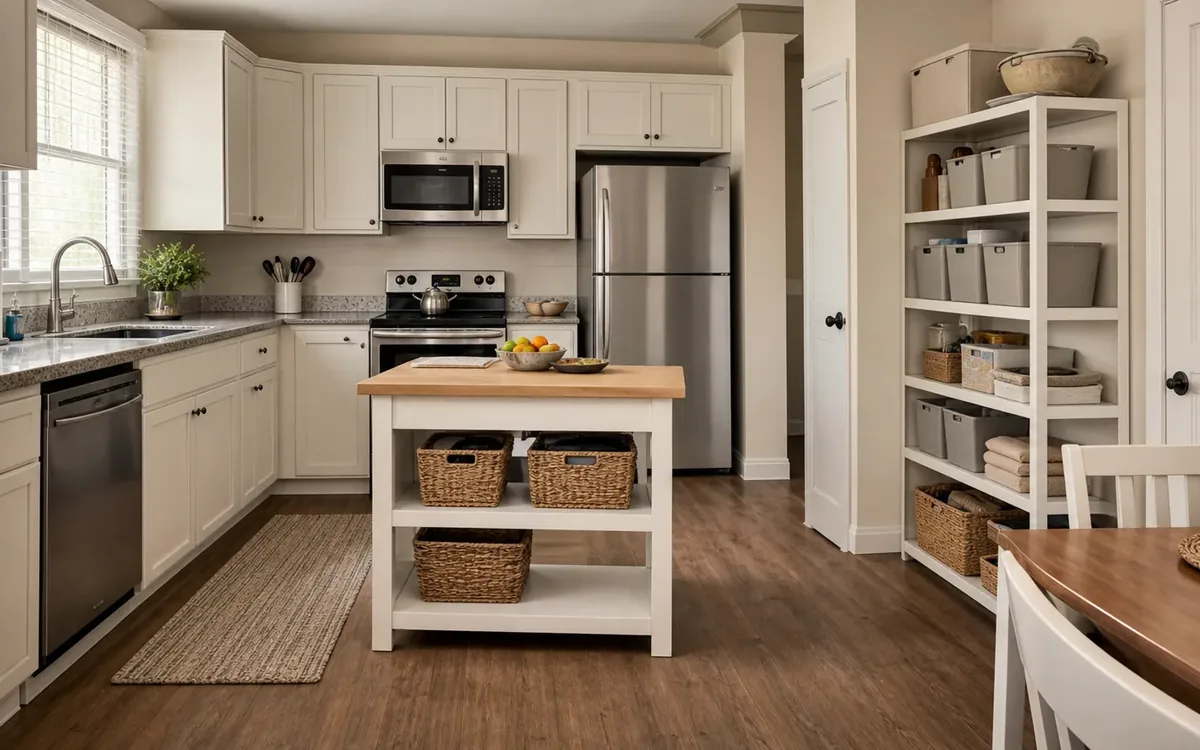
Organize daily belongings by moving the things you use most into places you can reach comfortably, without deep bending, overhead stretching, or searching behind other objects. Start with one everyday activity, such as making coffee or getting dressed, and relocate its essentials together. South Carolina households can improve access through placement changes without beginning with a whole-house cleanout or permanent home alterations.
Quick answer: Give frequently used items the easiest available locations. Keep them visible, simple to retrieve, and easy to put back. Move occasional-use belongings out of those locations, keep walking routes clear, and test the arrangement before buying organizers. If movement, balance, or lifting raises safety concerns, ask an appropriate healthcare professional for individualized guidance.
What makes a household item easy to reach?
An accessible location is more than a shelf at a convenient height. Consider the entire movement needed to use an object: approaching it, opening its storage space, grasping it, lifting it, carrying it, and returning it.
A mug on a middle shelf may still be awkward if several glasses stand in front of it. A shirt in a waist-level drawer may be difficult to retrieve if the drawer sticks or the contents are tightly packed.
Evaluate each daily item through practical questions:
- Can you approach it without stepping around furniture or bags?
- Can you retrieve it without moving something else first?
- Is the container manageable when it is full?
- Can you see or identify the item easily?
- Is putting it away as comfortable as taking it out?
There is no universal shelf height that works for every household member. Comfortable reach depends on the person, the activity, and whether they are standing or seated. Avoid repeatedly testing a movement that causes pain or feels unstable.
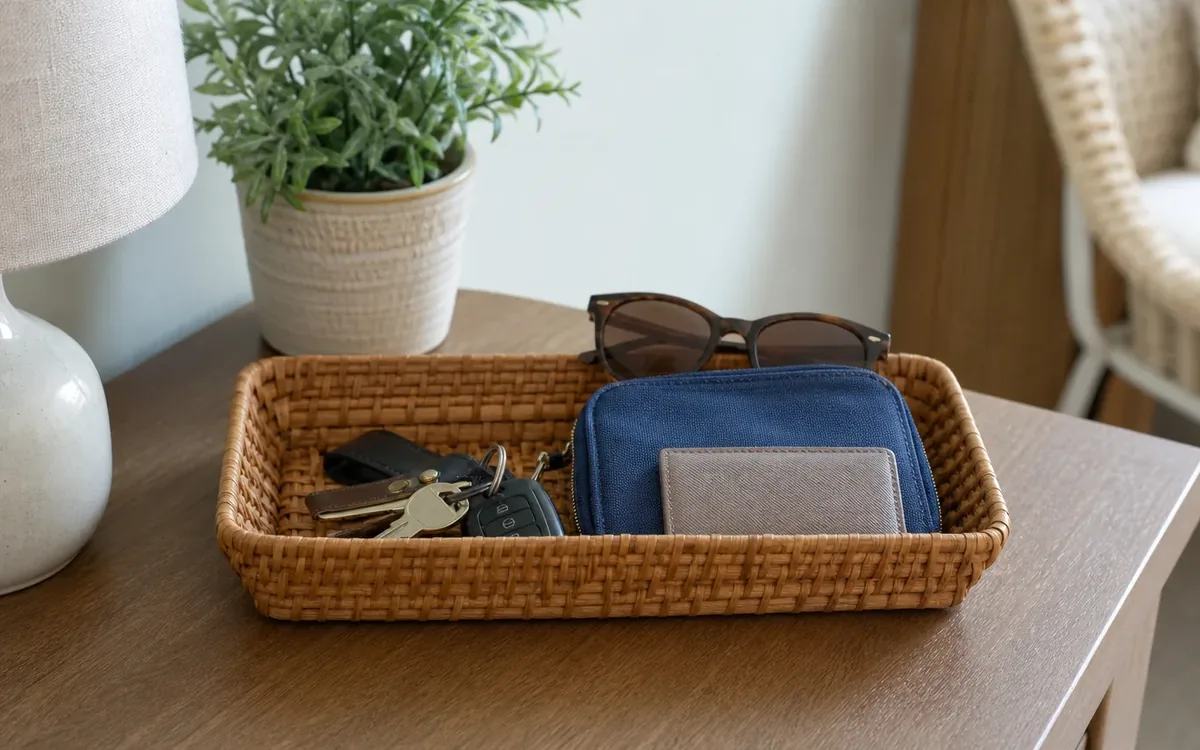
Begin with one activity, not an entire room
Organizing by activity reveals access problems that room-by-room sorting can miss. Instead of tackling every kitchen cabinet, focus on preparing a usual breakfast. Instead of emptying a bedroom, focus on choosing clothes and getting dressed.
Describe the activity in ordinary language. Then identify what is used, where it is stored, and which movements create difficulty. A household member can observe or help retrieve belongings rather than asking someone to demonstrate uncomfortable reaches.
Useful starting activities include:
- Preparing a drink and a simple meal.
- Getting dressed and selecting shoes.
- Finding glasses, a phone, and charging equipment.
- Handling incoming mail.
- Gathering supplies for a regular hobby.
Choose the activity with the most repeated inconvenience. Improving that small area can make the rest of the organizing process more manageable.
For help sorting belongings and planning placement, review Clutter Cleaner of South Carolina’s downsizing and organizing service. Explain the access problem you want to address, rather than requesting only that a room look tidier.
Sort belongings by movement demand
Traditional organizing often groups objects by type. For limited bending or reaching, add another layer: the effort required to retrieve and use them.
Create informal groups without measuring every shelf:
- Daily and easy to handle: Regularly used objects that belong in the most comfortable locations.
- Daily but demanding: Heavy, awkward, or tightly stored objects that need a different placement or handling plan.
- Occasional use: Useful belongings that do not need prime everyday space.
- Undecided: Objects whose ownership, usefulness, or destination needs discussion.
This approach prevents rarely used serving pieces from occupying the easiest kitchen shelf while everyday bowls remain near the floor. It also separates frequency from weight. A frequently used appliance might need a suitable stable surface rather than relocation to a higher cabinet.
An item can matter emotionally without needing to be within daily reach. Likewise, an inexpensive object may deserve the best location because it supports a routine.
When the project also involves inherited possessions, the guide What Is the Best Way to Clean Out an Estate? provides a separate framework for the broader cleanout. Keep ownership questions distinct from the immediate task of making daily essentials accessible.
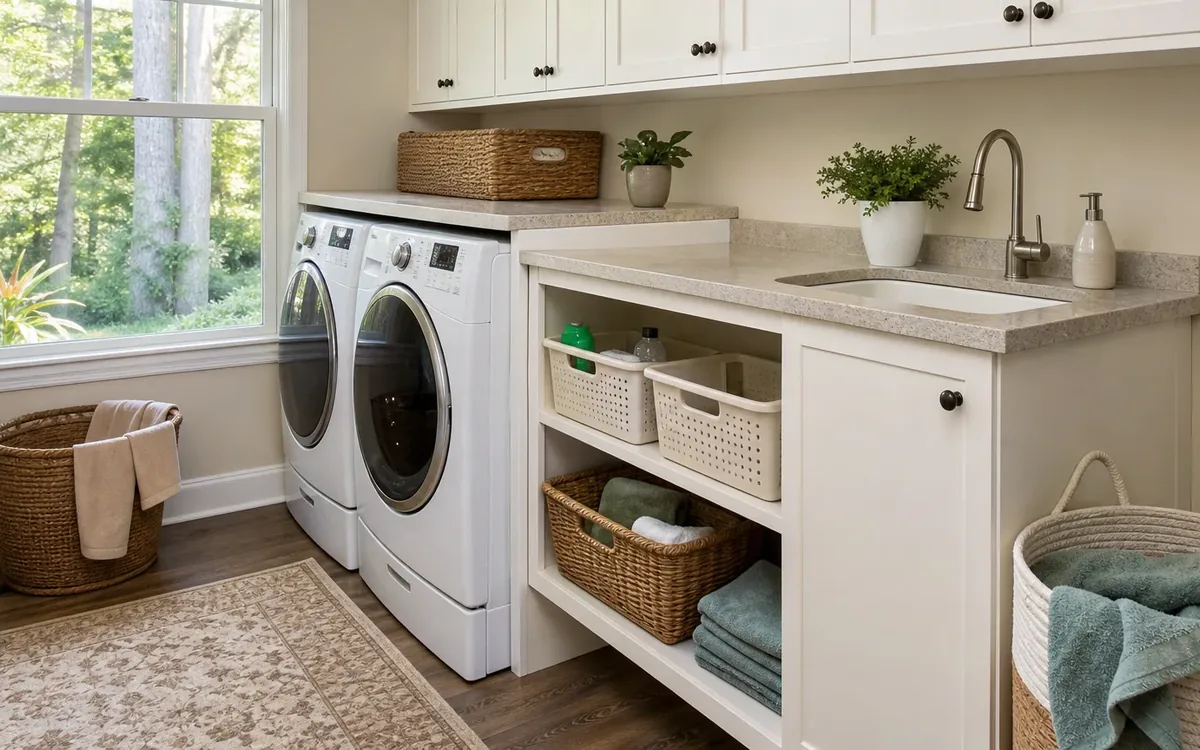
Where should frequently used belongings go?
Use existing storage that allows comfortable access before assuming new furniture or permanent changes are necessary. Look for places with a clear approach, a usable opening, and enough space to retrieve an item directly.
In the kitchen, daily dishes may work better on an accessible shelf near their point of use. Keep a modest working supply there rather than moving every matching piece. Separate bulky extras from the items needed for ordinary meals.
In a bedroom, prioritize frequently worn clothing and the supplies used while dressing. An accessible drawer should not become difficult because clothing is compressed into it. Keep everyday shoes where they can be identified and retrieved without digging through a pile.
In a living area, group glasses, a remote, and charging supplies near their usual use point. Keep cords from crossing walking routes. A tabletop arrangement should leave usable surface space rather than creating a crowded edge where objects can fall.
In a bathroom, distinguish convenient access from safe storage. Moisture, children, pets, and product instructions still matter. Follow medication storage instructions and keep medicines secure as appropriate; do not move them simply because a location is easier to reach.
Across rooms, favor direct access over stacking. The bottom container in a stack may be technically within reach but still require several extra lifts.
How can you reduce carrying as well as reaching?
Relocating an item helps only if its new position reduces the overall effort of the activity. A laundry basket stored conveniently may still require an awkward carry across the house.
Consider where belongings are used, not just where they traditionally belong. Store a manageable supply near the activity when doing so is safe and does not block movement.
Possible household choices include:
- Keeping a small supply of napkins near the eating area.
- Placing stationery where mail is reviewed.
- Keeping hobby materials together at the usual work surface.
- Separating a large collection into smaller, manageable groups.
- Providing separate copies of inexpensive essentials when repeated transport is troublesome.
Duplication should solve a specific problem, not create more clutter. Check that the household can maintain each location and that supplies will not become scattered or forgotten.
Do not use convenience as a reason to leave belongings on stairs, floor edges, or narrow routes. If an activity still requires handling that feels unsafe, discuss the problem with an appropriate professional rather than improvising a carrying method.
Choose organizers by how they behave in use
An organizer can look helpful while adding another movement barrier. Deep bins hide objects. Lidded containers require opening and somewhere to put the lid. Large baskets can become heavy after they are filled.
Before buying anything, try an existing shallow container or clear a small section of a shelf. Test whether the arrangement supports retrieval and return during the actual routine.
Useful features to consider include:
- Contents that remain visible or clearly labeled.
- An opening that does not require an awkward reach.
- Enough space around objects for a comfortable grasp.
- A manageable filled weight.
- A stable position on an appropriate surface.
Labels can reduce searching, but their placement matters. A label on top of a container is not helpful if the container cannot be viewed from above. Use plain descriptions such as “daily socks” or “mail to review.”
Avoid treating rolling carts, stools, or reach tools as automatic solutions. Their suitability depends on the person and setting. Equipment recommendations belong with the relevant professional when balance, mobility, or safe use is a concern.
Make shared spaces work for different people
A household may include people with very different reach ranges and preferences. The goal is not to make every possession equally accessible to everyone. It is to give each person reliable access to their own daily essentials while protecting shared routes and surfaces.
Agree on specific spaces. One person might use an accessible drawer for breakfast supplies while another keeps occasional baking equipment elsewhere. Shared belongings should have locations everyone understands.
Discuss boundaries before sorting:
- Which belongings can be relocated without further approval?
- Which objects are private or sentimental?
- Who will help retrieve occasional-use items?
- Who will maintain the new arrangement?
Do not discard someone else’s belongings merely because they occupy convenient space. Relocation, reduced quantities, or a separate storage choice may resolve the conflict without forcing an immediate disposal decision.
Take a simple photo or write a short location note if that helps household members preserve the arrangement. The purpose is consistency, not a complicated inventory system.
Separate placement decisions from professional decisions
Households can decide which routines matter most, which belongings they want nearby, and what they are willing to sort or relocate. They can also identify possessions to keep, subject to ownership rights and any applicable estate restrictions.
A practical organizing, cleanout, or move team may discuss sorting priorities, item locations, access routes, packing needs, and what assistance is required to move belongings. Describe movement limitations as practical constraints, without expecting the team to diagnose them or prescribe treatment.
Other decisions stay with the responsible provider or authority:
- Healthcare professionals address individualized mobility and safety concerns.
- Qualified contractors evaluate and perform permanent alterations.
- Appraisers assess value when a formal valuation is needed.
- Attorneys or authorized estate representatives address legal rights and estate decisions.
- Real-estate professionals advise on listing and transaction matters.
- Inspectors or relevant authorities determine inspection and compliance requirements.
Storage arrangements and disposal destinations are separate household or provider choices. Confirm acceptance rules and responsibilities before sending belongings elsewhere. A placement plan does not establish an object’s value, authorize its sale, or determine whether a property meets a requirement.
Clutter Cleaner of South Carolina is physically located in Mount Pleasant, serves all of South Carolina, and has Charleston as its primary market. Households can discuss its verified downsizing and organizing or move management services in relation to their project, while confirming the particular scope needed.
Test the arrangement before expanding it
Use the revised area during ordinary activities. Notice where an extra bend, reach, search, or carry still occurs. Ask whether putting things back is straightforward, since an arrangement that is hard to maintain will soon lose its benefit.
If the surface becomes crowded, reduce the working quantity rather than adding another layer of containers. If something is repeatedly left elsewhere, consider whether that location better matches its use.
Expand to another activity only after identifying what worked. This keeps the project focused on everyday access rather than turning it into a complete household reorganization.
Short FAQ
Do I need to get rid of belongings first?
Not necessarily. Begin by giving daily essentials better locations. Sorting or downsizing may help when storage is crowded, but relocation alone can address some access problems.
Should everything be stored at the same height?
No. Placement should reflect comfortable reach, weight, frequency of use, and storage requirements. Keep occasional-use belongings separate from everyday essentials.
What if the easiest location is already full?
Review what occupies it. Move less frequently used belongings elsewhere with the owner’s agreement, then reserve that space for the routine you are improving.
Can organizing replace a mobility assessment?
No. Organizing changes where belongings are kept. It does not assess medical needs, prescribe equipment, or establish that a movement is safe.



