
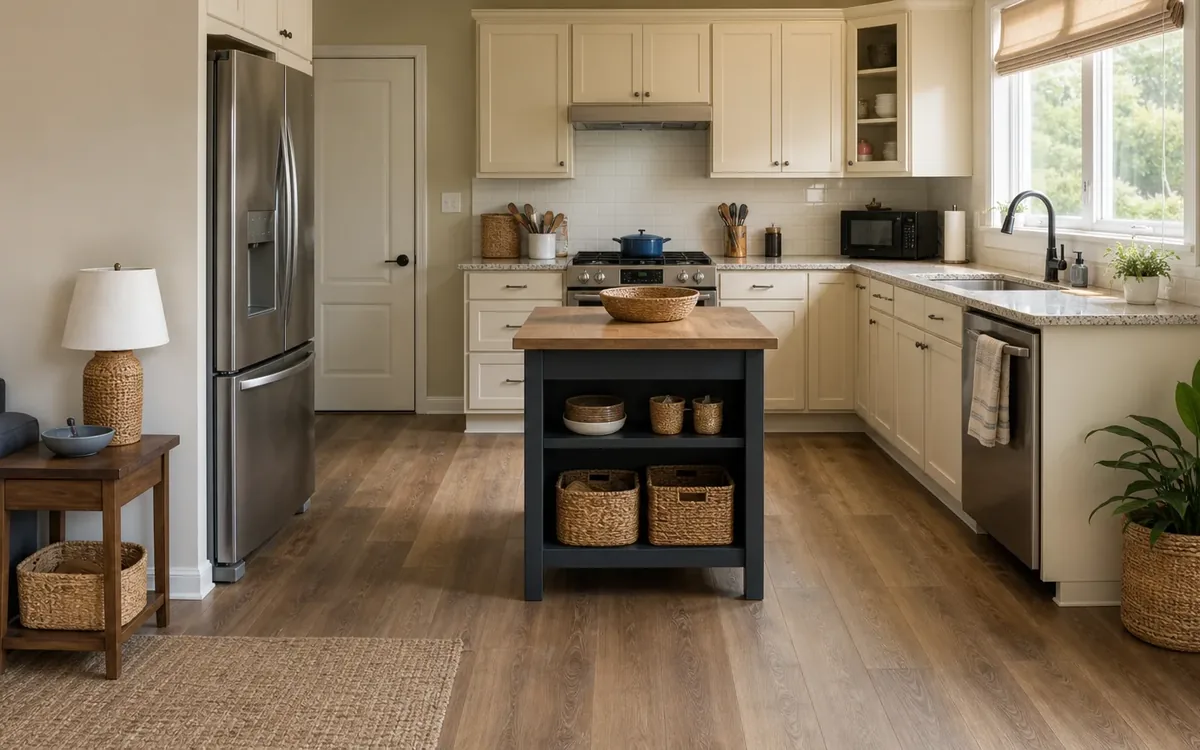
When reaching is difficult, move frequently used belongings into places you can access comfortably without stretching, climbing, or bending deeply. Start with the items needed for ordinary daily routines, not with a whole-house purge. South Carolina households can often test better storage placement in their current home before deciding whether downsizing or moving deserves further consideration.
Quick answer: Keep daily-use items within your comfortable reach, give them clear and consistent homes, and move occasional-use belongings out of those spaces. Test the arrangement during actual routines. If access remains difficult, ask an appropriate professional about equipment, physical limitations, or home modifications rather than treating organization as a medical solution.
What should you move into easy reach first?
Begin with a routine that regularly involves an awkward reach. Making breakfast, getting dressed, washing up, or charging a phone offers a useful starting point. Identify the belongings involved and where access breaks down.
The goal is not to fit every possession into the most convenient cabinet. It is to reserve convenient storage for the things that earn their place through frequent use.
Make a short working list:
- Items used daily, such as a mug, toothbrush, phone charger, or reading glasses.
- Items used regularly but not constantly, such as laundry supplies or a favorite cooking pot.
- Items used occasionally, such as holiday serving pieces or extra bedding.
- Items that require help to retrieve, carry, or put away.
Let the person using the items define what feels comfortable. A shelf that works for one household member may be unsuitable for another. Reach also depends on whether someone is standing, seated, or using an assistive device.
Do not test access by deliberately stretching to a limit. If pain, dizziness, balance concerns, or changing movement affects the task, seek guidance from a qualified healthcare professional. Organizing can reduce unnecessary reaching, but it does not diagnose or treat the cause.
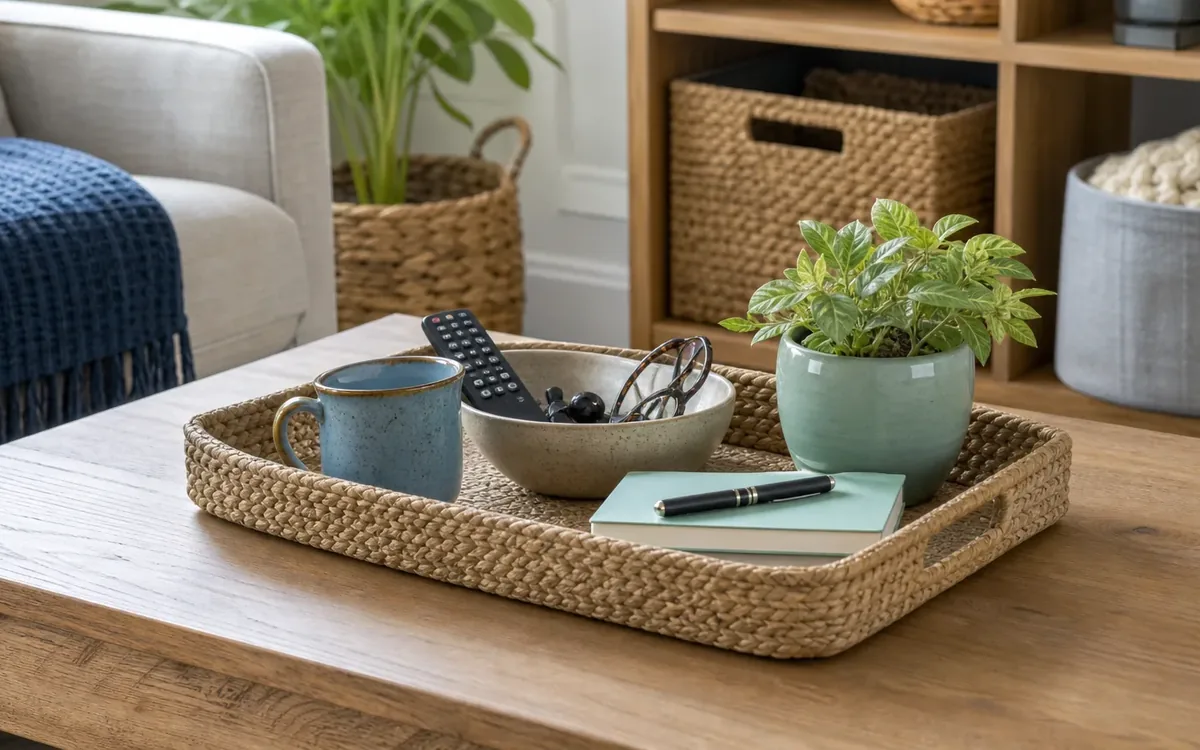
Create an everyday zone, not a crowded countertop
An everyday zone is a small, dependable storage area for the belongings used in a particular routine. It might be a reachable drawer, a shelf near a preparation surface, or a stable container beside a preferred chair.
Choose the location before buying organizers. A container cannot fix an inaccessible shelf, and adding bins may make a drawer harder to open or its contents harder to see.
A useful everyday zone should allow the user to:
- See or identify what is stored there.
- Retrieve an item without moving several others.
- Handle the item and its container comfortably.
- Return it without an awkward reach.
- Keep surrounding walkways and working surfaces clear.
Store heavier belongings where they can be handled without lifting them down from overhead. However, moving something to a low shelf is not helpful if bending is also difficult. Consider both retrieval and return, including the weight of the item when full.
For shared households, reserve a clearly defined portion of accessible storage for the person who needs it. Otherwise, groceries, mail, and other people’s belongings can gradually displace the carefully arranged essentials.
If sorting and prioritizing feel overwhelming, Clutter Cleaner of South Carolina’s downsizing and organizing service is a relevant starting point for discussing household organization needs. Describe the routines that are difficult, not just the amount of clutter.
How can you make kitchens and bathrooms easier to use?
In the kitchen, organize around the food and drinks actually prepared. A person who mainly makes toast and tea needs a different accessible setup from someone who cooks full meals. Avoid reorganizing every cabinet before addressing the recurring difficulty.
Bring a manageable selection of everyday dishes into an accessible area. Keep occasional serving pieces elsewhere. Place frequently used utensils near their point of use, but away from heat sources and locations where they interfere with appliance operation.
Consider these placement changes:
- Put a preferred mug and drinking glass together on a reachable shelf.
- Separate an everyday pan from nested cookware that is difficult to lift apart.
- Keep commonly used pantry items visible rather than behind seldom-used supplies.
- Choose containers the user can open and handle comfortably.
- Keep cleaning chemicals separate from food and food-preparation items.
A full bag, bottle, or canister may be difficult to manage even when its shelf is accessible. Smaller household-selected containers may help, provided contents remain identifiable and storage instructions are followed. Do not transfer hazardous products into food containers or discard safety labeling.
In bathrooms, group daily toiletries in a stable, reachable location that stays clear of water and does not obstruct movement. Reserve deeper storage for backup supplies. Medication placement should follow product directions and advice from a pharmacist or other responsible healthcare professional, including temperature, moisture, and household security considerations.
If unused dishes or inherited household goods are occupying the best storage, separate the access problem from decisions about the wider estate. The guide What Is the Best Way to Clean Out an Estate? can help frame that broader sorting process. Ownership and authority to release estate property must be confirmed before anything leaves the home.
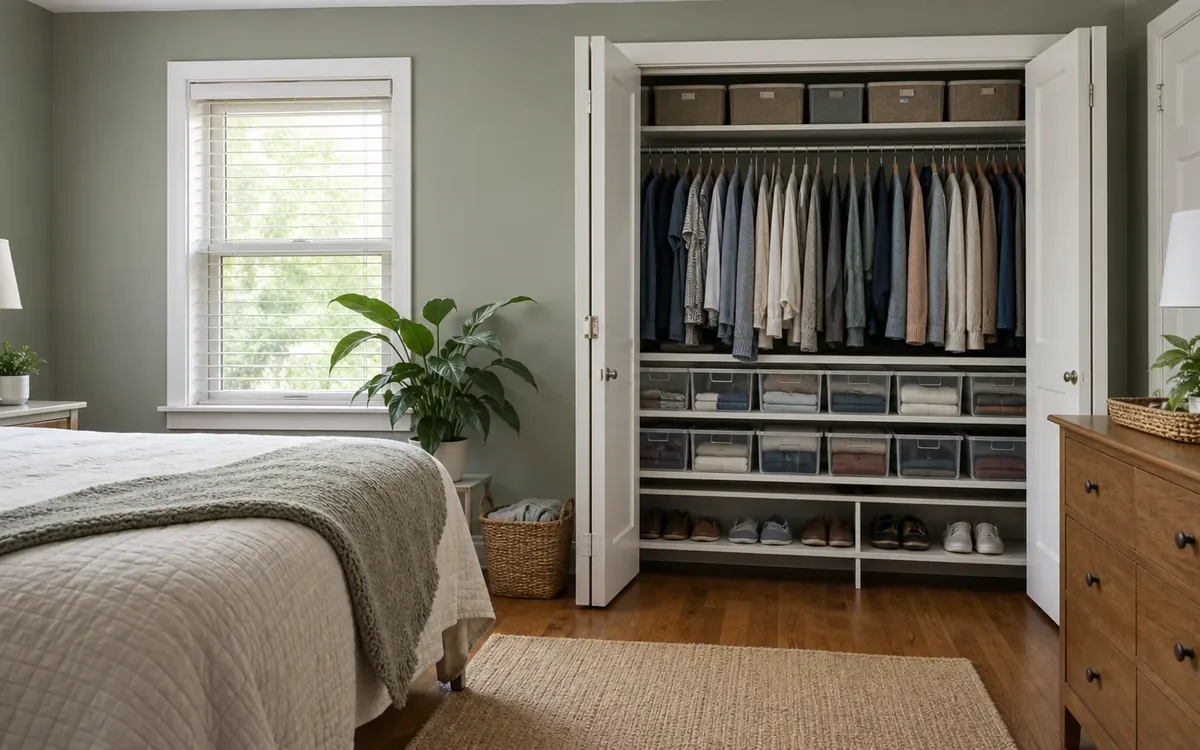
Make clothing and personal essentials easier to find
A closet can look orderly while still being difficult to use. The important question is whether the person can retrieve the clothing they regularly wear and return it without assistance or uncomfortable movement.
Move current clothing into the easiest available drawers or hanging spaces. Put less-used items elsewhere only if that location is safe and retrieval help is available when needed. Avoid making the user reach over stacked belongings to get dressed.
Organize by the person’s routine rather than an elaborate system:
- Keep frequently worn tops together.
- Place socks and undergarments in an accessible drawer with simple divisions.
- Store everyday shoes where they can be retrieved without moving a pile.
- Give glasses, hearing-related supplies, and other personal essentials consistent homes according to their care instructions.
- Separate clothing awaiting repair from clothing ready to wear.
Labels can help household members maintain the arrangement, but they should be readable and meaningful to the user. Broad categories often work better than detailed subdivisions that require constant upkeep.
Do not automatically discard clothes because they are hard to reach. First determine whether the problem is placement, quantity, fit, or a change in preference. The household decides what to keep. Valuable or potentially collectible belongings may warrant an independent appraisal before sale or donation decisions.
Which organizers are worth trying before a larger change?
Try existing shelves, drawers, and containers before purchasing a full storage system. A small test helps reveal whether the issue is shelf depth, container weight, visibility, or the effort needed to open something.
Shallow containers can prevent small belongings from disappearing behind one another. Drawer dividers may keep items from sliding out of position. A turntable might improve access in a suitable cabinet, but it can also place items farther back or move unexpectedly. Evaluate the actual task rather than assuming a product is accessible.
Before choosing an organizer, ask:
- Does it fit without blocking a door or drawer?
- Can the user operate it with the contents inside?
- Does it stay stable during normal use?
- Can belongings be returned easily?
- Will someone need to lift the whole container to find one item?
Avoid solving a reach problem with a stool, chair, or improvised climbing arrangement. If an item cannot be stored accessibly, decide who can retrieve it safely or whether it still belongs in the household.
Installed pull-out shelves, altered cabinets, electrical changes, or wall-mounted storage are separate contractor choices. An appropriate installer or other responsible professional should assess attachment, load limits, building conditions, and any applicable requirements. An organizing team can discuss the storage goal without certifying a modification as safe or compliant.
Test the new placement before deciding whether to move
Better placement can help a South Carolina household distinguish between an inconvenient storage system and a home that no longer supports everyday needs. That distinction matters before making a major housing decision.
After rearranging one routine, use it normally. Notice whether the person still asks for help, leaves items out because returning them is difficult, or avoids the task altogether. Those observations are more useful than whether the cabinet looks tidy.
Keep a simple record of:
- What became easier to retrieve and return.
- What still requires awkward reaching or lifting.
- Where accessible storage is already full.
- Which tasks remain difficult for reasons unrelated to storage.
If the changes help, extend the same approach to another routine. If they do not, avoid continually adding organizers to a setup that is not working.
A housing decision involves more than belongings. Healthcare guidance, home condition, household support, finances, and personal preferences may all matter. A real-estate professional can discuss property and transaction questions. Inspectors and qualified contractors address their respective building concerns. Legal or estate questions belong with the responsible attorney, representative, or authority.
The household can decide whether to explore a move without treating that exploration as a commitment. Accessible placement is a practical trial, not proof that someone should stay or leave.
What can a cleanout or move team help you discuss?
A practical cleanout or move team may discuss sorting priorities, the volume of belongings, access to work areas, and how to protect essential items from being packed or removed. Explain which storage locations must remain usable throughout the project.
Clutter Cleaner of South Carolina is physically located in Mount Pleasant, with Charleston as its primary market and a service territory covering all of South Carolina. Its listed services include downsizing and organizing, estate cleanouts, and move management. Contact the business at (843) 972-7020 to discuss the relevant service and scope for your household.
Useful discussion points include:
- Which daily-use belongings must stay available.
- Who has permission to approve removal or relocation.
- Which items need a separate keep, review, or do-not-remove designation.
- How to communicate the preferred placement to household helpers.
- Whether the project concerns current-home organization or a possible move.
Do not assume storage, disposal, contractor work, or appraisals are included. Those are separate household or provider choices to clarify before work begins. Likewise, code compliance support does not replace decisions by inspectors, officials, or other responsible authorities.
Keep unresolved ownership questions out of the removal pile. Organization should make daily life easier without creating an avoidable dispute about belongings.
Short FAQ
Should every frequently used item stay on the counter?
No. Reachable drawers or shelves may work better. Keep counters usable and avoid placing belongings where they interfere with appliances, water, or safe movement.
What if two people need the same accessible storage?
Divide the space by routine or person, then test it together. Shared essentials can have a common location, while personal items get clearly identified homes.
Should we buy specialized storage immediately?
Not necessarily. First test placement with what you already have. Seek appropriate professional guidance when equipment, installation, or physical limitations are involved.
Does difficulty reaching mean a move is necessary?
Not by itself. Better placement may resolve some daily frustrations. Persistent difficulties deserve a broader discussion with the household and the professionals relevant to health, housing, and building conditions.



