
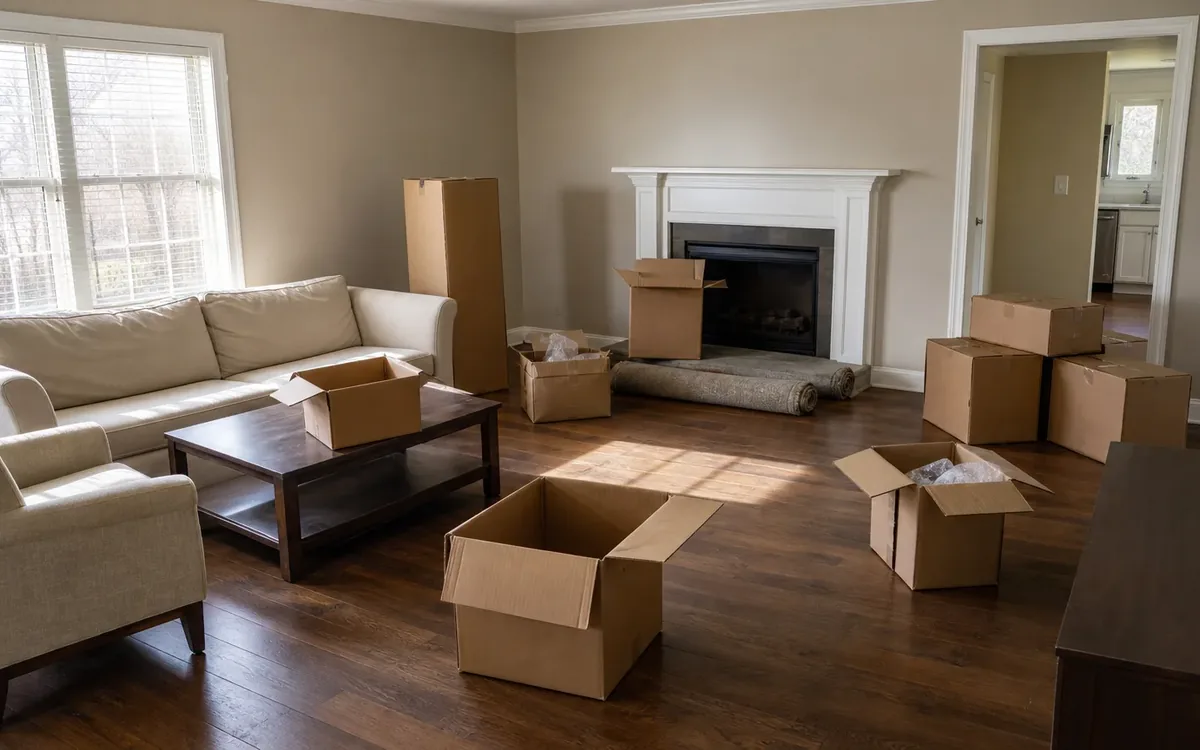
To document moving damage before filing a claim, photograph the item and its packaging, record what you observed after delivery, preserve relevant paperwork, and review your moving agreement for the provider’s reporting process and applicable deadlines. Keep your report factual: documenting damage supports a review, but it does not establish responsibility or guarantee reimbursement.
Quick answer: Stop using a damaged item if continued use could be unsafe or worsen its condition. Take wide and close-up photos, save packaging when practical, connect the item to its inventory or carton number, and create a written damage log. Check the agreement for notice and claim requirements before repairing, discarding, or submitting anything.
For South Carolina households, the immediate challenge is often balancing unpacking with evidence preservation. A useful record lets you continue settling in without losing details that may matter later.
What should you document when you discover moving damage?
Start with the condition you can actually observe. Describe a cracked leg, torn upholstery, missing hardware, or crushed carton rather than asserting how the damage happened. If you did not witness the cause, say so.
Photograph the item where you discovered it, provided the location is safe. Moving it for a better picture can erase useful context, such as its position beside a damaged box or protective wrapping.
For each affected item, capture:
- A wide view showing the entire item and its surroundings.
- Close-up views of each damaged area from different angles.
- Carton labels, inventory stickers, and identifying numbers.
- The exterior and interior condition of relevant packaging.
- A manufacturer label, model number, or serial number when accessible.
- Loose components, broken pieces, or displaced hardware.
Keep the original photos. If you crop or annotate copies to make a defect clearer, retain the unedited versions as well. A pointer or caption can help someone locate a crack, but image edits should not obscure the original condition.
Do not lift heavy furniture, dismantle equipment, or enter an unsafe area just to collect evidence. An incomplete photograph is preferable to an injury.

Separate damage discovery from the unpacking workflow
A busy delivery can make it difficult to distinguish what was inspected, what remains boxed, and what needs follow-up. Set aside a clearly identified area for affected items when space and safety allow.
Mark related cartons so another household member does not flatten them or put them out for disposal. Keep loose hardware and fragments together with the item identifier. Avoid attaching tape directly to a finish or fabric that could be damaged further.
A practical move team may discuss carton identification, unpacking order, accessible staging areas, and who will maintain the household’s records. Those coordination conversations are separate from deciding who caused damage or what a claim is worth. The move management service is relevant to organizing a household transition, but any provider’s claim procedures must be confirmed directly with that provider.
If the move follows an estate cleanout, distinguish items selected for moving from items designated for sale, donation, or disposal. The guide to how estate cleanouts work offers background on that separate sorting process. After damage is discovered, do not let an earlier disposal decision substitute for preserving evidence needed for a review.
Build an item-by-item damage log
A damage log connects photographs, paperwork, and communication. Use a spreadsheet, document, or notebook that the household can maintain consistently. Choose one person to keep the primary version so conflicting copies do not develop.
Give each affected item a simple identifier, such as “dining chair A” or “carton marked kitchen glassware.” Use that identifier in photo filenames and messages.
Record these details:
- Item name, description, and available identifying numbers.
- Inventory number or carton label, if present.
- Where the item was found after delivery.
- When the damage was discovered and who discovered it.
- A plain description of the observed condition.
- Related photo and document filenames.
- Known pre-move condition and the evidence supporting it.
- Whether the item has been moved, used, repaired, or discarded since discovery.
For example, “A crack is visible along the rear left chair leg; discovered while removing the wrapping” is more useful than “The movers destroyed our chair.” The first statement distinguishes observation from blame.
If you discover additional damage later, add a separate entry. Preserve earlier versions or note the update rather than silently changing the original description.
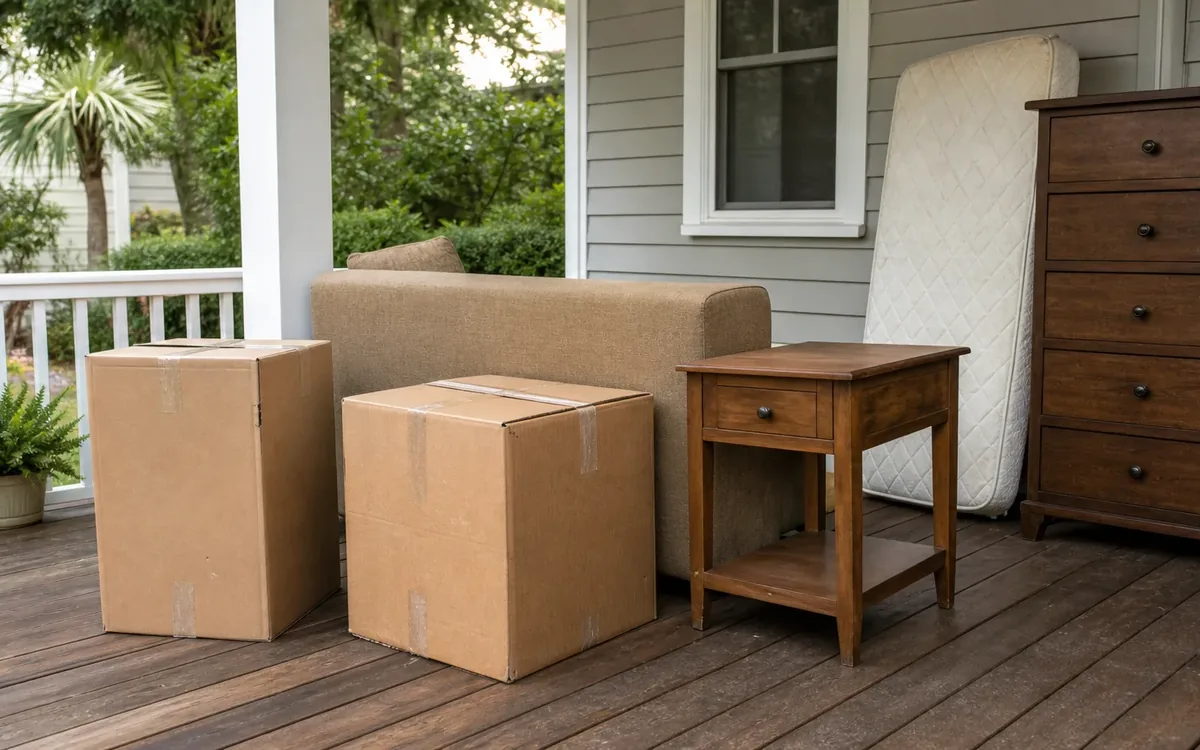
How can you show the item’s condition before the move?
Look for existing records before creating a value estimate or making assumptions about condition. Pre-move photographs, walkthrough videos, packing records, and dated household images may help establish what was visible before transport.
Potential supporting records include:
- Photos taken during packing or household inventory work.
- The moving provider’s inventory and condition notes.
- Purchase receipts and product descriptions.
- Maintenance or repair records.
- Prior appraisals for valuable items.
- Written correspondence about special handling or existing defects.
Read condition notes carefully. A record of an old scratch does not necessarily explain a newly broken joint, but the distinction should be described accurately. Acknowledge pre-existing wear rather than leaving a reviewer to discover it elsewhere.
If no before-move image exists, state that limitation. You can still document the current condition and identify any relevant witnesses or records. Do not recreate a “before” photograph or present a similar item as the damaged one.
Receipts can establish purchase information, but they do not automatically determine compensation. A qualified appraiser may be appropriate for an item whose identity or value is uncertain. Appraisal is a separate professional service, not a conclusion a cleanout or move team should supply.
Review the agreement before submitting a report
South Carolina households should review their moving agreement for the provider’s reporting instructions and applicable deadlines. Do not assume an informal conversation with a delivery worker satisfies a formal notice or claim requirement.
Gather the agreement, inventory, delivery receipt, valuation selection, and any separate insurance documents. Different documents may address different responsibilities, so keep them together without treating them as interchangeable.
Look for:
- The correct contact, portal, or form for reporting damage.
- Whether initial notice and a formal claim are separate steps.
- Required supporting documents and signatures.
- Applicable submission deadlines.
- Inspection, repair, and evidence-preservation instructions.
- Terms addressing valuation or limits on responsibility.
If wording is unclear, ask the provider to identify the applicable procedure in writing. Note the response and retain it with your records. Do not rely on a general internet deadline when your move may involve different contractual or legal requirements.
A claim administrator, insurer, attorney, or responsible authority should address coverage, liability, disputed terms, and legal rights as appropriate. This documentation process is not a legal determination. Whether a move stays within South Carolina or crosses state lines may be relevant to the rules that apply, so provide that information when seeking professional guidance.
Write a factual damage report that is easy to review
Organize the report around the affected items, not the frustrations of moving day. Include the move or shipment reference, delivery location, delivery date, and your contact information as requested by the provider.
A clear opening might read: “During unpacking after delivery, we observed damage to the items listed below. Attached are photographs, inventory references, and available pre-move records. Please confirm receipt and advise on the required claim procedure.”
For each item, provide a short condition description and point to the relevant attachments. Label files so the reviewer can match them without guessing. If an estimate or appraisal is not yet available, identify it as pending rather than inserting an unsupported amount.
Keep these distinctions clear:
- What you personally observed.
- What another person reported to you.
- What existing documents show.
- What remains unknown.
- What follow-up you are requesting.
Avoid speculation about intent, negligence, or insurance coverage. You can express concern and request review without making unsupported accusations.
Save the submitted version, attachments, confirmation screen, and acknowledgment. If you report something by phone, make a contemporaneous note and send a factual written summary through the appropriate channel. Ask whether further action is required rather than assuming the report completes the claim.
Should you repair, use, or discard a damaged item?
Check the provider’s written instructions before taking an action that could change the evidence. Repairs, cleaning, disassembly, or disposal may make the original condition harder to evaluate.
Safety comes first. Stop using furniture that appears unstable or equipment with visible damage that could present a hazard. Do not test a questionable electrical item merely to demonstrate that it fails. An appropriate repair professional or inspector should assess technical safety concerns.
If immediate action is necessary to prevent injury or further property damage, document the condition beforehand when safe and record what was done and why. Keep receipts and any written professional findings. Do not delay necessary safety measures solely to obtain more photographs.
Temporary storage is a household choice involving space, security, access, and any separate storage provider’s terms. Contractor work, repairs, and disposal are also separate arrangements. Confirm any claim-related inspection needs before authorizing them when circumstances permit.
For damaged built-in features or the home itself, separate moving-related reporting from building assessment. The relevant contractor, inspector, insurer, or authority should address structural, electrical, permitting, or compliance questions. If a home sale is involved, disclosure and transaction questions belong with the responsible real-estate or legal professional.
Keep communication and household decisions organized
Maintain one folder containing the damage log, original images, moving documents, submitted reports, and responses. A backup copy helps protect the record if a phone or computer becomes unavailable.
Track requests without inventing a response deadline. Record the date of each message, the person or department contacted, what was requested, and what remains outstanding. Follow the provider’s stated process for additional documents or follow-up.
The household can decide who communicates, where items are safely held, and which independent professionals to consult. A practical move or cleanout team may discuss organization and handling logistics, but it should not determine legal responsibility, appraised value, or claim eligibility.
Clutter Cleaner of South Carolina is based in Mount Pleasant and provides move management across South Carolina, with Charleston as its primary market. Questions about transition coordination can be directed to (843) 972-7020. Direct damage claims to the responsible moving provider or insurer through its required process.
Short FAQ
What if I already signed the delivery receipt?
Keep a copy and review it alongside the agreement. Signing a receipt does not, by itself, answer every question about a later-discovered defect. Ask the provider about the applicable process; seek legal advice if the effect of a signature is disputed.
What if the packaging has already been thrown away?
Document the item’s current condition and disclose that the packaging is unavailable. Preserve any existing delivery or unpacking photos. Do not recreate packaging evidence.
Can I submit the report before obtaining a repair estimate?
Review the submission requirements and applicable deadlines. Ask whether notice can be submitted while supporting estimates are pending. Do not assume waiting for an estimate extends a deadline.
Does thorough documentation guarantee payment?
No. Documentation helps establish what was observed and gives the reviewer usable information. Responsibility, valuation terms, coverage, and the applicable claim process still determine how the matter is evaluated.



