
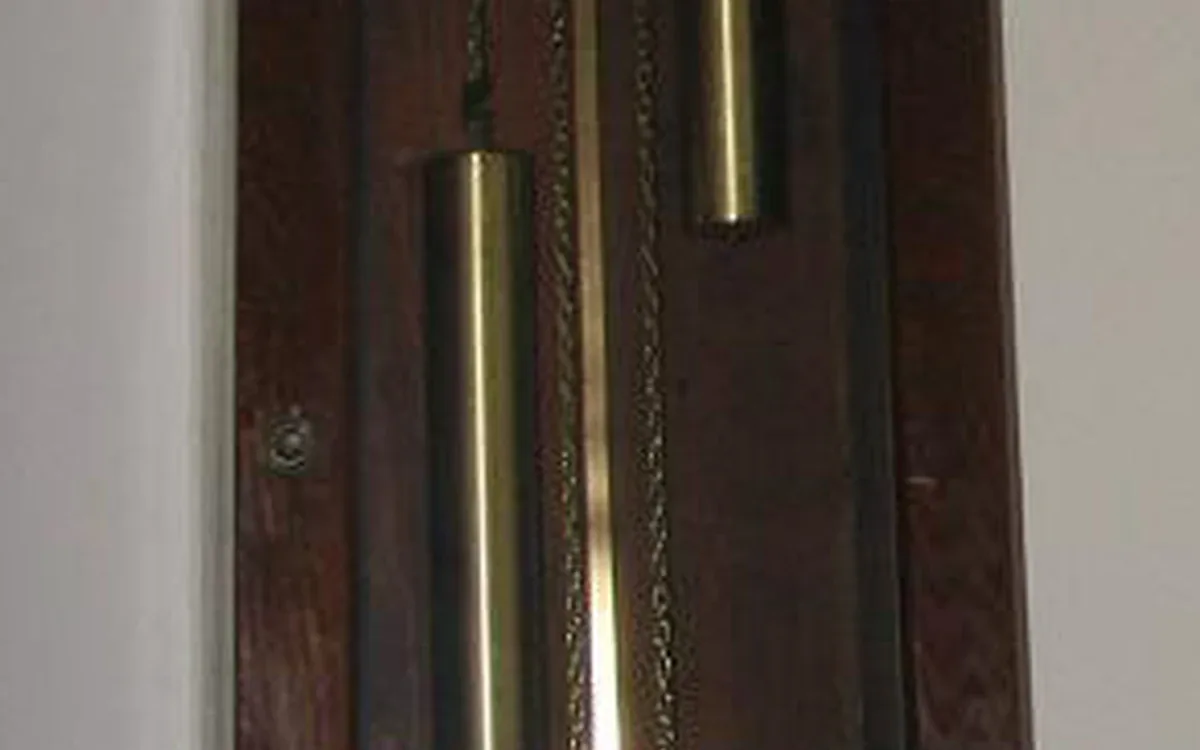
Move a grandfather clock by arranging model-specific preparation with a qualified clockmaker, confirming that the carrier accepts the prepared clock, and planning specialist setup at the destination. The household chooses where the clock goes and authorizes the work. The clockmaker determines how its mechanism and components should be handled; the carrier plans protection, lifting, loading, and transport.
Quick answer
- Identify the clock using accessible labels, records, and photographs.
- Have a clockmaker specify preparation and arrival requirements for that particular clock.
- Confirm the carrier’s scope, packing responsibilities, and acceptance requirements in writing.
- Keep the clock, any separately packed components, and their records connected through each handoff.
- Arrange destination inspection and setup before anyone tries to run the clock.
For a South Carolina household transition, the central issue is making sure each provider receives and accepts the previous provider’s instructions. A family heirloom needs more than a label saying “fragile.”
Why does the clock’s exact model matter?
A grandfather clock’s tall cabinet does not tell you how its movement, glass, decorative pieces, or internal components should be prepared. Similar-looking clocks can have different requirements. Previous repairs or alterations may also affect the clockmaker’s advice.
Start with information you can gather without opening unfamiliar assemblies or moving the clock:
- Manufacturer and model information visible on accessible labels.
- Manuals, purchase paperwork, and repair records.
- Photographs of the cabinet, dial, visible labels, and existing damage.
- Notes about whether the clock currently runs, stops, or makes an unusual sound.
- Any known modifications or missing pieces.
Send that information to the clockmaker and carrier before they finalize their plans. If identification remains uncertain, ask whether an assessment is needed before a transport proposal can be confirmed.
Avoid applying an online disassembly video to a clock that merely looks similar. Removing weights, pendulums, glass, or movement parts is not a universal household task. Ask the clockmaker which components require attention, who should handle them, and what documentation must follow them.

Define the handoff before booking transport
Preparation, carriage, and setup may involve separate providers. A move coordinator can help the household organize those conversations, but coordination does not establish technical responsibility for the clock.
Ask each provider to describe what they will deliver to the next person. “Ready to move” should have a shared meaning: the clockmaker has completed the agreed preparation, and the carrier has confirmed that this condition meets its requirements.
Useful questions include:
- Who prepares the mechanism and records its condition?
- Who supplies and applies the agreed protective packaging?
- Who accepts custody of separately packed components?
- Who confirms that the delivery location is accessible?
- Who inspects and sets up the clock after delivery?
Clutter Cleaner of South Carolina’s move management service is an approved service to discuss within a broader household transition. Ask about the agreed coordination scope; do not assume clock repair, specialist packing, or transport is included.
Put provider names and responsibilities in one written plan. If both providers expect the other to do a particular task, resolve that gap before collection.
Choose the destination before the clock leaves
The household can decide whether to keep the clock, give it to an agreed recipient, or consider a sale. That choice determines who authorizes work, where delivery occurs, and who receives the specialist instructions.
For a clock involved in an estate, a family preference may not establish authority to move or transfer it. Ownership, executor powers, beneficiary disputes, and legal permissions belong with the responsible estate representative and legal adviser.
The guide to the best way to clean out an estate provides a related starting point when the clock is part of a larger property transition. Keep its destination decision distinct from the general sorting process.
Before confirming delivery, establish:
- The recipient’s agreement to accept the clock.
- The intended room and access route.
- Whether the destination will be available for specialist setup.
- Who will pay each separate provider and approve changes.
- Where the paperwork and family history will be kept.
If sale value affects the decision, consult an appropriate appraiser. A cleanout team or carrier’s opinion is not a substitute for a formal appraisal.
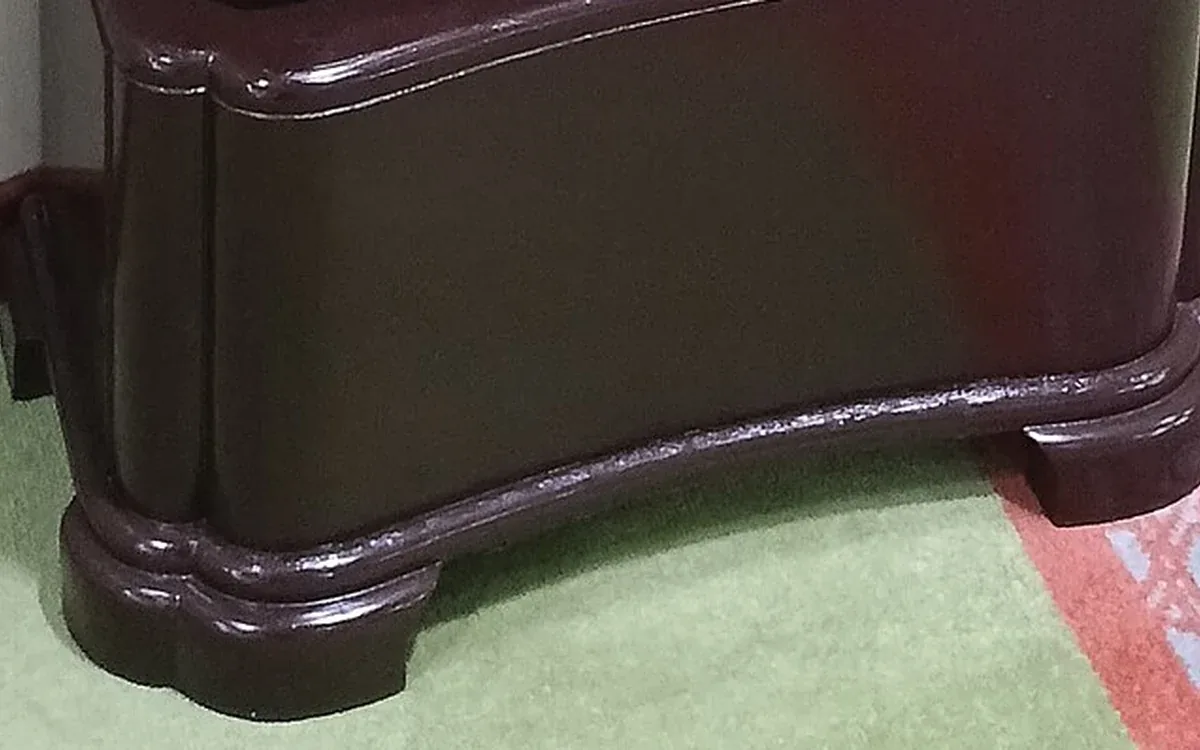
What should the clockmaker tell the carrier?
Request a written preparation record that connects the actual clock to the carrier’s transport plan. The record should identify the clock and explain the clockmaker’s requirements without expecting the household to interpret specialist terms.
Ask the clockmaker to address the condition of the mechanism, any vulnerable or altered features, and any components handled separately. Where parts are packed apart from the cabinet, their identity and intended destination should remain clear.
A useful handoff record can include:
- Photographs showing the condition before preparation.
- An inventory of separately packed items and their package labels.
- Handling restrictions specific to the model and its condition.
- Instructions about who may unpack or set up the clock.
- Contact details for questions during collection or delivery.
The carrier should review and accept those requirements before arriving. If its proposed equipment, packaging, or transport position conflicts with the clockmaker’s advice, the providers need to resolve the conflict directly.
Do not ask family members to improvise a compromise. For example, if the carrier requests a change to prepared components, pause that part of the handoff and obtain the clockmaker’s direction. Photograph and record agreed changes so the receiving specialist knows what happened.
Plan the route through both homes
The carrier needs information about the whole access route, not just the clock’s height. A cabinet may fit in a room yet present a problem at a landing, turn, threshold, or vehicle loading point.
Provide photographs and measurements requested by the carrier. Ask it to assess the route and decide what staffing, equipment, and protection are appropriate.
Discuss practical conditions at both properties:
- Door openings, corridor turns, stairs, and landings.
- Uneven surfaces, thresholds, and obstructions.
- Vehicle access and the proposed loading location.
- Protection for floors, walls, and the clock’s finish.
- Weather exposure between the building and vehicle.
In Charleston or elsewhere in South Carolina, confirm actual property arrangements with the owner, building manager, or relevant authority. Do not assume a parking, elevator, or access rule applies simply because of the city.
The household can clear ordinary clutter and keep children and pets away from the working route. Door removal, structural alterations, or other contractor work require a separate scope with the responsible provider. Property condition questions belong with an appropriate inspector or qualified professional; compliance determinations remain with the relevant authority.
Check the carrier’s proposal against the clockmaker’s plan
A carrier’s willingness to move a tall item does not establish that it has accepted the requirements for this particular clock. Describe the item accurately and provide the preparation record before accepting the proposed scope.
Ask how the carrier will protect the cabinet and glass, keep packages identified, and manage transfers between people or vehicles. Transport position and restraint methods should follow the agreed model-specific plan rather than a general rule from this article.
Review the written proposal for:
- The exact item and separately packed components being accepted.
- Packing and unpacking responsibilities.
- Any intermediate handling or storage.
- Delivery access assumptions.
- Procedures for documenting damage or a missing package.
Ask the carrier to explain its declared-value, liability, or insurance terms, including exclusions relevant to the mechanism. Take coverage questions to the carrier or insurer; a move team should not interpret legal rights or promise reimbursement.
If a provider cannot meet a documented requirement, ask for an alternative proposal before the clock leaves. The household can choose a different provider or revise the destination plan with specialist input.
Keep custody clear during an estate or downsizing move
The clock may leave the home while other belongings are being sorted, sold, or removed. Give it a distinct destination record so neither the cabinet nor its packages enter the wrong stream.
Use matching labels and an inventory to connect the cabinet, packed components, keys, manuals, and preparation record. Put labels on protective packaging where appropriate; ask the specialist before applying anything directly to a finish.
At collection, record who accepts the clock and each package. At delivery, the recipient should compare what arrived with that inventory. Photographs help record condition, but they do not establish mechanical readiness.
If storage is necessary, the household must choose a separate storage arrangement. Ask the clockmaker about suitable conditions and preparation, and ask the storage provider about access, handling, and coverage. Neither storage nor specialist preservation should be assumed to be included in move management.
Likewise, any sale, donation, or disposal decision needs an authorized owner or estate representative. Keep appraisal, sales-provider, and disposal-provider decisions separate from the transport handoff.
What happens when the clock reaches its new home?
Delivery and setup are different milestones. Agree beforehand who may unpack the clock, who will place it in its final position, and who will assess it before operation.
The recipient can check the cabinet’s visible condition and account for labeled packages. Record concerns using the carrier’s stated reporting procedure, and contact the clockmaker about mechanical questions.
Keep the arrival process focused:
- Compare delivered items with the preparation inventory.
- Record visible damage before packaging is discarded.
- Preserve relevant packaging if a provider requests it for review.
- Give the receiving clockmaker the preparation record.
- Obtain specialist direction before assembly, adjustment, or operation.
Do not wind, restart, or adjust a clock simply to test whether it survived transport. Ask the clockmaker what inspection and setup this model requires.
If the planned room changes, tell both providers. A different floor surface, access route, or placement may require a revised plan. The household chooses its preferred location; the responsible professionals assess whether the proposed placement and setup are suitable.
Short FAQ
Can we move the clock ourselves?
Ask a clockmaker to assess this specific clock and the proposed move first. Household willingness to lift it does not resolve preparation, protection, or setup requirements. Let the assessment guide your choice of carrier.
Does a nonworking clock still need specialist preparation?
Its failure to run does not show that its parts are safe for transport. Explain its condition to the clockmaker and carrier so they can plan handling without assuming the mechanism is secure.
Is clock moving automatically part of move management?
Confirm the written scope. Coordination, clockmaker work, carriage, storage, and appraisal are separate responsibilities unless the relevant provider expressly agrees otherwise.
Clutter Cleaner of South Carolina is physically located in Mount Pleasant, SC, with Charleston as its primary market and an approved service territory covering all of South Carolina. Call (843) 972-7020 to discuss move management for your household transition, including which coordination tasks fall within the agreed scope.
Photo credits
- Brass-colored fittings behind glass in a wooden clock case: Original uploader was Quadell at en.wikipedia Later version(s) were uploaded by Evertype at en.wikipedia.. Original photograph, CC BY-SA 3.0. Cropped and resized.
- Dark wooden clock cabinet against a brick wall: Malcolmxl5. Original photograph, CC0. Cropped and resized.
- Curved wooden base of a tall clock: M. Adrian Jurhami. Original photograph, CC BY 4.0. Cropped and resized.






