

A vacant house should be secured, kept functional, cleared of unwanted contents, cleaned, inspected regularly, and documented before it is listed. The household can manage access, belongings, utilities, and routine upkeep, while real-estate, legal, appraisal, inspection, contractor, and compliance decisions should remain with the appropriately qualified professional or authority.
Quick answer: Start by confirming who may enter and make decisions. Secure doors and windows, control all keys and codes, ask the listing agent and insurer which utilities should remain active, remove unwanted contents, clean the property, address visible maintenance concerns, and create a repeatable inspection plan. Keep records of access, work, receipts, and changing property conditions.
This approach applies throughout South Carolina, including the Charleston area. Property-specific requirements may differ, so a vacant-house plan should reflect the insurer’s terms, utility arrangements, governing documents, and guidance from the responsible real-estate and legal professionals.
What should you do first when a house becomes vacant?
Begin with authority and access, not decorating or repairs. Identify the owner or authorized decision-maker and confirm who may approve work, discard property, hire providers, or communicate with an agent.
Then create a simple property file containing:
- The address and current ownership contact
- Names of authorized decision-makers
- Listing-agent and property-manager details, if applicable
- Insurance and utility contact information
- Key, garage remote, gate, and alarm records
- Contractor and vendor contact details
- Photos showing the property’s starting condition
- Receipts, estimates, inspection reports, and work approvals
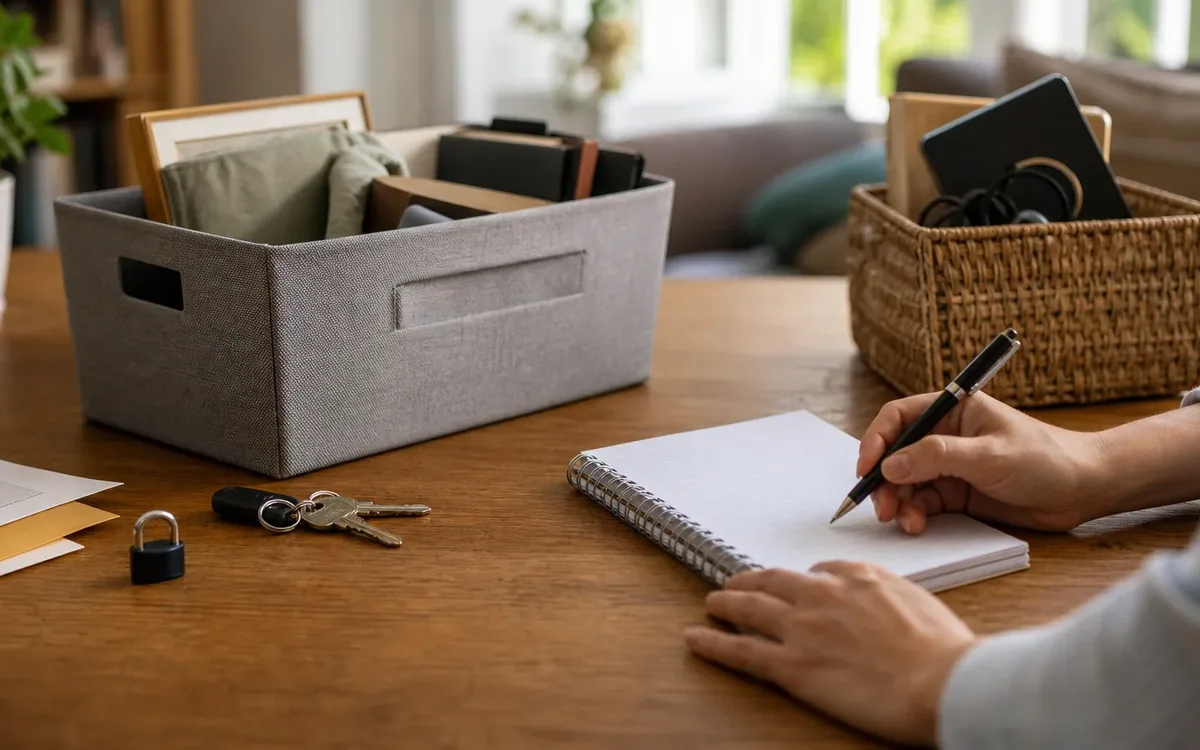
Do not distribute keys casually. Use a written access log that records the person’s name, reason for entry, date, and which key or code was used. When someone no longer needs access, retrieve the key or change the relevant code.
Walk through the house and note obvious concerns without trying to diagnose them. Look for open windows, active leaks, unusual odors, standing water, damaged locks, pest evidence, and heating or cooling problems. Photograph conditions before belongings are moved or work begins.
The household can decide who receives access within its authority. An attorney should interpret ownership disputes, probate restrictions, powers of attorney, contracts, or unclear authority. A listing agent can discuss showing access and buyer expectations. An insurer decides how the policy treats vacancy and what precautions it requires.
How should access and security be managed?
A vacant property’s access plan should be controlled but practical. The aim is to prevent unauthorized entry while allowing approved agents, inspectors, appraisers, contractors, cleaners, and household representatives to do their work.
Review these access points:
- Exterior doors, deadbolts, and strike plates
- Window latches and accessible basement or crawl-space entries
- Garage doors, remotes, and exterior keypads
- Gates, sheds, workshops, and detached structures
- Alarm, smart-lock, camera, and thermostat accounts
- Lockboxes used for authorized real-estate access
Avoid hiding keys on the property. Remove old codes and access permissions when appropriate, especially those associated with former occupants, household workers, or previous smart-home users.
Keep entry areas clear. Agents and professionals should not have to step over boxes, loose rugs, cords, or discarded materials. Confirm that interior doors do not trap visitors in rooms and that hallways and stairs are safely passable.
Security choices should be coordinated with the property’s insurer and listing agent. A practical cleanout or move team may discuss how workers will enter, who will meet them, where items can be staged, and how the house will be locked after work. That team should not interpret insurance coverage, set showing rules, approve surveillance practices, or decide whether a particular security installation complies with law or an association’s requirements.
Which utilities should stay on in a vacant house?
Do not shut off every utility automatically. Electricity, water, gas, internet, irrigation, or monitoring services may support climate control, lighting, leak detection, cleaning, inspections, landscaping, appliance operation, and showings. On the other hand, unnecessary active systems may create cost or risk.
Ask the appropriate parties about each account:
- Electricity: Consider lighting, climate control, alarms, sump equipment, dehumidification, and inspection needs.
- Water: Consider cleaning, toilets, irrigation, leak risk, and inspection requirements.
- Gas: Confirm whether heating or other essential equipment depends on it.
- Internet or monitoring: Decide whether cameras, alarms, leak sensors, or smart thermostats require service.
- Trash and recycling: Check whether regular collection is needed during cleanout and preparation.
The household can choose account contacts and payment arrangements. The listing agent can explain what active utilities buyers and inspectors may need. Licensed tradespeople should evaluate equipment or perform disconnection, winterization, reconnection, and repair when applicable. Utility providers control their service procedures. The insurer should clarify any vacancy-related conditions.
Do not present a universal thermostat setting or utility configuration as correct for every South Carolina property. Coastal humidity, inland weather, building design, equipment condition, and insurer requirements can affect the appropriate approach. Ask a qualified HVAC professional about climate settings when system performance or moisture control is uncertain.
For a broader overview of clearing belongings before property preparation, see how clean should a house be for showings. Although that guide addresses estate cleanouts, its sorting and access principles can also help households organize a vacant-home project.

Build a cleanout plan around the sale goal
A vacant house is not necessarily an empty house. Closets, cabinets, attics, garages, sheds, and outdoor areas may still contain personal property. Clear decisions about those items should come before deep cleaning, photography, or cosmetic work.
Use four working categories:
- Keep or move: Label the destination and identify who will arrange transport.
- Sell or evaluate: Separate potentially valuable items for an auction professional, estate-sale provider, specialist dealer, or qualified appraiser.
- Donate or transfer: Confirm that the chosen recipient accepts the item before arranging delivery.
- Dispose or recycle: Follow provider rules and applicable local requirements for ordinary waste, electronics, chemicals, paint, fuel, medication, and other restricted material.
Storage is a household decision made with a separate storage provider. Compare access needs, insurance, environmental conditions, contract terms, and total volume before moving belongings into a unit. Storage can postpone a decision rather than solve it, so label containers and maintain an inventory.
An appraiser, auctioneer, estate-sale company, or specialty dealer should advise on value within that professional’s role. A cleanout crew can follow approved sorting instructions, but it should not make legal ownership decisions or guarantee sale value.
Households that want coordinated help can review the statewide home sale preparation service offered by Clutter Cleaner of South Carolina. Scope should be discussed for the specific property rather than assumed from a general service description.
What upkeep does a vacant property need before listing?
Vacant does not mean maintenance-free. Small problems can go unnoticed when no one lives in the house, so assign a named person to inspect it and record what they observe.
A repeatable visit can cover:
- Signs of water intrusion or plumbing leaks
- Interior temperature and unusual humidity or odors
- Pest activity or animal entry
- Doors, windows, gates, and locks
- Fallen limbs, blocked paths, and visible exterior damage
- Mail, notices, deliveries, and door hangers
- Alarm, detector, or monitoring alerts
- Landscaping condition and irrigation concerns
- Trash, dumping, or unauthorized occupancy indicators
Use a consistent photo set. Images of the same rooms, ceilings, utility areas, and exterior elevations make changes easier to identify. Record the visit date, person entering, observations, and any follow-up assigned.
Do not ask an unqualified visitor to diagnose structural movement, mold, electrical hazards, plumbing failures, roof defects, pest infestations, or HVAC issues. Their task is to observe and report. Qualified inspectors and licensed contractors should evaluate concerns and recommend work within their professions.
Routine housekeeping can include dust removal, floor care, appliance cleaning, bathroom cleaning, glass cleaning, and removal of cobwebs. Exterior work may include mowing, trimming, sweeping entries, and collecting loose debris when arranged with an appropriate provider. Avoid masking odors without identifying their source.
Separate cleaning, repairs, inspections, and compliance
These tasks overlap in sequence but not in responsibility. Keeping them separate reduces confusion about who is deciding what.
Cleaning addresses dirt, residue, and presentation. The household can define the desired scope and approve a cleaner.
Repairs change or restore the property. Contractors should evaluate the work, discuss methods, obtain required approvals or permits, and perform tasks allowed within their qualifications.
Inspections assess condition. A qualified home inspector or specialist reports findings within the inspection agreement. The inspector does not decide the seller’s negotiation strategy.
Code or association compliance concerns requirements imposed by a government body or governing organization. The responsible authority determines whether a condition complies and what documentation or correction is required. A support provider may help organize access, remove approved items, or coordinate household tasks, but cannot issue an official compliance determination.
Appraisal is an independent valuation function. The appraiser determines the applicable process and conclusions. Cleaning, decluttering, or providing access may support readiness, but no cleanout or move team should promise a particular appraised value.
Real-estate strategy belongs with the seller and licensed real-estate professional. They can discuss listing condition, disclosures, marketing, photography, showing readiness, offers, and negotiation.
Legal decisions belong with the owner and qualified attorney when needed. This includes disputed ownership, title questions, contract interpretation, disclosure obligations, occupant removal, and authority to sell or discard property.
Prepare rooms for photography and showings
Once contents and repairs are addressed, evaluate the house from the entry path a buyer is likely to follow. The goal is not to make the property look occupied. It is to make its condition, layout, and storage areas easy to understand.
Focus on:
- Clear walkways and visible floor area
- Empty or orderly countertops
- Clean sinks, tubs, showers, and toilets
- Closets and cabinets that open safely
- Working light fixtures where utilities are active
- Accessible electrical panels, mechanical equipment, and attic entries
- Clean windows and unobstructed views where practical
- Neutral odors and removal of odor sources
- Tidy porches, steps, driveways, patios, and yards
- Removal of personal documents, keys, medication, and valuables
Ask the listing agent whether any furnishings should remain for presentation. If staging is recommended, a staging provider should define its inventory, delivery, access, insurance, and removal terms. Moving items into storage, hiring a stager, and leaving selected furniture are separate household choices.
Before photography or a showing, perform a final access check. Confirm that approved doors open, keys work, lights can be operated, trip hazards are removed, and private or unsafe areas are handled according to the agent’s plan. The listing professional should decide how the property is marketed and which features or conditions must be disclosed.
Keep a clear handoff record
A sale-preparation project often involves several people. One shared record can prevent duplicate work and missed approvals.
Include:
- Current key and code holders
- Utility status and account responsibility
- Items remaining in the house and their disposition
- Contractor estimates, approvals, invoices, and warranties
- Inspection and appraisal appointments
- Cleaning and grounds-maintenance notes
- Open issues and the person responsible for each
- Before-and-after photos
- Receipts for moving, storage, donation, or disposal
- Dates when access permissions change
At each handoff, state what is complete, what remains unresolved, and who has authority over the next decision. Do not label a property as compliant, repaired, safe, insurable, or market-ready unless the person responsible for that conclusion has made it.
Clutter Cleaner of South Carolina is based in Mount Pleasant and serves households statewide. For a vacant-house project, a practical discussion may cover approved item removal, organizing, move coordination, access logistics, and preparation tasks. Legal interpretation, valuation, contracting, inspection conclusions, listing strategy, and official compliance findings remain with the appropriate professionals or authorities.
Short FAQ
Should all furniture be removed from a vacant house?
Not automatically. The household and listing agent can decide whether selected furnishings help presentation or create clutter. Confirm ownership before removal, and use a staging, moving, donation, sale, storage, or disposal provider according to the chosen outcome.
Can the water be turned off while the house is listed?
It depends on the property, season, equipment, inspection needs, insurer’s terms, and utility procedures. Ask the insurer, listing agent, utility provider, and a qualified plumbing or mechanical professional before changing service.
Who should check the property after it is vacant?
Assign a reliable, authorized person or contracted property professional. Define what they should observe, how they document entry, and whom they contact when they find a concern. They should report suspected technical problems rather than diagnose them.
Does a cleanout prove the home is ready to sell?
No. A cleanout removes or organizes approved contents. The seller, listing professional, inspectors, contractors, appraiser, attorney, insurer, and relevant authorities each handle different decisions affecting the sale.
What should remain in the house file after closing?
Keep records required by the transaction and those recommended by the responsible legal, tax, insurance, and real-estate professionals. These may include contracts, invoices, receipts, reports, warranties, access records, and documentation of property-related work.



