A showing-ready home does not need to look untouched. It should feel cared for, easy to walk through, and simple for a visitor to understand. If you are wondering how clean should a house be for showings, focus first on visible dirt, odors, cluttered surfaces, and anything that makes a room feel hard to use.
The exact preparation plan belongs to the homeowner and the real estate professional handling the listing. Some homes need routine tidying. Others need specialized cleaning, repairs, pest work, or professional attention that falls outside organizing support. Name those needs early instead of asking one vendor to stretch beyond its role.
How clean should a house be for showings?
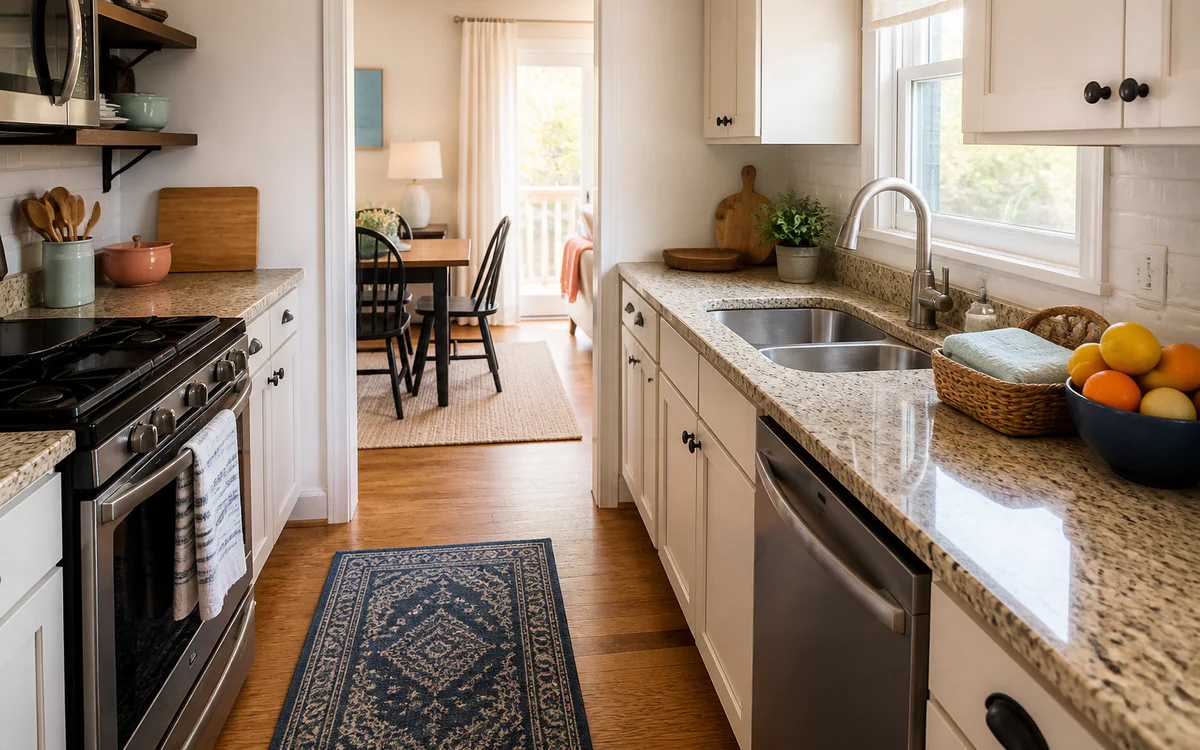
A showing-ready house should have clean visible surfaces, usable walkways, orderly rooms, and no avoidable odor that distracts from the space. Kitchens and bathrooms deserve close attention. The homeowner and listing professional should decide the final standard and any work that needs a specialized cleaner or trade. For the related service scope and planning steps, review our home sale preparation support and pre-listing preparation checklist.
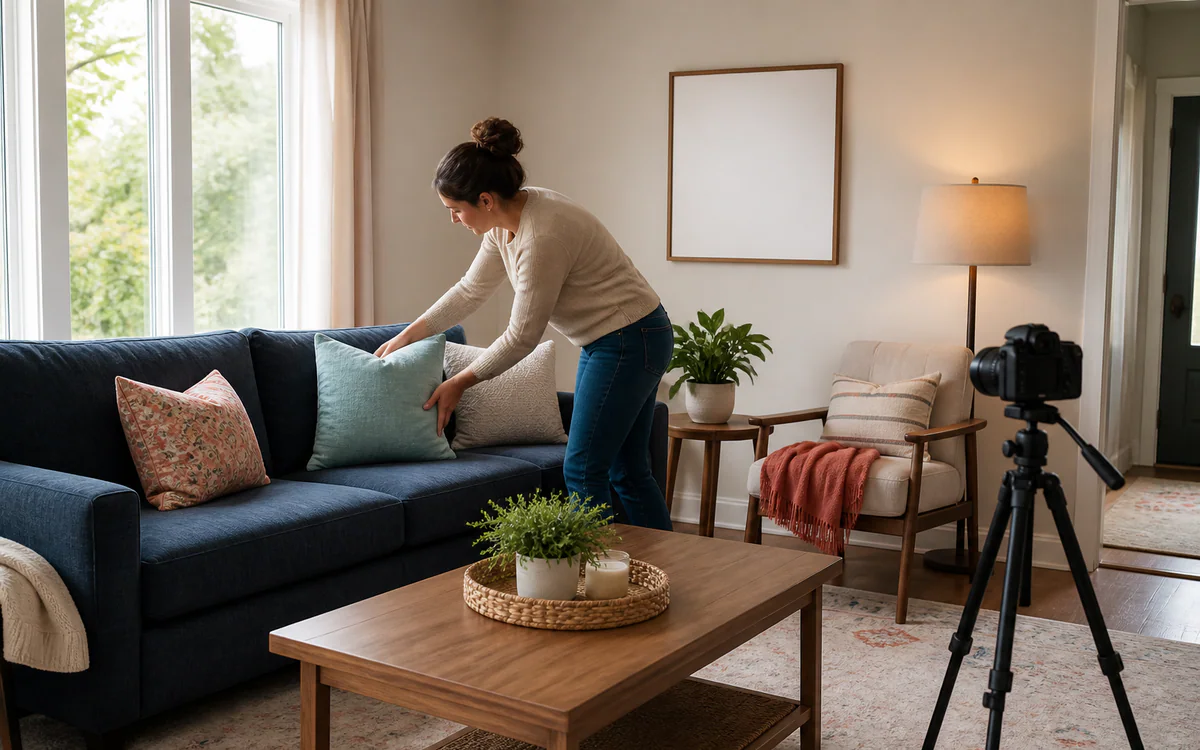
Think in layers. The first layer is safety: clear pathways, secure loose cords, remove unstable stacks, and keep steps visible. The second is ordinary cleanliness: vacuumed or swept floors, wiped counters, clean sinks, and a bathroom a guest could comfortably use. The third is presentation: reducing approved personal clutter so the room’s purpose is obvious.
Perfection is not the goal. A frantic attempt to polish every corner can pull time away from more visible work. Start where a visitor’s eyes and feet will go. Look at the entrance, main living areas, kitchen, primary bedroom, bathrooms, and the route between them.
Match the task to the right provider
Sorting and organizing are different from deep cleaning, carpet treatment, mold assessment, pest control, painting, electrical work, or repairs. If you see staining, damaged materials, an active leak, suspected hazardous material, or another technical concern, pause and contact a qualified provider. Do not hide the condition behind furniture or boxes.
Clutter Cleaner can support owner-approved sorting and Home Sale Preparation. That support does not determine disclosure duties, repair requirements, listing strategy, or what a buyer may think. No amount of organizing guarantees a faster sale, a higher offer, or a successful closing.
Use clean containers for belongings that remain in the home. Label them by room and purpose. Avoid piling everything into a garage or closet, because those spaces may also be viewed. If items leave the property, keep an owner-approved inventory and destination plan.
Do a final check in daylight and with the home’s normal interior lighting. Dust, fingerprints, and crowded corners often look different under those conditions. A short, calm review is more useful than a last-minute rush.
How to prep your house for showings?
Prepare a house for showings by agreeing on priorities, clearing safe paths, organizing belongings, cleaning visible areas, and securing private items. Build the work around the showing schedule. Let the owner and real estate professional approve presentation choices, and send repairs or specialized cleaning to qualified providers. Related South Carolina planning tools include our home sale preparation support and pre-listing preparation checklist.
Begin with a written room list. Mark each space as ready, needs organizing, needs ordinary cleaning, or needs professional attention. The pre-listing checklist can help you record tasks without turning the whole property into one vague project.
Give every belonging a real destination
Loose objects create repeat work. If something stays, assign it a drawer, shelf, labeled box, or approved storage area. If the owner has not decided, place it in a clearly marked review zone. Do not treat uncertainty as permission to donate, sell, or discard.
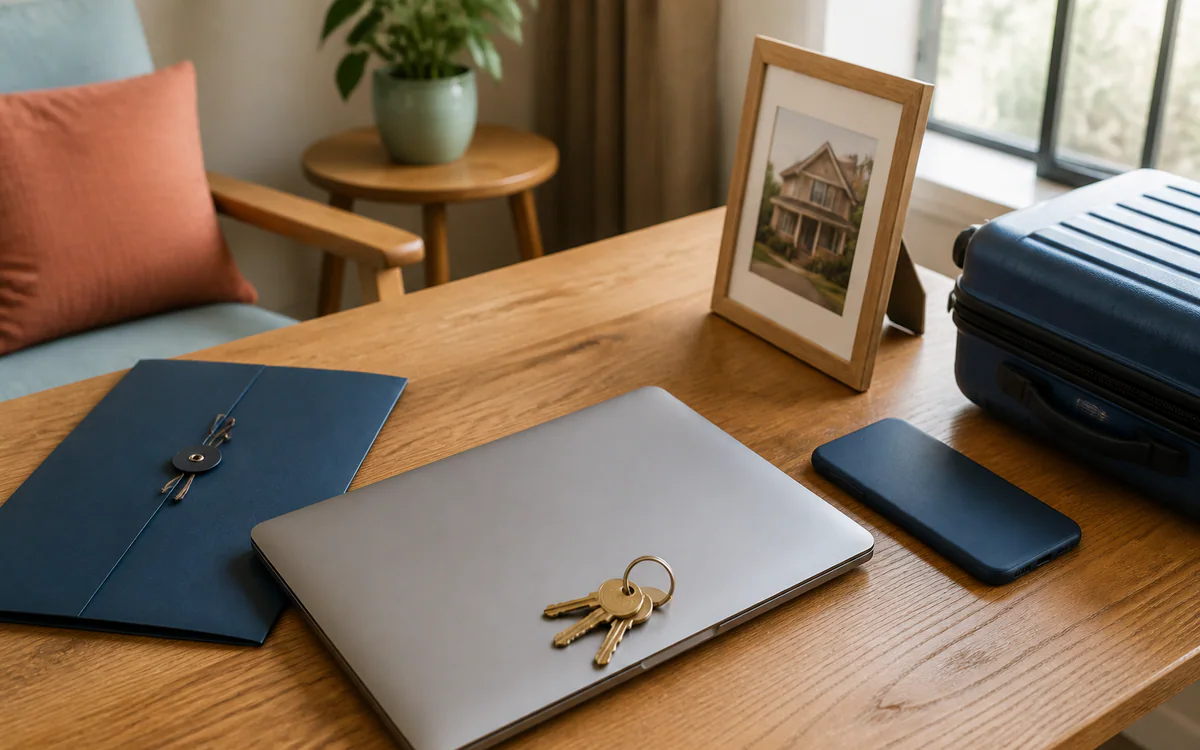
Keep these items out of view and secure:
- Prescription and over-the-counter medication
- Financial statements and tax records
- Identification and travel documents
- Spare keys and access devices
- Portable valuables
- Private family correspondence
Ask the listing professional how showings will be managed. Confirm expectations for pets, alarms, doors, lights, and temperature controls. An organizing team should not take responsibility for access or security unless that duty is explicitly approved and within its role.
The National Association of Realtors provides general consumer information about staging a house for sale. Its overview can help frame a conversation with your own listing professional. It does not decide which rooms to change or how much to spend on your property.
Before photos or the first showing, step outside for a few minutes, then reenter through the main door. That small reset helps you notice crowded surfaces, blocked sightlines, or a smell you had stopped noticing. Write down only the next few fixes. Finish those before creating a longer list.
How to make a house smell good before showings?
A house should smell neutral and clean, not heavily scented. Remove the source of odors, empty trash, wash affected fabrics, and allow fresh air when conditions permit. Avoid masking a persistent smell with strong fragrance. Ask a qualified provider to assess moisture, smoke, pests, or other concerns. To turn this answer into a practical plan, compare home sale preparation support with the pre-listing preparation checklist.
Fragrance can create a new problem. Buyers may dislike a scent, have allergies, or wonder what it is covering. Scented sprays, plug-ins, candles, and simmering food do not repair the cause of an odor. Start with ventilation and ordinary cleaning that fits the material involved.
Trace odor to its source
Check common, manageable sources first: trash cans, garbage disposals, pet bedding, damp towels, forgotten food, shoe areas, and laundry. Clean only with products suitable for the surface, and follow product instructions. Never mix household chemicals.
If the smell returns, treat that as useful information. A recurring damp odor, sewage smell, burning scent, fuel odor, or widespread smoke residue needs more than a quick freshening. Tell the owner and contact an appropriate professional. Do not make a technical diagnosis or promise that cleaning will solve it.
Soft items hold odor. Curtains, rugs, upholstered furniture, and stored clothing may need washing, airing, approved removal, or professional treatment. Decide what stays before paying to treat an item that the owner plans to move.
Allow enough time for cleaned surfaces and fabrics to dry. Closing a damp room can bring the smell back. In South Carolina’s humid conditions, airflow and drying time matter, but the correct response still depends on the material and source.
Use an unscented final check. Empty bins, remove cleaning cloths, and store chemicals safely. The best result is a room that does not call attention to smell at all.
When to start preparing to sell a house?
Start preparing as soon as the owner decides a sale is a realistic possibility, even if the date is not final. Early work should focus on decisions, documents, and a room-by-room inventory. The listing professional can set market timing. A preparation plan should leave space for qualified advice and owner approval. For additional planning context, see home sale preparation support and the pre-listing preparation checklist.
Preparation does not need to begin with demolition or a shopping list. Start with information. Identify who owns the property, who may approve work, which items must remain, and which areas need review. If an estate, trust, divorce, tenant, or other authority question exists, obtain appropriate guidance before moving belongings.
AARP’s home-sale countdown checklist offers broad planning ideas that begin well before listing. Use it to prompt questions, then tailor the schedule with the professionals responsible for your transaction.
Work backward from decision dates
Ask the listing professional when photography, listing, inspections, and showings may occur. Those dates help you set internal deadlines for sorting and ordinary preparation. Build a buffer between tasks. Owners often need time to review photographs, ask family members, or choose what moves.
A practical order is:
- Confirm decision authority.
- Protect records and valuables.
- Inventory rooms and storage.
- Sort owner-approved belongings.
- Schedule specialized work.
- Complete ordinary cleaning.
- Review the showing route.
Each list item stays simple because the explanation belongs in the plan. Add a name and date beside every task. “Family” is not an owner. “Soon” is not a deadline.
If time is short, narrow the scope rather than lowering the care standard. Prepare the most visible rooms, protect private belongings, and communicate what remains unfinished. A truthful status update is safer than hiding unfinished work.
Where to put stuff when selling a house?
Put belongings in owner-approved, labeled destinations: the next home, secure storage, a review area, or an approved donation or sale path. Avoid stuffing items into closets, garages, or cabinets without a record. Storage choices should protect access, privacy, and the home’s safe use. The next steps connect to our home sale preparation support and pre-listing preparation checklist.
Start by asking what the owner needs during the sale period. Daily clothing, medications, work supplies, mobility equipment, pet items, and essential kitchen goods need convenient locations. A staged room should not make the home unsafe or impossible to live in.
Use a four-zone sorting system
Create four clearly marked zones:
- Keep in daily use
- Pack for the move
- Hold for owner review
- Release after written approval
The release zone may later split into donation, sale, recycling, or other destinations selected by the owner. Do not skip the approval step. A label is not evidence of ownership, value, or permission.
Choose storage that does not block exits, electrical panels, utilities, stairs, or service access. Keep heavy boxes low. Do not stack containers where they can fall. Follow the storage provider’s rules for prohibited items, insurance, and access.
Photograph labeled groups when the owner is remote, but avoid including sensitive documents or account information. Record the date, room, and destination. A short inventory makes move-out much easier than a wall of anonymous boxes.
Keep the home ready between visits
One clean afternoon does not carry a home through several days of showings. Create a brief reset routine that fits the occupants. Put daily items back in their assigned places, wipe the most visible kitchen and bathroom surfaces, empty small bins, check floors near the entrance, and restore the agreed lighting or window-covering positions. The listing professional should control showing instructions.
Use a small basket or labeled container for items that appear during the day. Empty it after the showing instead of letting it become permanent hidden clutter. If children, pets, mobility needs, or work-from-home equipment are involved, build the reset around those realities.
Keep cleaning products safely stored and never mix them. Allow damp surfaces to dry before closing doors or replacing rugs. If a smell, stain, leak, pest issue, or damaged material returns, tell the owner and send it to an appropriate provider rather than repeating a cosmetic fix.
After the last scheduled visit, restore the home’s normal safe setup. A showing routine should support the sale period without leaving occupants unable to find medication, food, keys, or essential equipment.
Before the first showing, walk every main path. Open the doors and cabinets that the listing professional expects visitors to see. If stored belongings spill into those areas, the storage plan needs one more pass.
Write the reset routine on one page and keep it where occupants can use it. A repeatable five-minute check is more useful than a perfect setup nobody can maintain.
A clean home for showings is really an organized set of decisions. Protect what matters, give each item a destination, and let the right professional handle work outside ordinary preparation. That approach makes the house easier to present without pretending that preparation can control the sale’s outcome.