How to stage a house for real estate photos?
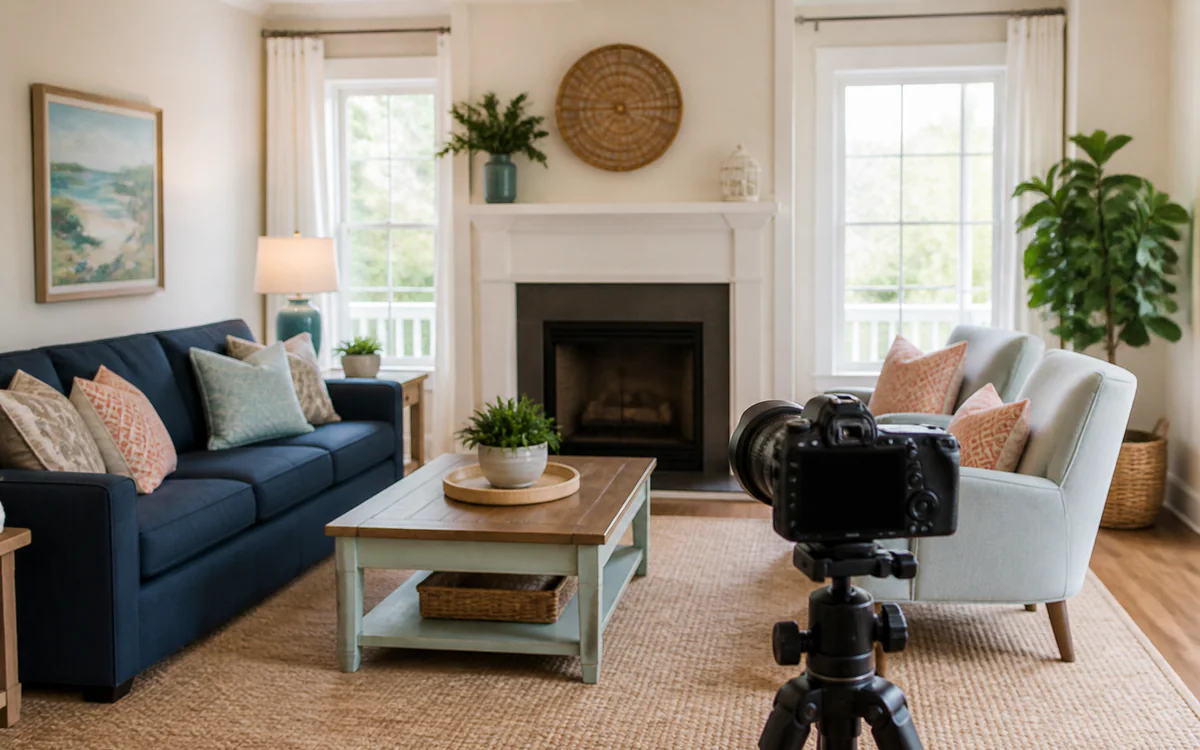
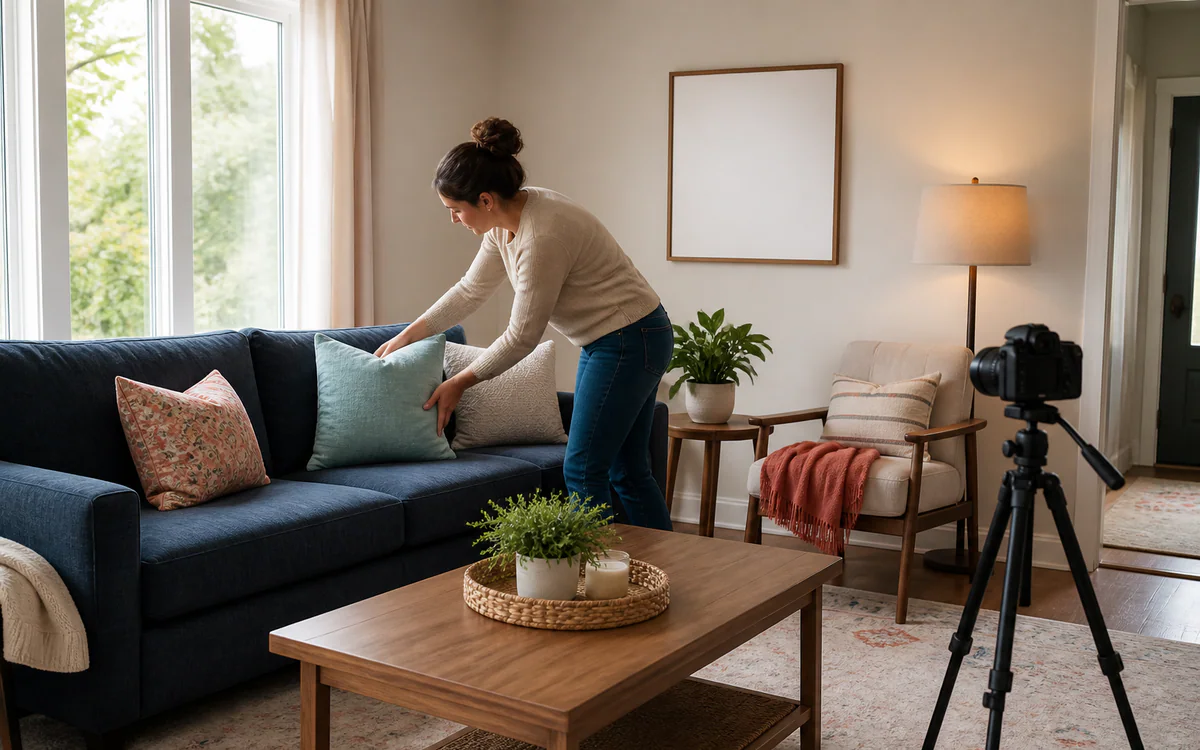
Start by taking out extra furniture and belongings. Each room needs some open floor and clear sightlines. Then add a few calm touches, such as a folded throw or fresh towels. The room can still look lived in and cared for. It just should not have clutter that fights with the space itself. For the related service scope and planning steps, review our home sale preparation support and pre-listing preparation checklist.
Start with less, not more
Most rooms look better in photos with fewer objects than the family uses each day. Take out an extra chair or a stack of papers. Clear one full shelf. Those steps often help more than adding new decor. A pre-listing checklist can guide the work room by room. It also helps you catch small tasks before the photographer arrives.
Add a few intentional touches
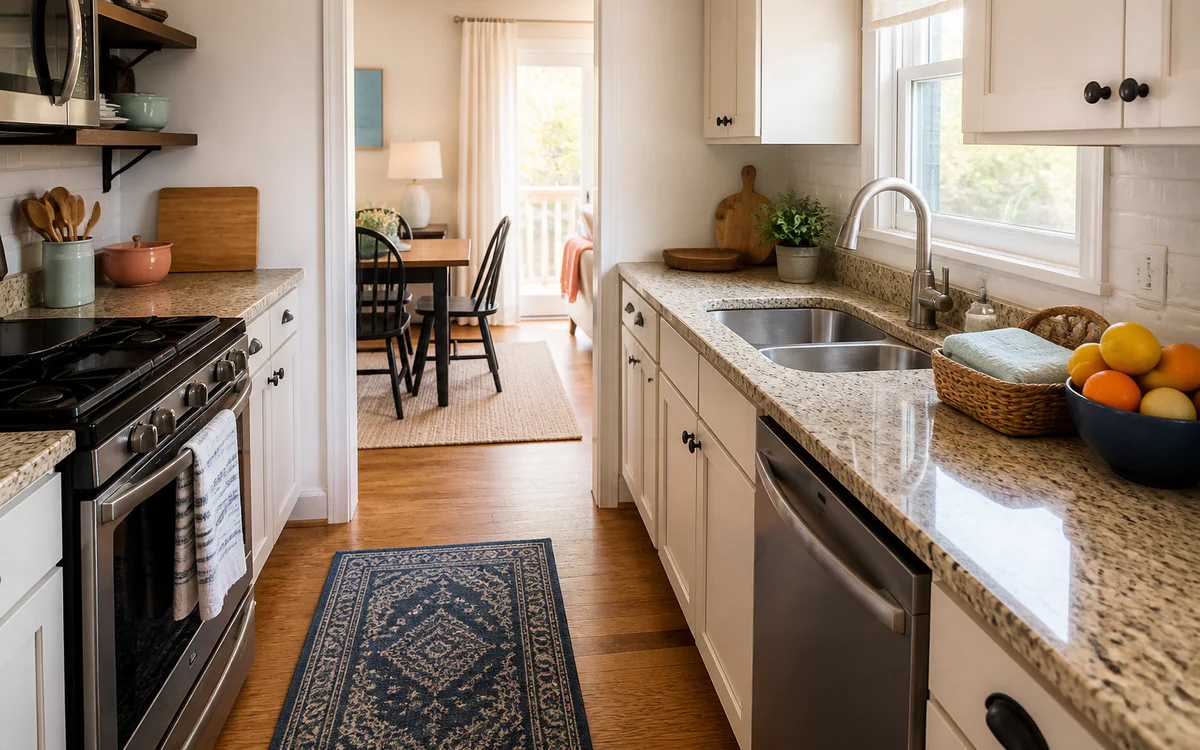
Once the room is clear, add one or two warm details. A bowl of fruit may work on a bare counter. Try a folded throw on the sofa or fresh towels in the bath. Keep the number low. Too many small objects bring back the same visual mess you just worked to remove.
Staging is not the same as redecorating
Photo staging is a short-term change, not a full room redesign. The goal is to show the space in a clear way. You do not need to change the home’s full style. You also may not need new furniture or decor that will not move with you after the sale.
Calm, clear surfaces tend to look good across many home styles. That is true in a historic Charleston cottage and a newer home in the suburbs. Start with small items that are easy to move. Store bold blankets or pillows first. You may not need to paint a wall or replace a large piece.
Very personal items can take over a photo. This may include taxidermy, a large collection, or bold art. It is often easier to store those items for the shoot than to style around them. Once the room is the main focus, buyers can think about their own things. They are less likely to stop on someone else’s collection.
A neat entry sets the tone for the rest of the photo set. It may be the first view a buyer sees online. Clear the shoes, coats, and mail, even if only for the shoot. That small job can improve the first impression. Photos often do most of the early work before a buyer books a tour.
How do real estate photos make rooms look bigger?
A wide lens, a good angle, and bright light can help a room look open. Clear floor space also reads as more room in a photo. Take out extra furniture and clutter before the shoot. A crowded frame can make the same room look smaller than it feels in person. Related South Carolina planning tools include our home sale preparation support and pre-listing preparation checklist.
The role of light and angle
A photographer may shoot from a low corner with a wide lens. This lets more of the room fit in one frame. Bright and even light cuts down on dark shadows. The light may come from a window or the photographer’s gear. Either way, fewer shadows can make the room feel more open.
Why fewer objects reads as more space
Each extra item on a floor or counter pulls the eye. The effect grows when a whole room is pressed into one photo. Move furniture that blocks a clear view across the room. It can come back after the shoot. For now, the open view lets the camera show more of the space. This is why staging and clearing clutter go hand in hand.
Small details that add or subtract space
A clean mirror can bounce light from a window back into the room. It may help the room feel larger in life and in photos. Keep the area near the mirror clear. A rug can have the other effect if it breaks the floor into small parts. Take a quick photo with and without the rug. The test only takes a few minutes.
The photographer will choose the camera height and angle. You can still give them more room to work. Move low items near each doorway, such as pet beds or floor lamps. Talk with the agent about which rooms matter most. That short talk helps the team use the time on site well.
How to get your house ready for listing photos?
Clear each surface that the camera will see. Open the curtains and use natural light. Put away personal items so the room becomes the focus. Finish the main work a few days before the photo date. Do not leave the full job for the morning of the shoot. To turn this answer into a practical plan, compare home sale preparation support with the pre-listing preparation checklist.
Sequence the work before photo day
Start with the rooms buyers see first. The entry, living room, and kitchen often lead the online photo set. Work on the beds and baths next. Then walk through once more on the night before the shoot. Look for cords, mail, pet gear, and other small things that the first pass missed.
Keep the day of the shoot simple
If the deep work is done, photo morning can stay simple. Check the counters, floors, and any closet that may be seen. The National Association of Realtors says staging can help buyers picture themselves in a home. A clear room gives them less personal clutter to look past.
A short list for the final morning
Make a short list for photo morning. Check dishes, laundry, pet items, and toys. These things can creep back onto a clear surface during the week. Keep the list short and clear. You should be able to finish it in the last twenty or thirty minutes before the photographer arrives.
Weather or a schedule change may move the photo time. Keep the home close to ready for a few days around the date. Do not plan for one perfect morning. A small shift will then feel much less stressful if the time changes with little notice.
Why is it so hard to sell a house when you inherit it?
An inherited home may hold decades of belongings. More than one family member may share the choices. Grief can also slow choices about sorting, repairs, and staging. Those issues add real work to the usual steps of getting a home ready for sale. For additional planning context, see home sale preparation support and the pre-listing preparation checklist.
Belongings accumulated over a lifetime
A home used by one person for many years may hold a great deal of stuff. There may be furniture, papers, and keepsakes in every room. Each group takes time to sort with care. The family often must clear much more than they would for a standard home sale. There is simply more to work through before staging can start.
Shared decisions among family members
When more than one heir owns the home, key choices often need a group decision. The people may live in different towns or states. Talks about what to keep, sell, or give away can take time. That can slow each later task, including staging and photos. A pre-listing checklist gives the family one shared plan. It can still help when choices take longer than first hoped.
Grief affects the pace of the work
Sorting a loved one’s things can bring back strong memories. The work may move more slowly than a normal cleanout. There is no fixed pace that fits every family. Give each person some room to make hard choices. That can ease stress during an already hard time.
Probate, a title change, or other estate work may affect when the home can be listed. That can be true even when the rooms are clear. An attorney or the proper court process handles those legal steps. A team that helps with the home’s contents does not handle those legal choices.
Can I sell my house if I live in another state?
Yes. A homeowner can sell a property while living in another state. The sale may need more local help with sorting, repairs, photos, and tours. The next steps connect to our home sale preparation support and pre-listing preparation checklist.
Coordinating preparation from a distance
A seller who lives far away will need someone local for hands-on tasks. That person may be an agent, a trusted relative, or a home transition team. A written plan keeps the roles clear. Short and regular updates also help when the owner cannot be at the home for each step.
Staying connected without being on site
Ask the person on site to send photo or video updates. The owner can then stay informed without a trip for every choice. Set short calls at key points in the plan. These check-ins keep both sides clear on what is done and what comes next.
A trusted local contact can also handle small but key tasks. They may meet a repair worker or let the photographer into the home. The contact might be a friend, relative, or paid coordinator. Put their role in writing. Be clear about which choices they can make when the owner is not there.
What still needs local attention
Someone must be at the home for staging, sorting, and photo setup. Those hands-on jobs cannot be done only by phone or email. A home sale preparation plan can help with that local work in an agreed scope. The owner and real estate pro still control price, listing, and sale choices. The AARP one-year countdown checklist can help set the order of tasks. A clear order matters even more when the owner lives far away.
Build a clear handoff for photo day
Give the local contact one short list for the final visit. Include the rooms to check, any item that must stay, and the time the photographer will arrive. Add phone numbers for the owner and agent. The list should also say who can approve a small change on site. This keeps a simple question from holding up the whole session.
For a Charleston or South Carolina property, think about heat, rain, and travel time when the schedule is set. Outdoor cushions may need to stay dry until the last minute. A porch may need one quick sweep after a storm. These are small tasks, but they can affect the first few photos in the listing set.
Clutter Cleaner can support the sorting, room setup, and on-site plan within the agreed work. The team does not set the sale price or choose the final listing photos. Those choices stay with the owner, agent, and photographer. Clear roles help the photo day stay calm.
Photo staging is one part of the larger sale plan. It works best after the sorting and room setup are done with care. Take the work in stages. Do not try to finish the whole home on the night before the shoot. A steady plan can lead to a calmer day and a more even set of room photos.