When listing a home in Hanahan, SC, keep seasonal decor small and easy to move. Remove pieces that hide windows, crowd rooms, or block paths. Keep a few accents if they help rooms feel calm. Let your real estate agent guide the final photo plan and sales approach.
Quick answer: Choose decorations that frame the home rather than fill it. Simplify the entry, mantel, and main living areas. Pack large displays before photos. Keep daily traditions in spaces you can reset for tours. Your household decides what matters; your agent advises on how the home appears to buyers.
What seasonal decor should stay for listing photos?
Use home sale preparation support to discuss room readiness. Browse the home-transition guides for related planning help.
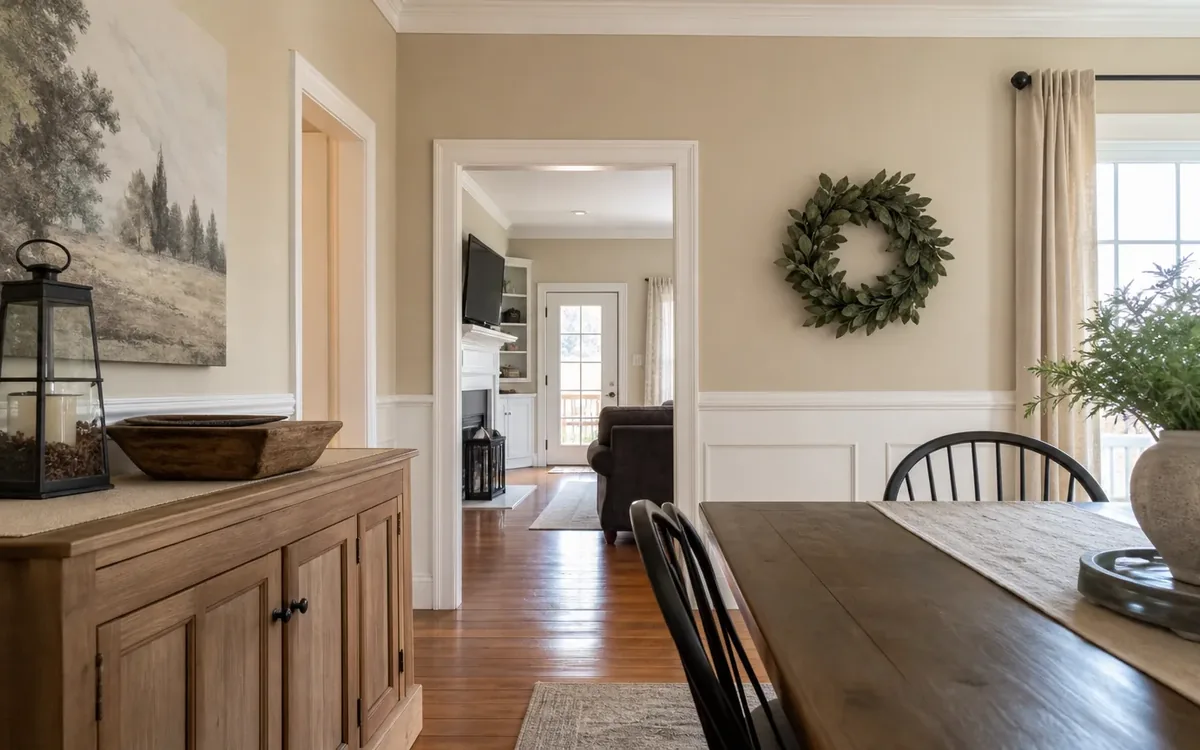
Keep a few small pieces that leave the home easy to see. A simple wreath or low table accent may fit. Remove items that draw attention away from room size, light, or built-in features. Ask your agent which choices support the photo plan for your specific home.
Think about what each photo needs to show. Buyers should see the floor, windows, doors, and main furniture layout. A large tree may hide a useful corner. A thick mantel display may cover trim or make the fireplace hard to see.
Start with the room’s strongest feature. Keep that feature clear, then add a small accent nearby. This gives the decoration a role without making it the main subject.
Use these checks when choosing what stays:
- Keep table accents low enough to leave clear views across the room.
- Leave window coverings easy to open without moving garlands or hanging pieces.
- Choose a small entry accent that leaves the door and house number visible.
- Remove signs, banners, or large displays that dominate a wide room photo.
- Keep cords tucked away from paths, doors, and places where people step.
Color matters less than scale and placement. A bright accent can work when the room stays clear. Several matching pieces can still feel crowded if they fill every surface.
Take a phone photo from each doorway. It won’t replace the agent’s photo plan, but it reveals clutter. Look for items that seem larger in the image than in person. Reduce those first, then ask your agent for feedback.
What should come down before buyers tour the home?
Review home sale preparation services for practical sorting help. Use the home-transition resource library for other home readiness topics.
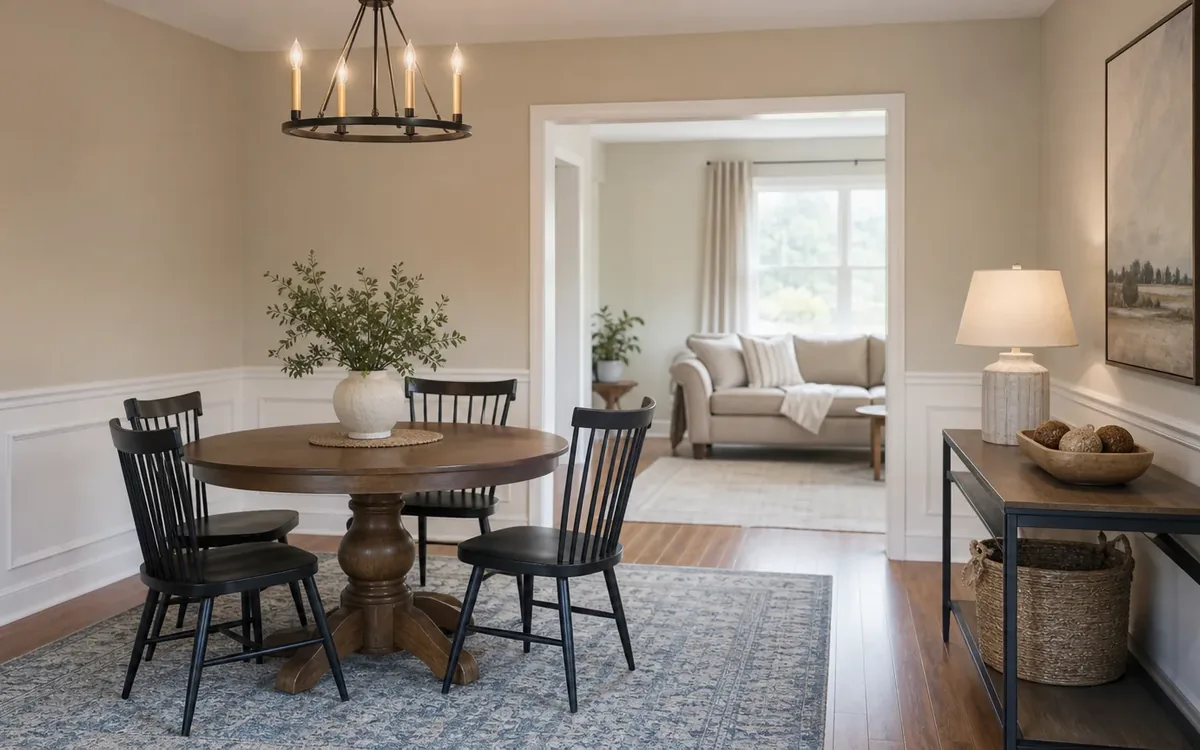
Take down decorations that narrow paths, hide home features, or need constant attention. Tours should let buyers move through rooms without stepping around displays. Your household can keep meaningful traditions, but daily use and buyer access need separate plans. Your agent can help set clear showing expectations.
Walk the route a visitor would take. Start at the front door and visit each main room. Check the path to the backyard, garage, and stairs. A display that fits family life may still block a visitor’s view or access.
Floor pieces deserve special care. Tall figures, baskets, and stacked gift boxes can shrink open space. Move them out of tour routes rather than shifting them behind a chair. The goal is a clear room, not hidden piles.
Pay attention to scent and sound. Strong scented candles or plug-in products may distract some visitors. Music, moving displays, and flashing lights can compete with the tour. Keep the home calm without trying to mask an odor that needs attention.
Your household sets limits around private items and sacred displays. You don’t need to discard anything to prepare for tours. Discuss placement with your agent, especially when items are large or personal.
If you keep decorations in daily use, give them one home base. A shelf or small table is easier to reset than several rooms. Keep the box for removable pieces nearby, but out of view.
Never move a decoration in a way that hides a known defect. Ask your agent about disclosure questions. Repair needs belong with the right contractor or inspector, not a decorating decision.
How should fall and holiday timing shape the plan?
Explore home sale preparation planning for help with household tasks. Find related articles in the home-transition guide collection.
Base the plan on your listing and photo dates, not assumed seasonal demand. Fall and holiday decorations can look dated when photos remain online after the season ends. Ask your agent when to simplify displays and when new photos may help. Keep the household’s plans separate from market advice.
South Carolina sellers may balance fall displays, family gatherings, and holiday plans. Those events don’t tell you how buyers will respond. Pricing, demand, and listing strategy stay with your real estate professional. Your decor plan should stay flexible without trying to predict the market.
Think about how long the same images might be used. A room filled with one holiday’s symbols gives photos a clear seasonal stamp. A plain room with a small natural accent is easier to keep current.
Ask the agent which spaces should remain photo-ready. You may agree to keep the front entry and main rooms simple. Private rooms can follow a different plan if they aren’t being photographed. Confirm this before setting up large displays.
Weather can change the condition of outdoor decor. Check for wet fabric, loose pieces, and leaves caught around displays. Move damaged items away rather than leaving them for photos or tours.
Avoid treating a decor change as a reason to delay needed work. A leaking fixture or damaged step needs its own plan. An inspector or qualified contractor should assess those issues.
Set a review point with your agent after a major holiday passes. Ask if the listing images still match the home. The agent should decide how image changes fit the broader sales plan.
Make a leave, remove, or simplify plan
Discuss sorting tasks through home sale preparation support. If decor belongs to an inherited household, read the guide to cleaning out an estate.
Sort decorations by their effect on photos and tours, not their value. Leave pieces that fit the room, remove those that block it, and simplify crowded groups. This is a temporary listing choice. It doesn’t require a full holiday collection review or a decision about every keepsake.
Use a room-by-room note instead of pulling out all storage bins. Write down the few visible items that need action. That keeps the work tied to the sale, rather than turning it into a broad downsizing task.
Follow these four steps:
- Mark each visible display as leave, remove, or simplify after reviewing the room.
- Ask household members to flag meaningful items before anything gets packed or moved.
- Confirm the proposed photo setup with your agent before arranging the main rooms.
- Pack removed pieces by display so the household can set them up again.
A simplify choice may mean keeping one wreath and removing nearby signs. It could mean leaving a table runner while packing tall candle holders. For a tree, it might mean choosing another location with more open floor space.
Give each choice a clear purpose. “Clear the window” helps more than “make this room better.” Specific notes make handoffs easier if several people help.
Keep a separate hold group for disputed or valuable pieces. Don’t let a listing deadline force a sale or disposal choice. For estate property, the person with proper authority must approve those decisions.
An appraiser can advise on value when needed. A practical cleanout team shouldn’t be treated as the final authority on ownership, legal rights, or market value.
Pack removed displays without losing household traditions
Review home sale preparation help for packing and sorting discussions. For inherited items, the estate cleanout process guide offers related context.
Pack removed displays so they’re easy to find and safe to handle. Group pieces by where they were used, then label each box clearly. Your household chooses where boxes go. Storage rental, disposal, and any sale of decor are separate choices, not automatic parts of preparing the listing.
Use boxes that fit the contents without being too heavy. Cushion fragile pieces and avoid loose stacks in closets. Keep moisture-sensitive items in a dry place suited to their materials. Ask a storage provider about conditions before renting space.
These labels and packing choices can make the next setup easier:
- Label each box with the room, season, and a brief list of contents.
- Mark fragile pieces clearly and keep heavy items out of the same box.
- Place loose hooks, clips, and small parts in a closed, labeled bag.
- Keep a separate box for pieces the household may use during the listing.
Don’t fill every closet with removed decor. Buyers may want to see closet size and layout. Ask your agent where packed items can sit without affecting photos or tours. Keep doors, panels, and access points clear.
If a move is planned, discuss how these boxes fit that move. A practical team may ask about access, box locations, and handling needs. Confirm the agreed scope before assuming transport or storage is included.
Don’t throw out items simply because they leave the photo setup. Donation, sale, and disposal each need a separate decision. Valuable or inherited pieces may need review before they leave the household.
Set clear roles for the household and support team
Use home sale preparation services to discuss practical help. Browse the home-transition planning guides before setting the work scope.
The household decides which traditions and belongings matter. A practical team may discuss sorting, packing, room access, and move needs. Your agent guides the listing presentation and sale strategy. Legal, appraisal, inspection, and compliance questions stay with the responsible professional or authority, even when decor affects access.
Clutter Cleaner of South Carolina is based in Mount Pleasant, SC. Charleston is its primary market, and its service territory covers South Carolina. For a Hanahan home, ask about home sale preparation needs and the scope of help. Don’t assume every related task falls within that scope.
Useful discussion points include the items to leave in place and pack. Also note who approves changes and where boxes may go. If relatives own some decorations, name the person who can approve moving them.
A written plan should separate decor work from repairs. Removing a wreath differs from fixing a door. Taking down lights differs from assessing damaged wiring. A qualified contractor should handle repair questions within their field.
Roof-mounted displays or difficult ladder work need their own safety plan. Don’t assume a cleanout or move team will handle them. Ask the appropriate provider what they can assess and do safely.
Keep compliance questions separate, too. If a display affects required access, ask the responsible authority for guidance. A practical support team can discuss the concern without issuing a legal ruling.
Before work begins, confirm the approved tasks, access rules, and items on hold. That helps everyone protect belongings while keeping the home’s features visible.
FAQ: Seasonal decorations during a home listing
Review home sale preparation support for practical planning options. Find more related advice in the home-transition resource library.
Should I remove every holiday decoration?
No. Start with pieces that crowd rooms or hide home features. A few small accents may stay if your agent agrees they suit the photos. Keep the focus on clear views and easy access. Your household can protect meaningful traditions while using a simpler setup in the main rooms.
Can we keep a holiday tree during showings?
You may be able to keep it if paths stay clear. Consider what it hides, including windows, floor space, and outlets. Ask your agent how it affects photos and tours. If it remains, secure the setup and manage cords carefully. Avoid putting gifts or loose items in walking paths.
Should listing photos change after the holiday ends?
Ask your agent if new photos would help the listing stay current. A large seasonal display can make images look tied to a past holiday. Small accents may have less effect. The agent should weigh photo changes within the sales plan. Decor alone can’t predict buyer interest or a sale outcome.
Where should packed decorations go during the listing?
Choose a place that keeps rooms, closets, and access points easy to view. Your agent can advise on what buyers need to see. If you choose outside storage, check its terms and conditions directly. Storage is a separate household and provider choice. Keep valuable, fragile, or disputed items clearly marked.
Who decides what happens to inherited decorations?
The person with proper authority for the property should approve sale or disposal choices. Family members can share wishes, but those wishes don’t settle legal rights. Keep uncertain items on hold. Ask a legal professional about authority and an appraiser about value when needed. Listing preparation shouldn’t force those decisions.
Can a preparation team fix damage found behind decor?
Don’t assume repairs are part of the preparation scope. A team may help identify blocked access or discuss next steps. A qualified contractor or inspector should assess damage within their field. Your agent can advise on listing and disclosure questions. Keep repair work separate from packing or changing the display.