
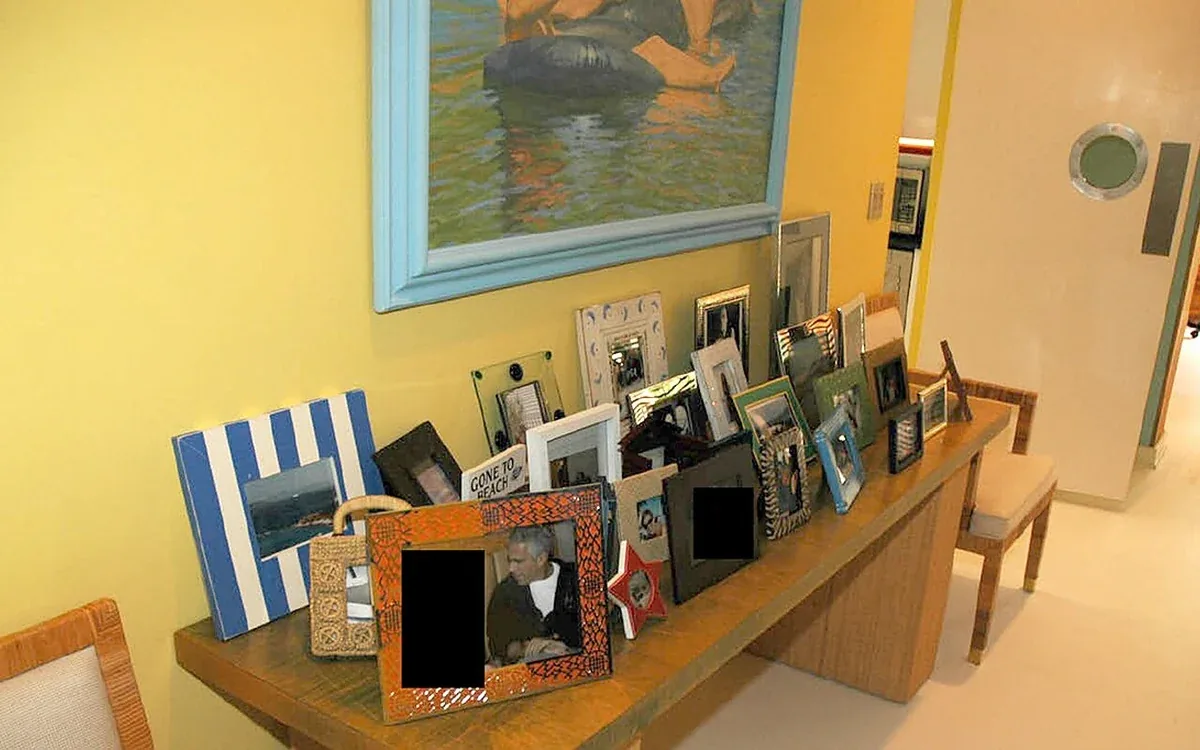
Simplify family wall displays before listing a home by reducing crowded groupings, protecting personal information, and asking your real estate agent which changes will help show the rooms clearly. Decide what should leave the wall before removing hooks or adhesive mounts. That gives you a chance to discuss repairs without turning a small display change into unnecessary work.
For South Carolina sellers, the goal is to make room features easier to see while keeping meaningful belongings safe. You can pack a family gallery for the move without deciding the future of every photograph.
Quick answer: Review the busiest walls with your agent, choose which displays to remove or reduce, and give each removed piece a safe destination. Check the mounting method before taking anything down. Let the household decide what to keep, and discuss repair needs with an appropriate contractor. Save broader photograph sorting for another project.
What should you look at before taking pictures down?
Begin from the doorway, where someone first sees the room. A familiar gallery can blend into the background for the household while drawing a visitor’s attention away from windows, built-in shelves, or the room’s layout.
Look at the whole display rather than judging individual photographs. Frame sizes, spacing, color, and nearby furniture all contribute to how busy a wall feels.
Useful questions include:
- Does the gallery crowd a doorway, window, or architectural feature?
- Do several walls compete for attention within the same view?
- Are framed photographs also covering nearby shelves and furniture?
- Does a large display make a narrow passage feel visually crowded?
- Are names or other personal details readable?
Take a reference photograph for your own use before making changes. It can preserve the arrangement for a future home and help family members understand what is being packed.
For support with the broader project, review Clutter Cleaner of South Carolina’s home sale preparation service. Discuss your wall-display goals and confirm the proposed scope before assuming packing or other tasks are included.
Which family wall displays should come down first?
Start with displays that dominate a room or reveal information you would prefer to keep private. A crowded entry gallery, a stairway covered with overlapping frames, or a wall of named school portraits may deserve attention before a modest grouping in a less prominent room.
There is no required frame count. The useful measure is whether a visitor can read the room clearly without the display becoming its main subject.
Consider each wall’s role:
- Entry: Let the doorway, passage, and adjoining rooms remain easy to see.
- Living area: Look for competition between the gallery and features your agent wants to emphasize.
- Hallway: Reduce visual crowding while preserving safe passage.
- Bedroom: Review personal details as well as the size of the arrangement.
You do not need to replace every removed frame with new decor. An open wall may serve the room well, depending on its condition and your agent’s advice.
Avoid moving the whole gallery onto a console or bookshelf. That relocates the visual density and creates another surface to manage.
Make a family decision about the display, not the whole collection
Removing a portrait for listing photographs can feel different from packing an ordinary household object. Explain the immediate purpose: the display is being prepared for a move or changed for presentation. Its removal does not settle whether the family will keep it forever.
Give the people involved a clear choice about where the pieces go. A labeled carton of framed portraits may be enough for now. There is no need to open old albums or sort loose photographs to simplify a visible wall.
A short conversation can establish:
- Which pieces will remain on display while the household lives there.
- Which pieces will travel with a particular person.
- Which pieces need an agreed packing destination.
- Which items must stay untouched because ownership is unresolved.
If the home contains inherited belongings, do not assume the person preparing the listing can distribute them. Questions about ownership or authority belong with the authorized decision-maker and legal adviser.
For that broader situation, the guide What Is the Best Way to Clean Out an Estate? offers a related starting point. Keep this wall project limited to presentation and safe handling.
Should you remove every hook and nail before listing?
Discuss the desired wall finish before removing every fastener. Taking down a frame and repairing its mounting point are separate tasks. A picture may lift off easily while an anchor, adhesive strip, or mounting plate requires closer attention.
Before removal, note the wall surface and hardware. Painted drywall, wallpaper, plaster, and other finishes can require different handling. Follow applicable product instructions, and seek qualified help when the surface or installation is uncertain.
Watch for:
- Paint that appears loose around a hook.
- Wallpaper that could tear during removal.
- Large anchors or mounting plates.
- Adhesive mounts with unclear removal instructions.
- Damage, staining, or an uneven finish already visible nearby.
Avoid pulling unfamiliar fittings out by force. Leave uncertain hardware for discussion with the appropriate contractor.
Ask your agent whether visible mounting points warrant repair for the listing presentation. A contractor can assess removal, patching, and finish options. The household decides what work to authorize after understanding the proposed scope.
Do not treat touch-up paint as a guaranteed match. Review the existing finish and any proposed repair before committing to work across multiple walls.
Reduce density without creating a patchwork wall
Partial removal can work when a gallery has a balanced smaller grouping. It can also expose empty mounts or leave a cluster stranded above furniture. Compare those outcomes before taking down scattered frames.
A useful approach is to treat the arrangement as a whole. Decide whether it should remain smaller, leave entirely, or stay until a repair plan is agreed.
For example, a grouping above a sofa might be reduced to a coherent section using existing mounts. A sprawling hallway gallery might make more sense to pack together. These are presentation options to discuss with your agent, rather than rules for every home.
Avoid drilling new holes simply to make a temporary arrangement look symmetrical. Moving frames around repeatedly can add work without resolving the room’s presentation.
Once pieces are removed, stand at the doorway again. Look at the relationship between the wall, furniture, and adjacent spaces. Stop when the room reads clearly and the agreed repair questions have been addressed.
Protect privacy before listing photographs and showings
Family displays can contain more than faces. Certificates, team photographs, wedding keepsakes, and framed documents may show names, affiliations, addresses, or other details the household would rather keep out of public listing images.
Review each visible display for readable information. Include small framed documents and captions that are easy to overlook during a general room tidy.
The household can decide its privacy preferences, including whether to pack:
- Children’s named portraits or school awards.
- Framed documents containing identifying details.
- Family trees with names and personal dates.
- Displays that reveal information about a vulnerable household member.
Tell your agent about those preferences before listing photography. Ask how they will be communicated to the photographer, rather than assuming private information will be edited out later.
Privacy choices do not require throwing anything away. Label and pack the display, or move it to an agreed private location. Avoid placing sensitive pieces in an open box where visitors can still read them.
How can you pack removed displays without sorting every photograph?
Keep the job focused on framed objects already on view. Photograph the arrangement, note each piece’s destination, and pack according to the frame’s materials and condition. Leave decisions about albums, duplicates, and digital files outside this project.
Use labels that help with handling and unpacking. “Living room family gallery” is more useful than “miscellaneous.” If pieces are going to different households, identify the destination without putting sensitive personal details on exposed packaging.
Practical packing considerations include:
- Protecting glass and decorative frame corners.
- Preventing hardware on one frame from rubbing another.
- Keeping loose components with their frame.
- Choosing containers that support the contents without overloading.
- Setting aside fragile or damaged pieces for appropriate handling advice.
Discuss these needs with any move team before the work begins. Confirm who supplies packing materials, who packs the items, and what requires separate handling.
Storage is a household or separate provider choice. Consider access, security, and conditions appropriate to the materials. Do not assume storage, conservation, or specialist transport is included in a cleanout or move agreement.
Keep presentation, repairs, and professional decisions separate
A practical cleanout or move team may discuss the removal sequence, access around furniture, packing destinations, and the approved handling scope. That conversation can help the household avoid misplaced frames or conflicting instructions.
Other decisions remain with the people responsible for them:
- Household or authorized owner: Chooses what to retain and approves handling or disposition.
- Real estate agent: Advises on listing presentation and sale-related questions within their role.
- Qualified contractor: Assesses proposed wall work and performs separately agreed repairs.
- Appropriate appraiser: Evaluates artwork or other potentially valuable pieces when a valuation is needed.
- Legal adviser or responsible authority: Addresses ownership, legal obligations, or applicable compliance requirements.
An old frame or signed picture should not receive a value based on appearance alone. Seek appropriate appraisal advice before making a sale or disposal decision when value is uncertain.
Likewise, wall-display changes do not establish that a property meets inspection or code requirements. Inspectors and responsible authorities retain their respective roles. Any contractor work, disposal arrangement, appraisal, or storage agreement should have its own confirmed scope.
FAQ
Do all family photographs need to leave the house?
No. Ask your agent which visible displays affect the listing presentation, then consider household privacy. Removed pieces can be packed for the move. You do not need to sort the entire family photograph collection.
Can a frame stay up to cover wall damage?
A frame should not be used to hide a condition from the sale process. Discuss the condition with your agent and any appropriate inspection or legal professional. Presentation advice does not replace guidance about disclosure obligations.
Can Clutter Cleaner handle every part of this project?
Confirm the requested scope directly. Clutter Cleaner of South Carolina offers home sale preparation, downsizing and organizing, and move management. Repairs, appraisals, storage, disposal arrangements, and legal decisions need separate confirmation with the household or responsible provider.
Discuss a focused wall-display plan
Clutter Cleaner of South Carolina is physically located in Mount Pleasant, SC, serves all of South Carolina, and has Charleston as its primary market. Call (843) 972-7020 to discuss home sale preparation and the scope of help you need.
Bring your agent’s presentation recommendations, the household’s decisions about visible displays, and any unresolved mounting concerns. That gives the conversation a clear purpose: simplify the walls, protect the pieces being removed, and identify any separate professional work before it is authorized.
Photo credits
- Framed photographs arranged along a wall: Palm Beach Police Department. Original photograph, Public domain. Cropped and resized.
- Bed beneath narrow display shelves: Eero Aarnio. Original photograph, CC BY 4.0. Cropped and resized.
- Bed and tall wooden chest in a room: Carol M. Highsmith. Original photograph, Public domain. Cropped and resized.





