
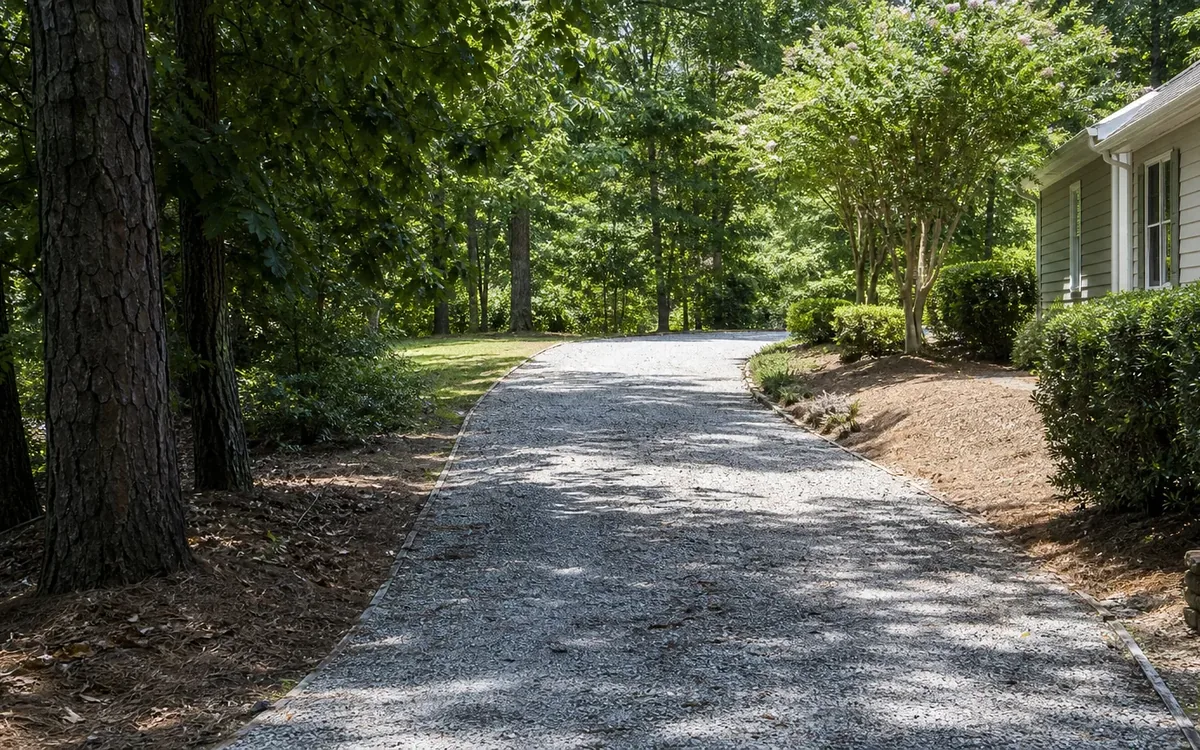
A private or unpaved road should be checked before moving day for surface stability, legal access, overhead and side clearance, gate width, turning room, and a safe backup transfer point. The household can document conditions and coordinate access, while the moving company decides whether its vehicle and crew can safely use the route. Road repairs, permissions, inspections, and compliance rulings belong with the appropriate owner, contractor, professional, or authority.
Quick answer: Walk and drive the full route in suitable conditions, photograph restrictions, confirm who controls the road, measure tight points, and send the mover accurate details. After heavy rain, reassess sandy or muddy sections instead of assuming yesterday’s access remains usable. Select a legal transfer point where belongings can move between the main truck and a smaller suitable vehicle if direct access is rejected.
Why does a private road need separate moving-day planning?
A driveway begins at the property, but access planning often starts much farther away. A moving truck may need to travel over a shared lane, privately maintained road, narrow bridge, soft shoulder, steep approach, or unpaved curve before reaching the home.
Conditions that feel manageable in a passenger car may not work for a larger vehicle. Trucks need additional width, vertical clearance, stable ground, and room to turn without crossing a ditch, lawn, septic area, or neighboring parcel. A route can also become less reliable after heavy South Carolina rain, particularly where sand, clay, ruts, or poor drainage are present.
Treat road access as its own moving task rather than a minor note on the schedule. A practical move management service may discuss inventory flow, property access, staging, and coordination. The carrier or moving company remains responsible for deciding what its driver and vehicle can safely enter.
Who decides whether the road is usable?
Several parties may be involved, and their roles should not be blurred.
The household or responsible property representative can:
- Identify every road, gate, bridge, culvert, and turn on the route.
- Ask who owns or maintains each private section.
- Gather gate codes, keys, written permissions, and contact information.
- Photograph and measure visible constraints.
- Report recent rain, washouts, standing water, or road work.
- Propose a backup loading or transfer location.
The mover or carrier can discuss truck dimensions, operating requirements, parking needs, crew access, and whether a smaller vehicle is an option. Its dispatcher or driver decides whether the planned vehicle can safely proceed based on company policy and observed conditions.
A road owner, association, easement holder, neighbor, or property manager may control access or impose conditions. Written deeds, easements, covenants, and access rights should be interpreted by a qualified South Carolina attorney or other responsible legal professional, not by a cleanout or move team.
A road contractor or qualified site professional should evaluate grading, drainage, load-bearing concerns, culverts, bridges, tree removal, or stabilization. Local officials or the authority with jurisdiction determine permits, traffic restrictions, public-road staging, and code compliance where those issues apply.
How should you inspect the route before the truck arrives?
Inspect the route from the nearest dependable paved road to the intended loading position. Do not limit the review to the last driveway segment. If possible, assess it after weather similar to the conditions expected on moving day, while recognizing that weather can change.
Use this five-part route review:
- Check the road surface. Note loose sand, deep ruts, soft edges, potholes, mud, washboarding, erosion, standing water, and sharp transitions between pavement and dirt.
- Review horizontal clearance. Look for narrow gates, encroaching brush, fence posts, mailboxes, rocks, ditches, parked vehicles, and curves where the truck’s rear wheels may track inward.
- Review vertical clearance. Identify branches, wires, roof overhangs, signs, and gate structures. Never measure or approach energized lines yourself. Contact the utility or appropriate authority about electrical clearance questions.
- Find slopes and weak points. Mark steep grades, narrow bridges, culverts, soft shoulders, and places where a heavy vehicle might bottom out or lose traction. A qualified professional should determine structural or load capacity.
- Evaluate the destination. Confirm that the truck can stop on stable ground, allow safe crew movement, and leave without relying on an unsafe reverse maneuver.
Take clear photos and short videos facing both directions. Include a visible measuring reference where practical, but do not guess at clearances. Record gate width, road width at the tightest points, and the dimensions of the usable loading area.
If the move is part of clearing inherited property, the guide to how estate cleanouts work can help separate access planning from sorting, removal, and disposition decisions.

What details should the moving company receive?
Send access information early enough for the mover to review it before dispatch. A verbal statement that the road is “a little narrow” is not sufficiently precise.
Provide:
- The exact property address and written approach directions.
- A map pin for the entrance if the entrance is difficult to identify.
- Photos of the road entrance, tight curves, gate, overhead constraints, loading area, and exit path.
- Measured gate and road widths at restrictive locations.
- Notice of unpaved stretches, slopes, ditches, bridges, culverts, and soft shoulders.
- Recent information about rain, flooding, grading, construction, or fallen trees.
- Gate procedures and permission requirements.
- The location of legal parking or transfer alternatives.
- Contact information for the person responsible for access that day.
Ask what vehicle is planned and whether the company wants an in-person or remote access review. Also ask whether its rules permit unpaved-road travel, backing on a narrow lane, roadside loading, or transferring items to a smaller vehicle.
Do not assume a smaller truck is automatically safer. It must still be suitable for the surface, legal to operate at the transfer point, and approved by the carrier. Any extra handling also changes how items are staged and protected, which the mover should address.
How do you confirm permissions on a shared or private road?
Start by identifying who actually controls each segment. Maintenance responsibility and legal access rights are not necessarily the same. A household may contribute to road upkeep without having authority to block it, grade it, trim it, or authorize commercial vehicles.
Confirm these matters where relevant:
- Whether moving trucks are permitted on the private road.
- Whether advance notice is required for neighbors or an association.
- Whether a gate, lock, or staffed entrance limits access.
- Whether there are vehicle weight, height, or time restrictions.
- Whether roadside parking would obstruct another property or emergency access.
- Whether trimming, gravel placement, grading, or temporary protection requires permission.
- Whether the route crosses land belonging to someone else.
Keep permissions and access instructions in writing when possible. If a deed, easement, lease, court order, association rule, or ownership dispute affects access, consult the responsible attorney, property manager, association, or authority. A move coordinator can help organize contacts and documents, but cannot determine legal rights.
If public traffic control, shoulder use, or road closure may be needed, contact the agency with jurisdiction. It decides whether a permit or approved traffic plan is required.
What road preparation can the household arrange?
The goal is a stable, unobstructed route, not a rushed do-it-yourself reconstruction. Begin with low-risk tasks within the household’s authority:
- Remove personal vehicles, bins, trailers, and movable decorations from the route.
- Unlock gates and test keys or codes.
- Mark ditch edges or fixed obstacles in a way the mover approves.
- Keep pets and livestock secured away from the loading path.
- Inform authorized road users about the planned activity.
- Recheck the surface after rain or maintenance work.
Brush cutting, tree work, grading, gravel placement, drainage correction, bridge evaluation, and culvert repairs should be treated as separate contractor or property-owner decisions. Hire an appropriate provider and obtain required permission. Do not cut vegetation on neighboring land or alter a shared road without authority.
Avoid improvised attempts to cover mud with household boards, rugs, or loose debris. Such materials can shift, hide hazards, damage property, or create poor footing. Ask the mover what surface conditions it requires, then ask a qualified contractor how to achieve them if work is necessary.
Likewise, do not direct a heavy truck across a lawn or alternate track without considering septic components, irrigation, buried utilities, drainage structures, and soil stability. Relevant records and qualified professionals should guide that decision.
How should turning and loading space be evaluated?
A truck reaching the house is only half the access problem. It must also stop, load, and depart safely.
Walk the planned vehicle movement from entrance to exit. Look for a loop, turnaround, broad parking pad, or other area the mover can assess. Note whether the vehicle would have to reverse around a blind curve, toward a ditch, through a gate, or into a public road.
Keep the loading zone distinct from household staging. Boxes and furniture should not reduce the turning area or block the crew’s walking path. Children, pets, parked cars, and spectators should stay outside the operating zone.
The household can suggest where a truck might stand, but the driver makes the operational decision. A site planner, engineer, contractor, inspector, utility, or local authority may need to address structural, electrical, drainage, traffic, or compliance concerns.
What is a backup transfer point?
A backup transfer point is a legal, stable location where belongings can be moved between the main moving truck and a smaller approved vehicle if the truck cannot reach the home. It should be selected before moving day, not improvised after access fails.
A workable transfer point needs:
- Permission from the owner or controlling authority.
- Adequate space for both vehicles without blocking traffic.
- Stable footing for people, dollies, and vehicles.
- A plan for weather protection and item security.
- Clear responsibility for handling and inventory control.
- Carrier approval for the transfer process and vehicles.
Possible locations might include an authorized paved area or another suitable private site, but availability must be confirmed. A public shoulder, neighbor’s lot, or business parking area cannot be assumed available.
Storage is another separate household choice if items cannot proceed directly to their destination. The household should select the facility and terms, while the mover confirms transportation arrangements. A move or cleanout team may discuss staging and coordination, but storage availability and conditions belong to the chosen storage provider.
Prepare a weather-based decision plan
Private and unpaved roads can change quickly. Create a simple communication plan for the property contact, mover, road owner, and any contractor. Identify who will inspect conditions, who will send updates, and who has authority to open gates or approve use.
On the latest practical check, compare the route with the photos previously sent. Report new standing water, deeper ruts, fallen branches, washouts, or blocked drainage. Never pressure a driver to continue because the household has already packed or because another vehicle made it through.
If access is declined, move to the approved backup plan. The choices may include using an approved transfer method, changing the vehicle plan with the carrier, arranging separate storage, or rescheduling through the responsible providers. Each option should preserve safe access and clear custody of belongings.
Short FAQ
Can the household decide that a road is safe for the truck?
No. The household can report conditions and provide measurements, but the moving company or carrier decides whether its vehicle and crew will use the route. Structural, legal, utility, and compliance questions belong to the relevant qualified professional or authority.
Who should evaluate a private bridge or culvert?
Use a qualified professional appropriate to the structure and concern. Do not rely on visual impressions, old vehicle use, or a cleanout team’s opinion to establish load capacity.
Should gravel be added before moving day?
Only after the responsible road owner and an appropriate contractor determine that it is permitted and suitable. Gravel alone may not correct drainage, deep mud, erosion, or an unstable base.
What if the road becomes muddy after heavy rain?
Document the changed conditions and contact the mover before the vehicle enters. Reassess gates, ruts, shoulders, slopes, and turning areas, then use the agreed backup plan if the carrier rejects access.
Can Clutter Cleaner make legal or appraisal decisions?
No. Clutter Cleaner of South Carolina may discuss practical move management, cleanout, organizing, home-sale preparation, and related coordination within its statewide service scope. Attorneys handle legal interpretations, appraisers determine value, real-estate professionals address transaction matters, inspectors evaluate conditions within their discipline, and authorities decide permits or compliance.
Final access check
The strongest plan gives the mover facts rather than reassurance: measured restrictions, current photos, permission details, route conditions, turning options, and a legal transfer site. Keep road work, legal access, moving operations, storage, appraisal, real-estate, inspection, disposal, and compliance decisions assigned to the appropriate household decision-maker, provider, or authority.
Clutter Cleaner of South Carolina is physically located in Mount Pleasant and provides approved services across South Carolina, with Charleston as its primary market. For practical move-management coordination, call (843) 972-7020.



