

Moving between climate zones requires more than changing a thermostat. Sort belongings by material sensitivity, choose packaging for the conditions they may encounter, and let vulnerable items acclimate before unpacking or operating them. The household can decide what to keep and how cautious to be, while movers, conservators, appraisers, inspectors, and other qualified professionals should address decisions within their specialties.
Quick answer: Group belongings into five risk categories: moisture-sensitive, temperature-sensitive, corrosion-prone, brittle or finish-sensitive, and low-risk. Record their condition, pack each group for both origin and destination conditions, confirm transport and storage environments with the relevant provider, and allow sensitive goods to adjust gradually before use.
This approach is useful for moves into or out of South Carolina, where heat, humidity, and coastal salt exposure may differ sharply from conditions at the other end of the move. It keeps the focus on how materials behave rather than turning climate planning into another generic moving calendar.
Why should belongings be sorted by material sensitivity?
A room-by-room system helps movers find boxes, but it does not reveal which objects face similar environmental risks. A wooden desk, framed print, and musical instrument may be in different rooms yet all react to moisture changes. Metal tools, electronics, and silver may share corrosion concerns even though they serve unrelated purposes.
Use room labels and sensitivity labels together. For example, a carton might read “Bedroom: moisture-sensitive textiles” or “Office: temperature-sensitive electronics.” This gives the household and transport provider useful handling information without suggesting that packaging can eliminate every risk.
A practical move plan may use these five categories:
- Moisture-sensitive: paper records, books, photographs, textiles, leather, unfinished wood, and upholstered pieces.
- Temperature-sensitive: electronics, batteries, candles, adhesives, some art materials, cosmetics, and certain musical instruments.
- Corrosion-prone: tools, hardware, silver, metal furniture parts, small appliances, and exposed electronic connections.
- Brittle or finish-sensitive: glass, ceramics, lacquered surfaces, veneer, finished wood, and older plastics.
- Low-risk: durable, washable, nonporous household goods that tolerate ordinary environmental changes.
Some items belong in more than one category. A framed photograph can be sensitive to moisture, temperature shifts, glass breakage, and surface abrasion. Mark the highest concern and note any secondary risk.
Households that want help coordinating sorting, packing decisions, and vendors can review the statewide move management service. A practical move team may discuss sequencing, labeling, household preferences, and questions to raise with movers or storage providers. It should not replace a conservator, appraiser, electrician, home inspector, or legal professional.
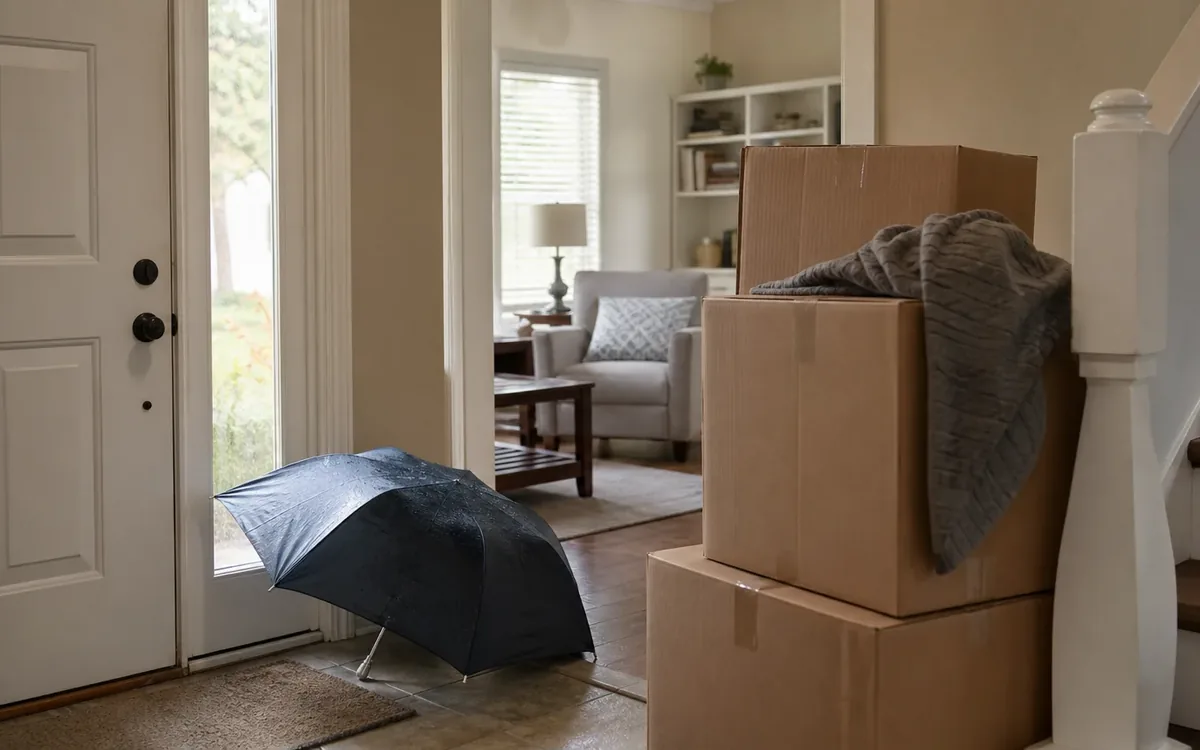
What climate conditions matter during a South Carolina move?
“Hot” and “cold” are not specific enough for planning. Consider the full route an object takes: the origin home, loading area, vehicle, transfer facility, storage location, destination driveway, and final room. Conditions may vary at each point.
Heat and enclosed vehicles
An enclosed vehicle or container can expose goods to different conditions than the surrounding air. Heat may soften wax, adhesives, vinyl, and some finishes. It can also affect batteries, electronics, cosmetics, and art supplies.
Ask the transport provider how the vehicle or container is ventilated and whether any environmental controls apply throughout the route. Do not assume that “protected” means climate-controlled.
Humidity and condensation
Paper, fabrics, wood, leather, and upholstered furniture can absorb moisture. A rapid transition from a cool environment to warm, humid air can also create condensation on or inside objects.
Plastic can provide short-term protection from rain or dirty surfaces, but sealing a damp object in plastic may trap moisture. Items should be clean and dry before wrapping. Long-term packaging choices should be discussed with a qualified conservator when an object is valuable, fragile, or historically important.
Salt air
For moves near the South Carolina coast, salt carried by air and moisture can contribute to corrosion and leave residue on exposed surfaces. Metal components, tools, outdoor furniture, and electronic connections deserve extra attention.
Keep vulnerable items dry and covered during staging. Clean visible residue according to the manufacturer’s instructions. For antiques, artwork, or delicate finishes, obtain material-specific advice before applying any cleaner.
Colder destination conditions
A move from South Carolina to a colder region may expose finishes, plastics, electronics, plants, and liquids to low temperatures. Some materials become brittle, while others may be damaged by freezing or by condensation during warm-up.
Confirm prohibited or restricted contents with the mover. Household chemicals, fuels, pressurized containers, and other regulated materials require provider-specific and authority-specific guidance. Do not place them in a shipment merely because they fit inside a box.
If climate planning is part of a larger estate transition, the guide on how estate cleanouts work explains how sorting and disposition decisions can be separated from legal authority and professional valuation.
How should moisture-sensitive belongings be prepared?
Begin with dryness, cleanliness, and airflow. Packaging should not conceal an existing leak, damp textile, mold-like growth, pest activity, or musty odor.
For books and paper records:
- Place documents in clean folders or archival enclosures appropriate to their importance.
- Pack books flat or upright, not with pages or spines under uneven pressure.
- Keep cartons off wet pavement, damp floors, and exterior walls during staging.
- Carry essential records separately when loss would interrupt the move or create identity risks.
For textiles and upholstered goods:
- Launder or professionally clean suitable items before packing.
- Verify that every layer is fully dry.
- Use breathable protection when extended enclosure could trap moisture.
- Keep fabric away from leaking containers, cleaning products, and damp outdoor gear.
For wood and leather:
- Avoid placing adhesive tape directly on a finished surface.
- Use clean padding that will not transfer dye or texture.
- Do not apply oils, polish, or conditioner solely as a moving precaution without checking product and manufacturer guidance.
- Photograph existing cracks, lifting veneer, stains, and worn finishes.
Visible mold, extensive water damage, or suspected contamination calls for appropriate professional assessment. A cleanout or move team may isolate an item and help prevent cross-contact, but testing, remediation scope, habitability, and compliance decisions belong to qualified inspectors, remediation providers, or responsible authorities.
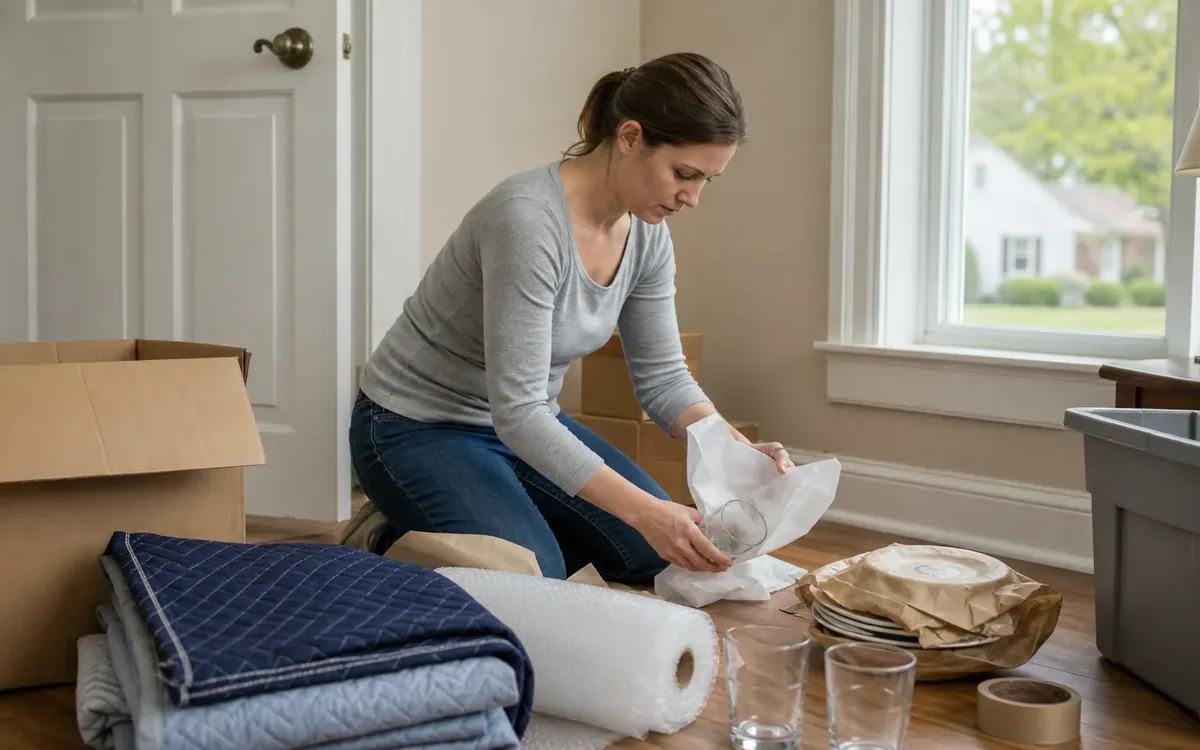
What needs special planning for heat, cold, and condensation?
Electronics should be shut down correctly, disconnected, and packed according to manufacturer instructions when available. Back up important data before the device enters transit. Remove batteries when the manufacturer recommends doing so, and cover exposed connections without applying adhesive to sensitive components.
At the destination, avoid powering on a device that feels unusually cold or shows moisture. Let it adjust in a dry, stable indoor setting and follow its manufacturer’s guidance. A mover or organizer may place and label the carton, but an electrician or qualified technician should evaluate damaged wiring, wet devices, unusual odors, or installation requirements.
Other temperature-sensitive groups include:
- Candles and wax objects: Keep separate from paper, fabric, and finished surfaces that could be stained.
- Musical instruments: Follow maker guidance and consult an instrument specialist when humidity changes may affect wood, glue, strings, or tuning.
- Artwork and photographs: Seek conservation advice for valuable or unstable pieces rather than relying on ordinary household wrap.
- Liquids and cosmetics: Check for leaks, heat sensitivity, freezing risk, and mover restrictions.
- Plants: Review carrier policies and applicable agricultural rules for the destination. Plant-health and transport requirements are determined by the relevant authority, not a move team.
The household decides whether an item’s importance justifies specialized handling. An appraiser can offer an independent opinion of value, and a conservator can recommend preservation measures. The mover decides what it will accept and how its transport service is configured.
How can metal and coastal-exposed items be protected?
Inspect metal objects before packing. Existing rust, tarnish, pitting, flaking coatings, or salt residue should be documented so later changes are easier to identify.
Use these precautions:
- Wipe clean, stable surfaces using manufacturer-approved methods.
- Dry each item before it is wrapped or boxed.
- Separate bare metal from damp fabric, treated lumber, household chemicals, and leaking batteries.
- Bag small hardware by furniture piece and label it clearly.
- Cushion sharp metal edges so they do not pierce packaging.
- Keep tools and outdoor equipment away from clean textiles and paper.
Do not improvise chemical rust removal on an antique, firearm, collectible, or valuable object. Firearms and ammunition are also subject to carrier rules and applicable law. The owner should seek guidance from the carrier and appropriate legal or regulatory source.
Outdoor furniture arriving from a coastal setting may carry salt, sand, soil, insects, or plant material. The household can choose to clean and inspect it before loading. Pest treatment, invasive-species questions, and destination restrictions should be handled by qualified providers or the relevant authorities.
What should be decided before storage or transport?
The label “climate-controlled” can mean different things to different providers. Ask direct questions instead of relying on the phrase alone.
Clarify these six points:
- Environmental conditions: Ask what is controlled or monitored, including temperature, humidity, ventilation, and pest management.
- Coverage gaps: Determine whether controls apply during loading, transit, transfers, and final delivery or only inside one building.
- Restricted goods: Request the provider’s written list of prohibited materials and packing requirements.
- Access: Understand who may enter the unit or container and how access is documented.
- Insurance: Review homeowners, renters, transit, and storage coverage with the relevant insurer or agent. Do not assume one policy covers every stage.
- Damage procedures: Learn how condition records, notices, and claims are handled under the provider’s contract.
Storage is a separate household purchase and provider relationship. A move team may help compare logistical questions or prepare an inventory, but the storage provider defines its conditions and contract.
The same separation applies to contractor work. The household may identify repairs needed before departure or after arrival, while qualified contractors determine methods and scope. Building-code interpretation, permits, and compliance outcomes stay with the applicable professionals and authorities.
How should belongings acclimate at the destination?
Acclimation means allowing an item to adjust gradually to its new indoor environment before it is unwrapped, assembled, powered, tuned, filled, or placed under stress. It is particularly relevant when goods arrive cold, hot, or damp.
Create a clean receiving area away from open doors, direct sun, wet floors, active construction, and strong HVAC discharge. Compare cartons with the inventory and inspect outer packaging before opening it. Photograph crushing, punctures, staining, or condensation.
Prioritize examination by sensitivity rather than by room:
- Wet or visibly damaged packages first
- Electronics and battery-powered items
- Paper, photographs, and artwork
- Wood, leather, and musical instruments
- Metal items with visible condensation
- Durable, low-risk household goods
Do not seal visibly damp goods back inside the same packaging. Separate them from dry belongings and seek suitable restoration or remediation advice when needed.
Acclimation is not a fixed waiting period that works for every object. Material, construction, packaging, temperature difference, humidity, and manufacturer instructions all matter. A conservator, instrument specialist, electronics technician, or other relevant professional should guide high-value or technically sensitive items.
Assigning decisions to the right person
Climate-aware planning works best when responsibilities are explicit.
The household can decide:
- Which belongings to keep, donate, sell, recycle, or discard
- Which items deserve specialized packing or separate transport
- How to prioritize sentimental value and replacement difficulty
- Whether to purchase storage or request appraisal and conservation advice
- Who may approve disposition when the household has proper authority
A practical cleanout or move team may discuss:
- Sorting zones and sensitivity labels
- Inventory structure and condition photographs
- Packing sequence and staging locations
- Questions to ask movers, storage providers, and specialty vendors
- Coordination between household-approved providers
Responsible professionals or authorities decide:
- Appraised value and appropriate valuation methods
- Conservation or restoration treatment
- Structural, electrical, environmental, and pest findings
- Real-estate disclosures, inspections, and transaction advice
- Legal authority over estate or jointly owned property
- Carrier restrictions, insurance coverage, permits, and code compliance
Before selling, donating, or discarding property from an estate, confirm who has legal authority. A cleanout company can follow authorized directions, but it does not determine ownership or resolve disputes.
A climate-risk inventory that remains useful after delivery
A useful inventory does more than list “lamp” or “box of books.” Add fields that support handling and destination checks:
- Item or carton identifier
- Origin room and destination room
- Primary climate sensitivity
- Existing condition concerns
- Packaging used
- Specialty instructions or manufacturer guidance
- Transport or storage provider
- Destination inspection notes
- Final placement or disposition
Keep the inventory accessible outside the shipment. Store photographs and key documents in a secure location available to the authorized household decision-maker.
This record can also help distinguish climate concerns from unrelated damage. It is not an appraisal, inspection report, insurance determination, or legal inventory unless the relevant professional states otherwise.
Short FAQ
Should every box be sealed in plastic?
No. Plastic may protect against brief surface exposure, but it can also trap moisture. Choose packaging based on the material, dryness of the item, transport conditions, and storage plan.
Can ordinary movers handle climate-sensitive belongings?
Ask each mover about accepted goods, packing standards, equipment, environmental controls, exclusions, and claims procedures. Valuable art, instruments, antiques, or specialized electronics may require a specialty provider.
Who decides whether an item needs an appraisal?
The household or legally authorized representative decides whether to seek one. A qualified appraiser provides the value opinion. A move or cleanout team may flag an item for review but should not present a casual estimate as an appraisal.
What should stay with the household during the move?
Keep identity documents, medications, essential legal and financial records, keys, irreplaceable digital backups, and items prohibited by the carrier under the household’s direct control, subject to safety and legal requirements.
Can Clutter Cleaner of South Carolina coordinate a climate-aware move?
Clutter Cleaner of South Carolina, based in Mount Pleasant and serving households across South Carolina, can discuss move-management needs, sorting, organizing, and coordination within its service scope. Specialty transport, storage, appraisal, conservation, inspection, contracting, insurance, legal, and compliance decisions remain with the relevant providers or authorities. Call (843) 972-7020 to discuss the household’s situation and available options.



