

Pack your first-night essentials in clearly labeled bags or bins that stay with you, rather than disappearing among moving boxes. Include medications, toiletries, bedding, a change of clothes, drinking water, easy food, chargers, and basic supplies for children or pets. For a move in Charleston or elsewhere in South Carolina, protect those essentials from heat and rain so you can settle in without searching through the house.
Quick answer: Build one personal bag per household member, one shared household kit, and a separate pouch for documents, keys, and valuables. Keep them accessible during the move. Before leaving your current home, confirm that you have what you need to eat, wash, take medication, charge a phone, and sleep comfortably at the destination.
What belongs in a first-night essentials kit?
A first-night kit is not a miniature version of everything you own. It is a small, deliberate collection that lets your household function while most belongings remain packed.
Choose items by activity rather than by room. A bathroom box might contain decorative towels and spare toiletries, but your first-night bag needs the toothbrush and soap you will actually use.
Start with these core needs:
- Health: prescribed medications, necessary medical supplies, glasses, and hearing aids.
- Personal care: toothbrushes, toothpaste, soap, deodorant, and menstrual products as needed.
- Clothing: comfortable sleepwear, clean underwear, and clothes suitable for the next morning.
- Sleep: sheets, pillows, blankets, and any familiar comfort item.
- Food and water: drinking water, simple meals, snacks, and necessary feeding supplies.
- Communication: phones, chargers, and a charged power bank if available.
- Basic household use: toilet paper, hand soap, trash bags, and a flashlight.
Adjust the kit to actual needs. Someone who uses a mobility aid or medical device may need more space than someone whose essentials fit in a backpack.
If you are coordinating a larger transition, move management services can be part of a discussion about organizing belongings and communicating priorities. First-night access should be identified separately from general packing so everyone understands which containers must remain available.
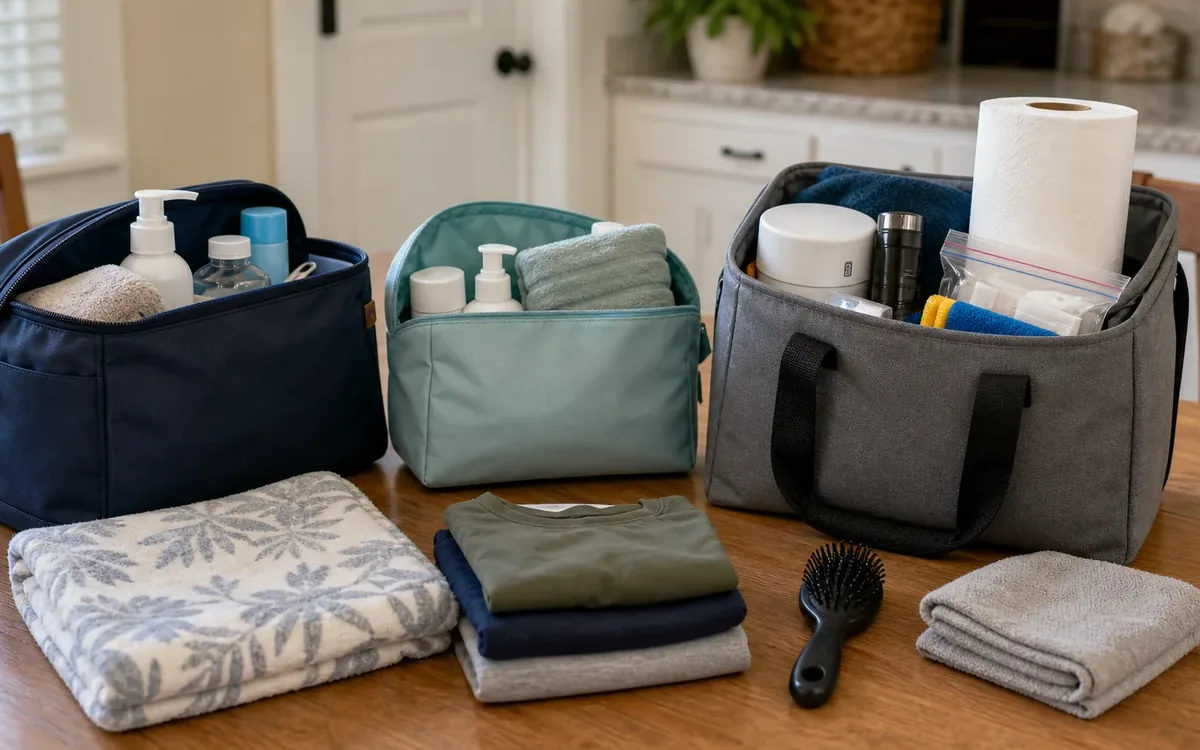
Divide essentials into personal bags and a shared kit
Separate containers make the kit easier to use. Each person should know where their personal items are, while shared supplies stay together.
Use a backpack, overnight bag, or small suitcase for each household member. Pack clothing, toiletries, personal medication, and individual chargers there. Let children help choose a comfort item, while an adult checks practical necessities.
The shared kit can hold:
- Toilet paper and hand soap.
- Paper towels or washable cleaning cloths.
- Trash bags.
- A small supply of dishes, cups, and utensils.
- Simple food and drinking water.
- A flashlight and appropriate batteries.
- Basic bedding if it is not in personal bags.
Keep keys, identification, necessary paperwork, and valuables in a separate pouch under a designated adult’s control. Do not combine sensitive documents with cleaning products or damp toiletries.
Avoid making one enormous essentials bin. If it becomes difficult to carry or locate items inside, divide it by function. The goal is access, not maximum container capacity.
During an estate-related move, identifying personal necessities may happen alongside decisions about the remaining contents. The guide What Is the Best Way to Clean Out an Estate? addresses that broader task. Keep the first-night kit outside any donate, sell, or discard sorting area.
How do you keep essentials accessible on moving day?
An essentials kit only works if it arrives where you can reach it. Give it a clear label, a specific location, and a responsible person.
Mark containers with plain wording such as FIRST NIGHT: KEEP WITH HOUSEHOLD. A bright tag can help distinguish them from ordinary boxes, but the written instruction matters more than the color.
Before anyone starts moving belongings, explain which bags are excluded from general loading. A practical move team may discuss container placement, labeling, handoffs, and which person will carry important items. Do not assume a special handling arrangement exists unless it has been agreed upon.
Choose a transportation plan that matches your circumstances:
- Carry personal bags in the vehicle traveling with the household.
- Keep medications and important documents with the person responsible for them.
- If essentials must travel with other belongings, agree on how they will be identified and retrieved.
- Avoid leaving the only house key in a packed container.
At the destination, put the kit in a dry, easy-to-reach location outside busy carrying routes. Tell the household where it is. Otherwise, even a well-packed bag can become lost behind arriving furniture.
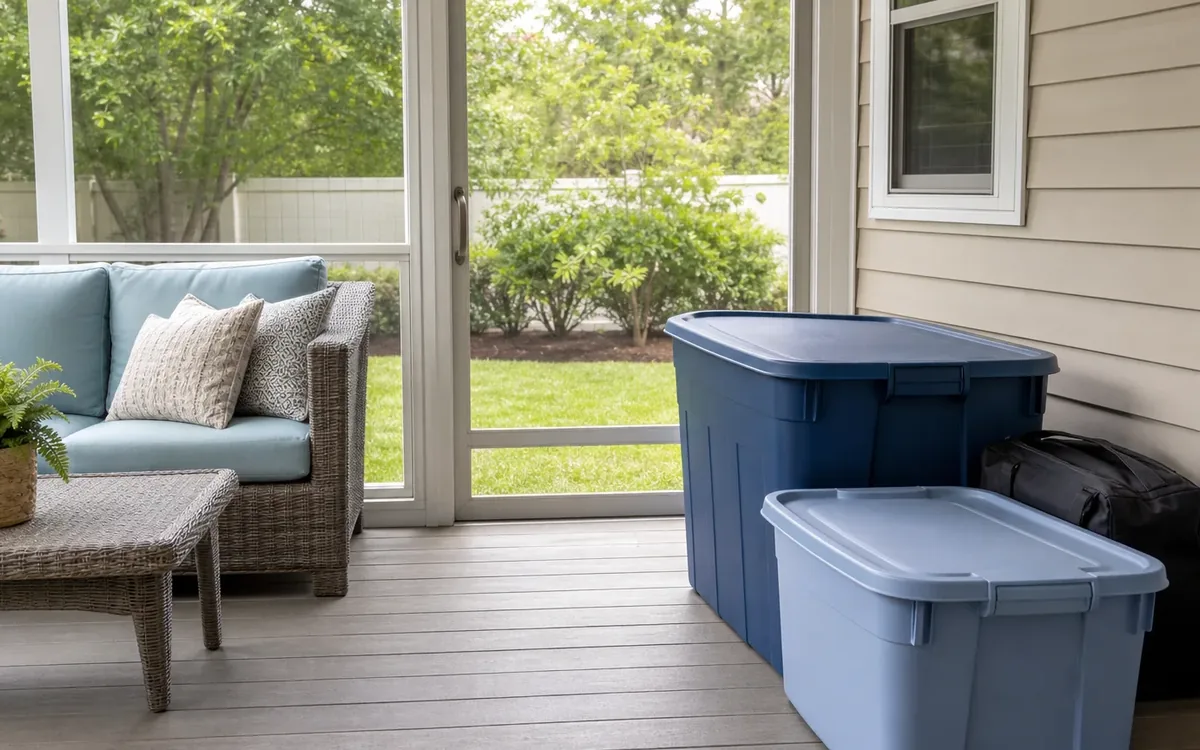
Protect the kit from South Carolina heat and storms
Heat or storms can complicate a South Carolina move. Plan for exposure during the trip and while items are carried between vehicles and buildings.
Use a water-resistant outer container or protective bag for items that cannot get wet. Place toiletries in leak-resistant pouches, and separate them from documents, electronics, and bedding. Keep towels accessible for drying hands or wiping a wet container.
For medication, follow the label, pharmacist’s instructions, or prescribing professional’s guidance. Do not assume that a cooler is suitable for every medicine. Some products require specific temperature control, and others should not touch ice or frozen packs.
Keep drinking water accessible rather than buried in a kitchen box. Choose food that can travel safely under your actual conditions. If safe food storage is uncertain, bring shelf-stable options instead of relying on perishables.
A useful weather-ready addition includes:
- A rain jacket or other practical rain protection.
- A dry change of clothes.
- A flashlight.
- A charged phone and available backup battery.
- Protective bags for paperwork and electronics.
Check current conditions and access instructions before traveling. Do not cross flooded areas or treat an essentials kit as a substitute for safe travel decisions. Weather-related delays may require a separate overnight plan.
Pack for sleeping, washing, and a simple meal
Think through the first evening in order. You enter the home, use the bathroom, eat something, wash, and prepare to sleep. Pack for those actions without assuming the relevant room boxes will be open.
For the bathroom, bring toilet paper, hand soap, towels, and the toiletries each person needs. A shower curtain may belong in the kit if the bathroom requires one and you intend to shower. Verify that detail instead of guessing.
For sleep, match bedding to the available sleeping arrangement. Keep sheets with the correct bed size, and make pillows easy to identify. If a bed will not be ready, decide on a safe alternative before arrival, not after the household is exhausted.
For food, choose a meal that needs little preparation. Include a can opener only if your food requires one. Add cups and utensils, and consider dietary restrictions or allergies.
Do not count on cooking appliances, refrigeration, or utility service without confirmation. Household members can decide on meal preferences and sleeping arrangements. Questions about electrical safety, plumbing problems, or equipment operation may require the appropriate provider or qualified professional.
A familiar mug or small comfort item can make the evening easier, but practical supplies should take priority over decorative extras.
What changes when children, pets, or older adults are moving?
Shared basics are only the starting point. Some household members need routines or equipment that cannot be replaced by a standard overnight bag.
For infants or children, consider:
- Diapers, wipes, and a change of clothes.
- Feeding supplies appropriate to the child’s needs.
- A familiar blanket, book, or comfort object.
- Necessary medications and caregiver instructions.
- A safe sleeping setup appropriate to the child.
Keep essential child-care items with the caregiver rather than assigning them to a general household bin. Do not improvise a sleeping arrangement that conflicts with pediatric safety guidance.
For pets, pack food, bowls, medication, leashes or carriers, waste supplies, and familiar bedding. Decide where the animal will stay while doors are open and belongings are being carried. Veterinary guidance should govern medication and health questions.
For older adults or anyone with access needs, include mobility aids, glasses, hearing-device supplies, and necessary charging equipment. Consider whether the route to the sleeping area and bathroom is usable before arrival.
Ask the person which items support their routine rather than making assumptions. Keep prescribed care instructions available, and arrange professional guidance when a medical device, transfer, or care requirement raises questions.
Confirm the home is ready without overpacking the kit
A first-night kit cannot solve every destination problem. Keep readiness questions separate from packing decisions.
Confirm access to the home, the intended sleeping space, and the availability of essential utilities. Identify who to contact if a key does not work or an expected service is unavailable. Have a fallback place to stay if the property cannot be used safely.
The household can choose what to pack, who carries it, where to place it, and which personal routines matter most. A practical cleanout or move team may discuss labels, organization, access routes, and household-approved sorting decisions within the agreed scope.
Other decisions remain separate:
- Real-estate professionals and transaction parties handle possession and transaction questions within their roles.
- Inspectors or qualified contractors assess building conditions and needed work.
- Relevant authorities determine applicable compliance requirements.
- Attorneys advise on legal rights, ownership disputes, or estate authority.
- Appraisers address valuations when a professional appraisal is needed.
Storage, contractor work, appraisals, and disposal are separate household or provider choices, not automatic parts of first-night planning. Keep disputed property out of the kit until the responsible person has authorized its use or removal.
Do a final essentials check before departure
Test the kit against real actions, not a perfect-looking packing list.
Ask each person whether they can get ready for bed and dress the next morning using only their bag. Then check the shared kit for bathroom use, a basic meal, and lighting.
Make the final check concrete:
- Locate medication rather than relying on memory.
- Confirm that chargers match the devices traveling with you.
- Check that bedding fits the planned sleeping arrangement.
- Make sure the destination key is accessible.
- Remove leaking containers or unnecessary heavy items.
- Tell everyone who is carrying the shared kit.
Anything needed during the journey should be easier to reach than something needed only after arrival. Put water, travel medication, and immediate child or pet supplies near the top.
Short FAQ
Should valuables go in the first-night kit?
Keep small valuables and important documents in a separate, secure pouch under a responsible person’s control. Avoid placing them in a shared bin that several people will open.
Do I need cleaning supplies?
Bring a few basics, such as hand soap, cloths, and trash bags. A first-night kit is not a substitute for a separate cleaning plan. Avoid mixing incompatible products or packing chemicals beside food.
What if I cannot stay in the new home?
Use your backup accommodation plan and keep the essentials with you. Resolve access, utility, or safety issues through the responsible party or qualified professional before treating the property as ready.



