
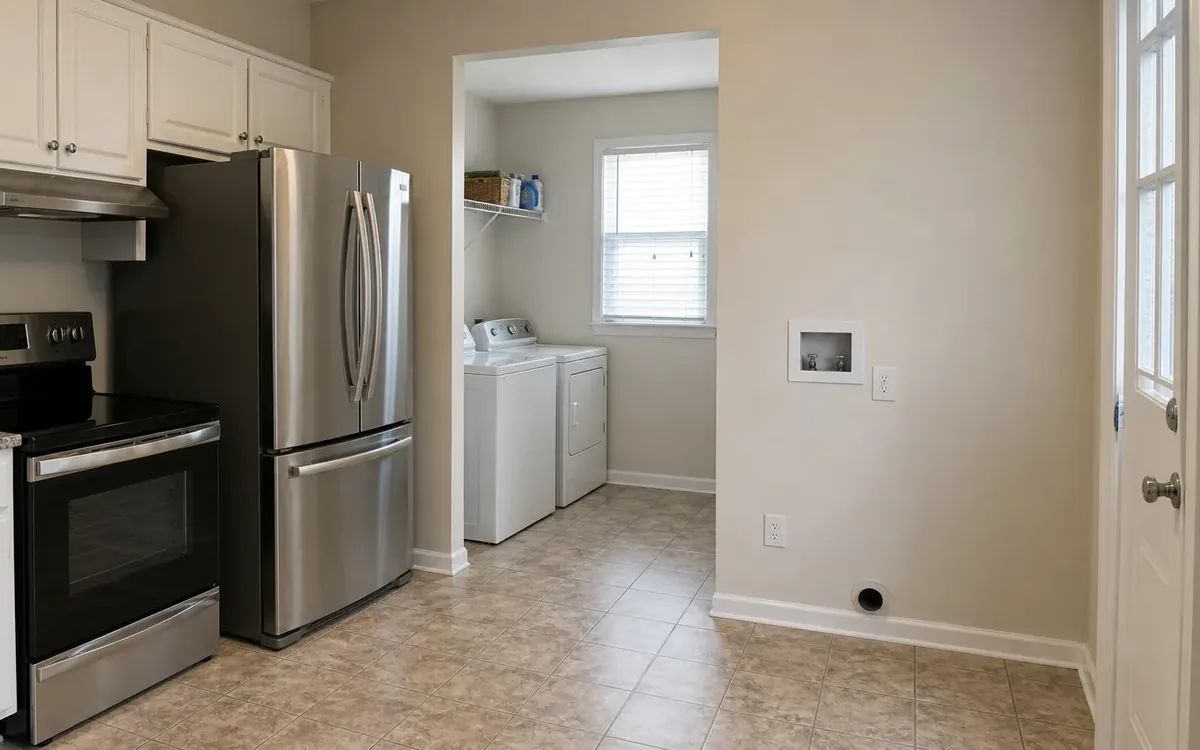
Before moving, identify each appliance’s water, gas, and electrical connections, check its manufacturer instructions, and arrange qualified help for anything beyond an accessible plug or a straightforward, permitted household task. Do not assume the team handling your move will disconnect appliances. Confirm responsibilities before anyone pulls equipment away from a wall.
For South Carolina households, the important distinction is between preparing an appliance and disconnecting its utilities. Emptying a refrigerator is household preparation. Separating a gas line or disconnecting hardwired equipment is specialized work that should stay with the appropriate professional.
Quick answer:
- Confirm which appliances are leaving and which must remain connected.
- Identify connections without moving heavy equipment or opening electrical panels.
- Follow the appliance manual for household preparation.
- Arrange the appropriate plumber, electrician, or qualified gas professional for specialized connections.
- Keep the appliance out of use after disconnection and document its status for the handoff.
What should you check before disconnecting an appliance?
Start with the appliance’s identity and connection type, not with its size. Two similar-looking ranges may use different utilities. A refrigerator may have an ice-maker supply line even when its main electrical connection is an ordinary plug.
Create a simple connection record for each appliance that needs attention. Include:
- Appliance type, brand, and model number, if accessible.
- Whether it uses a plug or appears to be hardwired.
- Any visible water supply, drain, gas connection, or vent.
- Whether the shutoff is accessible without moving the appliance.
- Any leaks, damaged hoses, unusual odors, or damaged cords.
- Who will disconnect it and who will confirm completion.
Photograph accessible connections without removing covers or reaching behind unstable equipment. If a connection cannot be seen safely, record it as unknown rather than guessing.
Find the manufacturer’s manual using the model number. Its shutdown, draining, and disconnection instructions matter more than generic advice. If the manual is unavailable or the setup differs from its illustrations, ask the appropriate professional to assess it.
Also confirm ownership and destination. In a home sale, whether an appliance stays may depend on the transaction documents. The household can communicate preferences, but the real-estate professional or attorney should clarify contractual obligations before disconnection.
Separate household preparation from utility work
A household can usually decide what needs to be emptied, cleaned, labeled, or left alone. It can also decide which separate providers to contact. Those choices do not establish that a connection is safe to disconnect.
Household preparation may include removing food, unloading a dishwasher, washing removable trays, locating manuals, and keeping children and pets away from the work area. Only undertake tasks that are safe, accessible, and consistent with the appliance instructions.
Professional work may be needed for gas lines, hardwired electrical connections, inaccessible shutoffs, damaged plumbing, or a connection whose purpose is unclear. Do not treat a breaker being switched off as proof that wiring is safe to handle.
Clutter Cleaner of South Carolina offers move management services throughout South Carolina. A practical planning discussion can address the appliance inventory, access needs, and responsibility handoffs. Confirm what the move team will handle rather than assuming utility disconnection is included.
For an inherited household, the guide to how estate cleanouts work provides broader cleanout context. Appliance disconnection still needs its own plan, especially when ownership or instructions are unresolved.
Who should disconnect gas and hardwired appliances?
Use an appropriately qualified professional for gas connections and hardwired equipment. Depending on the installation, that may mean a gas service professional, plumber, electrician, or appliance technician qualified for the particular work. Ask the provider whether the requested task falls within their qualifications and local requirements.
A gas range or dryer is not ready for handling merely because its controls are off. A professional should address the supply connection, any required closure or capping, and appropriate checks. Do not loosen gas fittings, improvise plugs, or rely on a lack of odor as proof of safety.
If you smell gas or suspect a gas leak, stop preparations and leave the area. Avoid operating switches, appliances, or anything that could create a spark. Contact the gas utility’s emergency number or emergency services from a safe location and follow their instructions.
Hardwired appliances require similar caution. Dishwashers, wall ovens, cooktops, and some other equipment may connect directly to building wiring. Do not open a junction box or detach wires as part of ordinary household preparation.
Ask the provider to clarify:
- Which connections they will disconnect.
- How remaining building connections will be secured.
- Whether additional work or another trade is necessary.
- What documentation they can provide after completion.
Permit, inspection, and compliance determinations belong to the responsible professional and applicable authority. A cleanout or move team’s observations do not replace those decisions.
How do you prepare water-connected appliances safely?
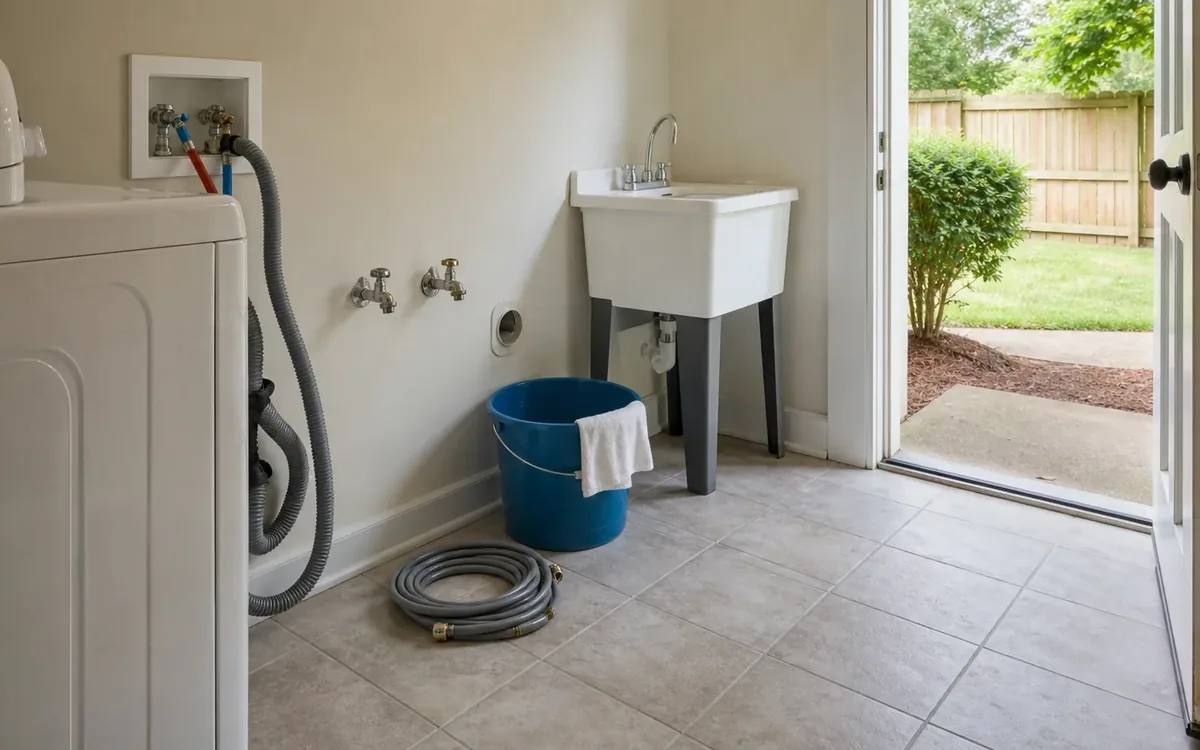
Water-connected appliances deserve a separate plan because a small supply line can create a significant leak. Refrigerators with dispensers, washing machines, dishwashers, and some specialty appliances may have water connections that are easy to overlook.
Before touching a valve, identify what it serves. Do not force a stiff, corroded, or leaking shutoff. If a valve is inaccessible, unmarked, or questionable, arrange a plumber’s assessment rather than moving equipment to reach it.
For an accessible household task allowed by the manufacturer’s instructions, the basic preparation sequence is to stop appliance use, identify and close the correct supply valve, and manage residual water as directed. Actual hose or pipe separation should only proceed when the person doing it understands the connection and can complete it safely.
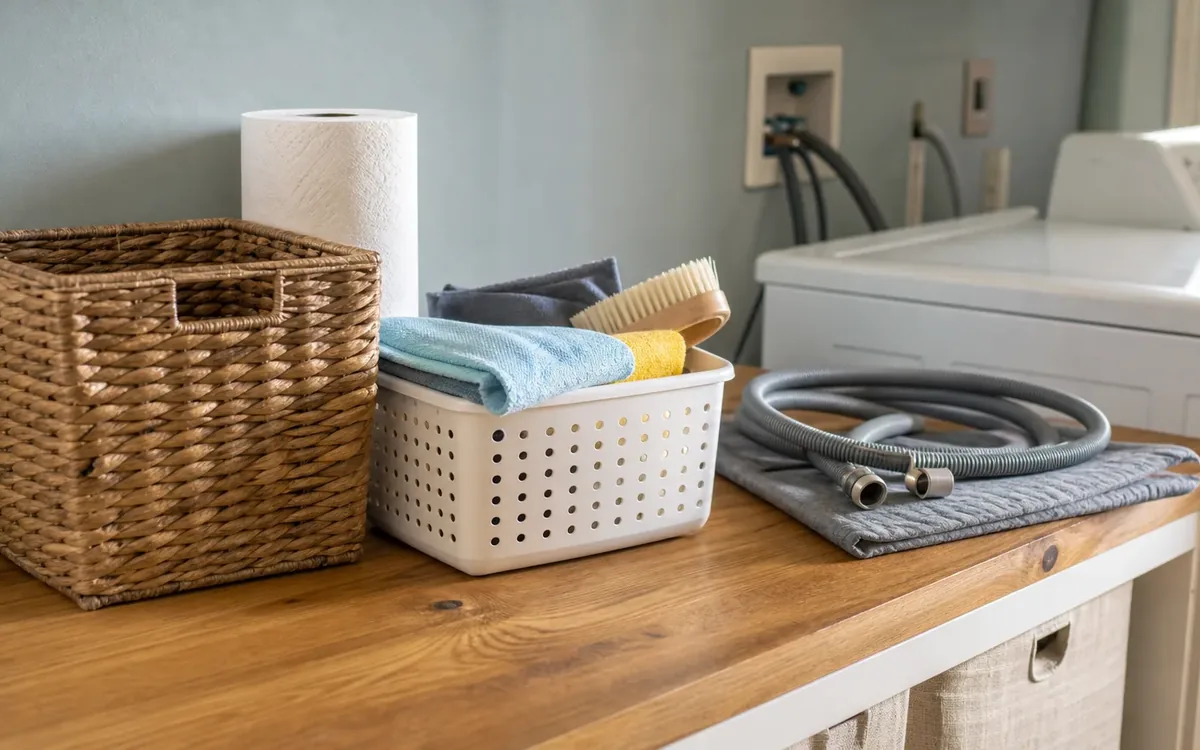
Have towels and a suitable container available for expected residual water. They are preparation supplies, not a substitute for a sound shutoff. If water continues flowing unexpectedly, stop and seek plumbing help.
After disconnection, the remaining supply connection needs an appropriate secure condition. Ask the plumber whether a cap or other measure is needed. Do not assume a closed valve alone is sufficient for every installation.
Label disconnected appliances so nobody restarts them. Keep the surrounding floor dry and check accessible areas for leakage without disturbing the completed work.
Apply the plan to each appliance type
The safest approach is appliance-specific. Use these points to frame the household’s preparation and the professional’s scope, rather than as universal repair instructions.
Refrigerators and freezers
Empty food and removable contents, then follow the manual for shutdown, cleaning, and any required defrosting. If there is an ice maker or dispenser, identify its water supply. Protect the floor from defrost water, and ask for plumbing help if the shutoff or tubing is uncertain.
Washing machines
Remove laundry and follow the manual’s instructions for draining remaining water. Identify both supply hoses and the drain connection. Do not pull a drain hose free without understanding its installation. A seized supply valve, deteriorated hose, or leaking connection is a reason to stop and call a plumber.
Electric dryers
Confirm whether the dryer has an accessible plug or a different electrical arrangement. An ordinary plug should only be handled with dry hands, intact components, and safe access, following the manual. Never yank the cord. Treat a damaged receptacle, heat discoloration, or loose connection as an electrical concern.
Gas dryers
Household preparation can include emptying the drum and clearing access. Leave gas-line separation and securing the supply to a qualified professional. The exhaust connection also needs attention, but detaching a vent does not make the gas connection safe.
Dishwashers
These often combine water supply, drainage, electrical connections, and cabinet attachments. Empty the machine and identify its manual. Do not pull it out to investigate hidden connections. Arrange qualified help for the actual disconnection when plumbing or wiring is not safely accessible.
Ranges, cooktops, and wall ovens
Confirm the fuel and connection type. Leave gas fittings and hardwired connections to the appropriate provider. Anti-tip brackets, cabinet fasteners, and built-in supports can make pulling an appliance forward hazardous even before utility work begins.
Specialty appliances
Steam ovens, built-in coffee machines, beverage equipment, and combination units may have less obvious connections. Give the provider the model information in advance so the work is not based on assumptions.
Coordinate access without expanding the work scope
Disconnection can stall when the correct provider arrives but cannot safely reach the appliance. Prepare the surrounding area without shifting heavy equipment yourself.
Clear loose household items from the approach, remove contents from nearby cabinets if access requires it, and identify floor hazards. Tell the provider about narrow spaces, built-in installations, or fragile finishes. Let them decide what access is necessary for their work.
For Charleston-area households and homes elsewhere in South Carolina, older or altered installations should be treated according to their actual condition, not assumptions about the neighborhood or building age. Unexpected connections require assessment, not improvisation.
A practical move or cleanout team may discuss access, sequencing, labeling, and how to avoid disturbing completed disconnections. Contractor work, storage arrangements, and disposal remain separate household or provider choices unless explicitly agreed otherwise.
If an appliance’s value affects an estate decision, use the responsible appraiser for valuation. If removing it exposes damage relevant to a sale, consult the real-estate professional and appropriate inspector. Do not ask the disconnection team to resolve ownership, value, or disclosure questions outside its role.
Confirm the handoff before anyone handles the appliance
A completed disconnection should be communicated clearly. “Ready” is too vague if nobody knows whether the water line, electrical connection, gas supply, and vent have all been addressed.
Use a short written handoff record:
- Appliance identity and location.
- Connections addressed and the provider responsible.
- Any remaining connection, defect, or restriction.
- Whether the appliance must remain out of use.
- Where detached accessories and instructions are kept.
Ask the provider to explain any unresolved issue in plain language. Record what they report without presenting it as a legal certification or inspection approval.
Keep people from reconnecting or testing the appliance casually. A disconnected unit should not be plugged in simply to see whether it still works, especially if water or gas connections have changed.
If the appliance will remain in the home, clarify who is responsible for any later reconnection. That is a separate task, not an automatic extension of disconnection.
Short FAQ
Can the household unplug every appliance?
No. Some appliances are hardwired, and others have inaccessible or damaged electrical connections. Only handle an ordinary plug when access is safe and the manufacturer’s instructions support the task.
Does switching off a gas appliance disconnect it?
No. Turning off the appliance controls does not separate or secure the gas supply. Arrange qualified gas work and follow emergency guidance if a leak is suspected.
What if the shutoff valve will not turn?
Do not force it. Stop the task and contact a plumber. Damaging a valve can turn planned preparation into an active leak.
Should an appliance be disconnected before a sale decision is final?
Usually, resolve the decision first. The household should confirm whether it stays, while contractual questions go to the real-estate professional or attorney. Avoid unnecessary utility work based on an assumption.
What should I ask Clutter Cleaner of South Carolina?
Ask how appliance preparation and outside-provider handoffs fit into your move-management plan. The business is physically located in Mount Pleasant and serves all of South Carolina, with Charleston as its primary market. Call (843) 972-7020 to discuss planning needs and confirm the agreed scope.



