
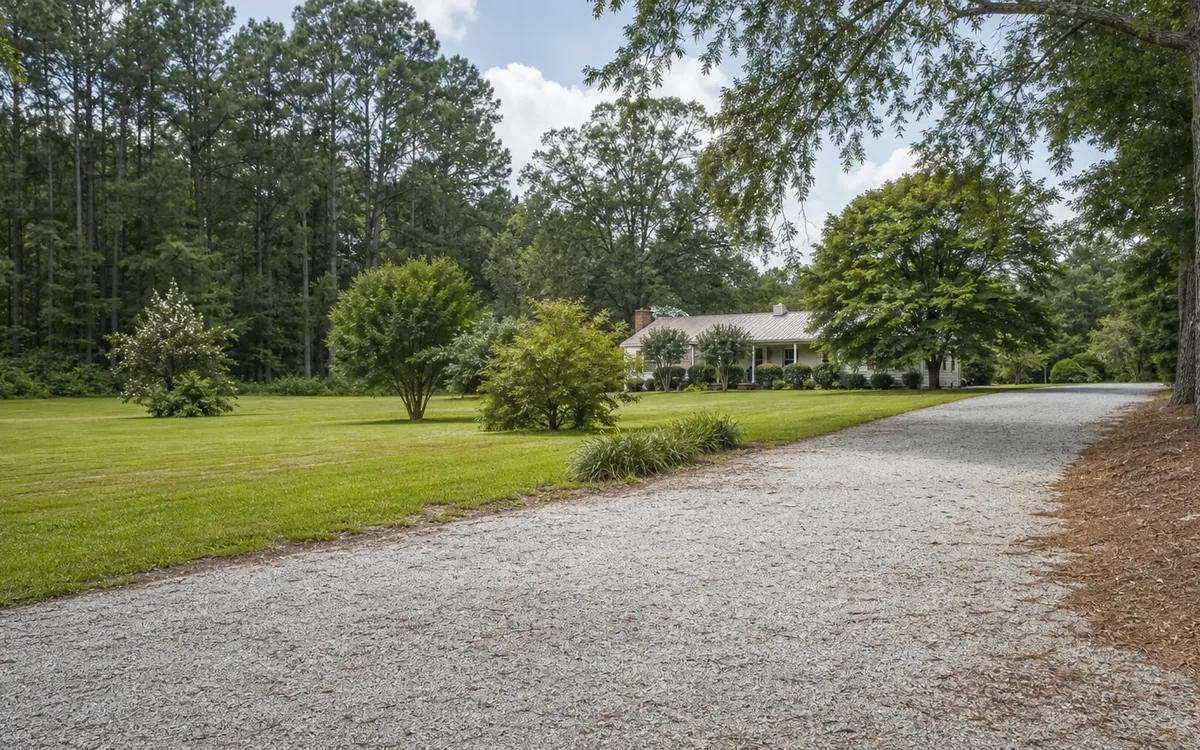
To arrange safer parking for estate sale attendees, confirm where vehicles may legally park, keep emergency and driveway access open, separate pedestrian routes from loading activity, and communicate the plan before visitors arrive. On narrow streets, a manageable arrival flow is more useful than trying to fit as many cars as possible near the house.
The household can choose how to use its own property and what parking information to share. Public-road restrictions, HOA requirements, accessible arrangements, and permission to use someone else’s lot need confirmation from the responsible owner, professional, or authority.
Quick answer: Establish approved parking areas, identify places that must stay clear, give visitors specific arrival instructions, and assign someone to handle parking questions from a safe position on private property. If safe parking is limited, discuss controlled entry or another sale format with the estate sale organizer rather than relying on roadside improvisation.
What should you check before choosing parking spaces?
Start with the property’s actual constraints, not the number of visitors you hope to accommodate. Walk the approach to the house and look at it from both a driver’s and a pedestrian’s perspective.
A shoulder that appears wide enough for a vehicle may conceal a ditch, soft ground, or a drainage feature. A driveway may hold several cars but leave no room for them to turn around. Neither is automatically a suitable parking area.
Check these conditions:
- Street width and visibility around curves or intersections.
- Posted parking restrictions and any applicable community rules.
- Neighboring driveways, mailboxes, hydrants, and utility access points.
- Sidewalks, crossings, steps, slopes, and walking surfaces.
- Space for vehicles to enter, leave, and load without trapping others.
- Ground conditions after rain and areas vulnerable to vehicle damage.
Treat uncertainty as a reason to verify permission. The household or organizer should ask the relevant local authority about public-road parking restrictions and any proposed traffic-control measures. HOA or property-management approval is separate from municipal or county requirements.
For help discussing how visitor arrivals fit the event, review Clutter Cleaner of South Carolina’s auctions and estate sales services. Parking arrangements still need to reflect the site, permissions, and responsibilities agreed upon for that particular sale.

Separate household choices from decisions requiring approval
The household can usually decide which parts of its property are available, which entrances visitors should use, and which belongings or vehicles need moving before the event. Those choices do not authorize parking on public streets or neighboring land.
An estate representative should also confirm who has authority to approve use of the property. Where ownership or estate authority is unresolved, an appropriate legal professional should address that issue before commitments are made.
Keep the responsibilities distinct:
- Household or authorized estate representative: Approves use of the property and communicates known restrictions.
- Sale organizer: Discusses visitor flow, arrival instructions, staffing, and loading procedures within the agreed scope.
- HOA or property manager: Clarifies community rules and any required permission.
- Local authority: Addresses public-road restrictions, enforcement, and proposed traffic controls.
- Other property owner: Gives permission for any overflow lot or shared driveway use.
A practical cleanout or move team may discuss clearing a driveway, relocating household items, or coordinating work so vehicles are not competing for space. That does not make the team responsible for interpreting ordinances, approving accessibility compliance, or directing public traffic.
If access preparation overlaps with clearing the estate, the guide to how estate cleanouts work provides useful broader context. Keep the parking plan focused on arrivals and access rather than turning it into a complete cleanout project.
How do you plan for narrow streets and HOA rules?
Narrow streets and HOA rules can complicate estate sale parking in South Carolina communities. The practical issue is whether parked vehicles leave usable access, not simply whether an empty curb exists.
Ask the HOA or property manager for the relevant written rules. Check restrictions on visitor parking, common areas, signs, gates, and event activity. Do not assume a neighbor’s previous gathering establishes permission for an estate sale.
If street parking is permitted, evaluate the proposed pattern with the appropriate authority where needed. Avoid inventing a one-way traffic route or placing cones in the roadway without approval.
Useful questions include:
- Are any streets or curb areas prohibited for parking?
- Must visitors use designated guest spaces?
- Are temporary signs allowed, and where may they stand?
- Does the community require notice or approval for the event?
- How will visitors enter a gated community without creating a queue?
- Who should receive reports of blocked access?
Keep written permissions and contact information accessible to the organizer. Communicate verified restrictions plainly, without suggesting that the sale has authority over public parking.
If the site cannot accommodate arrivals safely, discuss appointment-based access, controlled attendance, or a different event arrangement with the organizer. These are planning options, not guarantees that every property can host a workable sale.
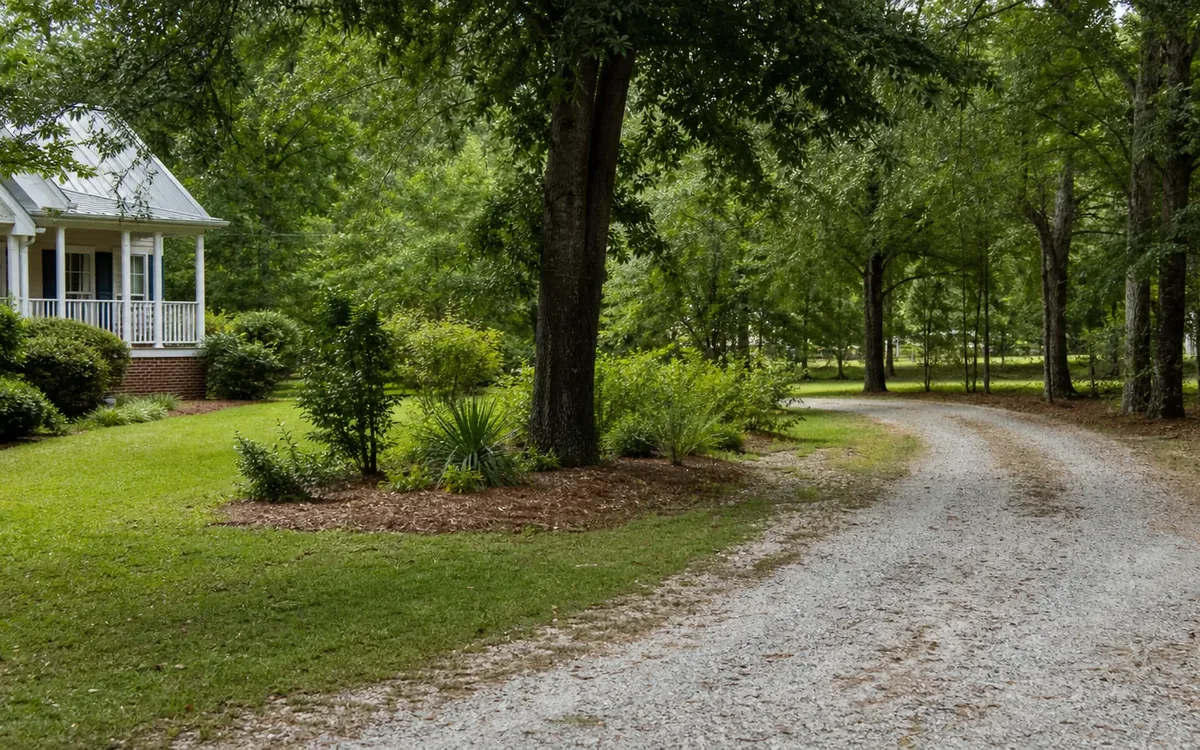
Build a simple parking and walking layout
Create a basic sketch showing the house entrance, approved parking, the visitor walking route, and the pickup area. It does not need to be professionally drawn, but it should be understandable to everyone helping with arrivals.
Mark areas that must remain clear. Include neighboring driveways, emergency access, pedestrian paths, and any space needed for vehicles to turn. Confirm that the proposed layout does not require visitors to squeeze between parked cars or walk behind vehicles that are reversing.
Distinguish three functions:
- Attendee parking: Where visitors leave vehicles while browsing.
- Pedestrian access: How people reach the entrance and return safely.
- Loading: Where buyers collect purchases under the organizer’s procedures.
Avoid letting the loading area become ordinary parking. A buyer collecting furniture may need a different approach than someone arriving to browse.
Do not use lawns, vacant lots, or another property’s driveway without permission and a suitability check. Underground systems, landscaping, drainage, and wet ground can make an apparently convenient area unsuitable.
Keep the layout conservative. A space that only works when every driver parks perfectly is unlikely to work reliably during an event.
How can you accommodate visitors with mobility needs?
Choose the clearest available route between an approved drop-off or parking location and the entrance. Look for uneven surfaces, loose gravel, steep slopes, steps, and places where walking would conflict with moving vehicles.
A nearby space is not automatically accessible. The route beyond it matters, as does room to enter and exit the vehicle.
Before publishing arrival instructions, discuss:
- Whether a permitted drop-off point is available near the entrance.
- How that point can remain clear rather than becoming a parking space.
- Which entrance offers the most practical route.
- How visitors can ask about access before attending.
- Whether known steps or surface limitations need clear disclosure.
Do not label an improvised arrangement as legally compliant or fully accessible without appropriate review. Questions about applicable accessibility obligations belong with a qualified professional or responsible authority.
Temporary construction, ramps, or surface repairs are separate contractor choices. An estate sale organizer or cleanout team should not promise building modifications outside its agreed scope.
If the property has an unavoidable access limitation, describe it accurately. Clear information helps visitors make informed decisions without unsupported assurances.
Give neighbors useful notice, not vague reassurance
Neighbor communication should happen before event traffic appears. A brief, factual message is more useful than promising that nobody will be inconvenienced.
Explain the planned event hours, the intended parking arrangement, and how a neighbor can reach the designated contact. Share only confirmed details, and update neighbors if the plan changes materially.
A practical message might read:
“We are planning an estate sale at this property during the posted event hours. Visitors will be directed to the approved parking areas and told not to block driveways or sidewalks. Please contact the designated event contact if access to your property is obstructed.”
Add the contact details privately or through an appropriate community channel. Avoid publishing a neighbor’s personal information or identifying the estate’s circumstances unnecessarily.
Ask about access concerns that may not be obvious, such as shared-driveway arrangements or expected deliveries. Listening does not mean granting neighbors control over lawful activity, but it can reveal conflicts worth addressing.
Never suggest that notifying neighbors replaces HOA approval, property-owner permission, or compliance with parking restrictions.
Make arrival directions specific and consistent
Visitors should understand the parking plan before they reach the street. Use the same instructions in event communications, confirmation messages, and any permitted on-site signs.
Replace “plenty of parking nearby” with precise directions that reflect verified conditions. State where visitors should park, what areas must remain clear, and what to do if the approved area is full.
Useful wording includes:
- “Use only the designated visitor parking area.”
- “Do not block neighboring driveways or pedestrian paths.”
- “Keep the marked pickup area clear for loading.”
- “If designated parking is full, follow the organizer’s arrival instructions rather than waiting in the roadway.”
Give overflow directions only when the location is approved and the walking route has been considered. A nearby business, church, or community facility is not public overflow parking merely because its lot appears empty.
Place signs only where permitted. Keep them readable and out of walking paths and sight lines. Do not imitate official traffic signs or use signs to claim control over a public road.
Provide a contact method for access questions, but do not encourage drivers to read messages or call while moving.
Keep parking workable while the sale is open
Assign a designated person to monitor arrivals and report problems from a safe position. Clarify who handles visitor questions, who manages pickup activity, and who can pause admissions if congestion develops.
A parking helper should not stand in traffic or attempt to stop public-road vehicles without appropriate authorization. Their role can be limited to explaining the private-property layout and alerting the organizer.
Watch for changing conditions:
- Cars blocking exits or neighboring access.
- Visitors walking through loading activity.
- Queues extending into the road.
- Soft ground becoming damaged or slippery.
- Pickup vehicles occupying attendee spaces.
When parking reaches the approved capacity, follow the agreed arrival plan. Do not create improvised spaces along ditches, on sidewalks, or across neighboring frontage.
For an obstruction, contact the driver through the organizer when practical. Enforcement and removal decisions belong with the appropriate authority or authorized provider, not an untrained helper. For an immediate emergency, contact emergency services.
After the event, remove permitted temporary signs, check for property damage or litter, and close the loop with neighbors who raised concerns.
Short FAQ
Can attendees park on both sides of a narrow street?
Do not assume they can. Confirm applicable restrictions and whether the arrangement preserves safe access. An open curb alone does not establish suitability.
Can we borrow a nearby parking lot?
Only with the owner’s permission and a workable access plan. Confirm permitted use, restrictions, pedestrian routes, and who handles problems.
Should buyers load purchases from the main driveway?
Possibly, if the layout supports it. Discuss a separate pickup process so loading does not block arrivals, walking routes, or emergency access.
Can Clutter Cleaner of South Carolina help discuss event logistics?
Its approved services include auctions and estate sales across South Carolina. Discuss the proposed event and specific responsibilities at (843) 972-7020. Its physical location is Mount Pleasant, and Charleston is its primary market. Public parking approvals and legal or compliance determinations remain with the responsible authority or professional.



