
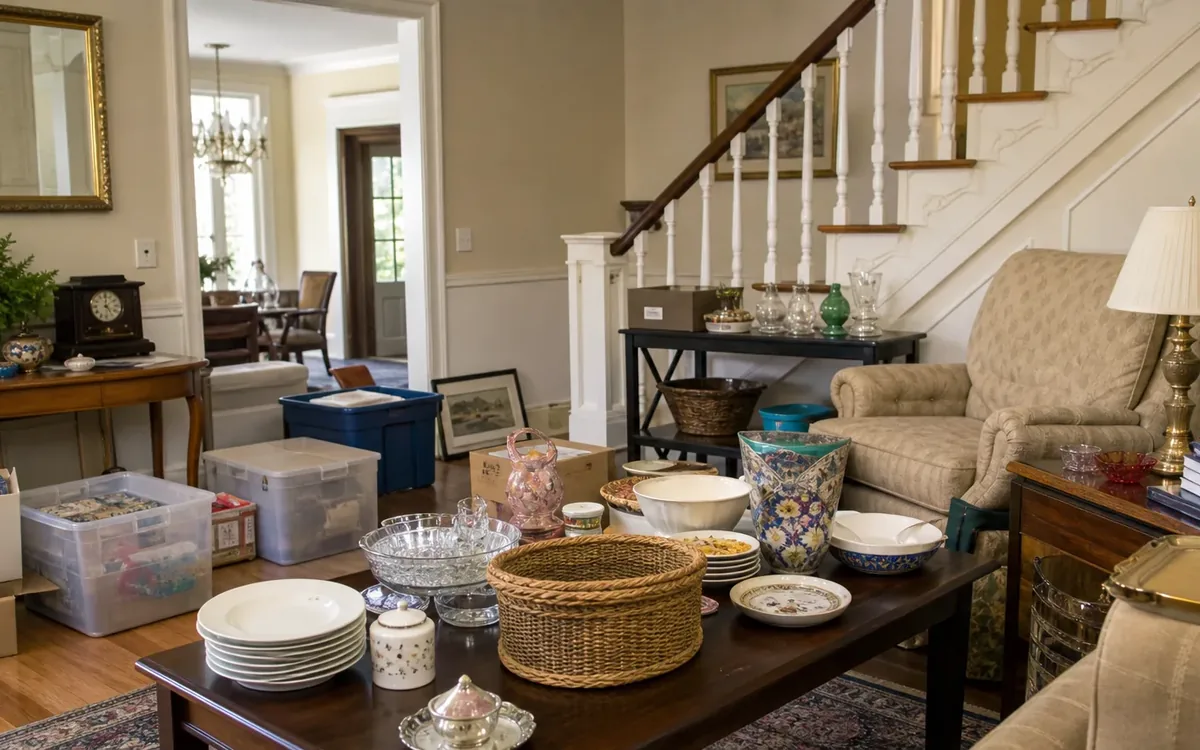
South Carolina estate sale weather planning starts with written triggers for changing the setup, moving merchandise, restricting entry, or postponing the sale. Assign one decision-maker, identify protected areas, prepare a customer communication plan, and decide in advance which conditions make outdoor displays or property access unsafe.
Quick answer: Build the plan around four operational decisions: what stays indoors, what weather triggers a setup change, how shoppers and workers will be notified, and who can close unsafe areas. The household can set sale priorities, but official warnings, property hazards, insurance questions, and legal obligations belong with the appropriate authority or professional.
Why does an estate sale need a weather plan?
An estate sale combines merchandise, foot traffic, vehicles, temporary signs, open doors, and unfamiliar visitors. Heat, thunderstorms, tropical systems, and wet walking surfaces can affect all of them at once.
A useful contingency plan is not simply “check the forecast.” It converts changing conditions into specific actions. Everyone helping with the sale should know when outdoor goods come inside, when a driveway closes, where customers may wait, and who announces a change.
Weather planning should begin while the home is being sorted. Fragile goods, paper records, upholstered pieces, electronics, and items intended for outdoor display need different protection. If significant clearing is still required, review the guide to the best way to clean out an estate before assigning sale, donation, disposal, or family-retention categories.
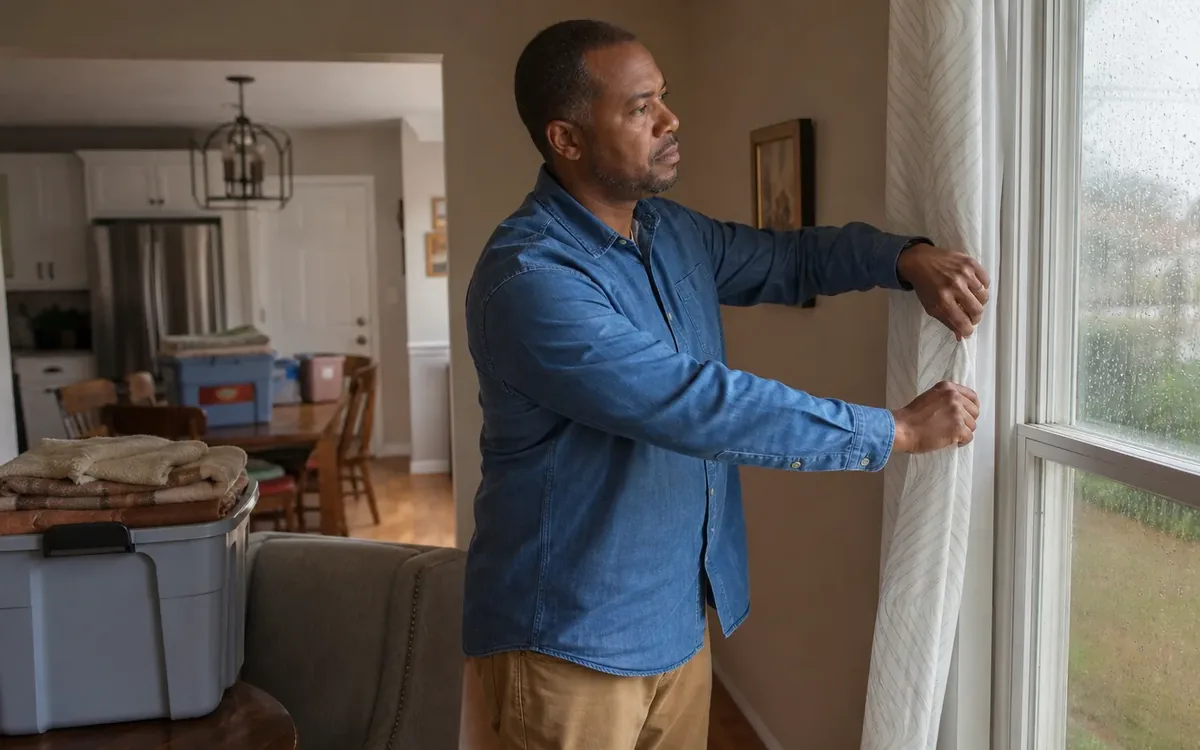
What weather conditions should the household plan for?
A South Carolina plan should address more than rain. The relevant conditions depend on the property, season, merchandise, and customer route.
Include these four weather categories:
- Heat and direct sun: Consider indoor temperature, shaded waiting space, sun-sensitive merchandise, worker breaks, and whether customers could be left standing outside.
- Thunderstorms and lightning: Plan for rapid movement indoors, power interruptions, temporary sign removal, and closure of exposed areas.
- Tropical weather: Follow official emergency information and prepare for postponement, property securing, travel disruption, or evacuation instructions.
- Rain and wet surfaces: Review porches, steps, decks, grass, gravel, ramps, driveways, garages, and any path that becomes slippery or unstable.
Do not assume that a tent, garage, carport, or covered porch solves every problem. Wind-driven rain can reach covered merchandise, and temporary structures may create hazards in gusty conditions. Questions about whether a structure is safe should go to the property owner, installer, inspector, contractor, insurer, or relevant authority, as appropriate.
Set operational triggers before sale day
A forecast becomes useful when it is tied to a decision. Avoid vague instructions such as “use judgment if it gets bad.” Write observable triggers and the corresponding response.
A trigger sheet might include:
- If rain begins, cover or relocate designated merchandise.
- If water reaches a marked walking area, close that route.
- If lightning or an official warning affects the area, stop outdoor activity and follow authoritative safety guidance.
- If wind begins moving signs, covers, or display fixtures, remove them.
- If indoor conditions become unsafe or uncomfortable, pause admission while the responsible person evaluates the property.
- If an evacuation order, closure, or other official direction applies, follow it rather than the sale schedule.
Use official forecasts, alerts, and emergency instructions when making safety decisions. A cleanout, move, or sale team may discuss practical setup options, staffing, item movement, and communication. It should not replace emergency management officials, building professionals, insurers, attorneys, or medical guidance.
For help separating sale-ready property from remaining contents, see the overview of auctions and estate sales support. Confirm the exact scope directly, since appraisal, storage, repairs, hauling, and disposal may involve separate providers or household decisions.
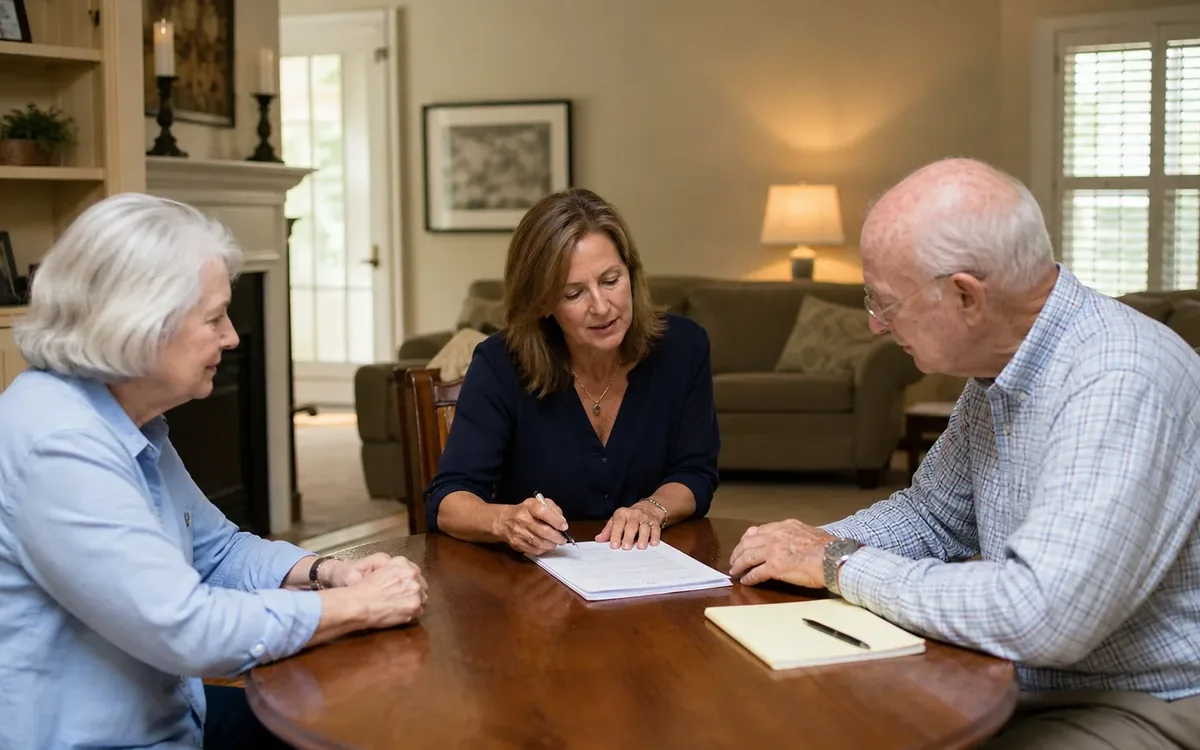
Who has authority to change or stop the sale?
Name one primary decision-maker and one backup. Without a clear chain of responsibility, merchandise may be moved twice, conflicting messages may be posted, or unsafe areas may remain open while family members debate what to do.
Write down who can make each of these decisions:
- Delay opening or close the sale
- Stop outdoor browsing
- Restrict a room, stairway, porch, yard, or driveway
- Move merchandise from its planned location
- Approve public updates
- Contact family members or service providers
- Respond to official warnings or property emergencies
The household or authorized estate representative can set priorities for belongings and approve ordinary sale changes. An estate-sale organizer may discuss customer flow, display protection, and sale operations within the agreed scope.
Legal authority over estate property, fiduciary duties, contract interpretation, title, and disputes should be addressed by the authorized representative and qualified legal counsel. Value opinions should come from a qualified appraiser or the relevant sale professional. Structural, electrical, roofing, drainage, and other property conditions belong with inspectors or appropriate contractors. Government orders and code requirements remain with the responsible public authority.
How should merchandise be protected from sudden rain?
Start by reducing dependence on outdoor displays. Large quantities spread across a yard take longer to secure, and wet grass can make retrieval difficult.
Divide goods into three weather categories:
- Indoor only: Paper, artwork, books, photographs, electronics, textiles, upholstered furniture, unfinished wood, and fragile collectibles usually need protected placement based on their condition.
- Covered transition area: Durable items may be placed near a garage or other protected area if they can be moved promptly and do not block exits.
- Outdoor eligible: Weather-resistant garden items, tools, and similar goods may be candidates for outdoor display, subject to safe placement and the owner’s approval.
Do not cover valuable objects with plastic and assume they are protected. Condensation, trapped moisture, abrasion, staining, and wind movement can cause damage. The household or sale professional should choose protective materials suitable for each item.
Keep sale merchandise away from floor drains, known leaks, open windows, roof runoff, and low spots. Elevate appropriate boxes from garage or basement floors using stable supports. Never create unstable stacks or narrow emergency exit paths to gain more display room.
Photograph the planned outdoor display and mark where each category moves if weather changes. A simple relocation map can prevent hurried decisions.
Design a safe entry and customer-flow alternative
Rain changes how people approach the house. Umbrellas collect water, shoes track moisture inside, and customers may cluster under small covered areas. The backup route should be planned before doors open.
Review these areas:
- Street-side arrival and legal parking access
- Driveway slope and drainage
- Sidewalks, stepping stones, and gravel
- Porch steps and handrails
- Door thresholds
- Interior flooring near entrances
- Garage transitions
- Checkout and pickup routes
Choose an alternate entrance only after confirming that it is appropriate for public access. Do not route shoppers through private, structurally questionable, poorly lit, or work-in-progress areas.
Use stable, appropriate floor protection where the property owner permits it. Loose cardboard, unsecured plastic, folded rugs, and improvised boards can become trip or slip hazards. Questions about accessibility, occupancy, fire exits, or code compliance should be directed to the relevant professional or authority.
Control admission if the safe indoor waiting or shopping area becomes limited. The person at the entrance should know which areas are closed and should give every shopper the same concise direction.
Plan specifically for heat
Hot conditions affect people as well as property. Avoid placing customers in an unshaded outdoor line without a backup approach. Consider moving the queue indoors only if capacity, exits, and property conditions allow it.
Assign someone to monitor indoor conditions and signs that workers need a break. Water, rest, shade, and workload adjustments are practical planning topics, but medical symptoms require appropriate medical guidance or emergency help.
Heat-sensitive goods should be identified during setup. Candles, records, adhesives, cosmetics, some electronics, photographs, and finished surfaces can be affected by high temperatures or direct sunlight. Ask an appraiser, conservator, manufacturer, or knowledgeable sale professional when an item requires specialized handling.
Air-conditioning performance, generator use, electrical loading, and temporary cooling equipment involve property and equipment considerations. Consult the owner and qualified contractors rather than improvising electrical connections or blocking ventilation.
Prepare for thunderstorms and tropical weather
Thunderstorms can develop quickly, while tropical systems may produce changing forecasts and official instructions. Both require a plan that is independent of customer turnout or revenue goals.
Before the sale, decide how to secure:
- Directional and yard signs
- Canopies or temporary covers
- Folding tables and lightweight racks
- Loose packaging and paper labels
- Outdoor décor and tools
- Doors, windows, and garage openings
Temporary structures should be used only as intended by their manufacturer or installer. A canopy should not become a reason to keep an outdoor area open during dangerous conditions.
For tropical weather, monitor official sources and preserve flexibility. Protect estate documents, keys, contact records, payment equipment, and inventory notes in a secure location. If public authorities issue evacuation, travel, or access directions, those instructions take priority.
Do not advertise a firm rain date unless the property, authorized representative, staffing, and sale arrangements can support it. A postponement may also affect contracts, property access, closing preparations, or family travel. The responsible parties should review those consequences with the relevant professionals.
Build a clear communication sequence
Customers should not have to compare conflicting social posts, signs, and voicemail messages. Prepare short templates before the weather changes.
Use this four-step communication sequence:
- Internal decision: The authorized decision-maker confirms the change and its effective time.
- Worker notification: Everyone receives the same instruction, including which entrances or displays are affected.
- Public update: Update each active listing or channel with the status, location instructions, and any revised access information.
- On-site notice: Post a concise sign where arriving customers can see it without entering an unsafe area.
State what has changed, not why people should ignore conditions. For example: “Outdoor shopping is closed. Please use the marked front entrance.” If the entire sale is postponed, remove outdated directional signs and update all channels used to promote it.
Avoid promises that conditions are “completely safe.” Conditions can change, and safety determinations may require a property professional or authority.
Decide what happens after weather exposure
Once rain or wind affects merchandise, separate exposed goods from unaffected inventory. Do not put damp items back into enclosed storage or stack wet boxes against walls.
The household and sale professional can decide whether an item should be held, dried, reassessed, sold with an accurate condition description, donated, or discarded. Valuable or unusual objects may need an appraiser, conservator, or specialist before any decision is made.
Disposal is a separate choice. Confirm what a hauler, waste facility, recycler, or donation organization accepts. Hazardous products, damaged batteries, chemicals, and certain electronics may be subject to specific handling or government requirements.
If weather reveals a roof leak, drainage problem, electrical issue, or structural concern, isolate the area when safe to do so and contact the appropriate contractor or inspector. A sale or cleanout team may help discuss access and item movement, but diagnosis and repairs belong to qualified property professionals.
Keep the written plan compact
A useful plan can fit on a few working pages. It should be easy to read under pressure and specific to the property.
Include:
- Decision-maker and backup contact
- Official weather sources being monitored
- Triggers and matching actions
- Indoor-only merchandise list
- Outdoor relocation map
- Closed-area and alternate-entry plan
- Worker contact list
- Customer message templates
- Contractor, inspector, insurer, and emergency contacts chosen by the household
- Post-weather inspection and merchandise-review steps
Walk through the plan at the property. Check that the proposed route is actually clear, protective supplies are accessible, and keys are held by the right person. Update the plan if sorting, repairs, staging, or sale boundaries change.
Frequently asked questions
Should an estate sale be advertised as rain or shine?
Only if the property and sale plan can operate appropriately in rain. The phrase does not remove the need to close unsafe outdoor areas, change entry routes, or follow official warnings.
Who decides whether outdoor items stay on display?
The authorized household representative and sale organizer can decide within their respective roles. Safety concerns involving structures, electricity, property defects, or official restrictions should be referred to the appropriate professional or authority.
Can wet merchandise still be sold?
That depends on the item, degree of exposure, condition disclosure, and sale arrangement. Set questionable goods aside for evaluation. Valuable items may warrant advice from an appraiser or conservator.
What should happen if the driveway becomes slippery?
Stop using the affected area, redirect people if a safe approved route exists, and prevent entry until the responsible person or property professional determines the next step. Do not rely on an improvised covering that introduces another hazard.
Can a cleanout team handle weather-related leftovers?
A practical cleanout team may discuss sorting, removal, and property-clearing options within its confirmed scope. The household decides what may leave the estate, while appraisal, donation acceptance, hazardous-material handling, disposal rules, and legal authorization remain separate considerations.



