

Keep fixtures and included appliances out of an estate sale by identifying what must stay, confirming the list with the person authorized to manage the estate and the real estate agent, and carrying those exclusions through advertising, room setup, checkout, and pickup. A label helps, but the strongest protection is a written list that everyone handling the sale uses.
Quick answer: Create a written “not for sale” register before pricing begins. Flag attached items and appliances that may be included with the home, resolve uncertain items with the responsible professional, and give the sale team one approved version. Keep excluded items out of listings and prevent their removal at pickup.
When a South Carolina home sale is also planned, estate merchandise and property-sale inclusions need separate treatment. Something that looks easy to carry away may still be promised to the home buyer. Something attached to the house may require a legal or contract review before anyone offers it for sale.
What should stay out of an estate sale?
Start with anything that belongs to the property, is included in a home-sale agreement, belongs to someone else, or has not yet been authorized for sale. Do not let a volunteer, shopper, or pricing assistant settle those questions from appearance alone.
Common items worth reviewing include:
- Light fixtures, ceiling fans, and mounted hardware.
- Built-in appliances, cabinetry, and shelving.
- Refrigerators, washers, dryers, and other freestanding appliances.
- Window treatments, rods, brackets, and attached blinds.
- Security devices, thermostats, and garage-door equipment.
- Mirrors or furniture that may be attached rather than freestanding.
- Spare parts, remotes, manuals, and accessories needed for retained equipment.
This is a review list, not a legal declaration that every example is a fixture. Attachment, ownership, agreements, and other circumstances can matter. The authorized estate representative should identify ownership questions, while the real estate agent can help compare the proposed sale inventory with the property listing and transaction documents. Legal interpretation belongs with a qualified attorney.
For planning how merchandise will be organized and presented, review Clutter Cleaner of South Carolina’s auctions and estate sales service. Exclusions should be part of that discussion before items are priced or photographed.
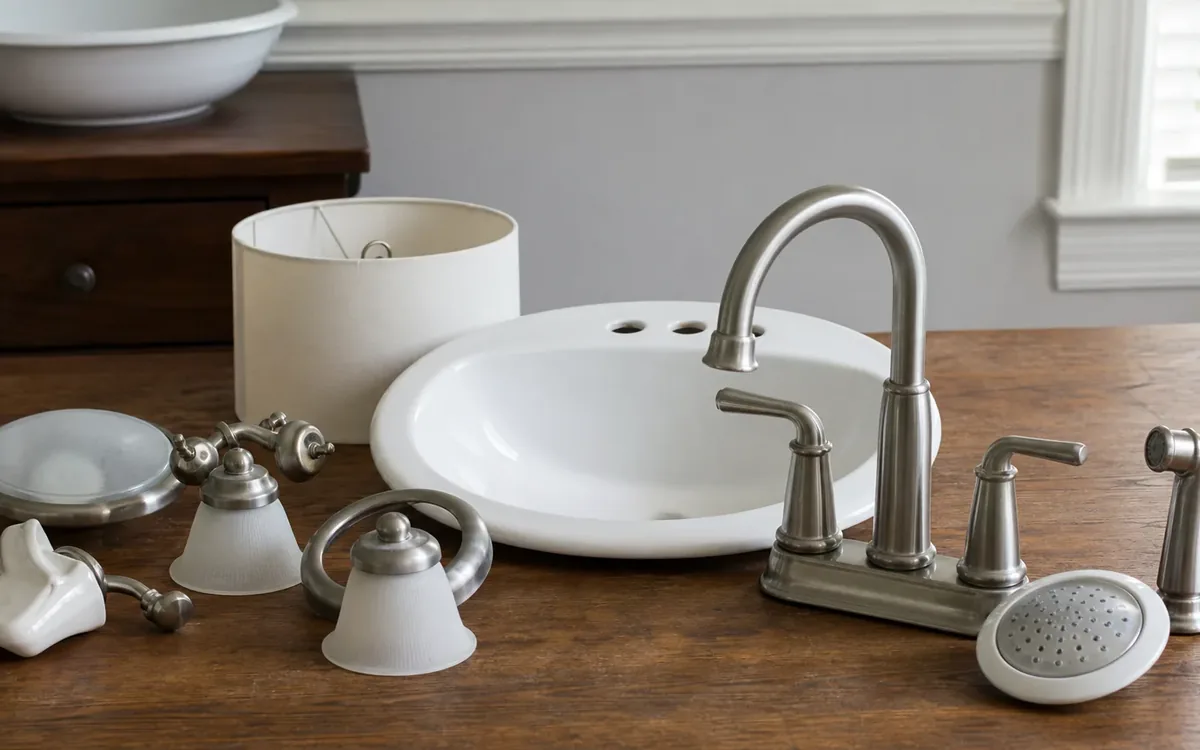
Coordinate exclusions with the planned home sale
A household may decide that it wants to keep a refrigerator for a family member or sell a decorative light separately. That preference does not automatically override an estate restriction or an existing agreement with a home buyer.
If the property is already listed or under contract, ask the real estate agent to review the proposed exclusions against the applicable documents. If it is not yet listed, discuss intended inclusions before estate-sale marketing creates conflicting expectations.
Use three working categories:
- Stay with the property: Confirmed items that must not enter the estate sale.
- Authorized sale merchandise: Items approved for sale by the responsible decision-maker.
- Hold for review: Items with uncertain ownership, attachment, contract status, or family instructions.
Keep the hold category out of the sale until the question is resolved. An unanswered text message is not approval.
The broader estate workflow also matters. The guide How Do Estate Cleanouts Work? can help place sale decisions within sorting and cleanout planning. Here, the narrower goal is to prevent property features from becoming merchandise simply because they sit in a room being cleared.
Build one exclusion register everyone can use
A handwritten note saying “appliances stay” leaves too much open to interpretation. Does that include the freezer in the garage? What about the countertop microwave or a boxed replacement dishwasher?
Make each exclusion specific enough that another person can identify it without guessing. A simple table or shared document can record:
- Item name and exact room or location.
- A photograph showing the item in place.
- Brand, model, or another distinguishing detail when useful.
- Status: stay, sell, or hold for review.
- Who approved the status and the basis for the decision.
- Accessories that must remain with it.
- Any unresolved question and the person handling it.
For example, “kitchen refrigerator beside pantry, with interior shelves and ice bin” is clearer than “fridge.” If another refrigerator is sale merchandise, photograph both and distinguish them explicitly.
Give the register a version date and name one person to approve changes. Remove outdated copies from pricing stations and shared folders. The point is not elaborate paperwork; it is preventing two helpers from following different instructions.
Keep private estate or transaction documents separate from public-facing sale materials. Staff may need an exclusion decision without needing access to confidential details behind it.

How do you mark fixtures without confusing shoppers?
Labels should tell shoppers what is excluded while leaving no suggestion that a negotiation could make it available. Use consistent wording such as “NOT FOR SALE: REMAINS WITH PROPERTY” for confirmed property inclusions and “NOT FOR SALE: FAMILY HOLD” for approved personal reservations.
Place labels where shoppers naturally look, but avoid adhesive that could damage finishes. A freestanding sign or securely positioned tag may be more appropriate than tape on wood, painted surfaces, or appliance controls.
Make the room layout reinforce the message:
- Do not display sale goods inside an excluded appliance.
- Keep retained accessories together and clearly identified.
- Separate sale lamps from fixed lighting wherever practical.
- Remove price stickers left from earlier sorting sessions.
- Identify any entire closet or cabinet that shoppers should not open.
A room-level sign can help, but it should not replace item-specific identification. “Kitchen appliances not for sale” can fail if a small appliance on the counter is actually available.
Avoid relying on color alone. Written status labels are easier to understand and less likely to be confused with pricing categories. Tell helpers that an absent price is not permission to invent one.
Keep exclusions out of photos, listings, and bids
Advertising can create expectations before a shopper arrives. A wide room photo may show an excluded chandelier or refrigerator prominently enough that someone assumes it is part of the sale.
Review photographs and descriptions against the exclusion register before publication. Crop an image when that makes the merchandise clearer, or add an accurate note identifying an excluded feature. Do not use an excluded item as the main attraction in a sale advertisement.
For auctions or numbered lots, check that the description does not accidentally bundle property features with the intended merchandise. “Laundry room contents,” for example, is too broad if the washer and dryer must remain.
Ask the sale organizer how exclusions will be communicated across:
- Public advertisements and online photographs.
- Lot descriptions and any printed inventory.
- Staff pricing notes and shopper questions.
- Receipts and pickup instructions.
If a listing error is discovered, correct it promptly and notify the responsible organizer. Questions about an existing bid, payment, cancellation, or contractual obligation should be handled through the applicable sale terms and qualified advice where needed, not improvised at the door.
What should happen when a shopper wants an excluded item?
Give everyone staffing the sale the same response: “That item is not part of the estate sale.” A short, definite answer is more useful than explaining family disagreements or speculating about what the seller might accept.
A shopper may offer extra money, volunteer to remove a fixture, or say that similar items are usually sold. None of those statements establishes permission.
Use a simple escalation process:
- Confirm the item against the current register.
- Refer an unclear status to the designated decision-maker.
- Keep the item unavailable while the question is reviewed.
- Record any approved change and tell all relevant team members.
Changes affecting home-sale inclusions need review with the real estate agent and, when appropriate, an attorney before the estate-sale team acts on them. Removing a fixture may also introduce contractor, safety, or inspection considerations.
Do not allow a buyer to disconnect, unscrew, or dismantle an excluded item while someone seeks permission. An offer to “take care of everything” does not replace authorization or an appropriate removal plan.
Protect the boundary at checkout and pickup
A correct price list is not enough if pickup becomes informal. Someone collecting a purchased table might also carry out a retained appliance accessory or mistake an attached shelf for part of the purchase.
Receipts should identify the actual items sold rather than using broad phrases such as “all contents.” At release, compare the receipt with the merchandise and check nearby exclusions when there is potential confusion.
Discuss these practical controls with the sale or move team:
- Who verifies purchased items before they leave.
- Which rooms or storage areas buyers may enter.
- How retained accessories will be kept separate.
- Who handles a disputed item or uncertain receipt.
- How pickup activity will avoid damage to remaining property.
Any approved removal of an appliance or attached item is a separate planning issue. Qualified contractors may need to address electrical, plumbing, gas, mounting, or repair work. Inspection and compliance determinations stay with the responsible professionals or authorities.
Storage, transport, disposal, and repairs should each have a clear household decision and an agreed provider where needed. Do not assume that selling an item automatically includes disconnection, moving, or restoration of the space it leaves behind.
Check what remains after the sale
Before the property moves to its next stage, compare retained items with the exclusion register. Check not only the main appliance or fixture but also its necessary parts. A refrigerator left without shelves or a garage-door system without its remotes can create avoidable confusion.
Photograph confirmed retained items in place and note discrepancies. Share relevant issues with the authorized estate representative and real estate agent. They can determine what needs further review before showings, an inspection, or a property handoff.
Clutter Cleaner of South Carolina is based in Mount Pleasant, serves all of South Carolina, and has Charleston as its primary market. Its estate cleanout, organizing, move management, and home sale preparation discussions can help connect the approved exclusion list with practical handling plans. That coordination does not replace legal interpretation, appraisals, real estate advice, contractor decisions, or authority approvals.
Short FAQ
Is a freestanding refrigerator automatically estate-sale merchandise?
No. Its status may depend on ownership and the home-sale documents. Keep it on hold until the authorized representative and relevant professionals confirm whether it can be sold.
Can the household reserve an item after advertising starts?
A proposed reservation needs review, especially if bidding, payment, or a property contract is involved. Notify the sale organizer rather than quietly removing the item or changing its label.
Who decides whether an attached item is legally a fixture?
The sale team should not make that legal determination. Ask the responsible attorney about legal classification and the real estate agent about how the transaction documents address the item.
What if the family disagrees about selling an appliance?
Keep it out of the sale while the person authorized to manage the estate resolves the issue through the appropriate process. A shopper’s offer should not become the deadline for deciding ownership or authority.



