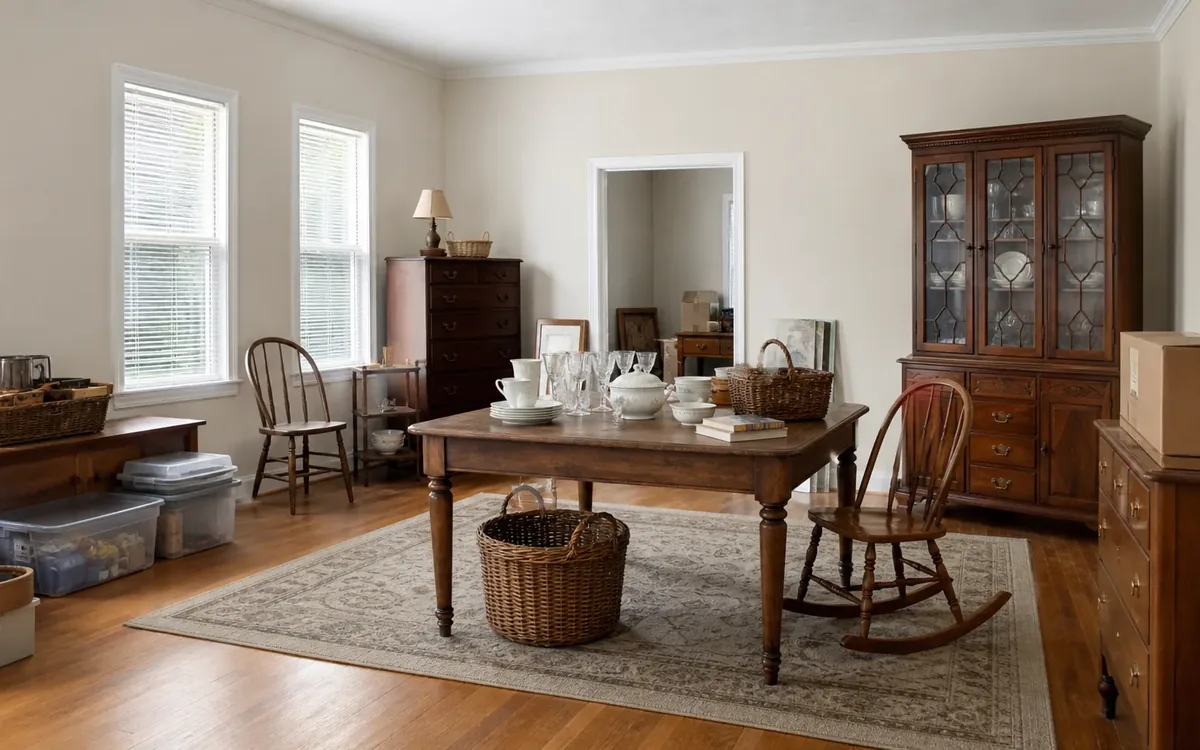
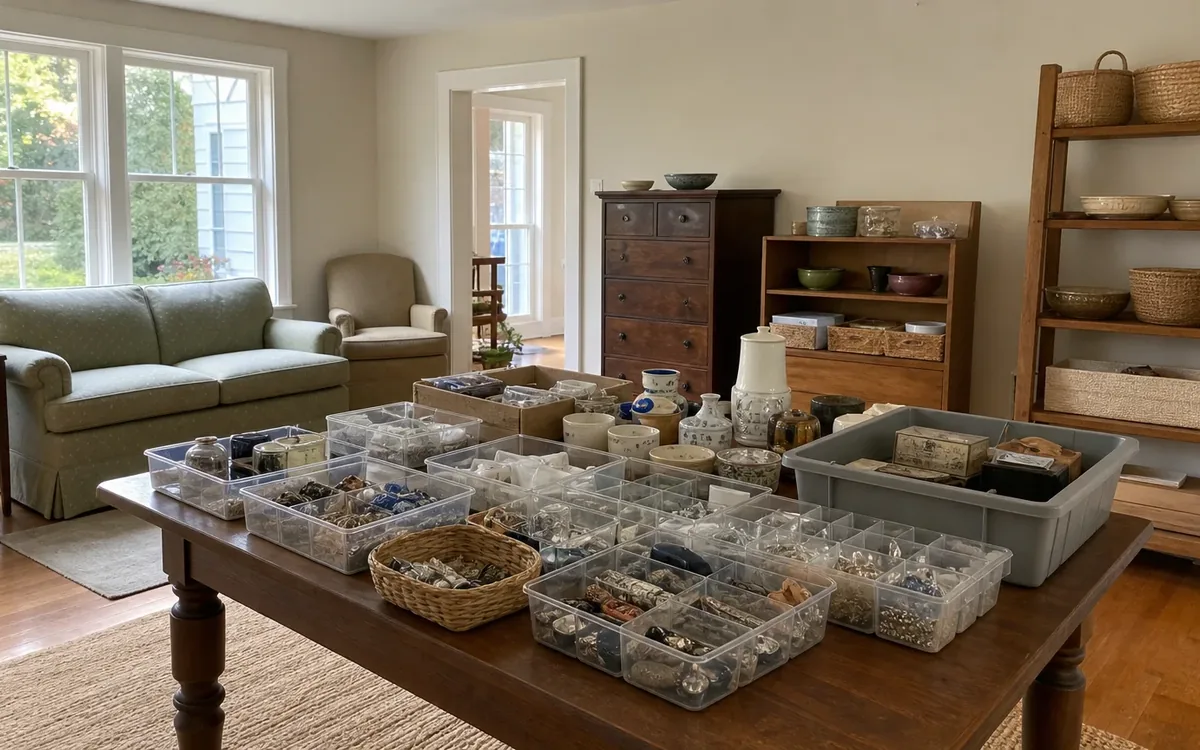
Small collectibles make more useful estate sale lots when they are grouped around a recognizable collector interest, item type, or collecting purpose, rather than simply kept in the household sets where they were displayed. Start with provisional groups, preserve labels and supporting information, and let the sale or auction provider review the groupings before cataloging. Keep potentially significant, disputed, or unfamiliar pieces separate until the appropriate person evaluates them.
Quick answer: Build each proposed lot around one clear reason a buyer would want its contents together. Similar subject matter, compatible parts, a shared maker, or a related series can provide that reason. Do not add unrelated objects just to make a lot larger, and do not separate an original set until its relationship and possible significance have been reviewed.
For South Carolina households, this approach makes the conversation with a sale provider more productive. You can explain what you know, identify what the family wants to retain, and present coherent groups without making unsupported claims about authenticity or value.
What makes a useful collectible lot?
A useful lot is a group that a prospective buyer can understand without sorting through unrelated material. Its contents should support a clear description, whether the group consists of regional postcards, miniature animal figures, or replacement pieces for a particular pattern.
A drawer is a storage location, not necessarily a collecting category. Likewise, objects displayed together may reflect the previous owner’s decorating preferences rather than a relationship that matters to buyers.
Look for connections such as:
- A shared subject, such as birds, railroads, or gardening.
- A common item type, such as thimbles, pins, or paper ephemera.
- A maker, pattern, product line, or identifiable series.
- A functional relationship, such as a model and its documented accessories.
- A collecting purpose, such as duplicate pieces useful for completing a collection.
The goal is not to create the largest possible bundle. It is to create a group with a defensible identity. A smaller, coherent lot may be easier to describe than a mixed container whose only connection is that everything is small.
Start with buyer interest, not the display shelf
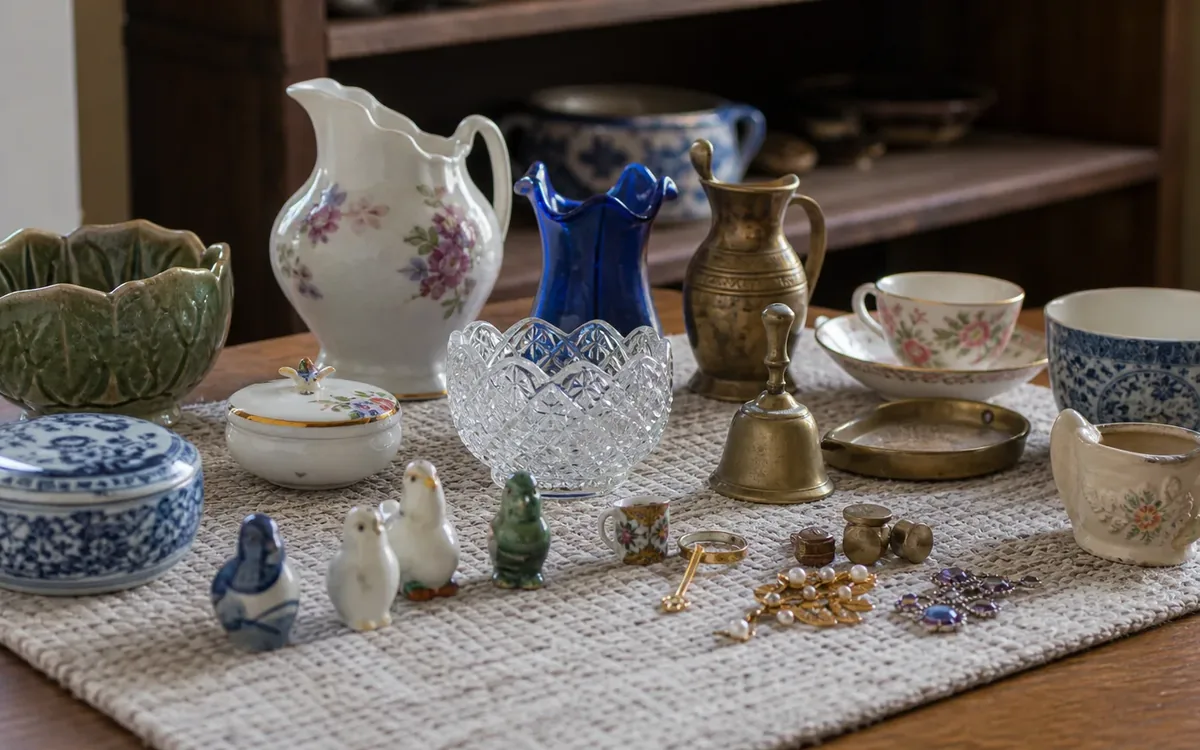
Consider a cabinet containing ceramic birds, glass animals, souvenir spoons, and miniature teacups. Keeping each shelf intact preserves the household arrangement, but it may not help someone who collects only bird figures or only spoons.
Instead, place the objects into broad, temporary categories. Then look for meaningful distinctions within each category. Bird figures might divide by maker, material, or series. Souvenir spoons might divide by destination or design. Avoid subdividing so aggressively that every ordinary object becomes its own proposed lot.
Useful sorting questions include:
- What would a collector call this group?
- Which features connect the pieces?
- Would someone interested in one piece reasonably want the others?
- Is there an original relationship that should remain intact?
- Does an unusual piece need review before it joins the group?
Clutter Cleaner of South Carolina offers auctions and estate sales services across South Carolina. Discuss your proposed categories with the sale or auction provider before items are cataloged, because the eventual selling format may affect how the collection is presented.
Household sorting creates a starting point. It does not establish a final lot structure, market value, or sale result.
When should a set stay together?
Grouping by collector interest does not mean breaking apart every matched set. Original packaging, documented completeness, or pieces designed to work together can make the relationship important.
Keep a group intact for review when it includes:
- A boxed series with a printed contents list.
- A collectible with its original accessories or instructions.
- Numbered pieces that appear to form a sequence.
- A presentation case with fitted spaces for specific objects.
- Correspondence or receipts identifying a group as one purchase.
- Components whose usefulness depends on remaining together.
Distinguish an original set from a household assembly. A tray of unrelated souvenir pins may be a personal display. A manufacturer-issued presentation set may have a different significance. If you cannot tell which you have, retain the arrangement and record the uncertainty.
Photograph the group before moving it. Place loose documents in a labeled envelope associated with the objects, rather than attaching adhesive labels directly to collectible surfaces.
A sale provider may recommend a different presentation after review. Questions about authenticity, attribution, or specialized value should go to an appropriate specialist or appraiser, not be resolved by the way a household happens to sort the pieces.
Create provisional lots with clear boundaries
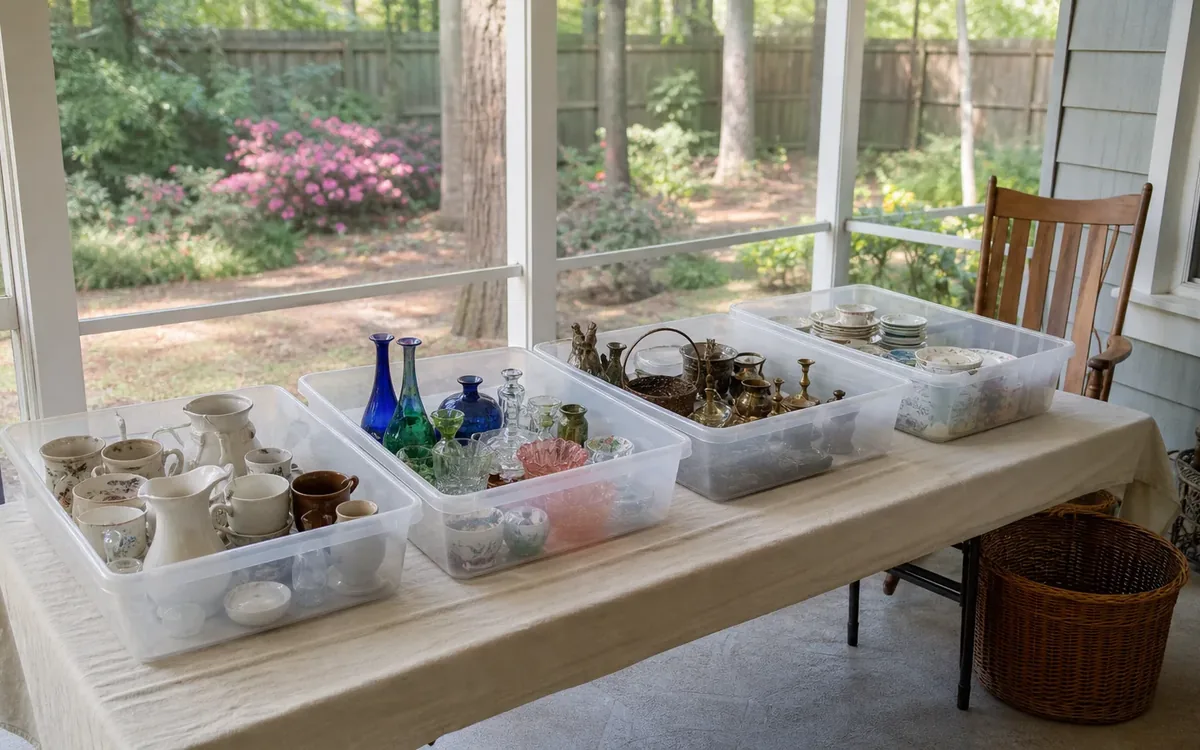
Use a sorting surface where objects will not roll, scrape against each other, or become confused with another category. Household members can assign temporary group names without deciding final catalog numbers.
A working label might read: “Proposed group B: floral porcelain thimbles, mixed makers, see separate condition notes.” That label describes the basis of the group without calling it rare, complete, or valuable.
Record practical information for each proposed lot:
- The grouping theme and a count checked against the contents.
- Visible maker marks or identifying text.
- Known chips, missing parts, repairs, or other concerns.
- Whether packaging or paperwork is included.
- Any item awaiting family approval or specialist review.
- The photograph filename or folder associated with the group.
Use trays or suitable containers to preserve the boundaries. Protect delicate pieces from contact with one another, and keep heavier items from pressing against fragile objects. Ask the provider about handling or packaging unfamiliar materials rather than experimenting.
For broader decisions about retained belongings and estate contents, the guide What Is the Best Way to Clean Out an Estate? can help place collectible sorting within the overall household transition.
Separate uncertain pieces before they disappear into a bundle
One unfamiliar object can become difficult to track once it is mixed into a larger lot. Create a review area for pieces with unclear identity, unusual markings, disputed ownership, or paperwork that may affect how they should be handled.
Reasons to pause include signatures you cannot identify, conflicting labels, incomplete components, or a family account suggesting special significance. None of these establishes value on its own. They simply justify preserving information and asking the right question.
Avoid descriptions such as “antique,” “authentic,” or “rare” unless the responsible provider or qualified professional has a sound basis for using them. Record observations instead: “signature on base,” “box marked with model name,” or “family believes this belonged to a particular relative.”
Coins, stamps, jewelry, and other specialized collectibles may warrant separate review depending on the objects and the provider’s capabilities. Ask what expertise is available and whether an independent appraisal is appropriate.
Keep review items clearly identified, but do not write a suggested sale price on them based only on an online asking price. An advertised price is not proof of a comparable completed sale or an appraisal.
How should condition and duplicates affect grouping?
Condition differences can make an otherwise sensible lot confusing. A buyer should not have to discover that apparently similar objects have substantially different issues hidden among them.
Group duplicates deliberately. Several ordinary examples of the same item may make a coherent lot, while a distinct edition or an example with separate documentation may deserve individual review.
Consider these practical distinctions:
- Intact examples versus visibly damaged examples.
- Complete items versus objects missing components.
- Identical duplicates versus similar-looking variations.
- Marked examples versus unmarked pieces.
- Objects with original packaging versus loose objects.
These are sorting observations, not formal condition grades. Let the sale provider determine how condition should be described for the chosen sale format.
Do not clean aggressively to make pieces appear more uniform. Polishing, soaking, scraping, or removing old labels can change surfaces or erase useful evidence. Ask before attempting treatment, especially when materials or finishes are unfamiliar.
A damaged item does not automatically belong in disposal. It might remain relevant to a collector, but that possibility needs review. Disposal is a separate household or provider choice, not an assumed outcome of sorting.
Match proposed lots to the selling format
A tabletop estate sale and a cataloged auction may present the same collection differently. Discuss the intended format before finalizing containers, labels, and inventory descriptions.
Ask the provider:
- Will these items be offered individually, as grouped lots, or through a combination?
- Which categories should remain separate during review?
- What photographs and background information are useful?
- Who confirms final groupings and descriptions?
- How will exceptions or withdrawn items be recorded?
A practical cleanout or move team may discuss access, sorting space, container labels, handling concerns, and the separation of sale items from retained belongings. Those logistical conversations should not be mistaken for authentication or appraisal.
Storage, specialty packing, transportation, and disposal should each be discussed as separate arrangements where needed. Do not assume that proposing a lot includes any particular additional service.
For a Charleston-area household or another South Carolina seller, the important step is the same: have the grouping conversation before cataloging, when changes can still be documented without confusing the inventory.
Keep family decisions separate from sale decisions
Before a group enters the sale inventory, establish whether the household has authorized those objects to be offered. A well-organized lot can still contain something a family member intended to retain.
Use distinct categories for:
- Approved sale candidates.
- Household keepsakes.
- Items awaiting an ownership or authority decision.
- Objects awaiting appraisal or specialist review.
- Materials being considered for another disposition.
The household can share preferences and personal history. The person with proper authority must approve decisions involving estate property. Questions about wills, ownership, distribution, or permission to sell belong with the responsible estate representative and, when needed, legal counsel.
An appraiser addresses appraisal questions within their expertise. A real-estate professional handles property-sale advice. Building conditions, inspections, and compliance determinations remain with the relevant professional or authority. None of these responsibilities transfers to a sorting team merely because it is helping organize a home.
Keep a record of changes when a piece is removed from a proposed lot. Update the count, photograph, and notes so the provider does not catalog an item that is no longer available.
Short FAQ
Should every small collectible be sold separately?
No. Related ordinary pieces may form a useful lot. The sale provider should review whether grouping or individual presentation fits the objects and selling format.
Can different makers belong in the same lot?
Yes, if another clear connection supports the group, such as subject or item type. Identify mixed makers accurately rather than implying a matched series.
Should paperwork stay with the objects?
Keep relevant documentation associated with its objects during review. Check for personal information before public presentation, and ask about safe handling of original documents.
What is the best stopping point for household sorting?
Stop when the provisional groups are clear, photographed, and separated from retained or unresolved items. The provider can then review the collection without reconstructing where everything came from.