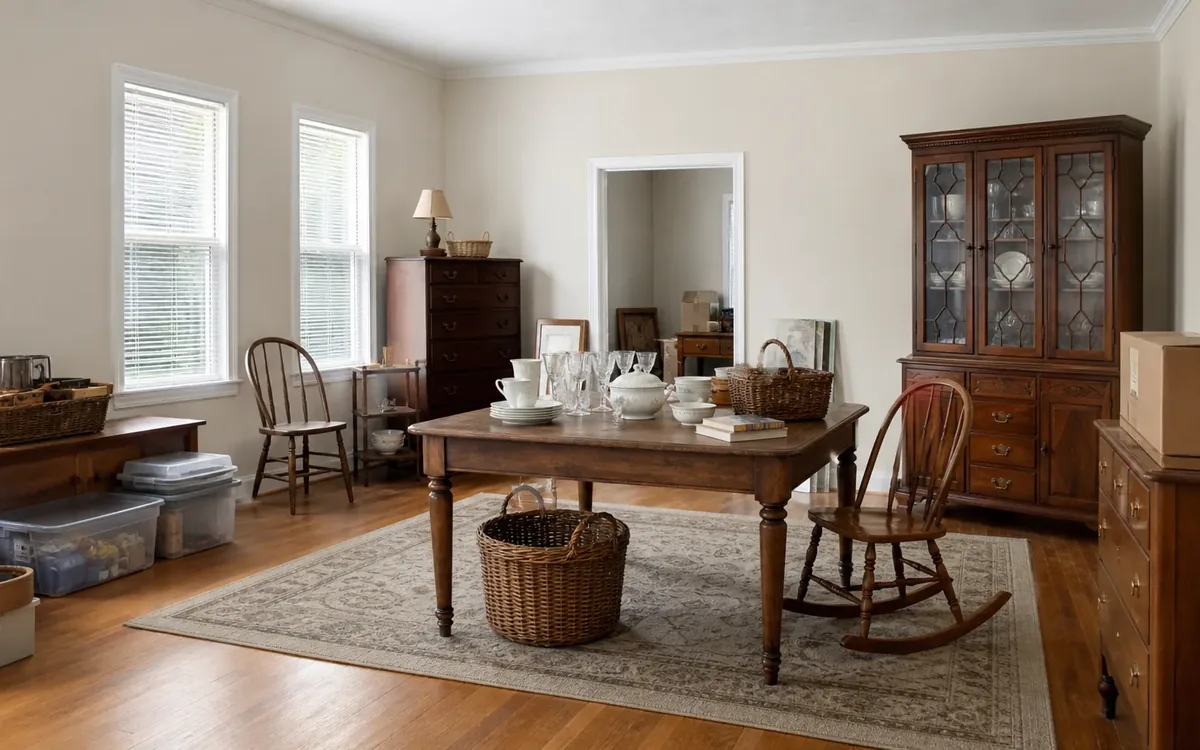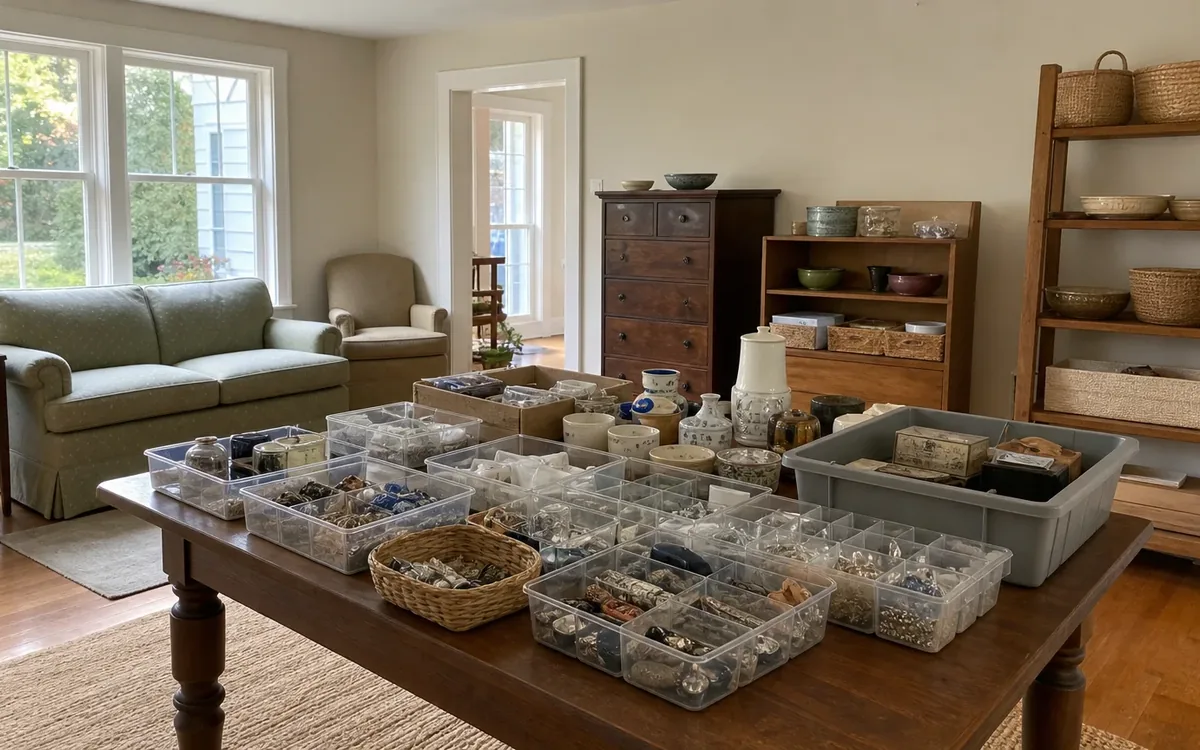

If you discover an error in an estate auction listing before bidding ends, document the listing, gather evidence of the discrepancy, and promptly contact the auction provider through its designated channel. Ask the provider to review the information and explain its correction process. Do not assume that a seller can edit a live listing, cancel bids, or promise a buyer a particular remedy.
For South Carolina households, the immediate goal is accurate information without creating conflicting messages. Whether the estate is in Charleston or elsewhere in the state, keep the item identifiable, preserve the original record, and route the correction through the person managing the auction.
Quick answer: Save the lot number, listing text, photographs, and current bidding status. Describe the suspected error in plain language, attach supporting evidence, and ask the auction provider how it will correct the public listing and communicate with affected bidders. Keep written confirmation and check the revised listing yourself.
What should you do when you spot a listing error?
Start by separating what the listing says from what you can actually establish. A chair described as solid wood might have a visible veneer edge. A lot described as containing six pieces might contain five. A painting attributed to a named artist might have only an unreadable signature.
Those situations need different correction language. A verified count can usually be stated directly. An uncertain attribution should be flagged for review rather than replaced with another unsupported attribution.
Capture the relevant details before contacting the provider:
- Auction name and lot number.
- Listing title and the exact sentence in question.
- Screenshots of the description and relevant photographs.
- The item’s location within the estate.
- A concise explanation of the discrepancy.
- Photographs, documents, or measurements supporting your concern.
If the auction is being coordinated alongside a household transition, the auctions and estate sales service information can help frame the broader planning conversation. For a live catalog correction, however, follow the process established by the provider managing that auction.
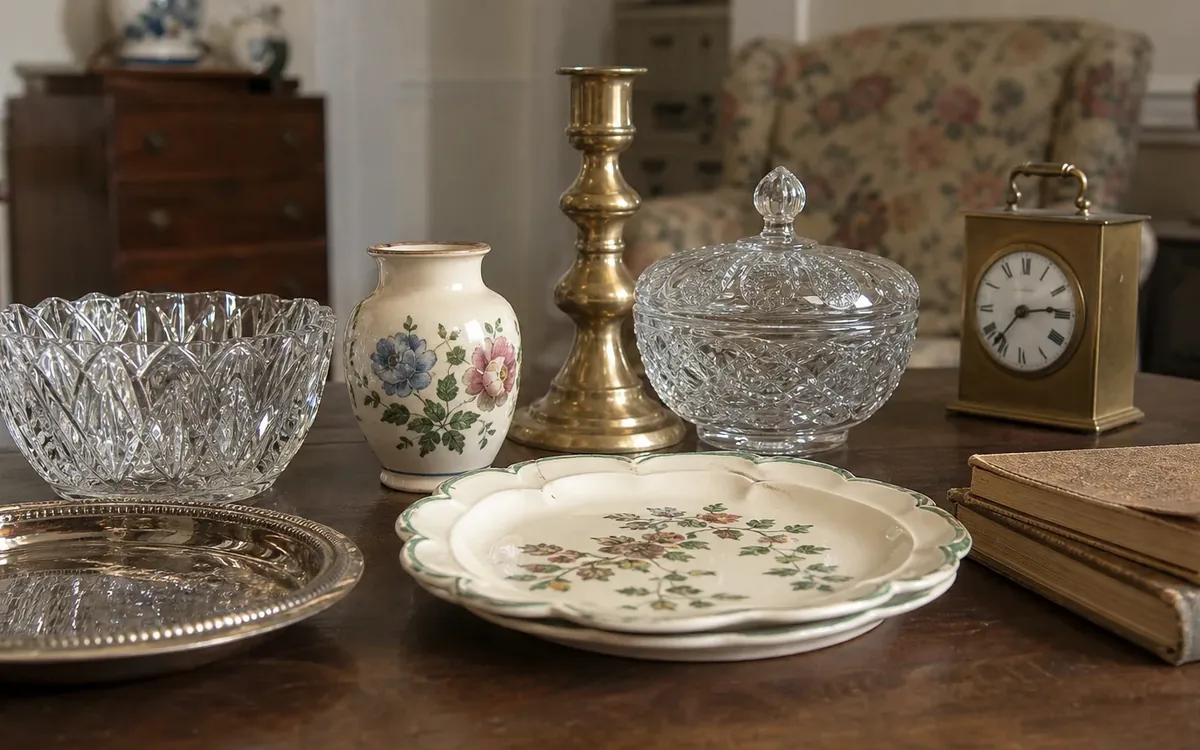
Identify the kind of error before proposing wording
A useful correction request names the problem precisely. “This listing is wrong” forces the recipient to investigate from scratch. “The listing states four matching chairs, but the lot contains three matching chairs and one different chair” gives the provider something concrete to review.
Common categories include:
- Identity: The wrong item name, model, maker, or lot photograph.
- Quantity: A mismatch between the stated count and the actual contents.
- Condition: Damage, missing components, repairs, or an inaccurate working-status statement.
- Dimensions: Incorrect measurements or unclear measurement units.
- Materials: An unsupported statement about wood, metal, stone, or fabric.
- Provenance: An ownership history or attribution presented more confidently than the evidence supports.
- Pickup information: An incorrect location, access detail, or description of what must be removed.
Keep these categories distinct. A household member may know that a cabinet belonged to a relative, but that does not establish its age, manufacturer, or value.
When sorting has revealed the discrepancy, the guide What Is the Best Way to Clean Out an Estate? provides related household planning context. Keep the correction itself focused on the identified lot rather than reopening every cleanout decision.
Build an evidence packet without altering the item
Good evidence makes a correction easier to evaluate. It does not need to be elaborate, but it should connect clearly to the listed item.
Photograph the whole object first, then the detail that contradicts the description. For a missing part, show the relevant opening or attachment point. For a quantity error, photograph the lot contents together when practical. For a model discrepancy, capture the manufacturer’s label without obscuring surrounding features.
Avoid polishing, repairing, disassembling, or testing an unfamiliar item just to prove the listing wrong. Such actions can change its condition or create safety concerns. If testing requires specialized knowledge, describe the uncertainty and let the provider determine whether a qualified professional should evaluate it.
Useful supporting material can include:
- A legible manufacturer label or serial number.
- A photograph showing a measuring tape positioned clearly.
- An existing receipt tied to the specific object.
- A prior appraisal, identified by its date and scope.
- A photograph of visible damage that the listing omitted.
An old appraisal is evidence of what that document said, not proof of current market value. Family recollections can be helpful leads, but label them as recollections rather than verified provenance.

Who should receive the correction request?
Use the auction provider’s stated contact method for seller questions or catalog issues. Depending on the arrangement, that may be a designated auction contact, an account representative, or a platform support route. Review the seller agreement and available auction instructions before sending parallel requests to multiple people.
The household should also identify who is authorized to communicate for the estate. A relative who discovers the error can gather evidence, but that does not automatically give them authority to change sale instructions or approve a withdrawal.
If authority is disputed or unclear, refer the question to the estate’s responsible representative and, when necessary, its attorney. A practical cleanout or move team can help organize information, but legal authority is not established by possession of the item or access to the house.
Ask the provider to confirm:
- Who is handling the request.
- Whether additional evidence is needed.
- How any approved correction will appear publicly.
- Whether bidder communication is required under its process.
- Whether it needs instructions from the authorized seller.
Avoid contacting individual bidders independently unless the provider specifically directs an appropriate communication route. Separate private explanations can create inconsistent records.
Write a short, factual correction message
A strong message lets the recipient identify the lot, understand the issue, and assess your evidence without searching through a long family narrative.
Use this adaptable template:
Subject: Review requested before bidding closes: Lot [number], [item name]
Message: “I am reporting a possible description error for Lot [number] in [auction name]. The current listing states: ‘[exact wording].’ Our supporting information shows [specific observation]. Attached are [photographs or documents]. Please review the listing and advise whether a correction, clarification, or further evaluation is appropriate. Please also confirm how any change will be communicated to bidders and whether you need approval from the authorized seller.”
If you know the fact directly, say so. If you are uncertain, use wording such as “appears inconsistent with the label” or “has not been verified.” Do not convert uncertainty into a stronger claim merely to make the request sound decisive.
For example, replace “This lamp is definitely a reproduction” with “The listing identifies the lamp as antique, but we have not found documentation supporting its age. The attached underside label may help your review.” That invites investigation without asserting an expert conclusion.
What if the error could affect value or a bidder’s decision?
Flag the concern clearly, especially when it involves authenticity, condition, lot contents, or a significant mismatch between the pictured and described item. Explain the discrepancy, not your prediction about what every bidder would do.
The auction provider should explain the available process under its terms and the circumstances. Possible subjects for discussion include a revised description, replacement photographs, a catalog notice, bidder communication, or whether the lot should remain available while the issue is reviewed. These are discussion points, not promised outcomes.
Do not assume that a correction automatically erases existing bids, extends bidding, or permits withdrawal. Likewise, do not assume that a general condition disclaimer resolves a specific inaccurate statement. Contract interpretation and legal obligations belong with the responsible provider and, where needed, qualified counsel.
If authenticity or value is central to the dispute, the household may choose to consult an appropriate appraiser or specialist. That is a separate professional decision. The auction contact should be told what is known, what remains uncertain, and whether further evaluation is being considered.
Check the public correction and preserve the record
An acknowledgment that your message was received is not the same as confirmation that the listing has changed. After the provider responds, reopen the public lot page and compare it with the requested clarification.
Review the title, description, photographs, quantity, measurements, and any visible correction notice. If the provider explains that changes appear somewhere else, ask how a bidder can find that information.
Keep a compact record containing:
- The original listing capture.
- Your correction request and attachments.
- The provider’s response.
- The revised listing capture, if applicable.
- Any instructions affecting handling or pickup.
If the revised wording introduces another error, report that specific problem rather than approving the update generally. For example, correcting a table’s material should not accidentally change its dimensions or imply that matching chairs are included.
Avoid sharing screenshots publicly as a substitute for the provider’s process. Public commentary may circulate outdated information and make the record harder to follow.
Keep household logistics separate from auction decisions
A description correction can affect physical planning. If a lot includes fewer pieces than expected, those remaining items may need separate household decisions. If a listed appliance cannot be safely tested, its handling needs may require discussion before pickup.
The household can decide who will gather records, who will communicate with the provider, and whether to seek separate professional advice. Subject to the estate representative’s authority and existing agreements, it can also discuss keeping, storing, donating, or otherwise handling items that are not part of the sale.
A practical cleanout or move team may discuss item identification, staging, access, packing boundaries, and how to avoid mixing corrected lots with other belongings. It should not decide authenticity, establish legal ownership, interpret auction contract rights, or guarantee a platform remedy.
Storage, disposal, contractor repairs, and specialist evaluations are separate arrangements. Property inspection findings belong with the inspector; home-sale disclosures belong with the responsible seller and real-estate professionals; code or permit determinations remain with the appropriate authority.
Clutter Cleaner of South Carolina is physically based in Mount Pleasant, serves households across South Carolina, and has Charleston as its primary market. When coordinating a transition, clearly distinguish practical household support from the auction provider’s control over live listings.
Short FAQ
Can I edit the listing myself?
Only if the provider’s process and your account permissions allow it. Otherwise, submit the correction request and ask who can approve and publish the change. Even where editing is possible, ask how existing bidders will receive notice.
What if bidding closes before the provider responds?
Preserve your original request and follow up through the designated channel. Explain that bidding has closed and ask what process now applies. Do not promise a buyer cancellation, a refund, or a different item on your own.
Should I remove the item from the pickup area?
Do not move or withhold a listed item unilaterally to force a correction. Ask the provider and authorized estate representative for handling instructions. If there is an immediate safety concern, restrict unsafe access and communicate the concern clearly.
What if relatives disagree about the description?
Separate documented facts from competing recollections. Send the evidence to the authorized estate representative and auction provider. Use an appropriate specialist for attribution or appraisal questions, and legal counsel for disputes about authority or ownership.