
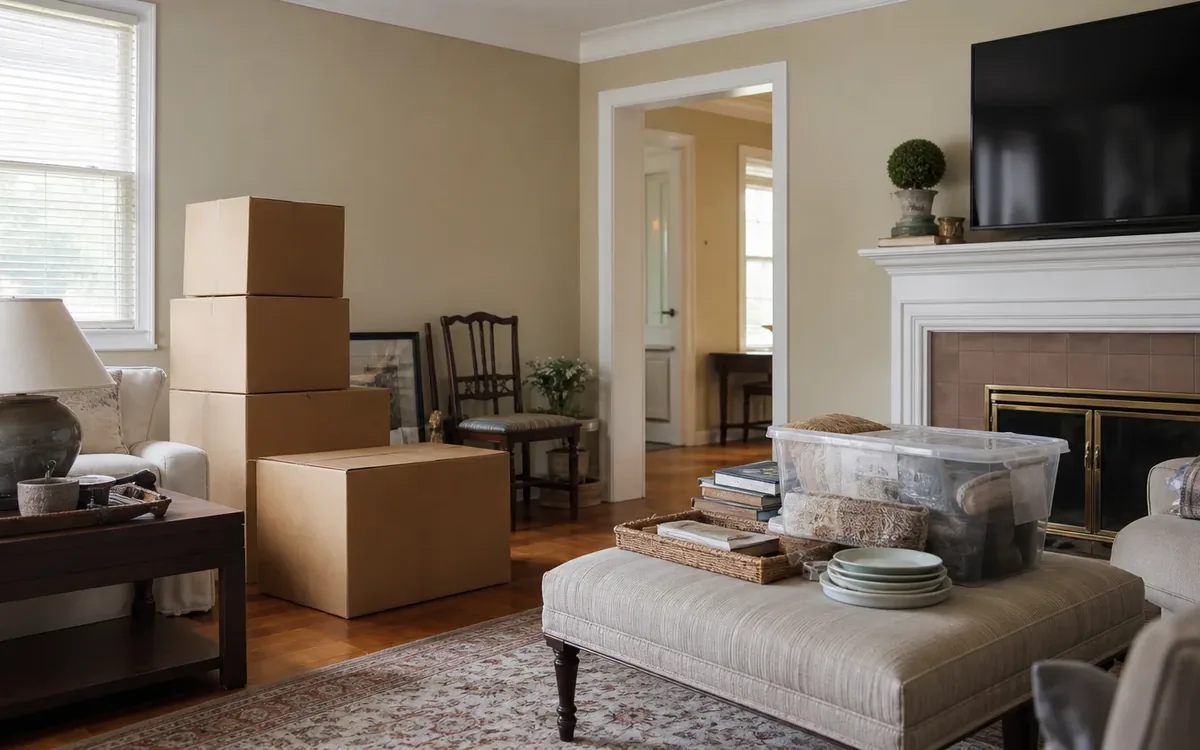
A workable estate auction pickup schedule assigns buyers specific arrival windows based on what they bought, how long loading may take, whether they need helpers, and which vehicles can safely reach the property. Instead of scheduling appointments in sale order, group similar pickups and reserve extra space for furniture, fragile pieces, and difficult removals. This reduces blocked driveways, crowded rooms, and conflicts at the loading door.
Quick answer: Sort sold lots into pickup groups before offering appointments. Schedule small hand-carried purchases together, give bulky or complicated items separate windows, confirm vehicle and helper needs, and leave recovery space between demanding pickups. Build a weather and parking plan before sending instructions.
Why does an estate auction need scheduled pickup appointments?
An estate auction may end online, but the physical handoff still happens at a real property with finite parking, narrow paths, stairs, doors, and loading space. If every buyer receives the same open pickup period, several people may arrive with trailers while others are carrying small purchases through the same doorway.
Appointment scheduling turns that pressure into a controlled flow. It helps the household or auction organizer coordinate:
- Buyer arrival times
- Payment or release verification
- Access to specific rooms
- Packing and loading activity
- Use of driveways, elevators, gates, or loading areas
- Removal of large items without obstructing other buyers
- A final check for remaining lots
Scheduling also helps protect parts of the home that are not included in the sale. Buyers can be directed along a defined route rather than moving through every room in search of an item.
The household can decide which entrances buyers may use, where vehicles may wait, and which areas are off-limits. The auction provider should establish its own release, identification, payment, and buyer-default procedures. Questions about title, ownership disputes, probate authority, or the right to release property belong with the estate’s attorney, personal representative, or other responsible legal authority.
What information should you collect before assigning times?
Build the schedule from the sold-item list, not merely from buyer names. A person collecting one box requires a different arrangement from someone removing a dining table, garage cabinet, or upstairs bedroom set.
For each invoice or buyer, record:
- Lot numbers and brief item descriptions
- Approximate item size and weight category
- Current room, floor, or outbuilding
- Whether stairs or narrow turns are involved
- Likely number of helpers
- Expected vehicle type
- Need for a trailer or lift-equipped vehicle
- Whether disassembly appears necessary
- Whether the item is fragile or unusually awkward
- Any property access restrictions
This is operational information, not a professional appraisal. The auction company or qualified appraiser decides value and catalog descriptions. A practical cleanout or move team may discuss pathways, handling complexity, room sequencing, and debris left after authorized removal, but it should not determine ownership or interpret auction terms.
If the property also needs sorting and removal after the sale, review how estate cleanouts work before pickup day. That guide helps distinguish auction pickup from the later decisions involving donations, disposal, retained belongings, and property clearing.
How should buyers be grouped for pickup?
Use four operating groups so appointments reflect the physical work involved.
-
Small, hand-carried lots
Group buyers whose purchases fit in boxes, bags, or one-person loads. These appointments can share a controlled arrival period if parking and indoor space allow. Place their items near a staffed release point when doing so is authorized and safe.
-
Medium items needing two people
Chairs, small tables, framed art, lamps, and similar pieces may need a second person or multiple trips. Stagger these buyers so they do not compete for the same hallway, porch, or doorway.
-
Large furniture and equipment
Give bulky items dedicated loading access. Confirm dimensions, route constraints, vehicle type, helper count, and whether the buyer understands that appropriate labor and equipment are their responsibility under the auction terms.
-
Complex or access-sensitive removals
Items upstairs, in attics, attached to walls, stored behind other lots, or located in outbuildings need special review. Do not assume a buyer may disconnect wiring, plumbing, gas, built-ins, or structural fasteners. A qualified contractor or responsible professional should decide what disconnection work is permitted and how it must be completed.
Grouping does not require estimating an exact removal duration. Assign relative levels such as simple, moderate, bulky, or complex, then avoid placing several bulky or complex collections together.
For broader sale planning, the auctions and estate sales service overview explains how this stage can fit within a larger household transition.
Build the schedule around loading pressure
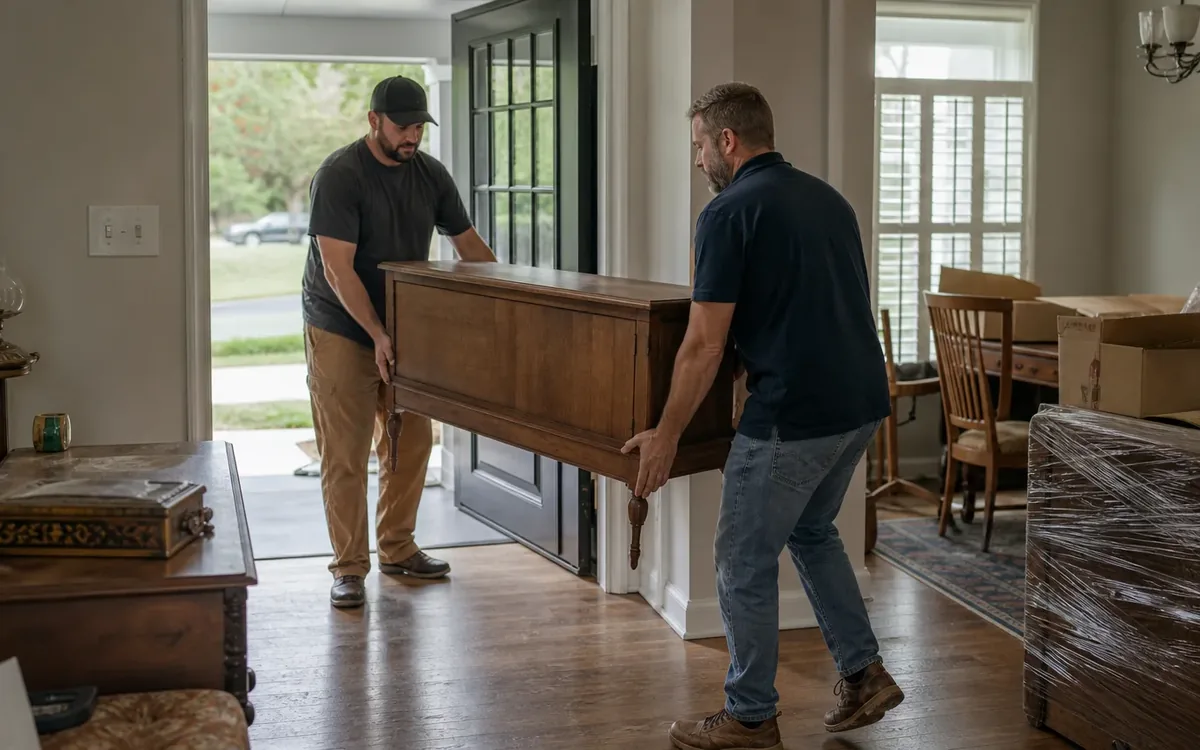
Begin with the physical bottleneck. At many properties, that is a driveway, front door, staircase, elevator, or narrow lane. The schedule should protect that bottleneck from simultaneous demand.
Use these five scheduling passes:
-
Mark restricted periods. Note any times when the property, parking area, building staff, gate, or responsible representative will not be available.
-
Place the hardest removals. Assign complex lots where access can be controlled and the removal will not trap other sold items behind them.
-
Add large-item appointments. Keep trailer and large-vehicle arrivals from overlapping unless there is confirmed space for both.
-
Fill lighter periods with small pickups. Hand-carried lots can occupy lower-pressure spaces around major removals, provided buyers will not cross an active furniture route.
-
Leave recovery openings. Keep unassigned space for late arrivals, verification issues, blocked items, weather interruptions, or a removal that proves more difficult than expected.
Do not fill every available minute. A schedule with no breathing room can unravel after one buyer arrives in the wrong vehicle or discovers that an item does not fit through the intended exit.
A simple working sheet can include columns for appointment window, buyer name, invoice number, item group, room, vehicle, helpers, access notes, arrival status, and release confirmation. Limit personal information to what is necessary and handle records according to the auction provider’s policies.
How do parking and vehicle access change the schedule?
Parking capacity should set the number of simultaneous appointments. Count usable spaces only after accounting for the household’s vehicles, staff vehicles, fire access, mailboxes, neighboring driveways, soft ground, and any area needed to turn a trailer.
Ask buyers to identify whether they expect to arrive in a:
- Passenger car
- SUV or van
- Pickup truck
- Box truck
- Vehicle with a trailer
- Commercial moving vehicle
Vehicle information is useful, but it is not permission to block a street, enter private neighboring property, or ignore community rules. The household or organizer can set property-specific parking instructions. A property manager, homeowners association, municipality, law enforcement agency, or other responsible authority determines applicable parking and access requirements.
Where space is limited, use a remote waiting instruction only if there is a lawful and safe place to wait. Do not send buyers to another business’s lot or a roadside area without authorization. A check-in message can tell buyers when the loading space is ready.
Travel between South Carolina communities also affects punctuality. Buyers may be coming from another county or crossing congested corridors. Ask them to notify the organizer if delayed, but avoid allowing early arrivals to queue in a way that blocks the property.
Plan for South Carolina heat and afternoon storms
Weather planning belongs in the schedule, particularly when buyers will wait outdoors or carry items across uncovered paths. Heat and fast-changing afternoon weather can affect people, cardboard boxes, wood furniture, electronics, textiles, and loading surfaces.
Consider these practical measures:
- Put demanding outdoor or garage removals in a part of the day selected with the current forecast in mind.
- Keep buyers out of direct sun while they await release when the property has a safe waiting area.
- Encourage buyers to bring protective coverings appropriate for their purchases.
- Stop outdoor loading when lightning, wind, flooding, or slippery surfaces create an unsafe condition.
- Identify an indoor holding point only if it does not obstruct exits or mix sold items with retained belongings.
- Protect floors near entrances when rain is possible.
- Establish who has authority to pause pickup and how buyers will receive updates.
The responsible organizer should review current forecasts and official alerts rather than relying on a seasonal assumption. Building management, emergency officials, and other authorities control any applicable closure or safety requirements.
Avoid promising that appointments will proceed regardless of weather. The buyer communication should explain how schedule changes will be announced and who will issue them.
Match helpers and equipment to each removal
The appointment notice should clearly state who supplies labor, tools, packing materials, and vehicles. That responsibility may be set by the auction terms. Buyers should not arrive assuming household members will lift furniture or provide straps, dollies, boxes, or tools.
Ask buyers with substantial purchases to confirm:
- The number of capable helpers they will bring
- Whether their vehicle can hold the item
- Whether they have measured doors and cargo space
- What moving equipment they expect to use
- Whether disassembly is anticipated
- Whether a professional mover or contractor will attend
A move team may discuss carrying routes, staging order, floor protection, and coordination between vehicles. A contractor should evaluate disconnection, modification, or repair work. An inspector may assess property conditions. None of those roles replaces the estate representative’s authority to approve release or the auction provider’s responsibility for sale terms.
If a buyer cannot remove an item under the stated terms, document the issue and refer it to the authorized auction or estate representative. Do not improvise a new ownership, disposal, refund, or abandonment decision at the door.
Create one controlled route through the property
Before pickup begins, trace the path from each sold item to the appropriate exit. Remove authorized trip hazards and keep retained possessions away from the route. Do not move disputed, unidentified, or restricted property merely to make access easier.
Set up distinct zones where the property allows:
- A check-in point for identity and invoice verification
- A release point where authorization is confirmed
- A staging area for small sold lots
- A loading route for large pieces
- A protected area for retained or excluded belongings
- A space for packing waste awaiting an authorized disposal decision
Use signs or closed doors to identify private rooms. If multiple exits are used, assign a responsible person to each active release area so an item is not removed without verification.
The household can decide which surfaces it wants protected and which rooms remain closed. A cleanout or move team may discuss practical staging and path clearance. A qualified inspector, contractor, or building authority decides whether a route, stair, railing, elevator, or structure is suitable when a condition raises technical or safety concerns.
Send instructions that prevent avoidable delays
Send each buyer a concise appointment notice containing the property address, assigned window, check-in location, parking directions, lot numbers, and stated removal responsibilities. Include a contact method for delay notices and the procedure for schedule changes.
The message should also address:
- Whether identification or a paid invoice is required
- Whether another person may collect on the buyer’s behalf
- How third-party pickup authorization must be documented
- Areas buyers may and may not enter
- Whether children or pets face site restrictions under the organizer’s policy
- What happens if the buyer arrives without sufficient help or vehicle capacity
- Who handles unresolved payment or lot disputes
Only the auction provider or authorized estate representative should define these terms. Legal questions involving agency, probate, contracts, abandoned purchases, or contested property should be referred to the responsible attorney or authority.
Prepare a separate internal sheet for staff or household use. It can identify item locations and handling notes without exposing private estate details to every buyer.
Keep post-auction decisions separate from pickup
Pickup day is for releasing sold property under the applicable terms. It should not become an improvised cleanout, appraisal session, repair project, or disposal event.
After authorized pickups are complete, reconcile the sold-item list against what remains. Separate remaining property into clear categories: retained items, uncollected sold lots, unsold goods, packing debris, donations under consideration, and possible disposal. Do not treat uncollected or unsold items as trash without authorization.
The responsible parties have different decisions:
- The household or estate representative chooses what to retain and authorizes ordinary sorting, donation, or disposal, subject to estate obligations.
- The auction provider applies its sale and pickup terms to sold and uncollected lots.
- A qualified appraiser gives valuation opinions when needed.
- A real-estate professional advises on listing preparation and market presentation.
- An inspector or contractor evaluates property conditions, repairs, disconnections, or building work.
- An attorney, probate court, regulator, association, or municipality resolves legal, ownership, estate, and compliance questions within its authority.
- A cleanout or move team may discuss authorized removal, organizing, staging, and transition logistics without taking over those professional decisions.
This separation prevents valuable, disputed, or legally significant property from being removed merely because it remained after the scheduled pickup.
Short FAQ
Should buyers with several invoices receive multiple appointments?
Usually, one coordinated appointment is simpler if all purchases can be accessed without disrupting other removals. Split the pickup when the lots require different vehicles, helpers, buildings, or loading routes.
Can several small-item buyers share a window?
They can if parking, check-in capacity, and indoor space support it. Cap the group according to the property’s actual bottleneck rather than the number of invoices.
Who decides whether an attached item can be removed?
The authorized estate or property representative must establish whether it was sold and may be removed. A qualified contractor should address safe disconnection or building impact, while legal disputes go to the responsible attorney or authority.
What if a buyer arrives early or late?
Follow the written auction and pickup policy. Direct early arrivals away from active loading areas, and place delayed buyers into an available recovery opening only when the authorized organizer approves it.
Should unsold items be moved before pickup day?
Only when authorized and when doing so will not create confusion about sold lots. Labeling and physical separation are safer than relying on memory.
Where can South Carolina households discuss transition logistics?
Clutter Cleaner of South Carolina is based in Mount Pleasant and serves households statewide. For estate cleanout, organizing, move management, home-sale preparation, or auction-transition questions, call (843) 972-7020. Any legal, appraisal, real-estate, inspection, contractor, or compliance determination remains with the appropriate responsible professional or authority.



