
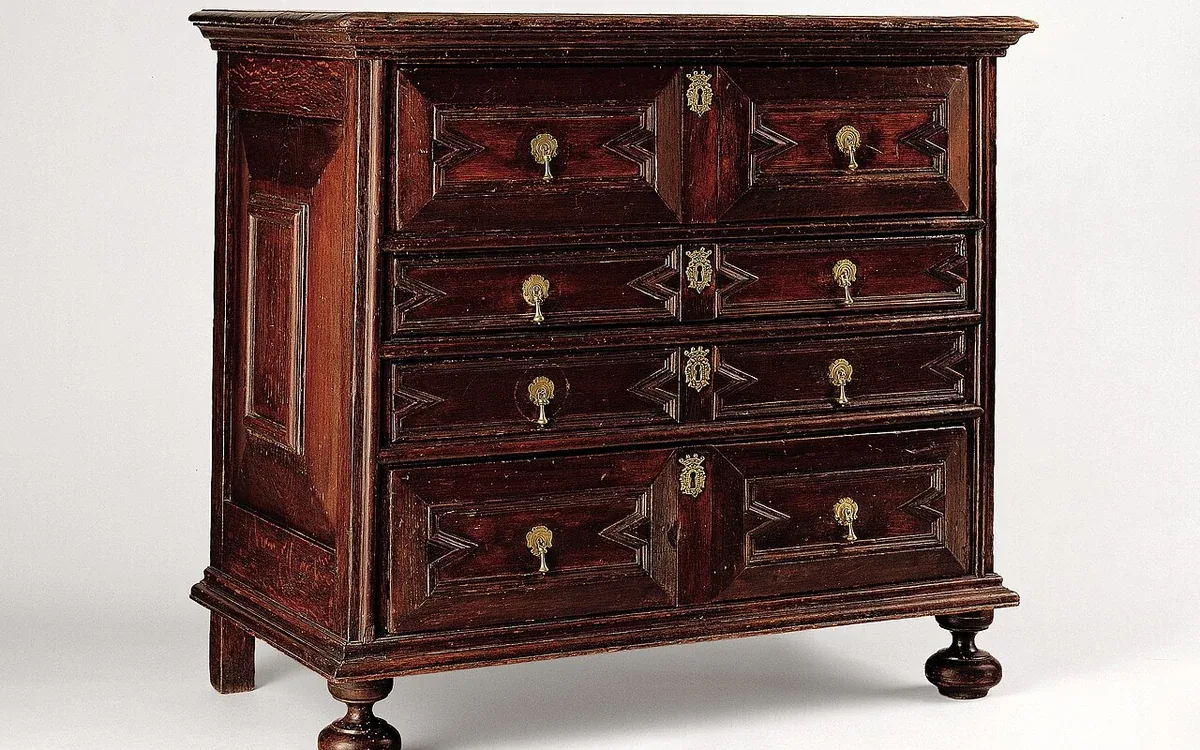
You should empty dresser drawers before moving unless the carrier confirms that light clothing may stay inside that particular dresser. Remove valuables, documents, fragile objects, liquids, and heavy items either way. The decision depends on what is inside, how the furniture is built, and the carrier’s agreement. For a South Carolina household transition, keeping clothes in drawers is a possible packing choice, never an automatic rule.
Quick answer: Empty drawers when the dresser is weak, damaged, heavy, or subject to a carrier rule requiring it. Light clothes may remain only with the carrier’s approval for that piece. Pack important, breakable, spillable, and dense items separately. If approval is unclear, prepare to empty the drawers.
Can you leave clothes in dresser drawers when moving?
Possibly, but ask about the actual dresser and contents. Permission to leave a few light shirts inside a sound cabinet does not necessarily cover tightly packed jeans, shoes, or bedding in a different piece.
Describe whether the drawers close freely and whether the dresser has loose joints, sticking slides, or a cracked bottom. Tell the carrier about stairs, tight corners, and any planned storage stop. These details help the carrier assess handling and decide what preparation it requires.
Keeping clothing inside can avoid some separate packing. It also means those clothes travel with the furniture, so they may be unavailable until the dresser is delivered and placed. Pack the clothing you need during the transition in a separate bag.
A household coordinating several parts of a move can explore move management for a South Carolina home transition while confirming packing and transport requirements directly with the selected carrier.
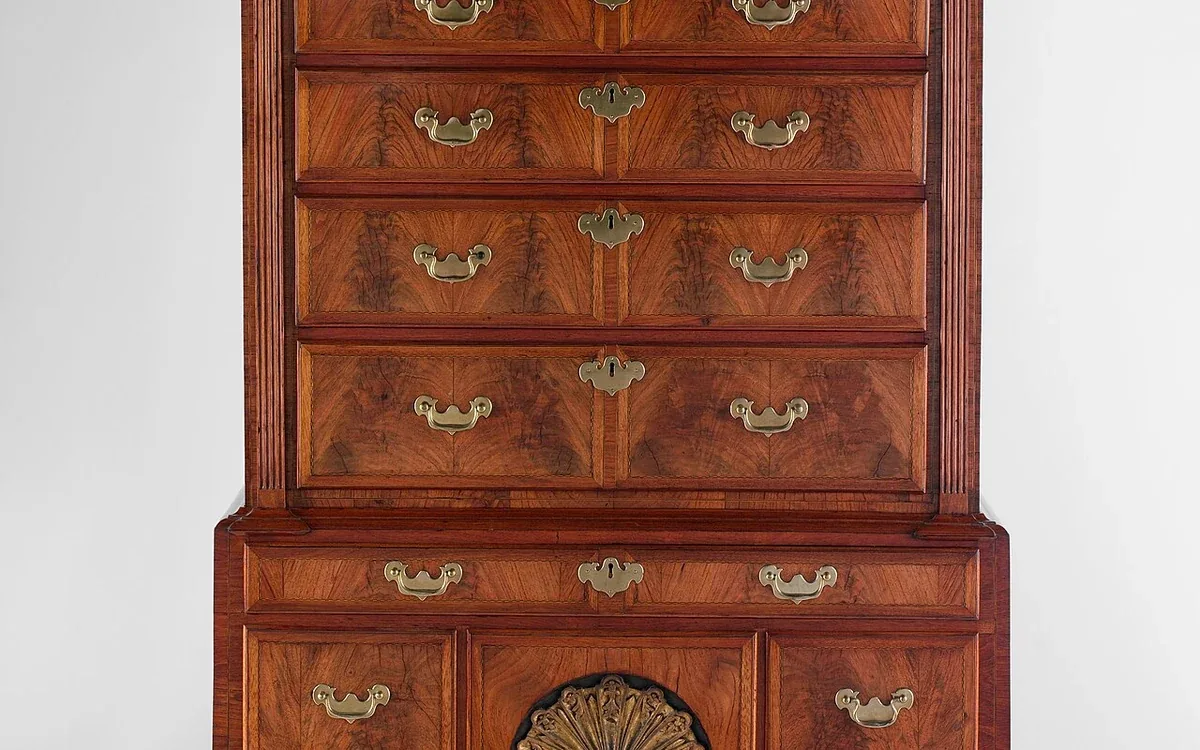
What should always come out of dresser drawers?
A dresser should not become a catchall shipping container. Clothing can conceal objects that shift, leak, scratch the drawer, or disappear beneath fabric. Open every drawer and look underneath folded items before deciding anything can remain.
Set aside contents that need separate handling:
- Personal essentials: medications, identification, keys, chargers, and clothing needed before unpacking.
- Valuables: cash, jewelry, watches, and small sentimental pieces.
- Private records: financial papers, estate documents, medical information, and address books.
- Breakables: perfume bottles, ceramics, framed photographs, and glass keepsakes.
- Liquids or restricted products: toiletries, cleaners, aerosols, and anything the carrier excludes.
- Dense or sharp objects: books, tools, loose batteries, scissors, and collections of coins.
Separate packing does not mean every item belongs on the moving truck. Ask the carrier about prohibited contents, and arrange appropriate transport or handling for anything it will not accept. Keep essential medicines and important records accessible to the responsible household member.
For inherited furniture, drawer sorting may reveal papers or belongings that need an ownership decision. Keep those items separate from donations or discard piles. If the move is part of a larger estate transition, the guide What is the best way to clean out an estate? is a relevant next resource.
How does dresser construction change the answer?
The label “wood dresser” tells you less than its condition and design. A heavy solid-wood cabinet may be difficult to carry even when empty. A lighter piece made with engineered panels may have loose fasteners or damaged edges that make loaded drawers a poor choice.
Added contents increase the weight the cabinet must carry. Tilting and lifting also change how that weight bears on drawer bottoms, runners, and joints. Furniture that holds clothes while standing still is not automatically suitable for transport with the same load.
Notice signs worth reporting:
- A drawer bottom that bows or has pulled away.
- A drawer front that separates when opened.
- Slides that bind, wobble, or no longer hold the drawer properly.
- Loose legs, cracked panels, or a cabinet that rocks.
- Previous repairs whose strength is uncertain.
Avoid testing the dresser’s strength by lifting it yourself or forcing a stuck drawer.
Give the carrier a clear description and follow its preparation instructions. If repair is needed, the household can consult a furniture repair provider separately. A cleanout or move team may discuss condition and handling concerns, but that discussion is not a guarantee that the dresser can travel loaded.

What does the carrier agreement say about loaded drawers?
Read the packing requirements before relying on advice from a friend or a previous move. The selected carrier may require empty drawers, permit specified clothing, or reserve its decision until it examines the furniture.
Ask questions tied to your piece:
- May soft clothing stay in this dresser?
- Does that permission change because of its condition or the access route?
- Must drawers be emptied even if they remain installed?
- Who prepares and secures the dresser?
- Are contents inside drawers included in the inventory?
- What does the agreement say about damage to furniture and its contents?
Get clarification in writing when the answer affects your packing plan. If a phone conversation appears to conflict with written requirements, ask the carrier to resolve that difference before loading.
The household chooses which carrier to hire and which belongings to move. The carrier decides what it accepts and how its crew handles accepted furniture under the agreement.
Transport coverage, valuation options, exclusions, and claims procedures also need direct review with the carrier. Valuation coverage is separate from an appraisal of the dresser’s market value. Questions about legal rights or disputed contract language belong with an appropriate legal professional.
Keep the drawer, the contents, and the destination separate
Emptying a drawer and removing a drawer are different actions. A carrier may want contents packed separately while leaving empty drawers in place. Another handling plan may involve removing them. Do not pull drawers out, defeat stops, or force release mechanisms without instructions.
Likewise, closing drawers is different from securing them for transport. Ask the carrier who will do that and which materials it approves. Household tape placed directly on a finished surface can create an avoidable damage problem.
The destination matters even when clothes could safely remain. A dresser going to a relative, sale, or separate storage location should not accidentally take clothing intended for your new bedroom.
Decide where the furniture and its contents belong:
- Same destination: keep essential clothes separate and confirm what may remain.
- Different destinations: empty the drawers and label the contents for their actual recipient.
- Ownership unresolved: hold the affected items apart until the responsible person decides.
- Dresser not moving: remove personal belongings before any approved sale, donation, or disposal arrangement.
For example, a dresser may go to a family member while the clothes go to a smaller apartment. Packing those clothes separately solves a destination problem even if the carrier would have accepted them inside.
Pack emptied drawers so everyday items stay findable
When drawers must be emptied, preserve the useful organization you already have. Socks do not need to become mixed with paperwork just because the dresser is being moved.
Use containers the carrier accepts. Label them by room and contents, such as “bedroom, dresser shirts.” Avoid labels that reveal private or valuable contents.
An empty drawer can also expose a sorting decision. Clothing that still fits and gets worn can go directly into the move pile. Unwanted items can be held for the household’s chosen donation or disposal option, subject to that provider’s acceptance rules.
For someone downsizing, drawer capacity offers a concrete limit. If the new bedroom has less storage, consider which clothes fit the space you will actually use. Moving every drawerful without reviewing it can carry the same space problem into the next home.
Avoid overfilling a box to keep everything from one drawer together. Divide dense contents between suitable containers and preserve the connection with labels. The goal is to find what you need without creating another difficult load.
Storage and access can change the packing choice
If the dresser will spend part of the transition in storage, decide how you will access clothing before it is delivered. Leaving seasonal items inside might be acceptable to the carrier, but needed clothes may be hard to retrieve once furniture is wrapped or placed among other belongings.
Storage is a separate household and provider choice. Ask the chosen facility about its conditions, prohibited contents, access arrangements, and protection options. Do not assume a move management service includes storage or guarantees particular storage conditions.
At the sending and receiving properties, tell the carrier about stairs, narrow openings, and building access instructions. Confirm any building-specific requirements with the property manager or responsible authority. There is no reason to invent a Charleston-wide rule for an individual property.
If access seems to require removing an attached feature or changing the property, pause for the appropriate decision. Contractor work belongs with the chosen contractor and property owner; inspection and compliance determinations belong with the relevant professional or authority.
Who decides during an estate move or home sale?
For a household moving its own furniture, the owner can decide which clothes to keep, where the dresser goes, and whether to seek repairs or separate storage. Shared belongings still call for agreement among the people responsible for them.
An estate transition needs a clearer boundary. A drawer containing jewelry or documents should not be treated as ordinary packing clutter. Preserve the contents and refer ownership or distribution questions to the authorized estate representative and, when needed, legal counsel.
A practical cleanout or move team may discuss sorting categories, access, destinations, and the carrier’s preparation requirements. Those discussions help organize approved choices. They do not establish inheritance rights, resolve disputes, or authorize a sale.
If the dresser may have significant value, an appropriate appraiser can assess it. For a home being sold, the real-estate professional can advise on staging and transaction questions. Inspectors and responsible authorities handle inspection or compliance decisions.
Clutter Cleaner of South Carolina offers move management and downsizing and organizing throughout South Carolina. Its physical business location is Mount Pleasant, SC, and Charleston, SC is its primary market. Call (843) 972-7020 to discuss the household transition and the scope of help you need.
Short FAQ
Should I empty drawers if the mover has not answered?
Yes. Plan to pack the contents separately until the carrier confirms a different approach for that dresser. Avoid building your packing plan around assumed permission.
Can I leave socks inside but remove heavier clothes?
Only if the carrier approves. Removing heavier contents reduces the load, but the dresser’s condition and the carrier’s requirements still control the transport decision.
Does wrapping the dresser make loaded drawers safe?
Wrapping does not repair weak joints or drawer bottoms. It also does not replace the carrier’s instructions about permitted contents and securing drawers.
Should I tape the drawers shut myself?
Ask the carrier first. Confirm who secures the drawers and which materials are suitable for the finish. Closed drawers alone do not settle safe handling.
Photo credits
- Dark antique chest with six drawers and brass handles: Contributor credited on the original file page. Original photograph, CC0. Cropped and resized.
- Tall wooden chest of drawers with a decorative top: Contributor credited on the original file page. Original photograph, CC0. Cropped and resized.
- Lower corner of a gold-colored picture frame: Contributor credited on the original file page. Original photograph, CC BY 4.0. Cropped and resized.






