
Declutter sports and exercise equipment by choosing gear you currently use, checking its condition, and giving each kept item a realistic place in your home. Sort by activity so you can spot duplicates and incomplete sets. Before a South Carolina home transition, decide whether bulky workout machines fit both your routine and your next space.
Quick answer: Keep equipment that supports an activity you still do and fits accessible storage. Set aside items with unresolved ownership or safety questions. For everything else, choose a specific next step: offer it to someone, explore resale, confirm donation acceptance, or ask an appropriate provider about disposal.
This guide covers land-based sports and home workout gear, from tennis rackets and bicycles to weights and treadmills.
Which sports and exercise equipment should you keep?
Start with the activity, rather than the amount you originally spent. A costly machine can still be a poor fit for your life. A worn-looking racket may deserve space if you use it and its condition is suitable.
Ask who uses the equipment, where they use it, and what would happen if it left. Current use includes seasonal activities with a real place in your routine. It does not require using every item constantly.
Sort each activity into practical groups:
- Active gear: Equipment someone currently uses.
- Purposeful spares: Backups with a clear reason to stay.
- Uncertain items: Gear needing an ownership, condition, or space decision.
- Outgoing gear: Items the owner has agreed to release.
Keep uncertainty specific. “Ask whether this bike belongs to our adult daughter” is an actionable note. “Maybe someday” gives you no way to finish the decision.
If the sports collection is part of a broader household transition, downsizing and organizing services are a relevant starting point for discussing sorting priorities and the space you want to reclaim.
Set the storage limit before choosing organizers
A storage limit makes decisions concrete. Choose the closet section, garage shelf, cabinet, or floor area available for sports equipment. In a move, use the destination home’s actual layout when you have it.
Measure large items and the proposed space. Include room to retrieve gear, open doors, and use equipment according to its instructions. A treadmill’s stored footprint does not tell you whether there is enough space to exercise on it.
Try placing the most useful items first:
- Rackets and sports bags where users can reach them.
- Balls in a container that keeps them from rolling into walkways.
- Small workout accessories together near their intended use.
- Weights in a suitable location that does not create a trip hazard.
Avoid buying bins to preserve everything before making selections. An organizer should serve the collection you choose to keep.
For example, a household moving from a garage-equipped home to a smaller residence may have room for a tennis bag and compact workout kit but no suitable location for a weight bench. That is a space decision, even if the bench remains useful.
Sort complete activity kits, not scattered objects
Gather small equipment by sport while leaving heavy machines where they are. Pair tennis rackets with their bags, cycling accessories with the relevant bicycle, and workout handles with the machine they belong to.
This reveals whether an item is a usable kit, a duplicate, or a loose part. It also prevents giving away an accessory needed by something you are keeping.
Look for details such as:
- Outgrown shoes or protective gear mixed with current sizes.
- Loose attachments that belong to a particular exercise machine.
- Multiple bags serving the same activity.
- Chargers, keys, manuals, or adjustment tools stored elsewhere.
- Training equipment kept for a sport nobody intends to resume.
Label unresolved parts with the equipment name when you know it. Photograph model information before separating anything.
If equipment came from a relative’s estate, settle who can authorize its release before arranging a transfer. For broader context, the guide to how estate cleanouts work is a useful companion when sports gear is only part of the property being sorted.
How do you handle bulky home workout machines?
Make the keep-or-release decision before arranging movement. For a treadmill, exercise bike, weight station, or elliptical, record the model, dimensions, known problems, and destination if it is staying.
Think through the route as well as the room. Doorways, stairs, landings, and access at the receiving property may affect the handling plan. Do not dismantle a machine from memory or assume its transport wheels make every move manageable.
A practical move team may discuss:
- Whether the item fits the route and destination.
- What the manufacturer’s instructions say about movement.
- Whether disassembly or reassembly needs a separate provider.
- How attachments and loose components will be identified.
- Which handling tasks fall within the agreed scope.
Confirm responsibilities before work begins. Specialized servicing, electrical work, and contractor modifications are separate choices unless expressly included by the responsible provider.
Do not promise a buyer that a machine works because its display lights up. Record what you actually know, including faults. A qualified equipment technician should address technical condition questions you cannot resolve from the instructions.
Separate visible wear from unresolved safety questions
Condition matters differently across equipment categories. A scuffed storage bag and protective equipment with an unknown history should not receive the same decision.
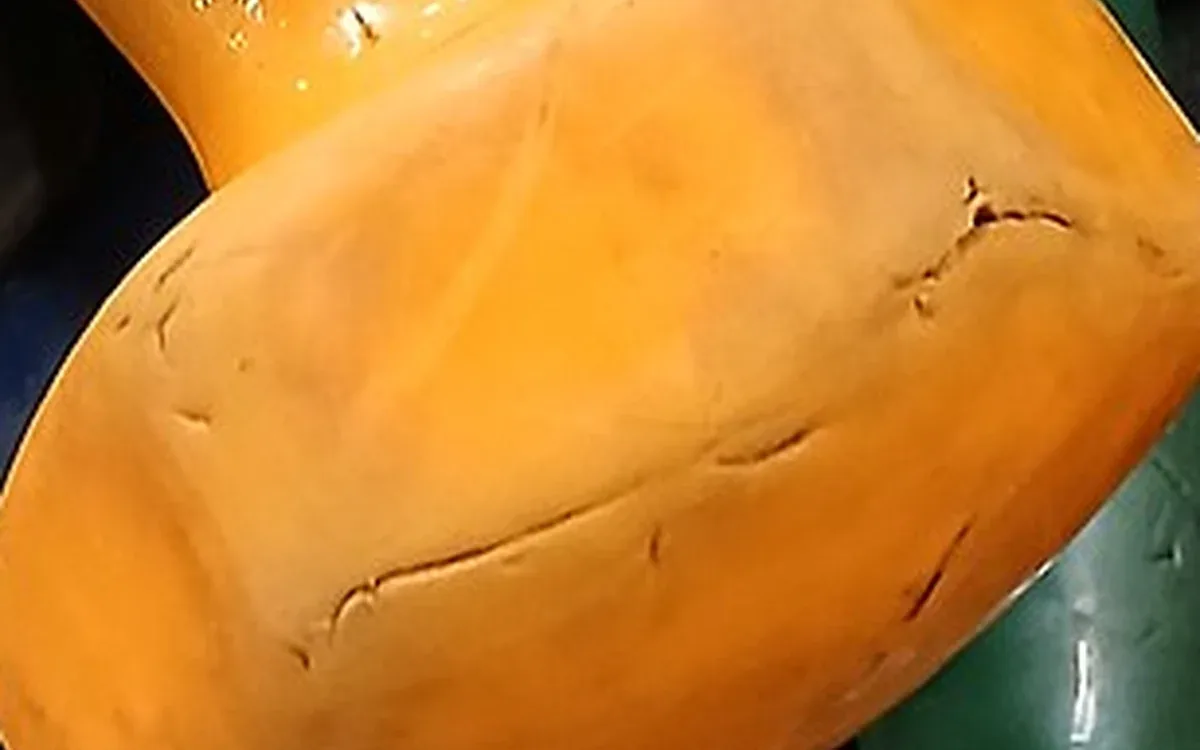
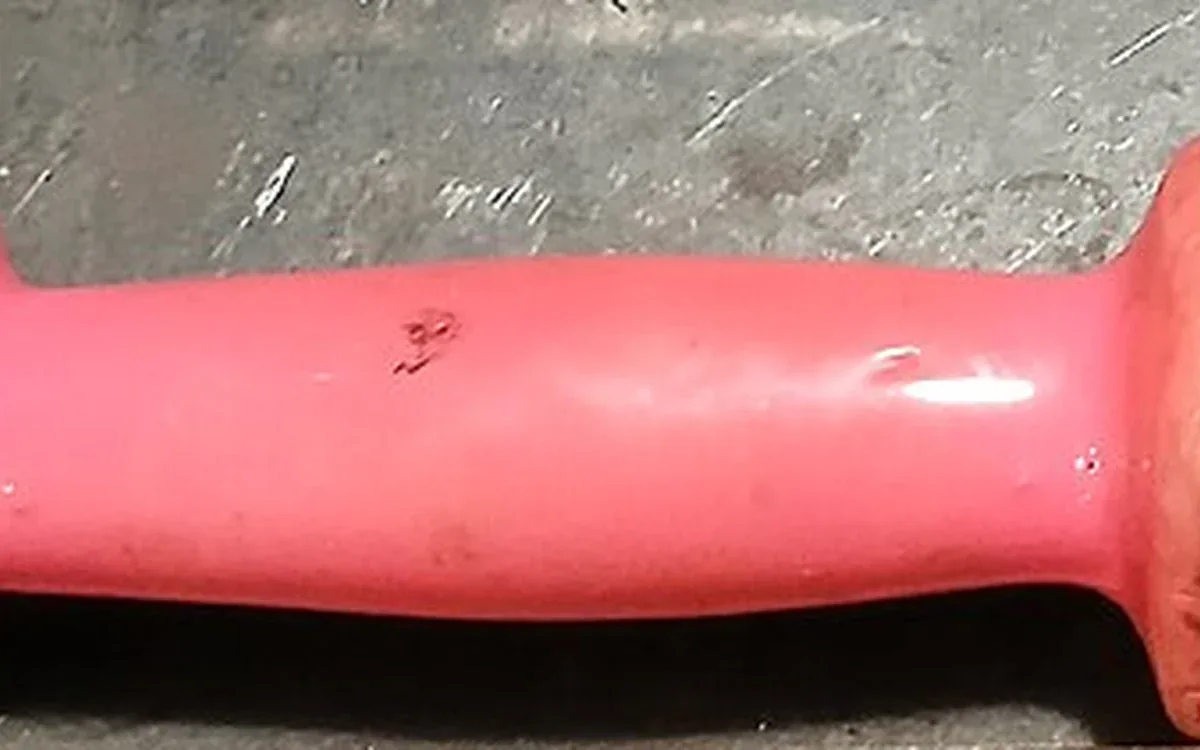
During sorting, note cracks, frayed straps, deteriorated grips, missing fasteners, damaged cords, or other visible concerns. These observations help identify questions; they do not certify equipment as safe.
For protective gear, follow the manufacturer’s guidance on condition, replacement, and suitability. If the history of a helmet is unknown, do not describe it as safe or ready for use.
For exercise machines and accessories:
- Keep identification labels available for model-specific checks.
- Separate questionable items from equipment intended for use.
- Describe known defects honestly when discussing a transfer.
- Ask the manufacturer or an appropriate specialist about uncertain condition.
A cleanout or organizing team may help record concerns and separate items. Technical inspection belongs with a qualified specialist. Questions about structural support, electrical installations, or building requirements belong with the relevant professional or authority.
Cleaning can improve appearance. It does not resolve a damaged component or establish that protective equipment remains suitable.
Should you sell, donate, give away, or discard unused gear?
Choose the next destination based on condition, ownership, demand, and the work you are willing to manage. The original purchase price alone does not establish current resale value.
For ordinary used equipment, you can review comparable listings as a starting point. Asking prices are not proof of completed sales. Collectible, signed, or potentially valuable sporting items may warrant an independent appraisal before a decision.
Each route needs a different confirmation:
- Give away: Confirm the recipient wants the exact item and understands known issues.
- Sell: Agree on an accurate description, included parts, and collection arrangements.
- Donate: Check the receiving organization’s current acceptance requirements before transporting gear.
- Dispose: Ask the relevant provider or local authority about the specific item and applicable requirements.
Do not label damaged equipment “donation” simply to move it out. A recipient may decline bulky machines, incomplete sets, or protective gear.
Clutter Cleaner of South Carolina lists auctions and estate sales among its services. Discuss whether particular sports equipment fits a proposed sale; do not assume every item will be accepted or sold. Disposal arrangements, appraisals, and donation acceptance remain separate decisions to confirm.
Make room for memories without keeping an entire collection
Sports equipment can represent a child’s team years, a former routine, or time spent with someone you miss. That attachment deserves a deliberate choice.
Separate memory items from active equipment. A jersey, medal, or favorite glove may serve its purpose in a keepsake space even when the rest of the activity kit leaves.
Choose a storage boundary for keepsakes, too. Otherwise, unused equipment can remain scattered through the home because each piece carries part of the same story.
Before releasing a meaningful item, consider:
- Whether a photograph preserves the memory you value.
- Whether a family member actually wants it.
- Whether you prefer displaying it or storing it.
- Whether its owner agrees with the proposed decision.
Ask adult family members about their belongings rather than assuming silence means consent. If ownership is disputed or an estate is involved, leave authority questions with the responsible person and legal adviser. A move or cleanout team should receive clear instructions, not be asked to resolve family ownership disputes.
Plan the handoff around your next home
Once you know what stays, create a brief equipment record. Include the item, owner or decision-maker, destination, known concerns, and who is responsible for the next action.
This is especially useful when several people are helping. “Keep bicycle for new home” and “hold bicycle pending owner’s decision” require different handling.
Temporary storage is a household choice to evaluate with a separate storage provider. Check access, conditions, contract terms, and whether the item is likely to be used afterward. Storage should answer a specific transition need.
For home sale preparation, ask your real-estate professional which areas should remain accessible for showings. An inspector or appropriate professional handles inspection concerns. A contractor handles proposed changes to the building, and the responsible authority determines compliance requirements.
For a Charleston household or a move elsewhere in South Carolina, Clutter Cleaner of South Carolina offers statewide services including downsizing and organizing, move management, and home sale preparation. Its physical business location is Mount Pleasant, SC. Call (843) 972-7020 to discuss your equipment list and confirm an appropriate scope of help.
Short FAQ
Should I keep exercise equipment because I might restart?
Keep it when you can name the activity, a realistic place to use it, and suitable storage. If those answers are unclear, assess whether the machine supports a current plan or occupies space needed for daily living.
Can all used sports equipment be donated?
No. Acceptance depends on the recipient and the item. Confirm current requirements, describe condition accurately, and ask about incomplete sets or protective gear before taking anything there.
What if my workout machine will not fit the next home?
Compare its dimensions and required use space with the destination. You can explore transfer or a separate storage arrangement. Confirm handling responsibilities before anyone attempts to move it.
Who decides whether inherited equipment can be sold?
The person with the relevant authority must make that decision. When authority is uncertain, consult the responsible legal professional. Sorting help and sale planning do not establish ownership or permission to sell.
Photo credits
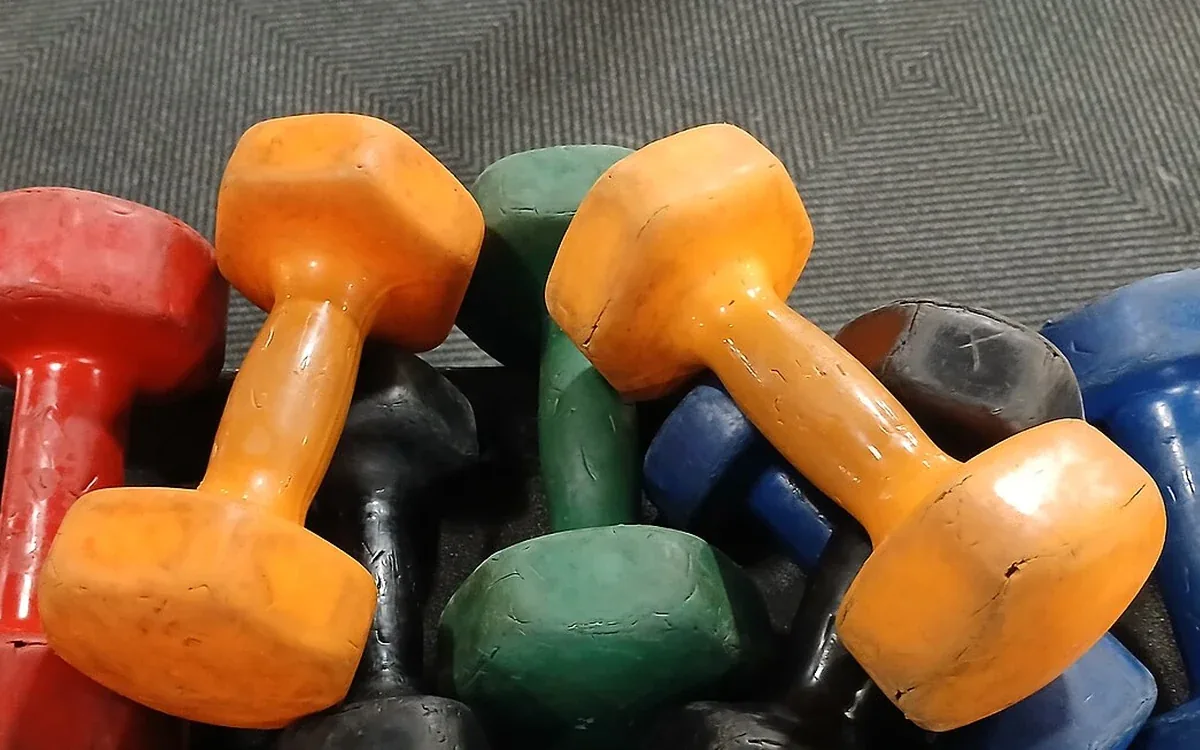
- Colorful coated dumbbells grouped on an exercise rack: Ser Amantio di Nicolao. Original photograph, CC BY-SA 4.0. Cropped and resized.
- Close view of an orange dumbbell end: Ser Amantio di Nicolao. Original photograph, CC BY-SA 4.0. Cropped and resized.
- Close view of a red dumbbell handle on a shelf: Ser Amantio di Nicolao. Original photograph, CC BY-SA 4.0. Cropped and resized.






