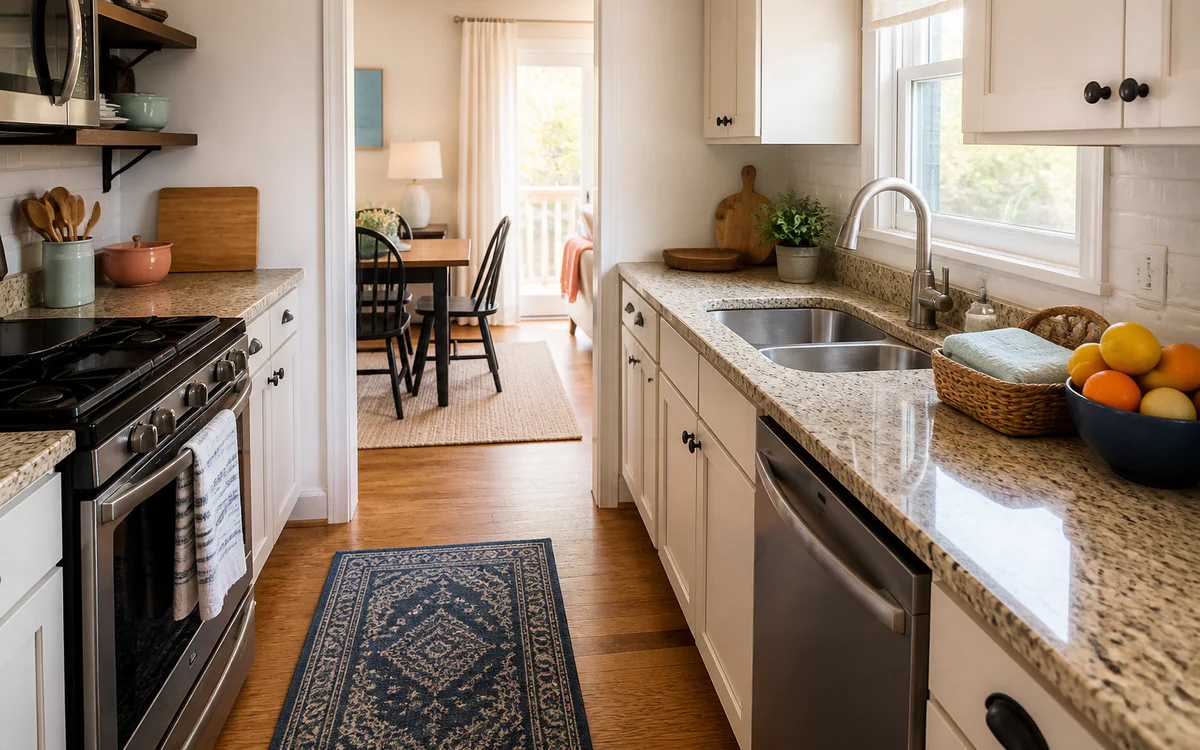

Room priorities help when time and energy are limited. When selling a house, what rooms should you prioritize staging over others? Most owners start with the entrance and the spaces that explain daily life: the main living area, kitchen, primary bedroom, and key bathroom. Your real estate pro should tailor that order to the property and marketing plan.
Staging is a presentation choice, not a promise. It cannot determine a sale, price, offer, inspection result, or closing. It also does not replace cleaning, repairs, disclosures, or expert advice. Keep the homeowner in control of items and approvals, then give each room a clear job.
When selling a house, what rooms should you prioritize staging over others?
Prioritize rooms that shape a visitor’s first impression and explain how the home functions. The entrance, main living space, kitchen, primary bedroom, and a key bathroom often come first. A real estate pro should identify exceptions based on the home’s layout, condition, and likely marketing approach. For the related service scope and planning steps, review our home sale preparation support and pre-listing preparation checklist.
Begin at the path a visitor will follow. The front step and entry should be safe, clear, and easy to use. Inside, remove approved clutter that narrows the walkway or hides the room’s basic shape. A small entry does not need extra furniture to prove it is an entry.
The main living area should have a visible purpose. Keep enough furniture to show scale and use, but avoid pieces that block windows, doors, or natural walking routes. If the home is still occupied, preserve comfortable daily seating. Presentation should not make the space impractical for the people living there.
Give the kitchen and bedroom a calm baseline
Kitchens attract attention because they hold so many daily objects. Clear most counter space while leaving the room usable. Group necessities in one neat area instead of spreading them across every surface. Do not hide food, chemicals, medicine, or breakable items in unsafe places.
In the primary bedroom, simplify visible surfaces, make walkways clear, and remove private documents or valuables. Match the number and size of furniture pieces to the room. Do not make structural or repair decisions based on appearance alone.
Bathrooms need basic cleanliness, dry surfaces, and safe storage. Remove medications and personal details. If you see an active leak, damaged material, electrical concern, or another technical issue, tell the owner and contact a qualified firm.
The National Association of Realtors offers general details in its consumer resource on staging a house for sale. Use that background to ask better questions. Let the listing expert decide how it applies to your home.
Clutter Cleaner can assist with approved sorting, organizing, and Home Sale Preparation. The owner still controls items, spending, vendor approval, and all transaction decisions.
What not to fix before selling a house?
Do not choose repairs from a generic list or start work without owner signoff. Avoid cosmetic changes that could hide damage, conflict with the listing plan, or require a qualified trade. Ask the real estate pro which issues matter, then obtain right technical advice and written scopes. Related South Carolina planning tools include our home sale preparation support and pre-listing preparation checklist.
Staging and fixing are not the same. Moving a chair to open a walkway is a presentation task. Repairing a loose railing, changing a light fixture, treating moisture damage, or altering a wall may require trade skill, permission, or evaluation. Keep those decisions out of an organizing scope.
Pause before spending
An online checklist cannot see the home’s condition, contract strategy, local requirements, or the owner’s budget. Before approving work, ask:
- What problem are we solving?
- Who says the work is needed?
- Is a qualified firm required?
- Does the owner approve the cost?
- Could the work affect disclosure duties?
- How will completion be documented?
The answers may show that a task belongs later, with someone else, or not at all. That is useful. A preparation plan should reduce avoidable activity, not create it.
Do not paint over stains, block access to damaged areas, or move heavy furniture to conceal a condition. Presentation should never become concealment. Ask the right expert how known conditions should be handled.
Avoid replacing functional items simply because a style looks dated. The listing expert can discuss buyer expectations and marketing strategy. The owner can then decide how much time and money to commit. No vendor should make that decision by default.
If the home has personal property that may convey with the sale, get clear instructions before moving it. Appliances, mounted items, window treatments, outdoor structures, and other objects may need transaction-specific review. Household preparation does not determine what stays with the property.
Is it better to have a house staged or empty?
Neither staged nor empty is always better. Furniture can show scale and function, while an empty room can feel open and reveal surfaces. The right choice depends on the home, occupancy, budget, timeline, and listing strategy. Ask the owner and real estate pro to decide. To turn this answer into a practical plan, compare home sale preparation support with the pre-listing preparation checklist.
An occupied home needs a different plan from a vacant one. People still require a bed, clothes, food, medication, work tools, pet supplies, and accessible paths. Do not remove essentials for the sake of a photo. Create attractive order around real life.
An empty home may still need preparation. Dust, small items, garage contents, window treatments, utility access, and leftover supplies can remain. Empty rooms also need a clear, safe path. A vacant label does not mean the property is ready.
Record which rooms are intentionally left simple and why. This helps a remote owner understand that an unstaged space may reflect the listing expert’s priorities, not unfinished work or a missing approval.
Use photos and measurements before moving furniture
Take basic room measurements and photograph the current layout. Ask the listing expert which pieces help show purpose and scale. If furniture leaves, identify its approved next place before lifting anything. Use qualified movers for work that requires them.
Virtual presentation raises separate questions. If images will be digitally staged, the listing expert should handle accuracy and disclosure choices. A home-preparation company should not make representations about photos or what they imply.
AARP’s home-sale countdown checklist offers a broad planning timeline. It can help owners think ahead about items and moving. It does not decide whether a particular room should stay furnished.
Staged or empty, the property should remain truthful. Do not use furniture to block damage or digital changes to misrepresent permanent features. Send those questions to the experts responsible for marketing and disclosure.
What to do first when beginning to declutter to sell a house?
Start decluttering by confirming decision authority and protecting records, valuables, medications, and sentimental items. Then choose one visible room and assign every approved item a next place. Do not begin with disposal. Begin with ownership, permission, and a manageable room-by-room plan. For additional planning context, see home sale preparation support and the pre-listing preparation checklist.
The decluttering planner can keep rooms, decisions, and next places in one place. Set up categories that fit the owner: keep in use, move, store, review, and release after approval. Avoid labels that assume value or permission.
Pick a room with a clear finish line
An entry or main living room often works because progress is visible. Define done before starting. For example: walkway open, coffee table mostly clear, private papers removed, approved decor grouped, and unclear items in one review container.
Work in short passes:
- Remove trash approved by the owner.
- Protect records and valuables.
- Gather like items together.
- Move approved items to next places.
- Photograph the finished room.
Keep list items short and put detail in the written plan. If more than one owner or family member has authority, define how disagreements will be handled. An organizing session is the wrong place to settle ownership or value disputes.
Do not start in a room packed with grief or complex records if a simpler room can build momentum. The hardest room does not need to be first. It needs enough time, the right decision-makers, and a safe way to pause.
For remote owners, photograph decision groups rather than every object. Label the room, date, and question. A focused image of five unclear items is easier to review than forty unlabeled photos.
Why is it so hard to sell a house when you inherit it?
An inherited home can be hard to sell because ownership, grief, family decisions, items, condition, taxes, and transaction steps may overlap. The executor, trustee, heirs, or other authorized parties need qualified guidance. Household preparation should wait for clear authority and documented approvals. The next steps connect to our home sale preparation support and pre-listing preparation checklist.
Grief changes the pace of sorting. A basic kitchen tool may hold a memory. A box of papers may contain both grocery receipts and records that matter. Rushing can create loss, family conflict, or extra work. Create an exception process for anything unclear.
Separate the legal track from the household track
The legal and transaction track covers authority, title, probate or trust matters, taxes, contracts, disclosures, and sale decisions. Those belong with right experts. The household track covers inventories, owner-approved sorting, organizing, packing, and preparing rooms. The tracks can coordinate, but one cannot replace the other.
Before moving items, confirm:
- Who may approve the work?
- Are any items specifically assigned?
- Which records need protection?
- Who decides sale or donation?
- Where will retained items go?
- What happens when family members disagree?
Do not assume that possession means ownership. Do not value items casually or promise that an estate sale will clear the home. Appraisal, sale, tax, and legal questions need qualified experts.
If the property is far from the named decision-maker, create a photo log and a single approval channel. Keep sensitive details out of general messages. Record next places for items that leave.
Build a second tier after the priority rooms
Once the entrance and main rooms are steady, review the spaces that can still affect the home’s story. A dining area should show its real function without becoming a holding zone. A home office needs private papers removed and cords arranged safely. Laundry areas should remain usable. Outdoor paths, porches, and utility access should stay clear within the owner-approved scope.
Do not spend equal time everywhere. Ask the listing expert which secondary areas will appear in photos or matter to likely visitors. A small, unusual room may need more explanation than a large spare bedroom. A garage may need safe access and clear zones rather than decorative staging.
Create a finish standard for each secondary room. It can state the walkway, furniture to remain, surfaces to clear, private items to secure, and open work to refer. Avoid instructions such as “make it perfect.” They are impossible to verify and often expand spending.
If the household is still packing, protect the finished rooms from becoming temporary storage again. Assign one review zone away from the main route and schedule a short reset before photography or showings. Keep daily life working.
At the end, compare the room plan with the owner’s move inventory. Every removed piece needs a next place, and every remaining piece needs a reason. That check prevents staging activity from creating missing items or extra moving work.
Room priorities are helpful only after authority is clear. Once it is, start with safe access and the spaces that best explain the home. Let the listing expert set the presentation strategy, and use a steady household plan to carry it out without forcing decisions that belong elsewhere.